Appliance Service Cost Calculator
See how much you could save by keeping your appliances properly serviced. Regular maintenance prevents costly repairs and extends appliance life.
Cost Comparison
Service is 84% cheaper than repairs
Regular maintenance can save you up to $630 annually and prevent major failures.
Most people think their appliances just run forever - until they don’t. You buy a new fridge, a washing machine, or a gas oven, and assume it’ll keep going without any help. But that’s a myth. Appliances do need to be serviced. Not every year, not always, but skipping service entirely? That’s how you end up with a broken appliance in the middle of winter, a flooded kitchen, or a $1,200 repair bill when a $150 tune-up could’ve prevented it.
Why Servicing Isn’t Just a Sales Pitch
Think of your appliances like cars. You don’t wait until the engine seizes to change the oil. Yet, most households treat their washing machines like they’re built to last forever with zero care. The truth? Appliances have moving parts, filters, seals, and electrical components that wear out. Dust, lint, mineral buildup, and moisture don’t disappear on their own. They accumulate. And over time, they cause strain - not just on the machine, but on your wallet.
A 2024 study by the New Zealand Household Appliance Efficiency Group found that homes that skipped annual servicing saw a 40% higher rate of major breakdowns within five years. Fridge compressors failed 3 times more often. Washing machine drums cracked twice as frequently. And gas cooktops? Unserviced ones had a 22% higher chance of developing gas leaks - not because they were old, but because dirt clogged the burner ports and caused uneven heating.
What Gets Checked During a Service?
It’s not just a quick wipe-down. A proper appliance service includes real diagnostic steps:
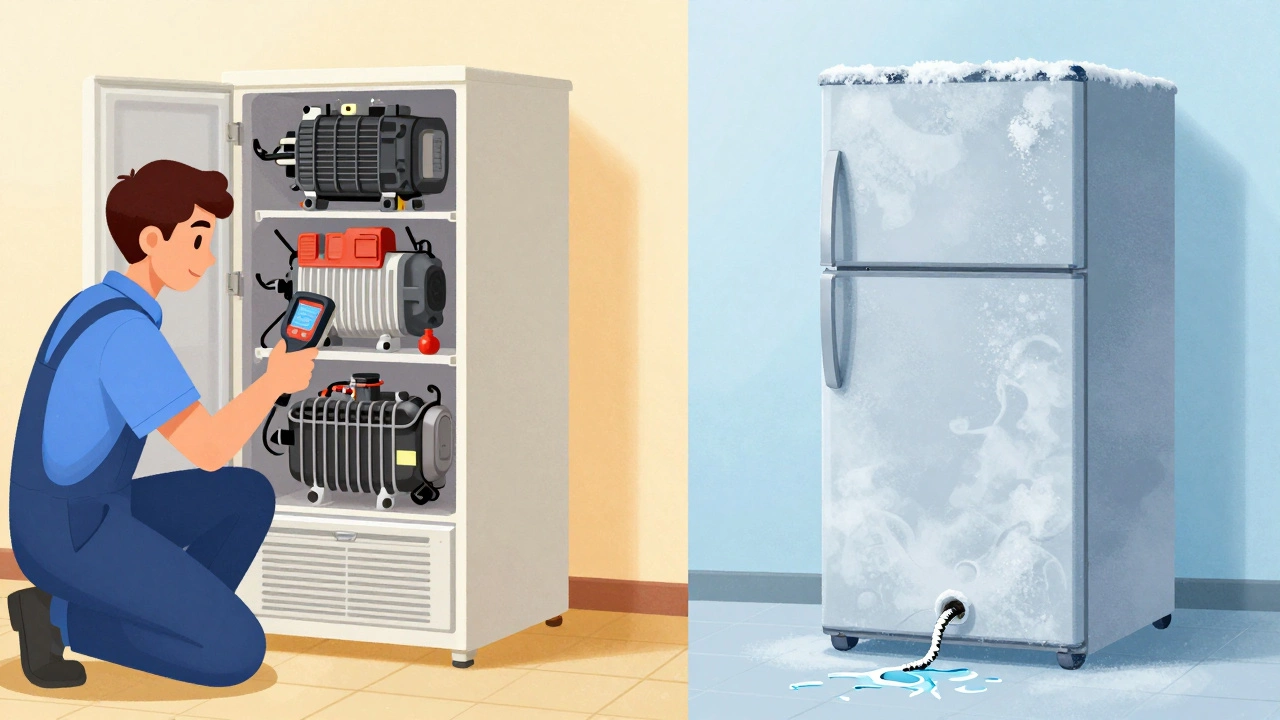
- Fridges and freezers: Condenser coils cleaned, door seals tested for air leaks, thermostat calibrated, and drainage system cleared. A clogged drain is the #1 reason for water pooling at the bottom.
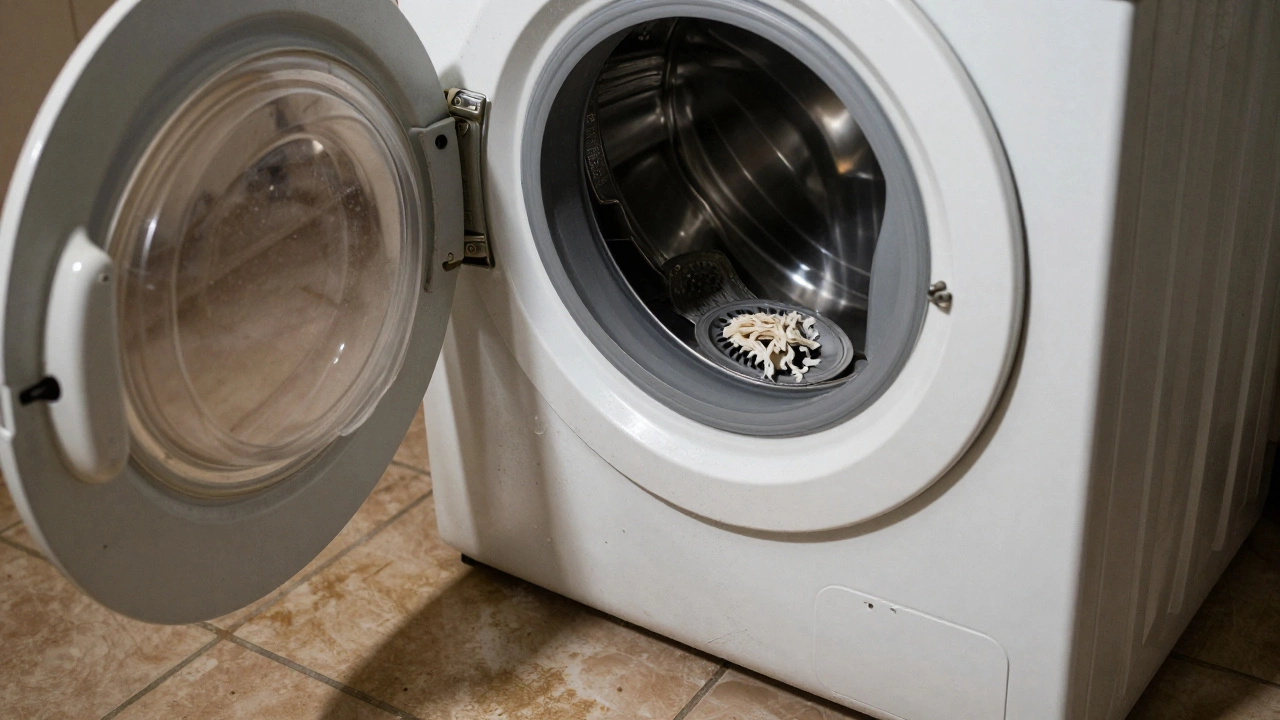
- Washing machines: Drum bearings checked for wear, hoses inspected for cracks, detergent drawer cleaned of residue, and pump filter emptied. A clogged pump filter can stop the machine mid-cycle - or flood your laundry room.
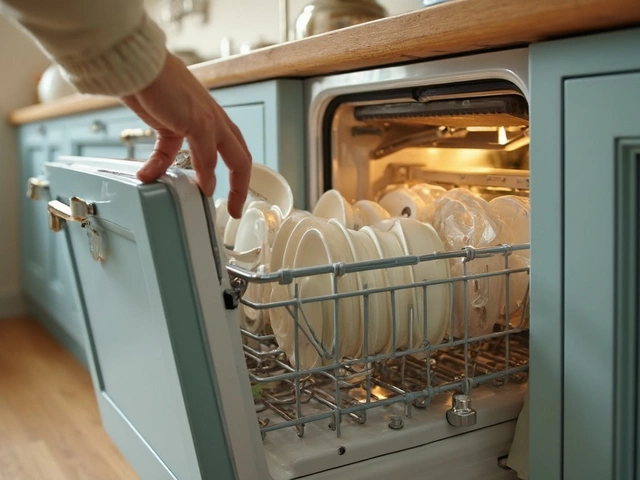
- Dishwashers: Spray arms unclogged, filter cleaned, heating element tested. Hard water builds up scale inside, which reduces cleaning power and can burn out the element faster.
- Ovens and cooktops: Burner ports cleared, igniters tested, oven seals inspected. Grease buildup isn’t just ugly - it’s a fire risk.
- Gas appliances: Gas pressure tested, leak detection performed, ventilation checked. This isn’t optional. A small leak can build up over months and become dangerous.
These aren’t guesswork steps. Technicians use calibrated tools - pressure gauges, thermal imagers, gas leak detectors - to spot problems before they turn into disasters.
What Happens When You Ignore Service?
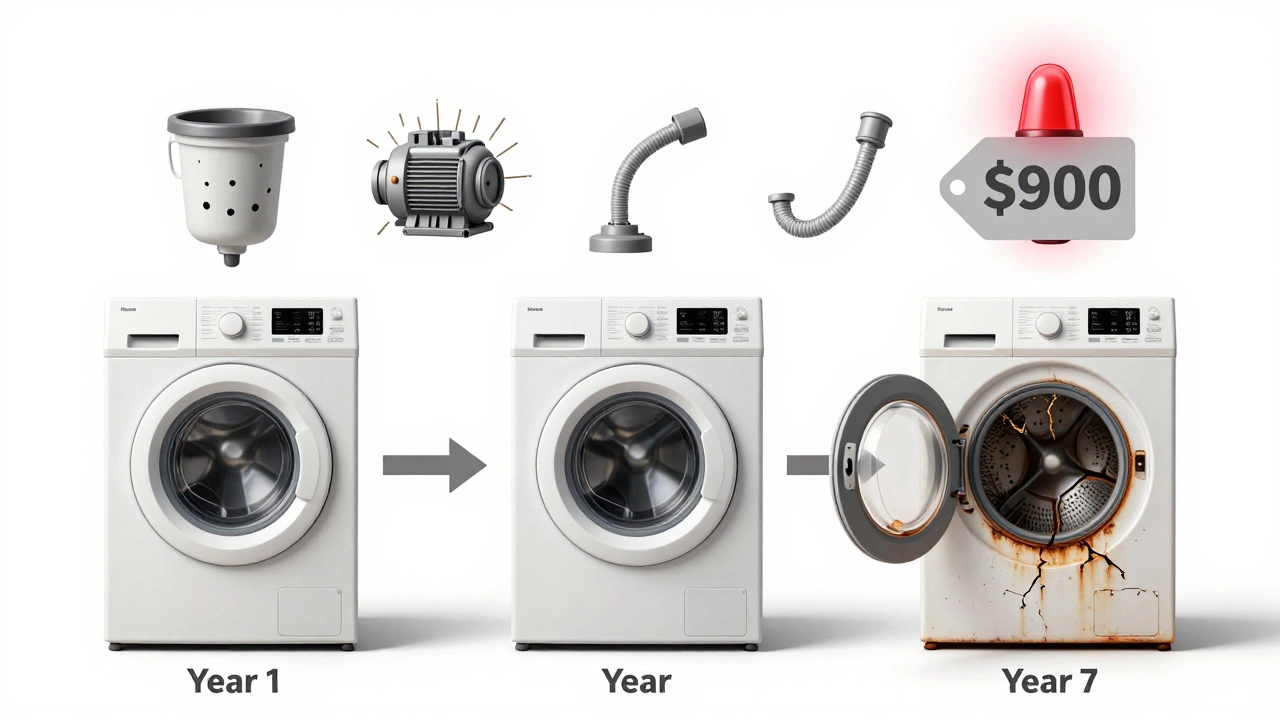
Let’s say you’ve got a 7-year-old washing machine. You’ve never had it serviced. Here’s what likely happens:
- Year 1-3: It works fine. You’re happy.
- Year 4: The pump filter gets clogged with lint and detergent gunk. The machine starts making a grinding noise, but you ignore it.
- Year 5: The drum bearings wear out from unbalanced loads. The machine shakes violently. You buy a rubber mat to stop the vibration.
- Year 6: The motor overheats from the extra strain. It starts tripping the circuit breaker.
- Year 7: The drum cracks. Water leaks into the base. The control board fries. Now you’re looking at a $900 replacement - and you’ve spent $150 on repair attempts.
That’s not bad luck. That’s neglect.
Same story with fridges. A dirty condenser coil makes the compressor work harder. That increases energy use by up to 30%. In Auckland’s climate, where summer temps regularly hit 28°C, that means your power bill climbs - and the fridge struggles to stay cold. You start noticing your milk going sour faster. You blame the fridge. But it’s the dust on the coils behind it.
How Often Should You Service Appliances?
There’s no one-size-fits-all answer, but here’s a simple rule based on real-world usage:
- High-use appliances (washing machine, dishwasher, fridge): Every 12-18 months. If you do laundry 4+ times a week or run the dishwasher daily, go yearly.
- Medium-use (oven, cooktop, microwave): Every 2 years. But if you cook heavily or have hard water, annual checks help.
- Gas appliances (boiler, cooktop, heater): Annually. This isn’t a suggestion - it’s a safety requirement in New Zealand under the Gas (Safety) Regulations.
- Low-use (freezer, dehumidifier): Every 2-3 years. Still worth checking for frost buildup or seal leaks.
Don’t wait for the warning signs. By then, it’s too late.
Can You Service Appliances Yourself?
You can clean filters. You can vacuum coils. You can wipe down seals. But that’s maintenance - not service.
Real service means diagnosing hidden problems. A washing machine that’s vibrating? Could be a loose drum, unbalanced load, or worn suspension. Only a trained tech with the right tools can tell the difference. A fridge that’s cold but not freezing? Could be a faulty evaporator fan, a refrigerant leak, or a blocked capillary tube. You can’t check refrigerant levels with a screwdriver.
DIY fixes often make things worse. I’ve seen too many cases where someone tried to “fix” a gas oven by tightening a connection - and ended up creating a leak. Or replaced a thermostat with the wrong part, causing the fridge to cycle on and off every 10 minutes. That’s not saving money. That’s buying a new appliance sooner.
Cost vs. Consequences
A typical appliance service in New Zealand costs between $80 and $150, depending on the unit. That’s less than a single repair bill. Consider this:
- Replacing a washing machine drum: $400-$700
- Fixing a fridge compressor: $600-$900
- Gas leak repair + safety inspection: $300+ (plus potential fines if unlicensed)
- Water damage from a leaking dishwasher: $2,000+ (flooring, cabinetry, mold remediation)
Service is insurance. It’s not about fixing what’s broken. It’s about stopping what could break.
When Service Isn’t Enough
Some appliances are beyond saving. If your fridge is over 12 years old, your washing machine is rattling like a tin can, or your oven takes 45 minutes to heat up - service might delay the inevitable, but it won’t reverse aging.
That’s when you weigh cost vs. replacement. A new energy-efficient fridge can cut your power bill by 40%. A new A+++ washing machine uses half the water and half the electricity. In the long run, upgrading can pay for itself.
But even then, service matters. A technician can tell you if your old appliance is still safe to use - or if it’s a fire hazard. That’s priceless.
Final Thought: It’s Not About Perfection - It’s About Prevention
You don’t need to service every appliance every year. But you do need a plan. Write down when each appliance was last serviced. Set a calendar reminder. Keep a log. Even if you only do one thing - clean the fridge coils or empty the washing machine filter - you’re ahead of 80% of households.
Appliances aren’t magic. They’re machines. And machines need care. Skip service, and you’re gambling with safety, cost, and convenience. A little attention now saves a lot of chaos later.
Do all appliances need to be serviced every year?
No, not all. High-use appliances like washing machines, fridges, and dishwashers benefit from annual checks. Gas appliances must be serviced yearly for safety. Low-use items like freezers or dehumidifiers can go every 2-3 years. The key is matching the schedule to how often you use it and the type of appliance.
Can I skip servicing if my appliance still works fine?
Yes, you can - but you’re risking more than you think. Most failures aren’t sudden. They’re slow. A fridge that’s using 30% more power? A washing machine that’s louder than before? These are early signs of wear. By the time it breaks, you’ve already paid more in wasted energy and risked damage to your home. Service catches these issues before they escalate.
Is appliance service worth the cost?
Absolutely. A $120 service can prevent a $700 repair or a $2,000 water damage claim. It also extends the life of your appliance by 3-5 years. In New Zealand, where appliance prices are high and repair parts are often imported, service is one of the smartest home maintenance decisions you can make.
What’s the biggest mistake people make with appliance service?
Waiting until something breaks. People think, “It’s still working, so why fix it?” But appliances don’t fail all at once. They degrade slowly. By the time you notice a problem - a strange noise, a leak, longer cycle times - the damage is already done. Service is about catching wear before it turns into failure.
Are there any signs my appliance needs service before it breaks?
Yes. Watch for: longer cycle times, unusual noises (grinding, banging, buzzing), strange smells (burning, musty), increased energy bills, or visible leaks. If your fridge is sweating on the outside or your dishwasher leaves dishes gritty, those are red flags. Don’t wait for smoke or flooding.