Water Heater Repair: Simple Tips and When to Call the Experts
Cold showers are the worst, right? If your water heater isn’t heating up, you don’t have to panic. Most problems are easy to spot, and a few quick tricks can get hot water flowing again. Below you’ll find the most common issues, safe DIY fixes, and clear signs it’s time to ring a professional.
Common Water Heater Problems and Quick Checks
Start by figuring out what’s wrong. Here are the top culprits:
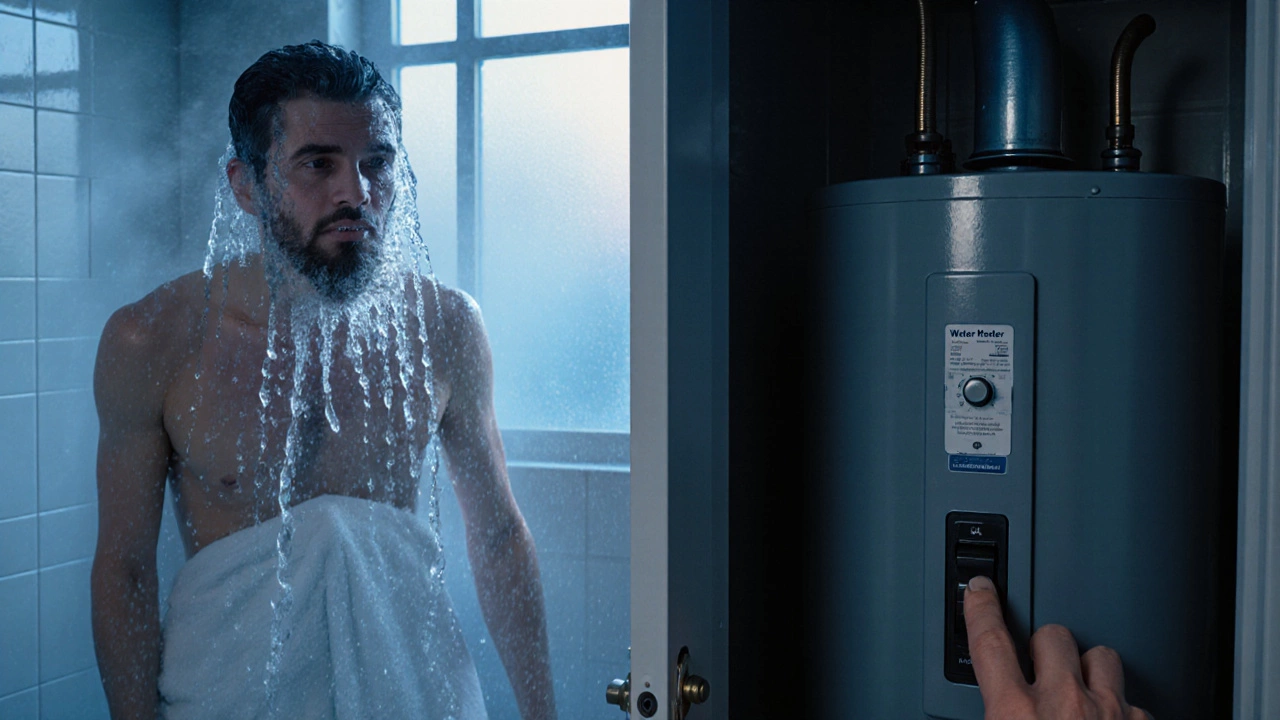
No hot water at all – The power supply might be off, the pilot light could be out, or the breaker may have tripped.
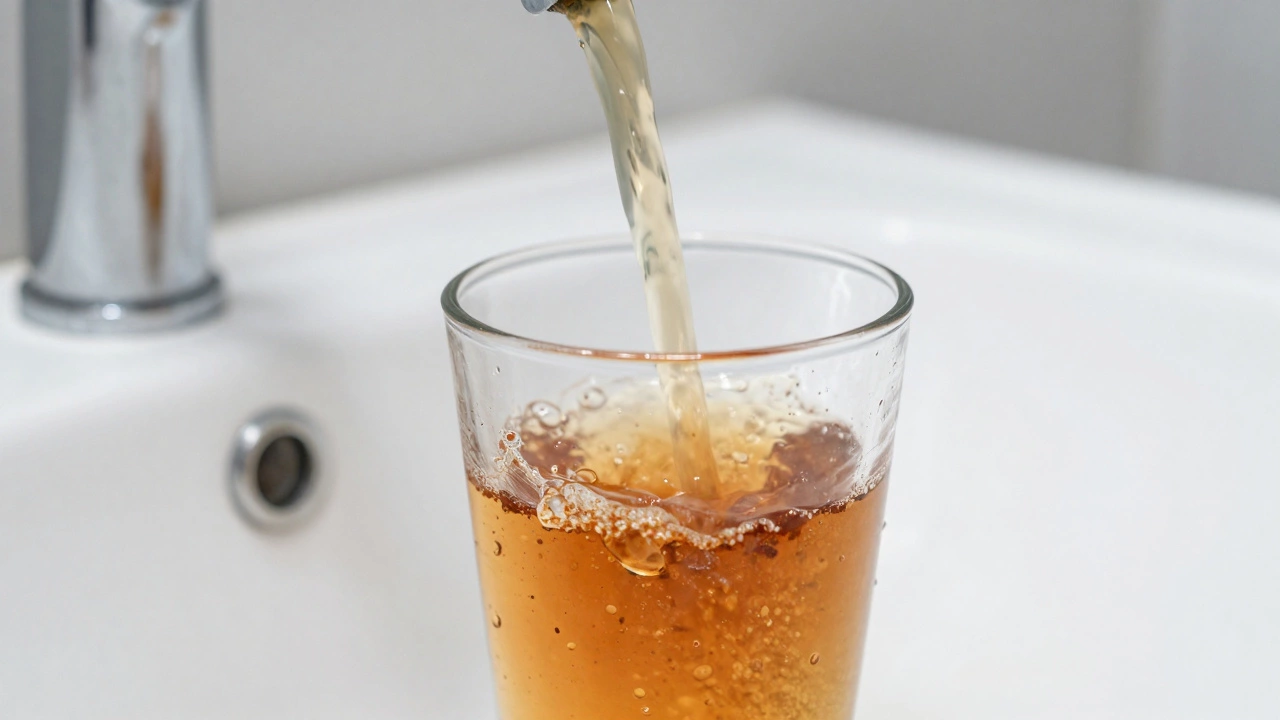
Lukewarm water – The thermostat could be set too low, the heating element may be failing, or sediment buildup is stealing heat.
Strange noises – Hissing or popping often means mineral deposits are rattling inside the tank.
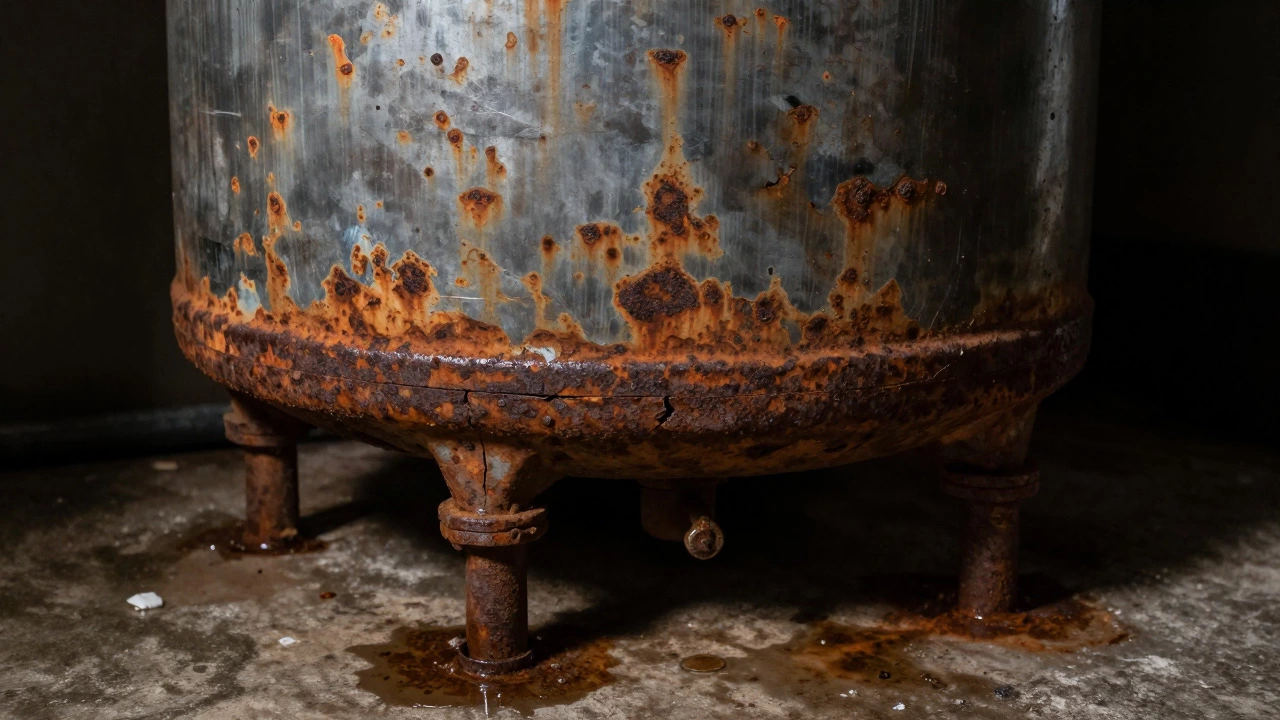
Leaks around the base – A loose drain valve or a cracked tank needs immediate attention.
Water smells like rotten eggs – That’s usually a bacteria problem; a quick flush can clear it.
Give each of these a look before you grab any tools. A visual inspection and a simple test (like flipping the breaker) can rule out the easy fixes.
DIY Fixes You Can Try Safely
If the problem looks minor, follow these steps. Always turn off the power or gas first – safety first.
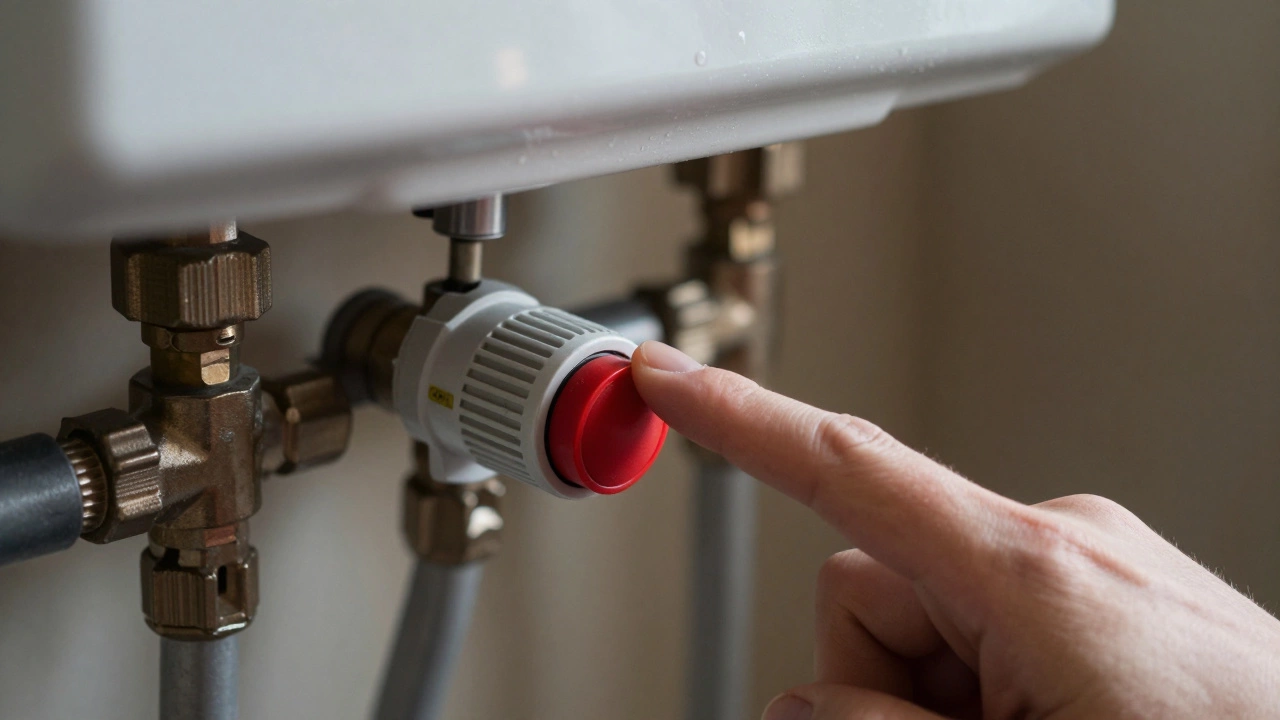
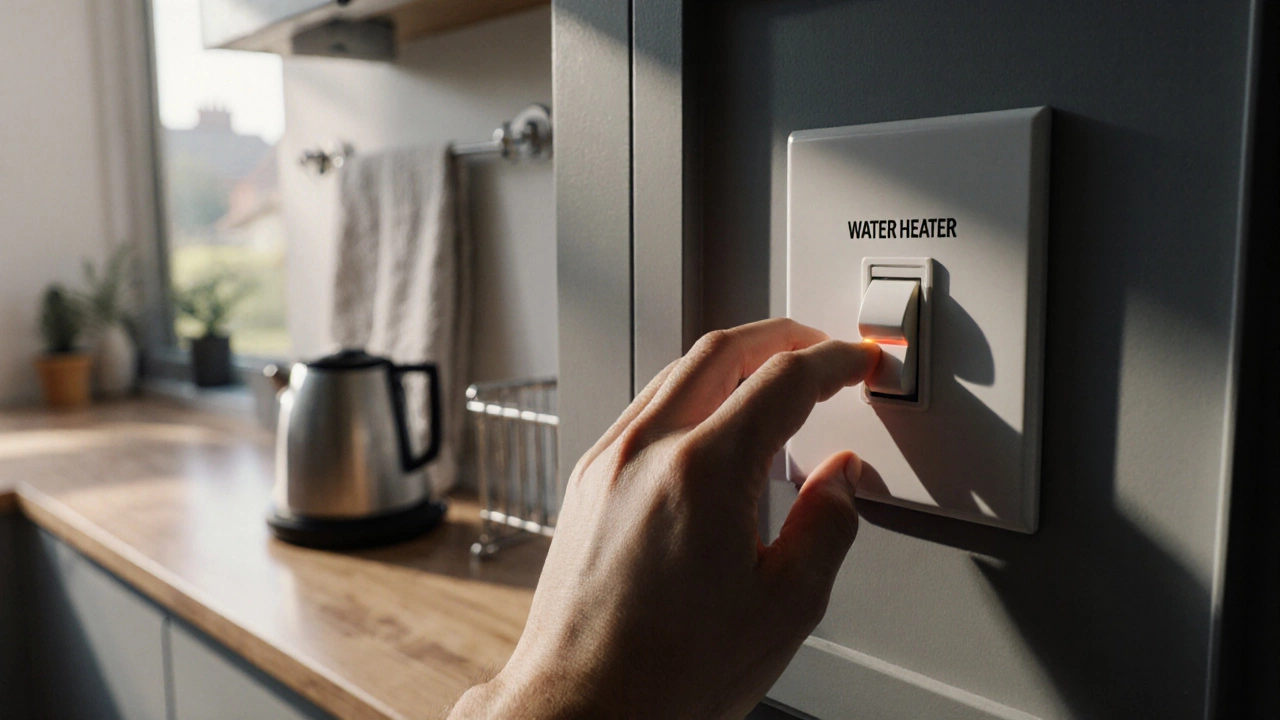
Reset the water heater. For electric models, locate the reset button near the thermostat and press it. If the breaker tripped, flip it back on. For gas units, turn the gas valve to “off", wait a minute, then relight the pilot according to the manufacturer’s guide.
Check the thermostat settings. Set it to 120°F (49°C) for comfort and efficiency. If the dial is stuck, gently wiggle it while the power is off.
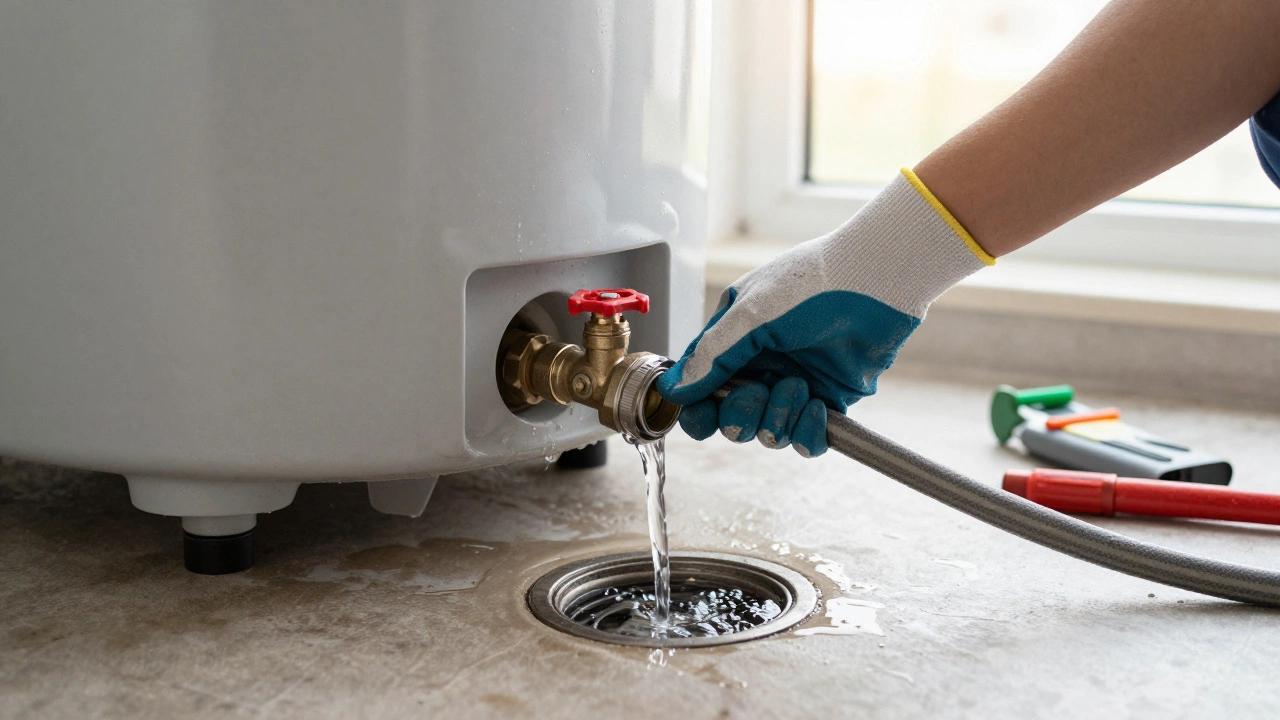
Flush the tank. Drain a few gallons into a bucket, then close the drain valve, refill, and repeat. This clears sediment that can cause noise and lower heating performance.
Tighten connections. Look at the inlet and outlet pipes – a loose nut can cause leaks. Use a wrench, but don’t over‑tighten.
Inspect the heating element (electric only). After draining the tank, remove the element and test it with a multimeter. A reading of infinity means the element is bad and needs replacing.
If any step feels beyond your comfort level, stop and call a pro. Working with gas or electricity can be dangerous without proper training.
When you do need a professional, choose someone local who knows Northampton’s water systems. A qualified technician can diagnose hidden issues like a failing dip tube or a cracked tank—problems that DIY fixes won’t solve.
Quick signs you should call an expert:
Water keeps leaking after you’ve tightened fittings.
The heater makes loud, constant grinding noises.
Age exceeds 10‑12 years and repairs keep popping up.
You smell gas or notice a rotten‑egg odor after a reset.
Getting help early saves you from a cold‑water emergency and can extend the life of your heater. A trusted Northampton service will arrive promptly, explain the issue in plain language, and give you a clear price before work starts.
Bottom line: many water heater hiccups are fixable in 30 minutes with a screwdriver and a bit of know‑how. But if you’re unsure, a licensed repair specialist is the safest bet. Keep this guide handy, and you’ll spend less time shivering and more time enjoying hot showers.
Can a hot water heater last 30 years? We explore lifespans of tank vs tankless heaters, warning signs of failure, maintenance tips, and when to replace your unit in Auckland.
Discover the most common causes of no hot water, from pilot light failures to tripped switches. Learn how to troubleshoot your gas or electric water heater in Auckland.
Learn the critical warning signs your hot water heater is failing-from rusty water to strange noises-and find out when to repair versus replace your unit.
Regular water heater maintenance like flushing the tank, checking the anode rod, and testing the pressure valve can prevent costly repairs and extend your unit's life. Simple annual tasks save energy and avoid unexpected breakdowns.
Struggling with a hot water heater that won't kick on? Get straight answers, common reasons, and realistic fixes. Cut through the guesswork and get your hot showers back.
Baffled by your hot water turning cold all of a sudden? This article digs into the most common causes, how to fix them, and tips you wish you knew sooner.
Is your hot water running cold? Discover how to tell if a hot water heater element is bad with practical signs, tips, and DIY troubleshooting anyone can follow.
Suddenly cold showers? This article gets straight to the point on what to check when your hot water heater stops working. It covers step-by-step troubleshooting, common problems, repair tips, and when to call a pro. You'll get practical advice even if you're not the fix-it type—and maybe save time or cash. Skip the jargon and get back to enjoying those steamy showers.