
Water Heater Health Diagnostic Tool
Select the symptoms you are experiencing and enter the age of your unit to receive a diagnostic recommendation.
Symptoms
Unit Age
Analysis Result
Please select symptoms to begin.
Recommended Action:
--
Quick Cheat Sheet: Is Your Heater Dying?
- Rusty Water: Brown or orange tints in your hot water.
- Temperature Drops: Showers get cold faster than they used to.
- Strange Noises: Popping, banging, or rumbling from the tank.
- Puddles: Water pooling around the base of the unit.
- Age: The unit is older than 10-12 years.
The Color of Your Water Tells a Story
One of the most obvious red flags is when your water starts looking like tea. If you turn on the hot tap and see a brownish or orange tint, you're likely looking at oxidized steel. Inside your tank, there is a Anode Rod is a sacrificial metal rod designed to attract corrosive elements and protect the steel tank from rusting. Once that rod is completely eaten away, the water starts attacking the tank itself.
When the inner lining of the tank corrodes, rust flakes off into the water supply. This isn't just an aesthetic problem; once the rust creates a hole in the tank, the unit is toast. You can't patch a tank; you have to replace it. If you notice this color change, it's time to check your anode rod or start shopping for a new unit.
Why Your Shower Is Getting Colder Faster
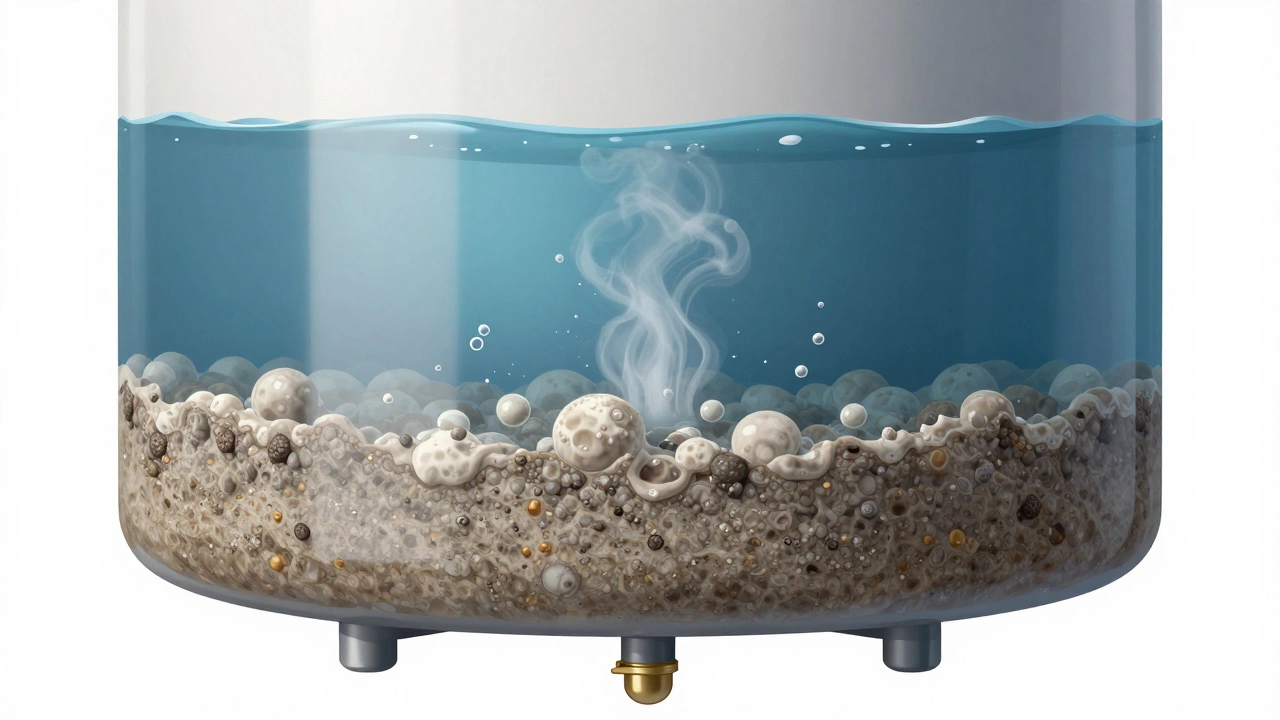
Do you find yourself fighting for the last few minutes of hot water? If your Water Heater is an appliance used to heat and store water for domestic use, typically using electricity or natural gas and you're suddenly running out of heat, you're dealing with sediment buildup. Over time, minerals like calcium and magnesium settle at the bottom of the tank, creating a thick layer of sludge.
This sludge acts as an insulator. For gas heaters, the flame has to heat the sediment before it can heat the water. For electric heaters, the Heating Element is an electrical component that converts energy into heat to warm the water in the tank gets buried in this gunk, making it work twice as hard to do half the job. This leads to a noticeable drop in efficiency and a shorter lifespan for the appliance.
Listening to the "Ghost" in Your Tank
If your water heater sounds like there's a popcorn machine inside, don't ignore it. Those popping or rumbling noises are actually caused by the sediment we mentioned earlier. When water gets trapped under a layer of sediment, it boils and turns into steam bubbles. These bubbles eventually burst through the sediment layer, creating that loud "pop" or "bang."
While a little bit of noise is common in older units, frequent loud bangs mean the sediment layer is significant. This puts immense pressure on the tank's walls and forces the components to overheat. If you hear this, a professional flush might save the unit, but if the noises are accompanied by leaks, the structural integrity of the tank is likely gone.
The Danger of Puddles and Leaks
Not all leaks are created equal. If you see a small drip around the top, it might just be a loose Temperature and Pressure Relief Valve is a safety device designed to discharge water and air to prevent the tank from exploding due to excessive heat or pressure or a faulty pipe connection. Those are easy fixes.
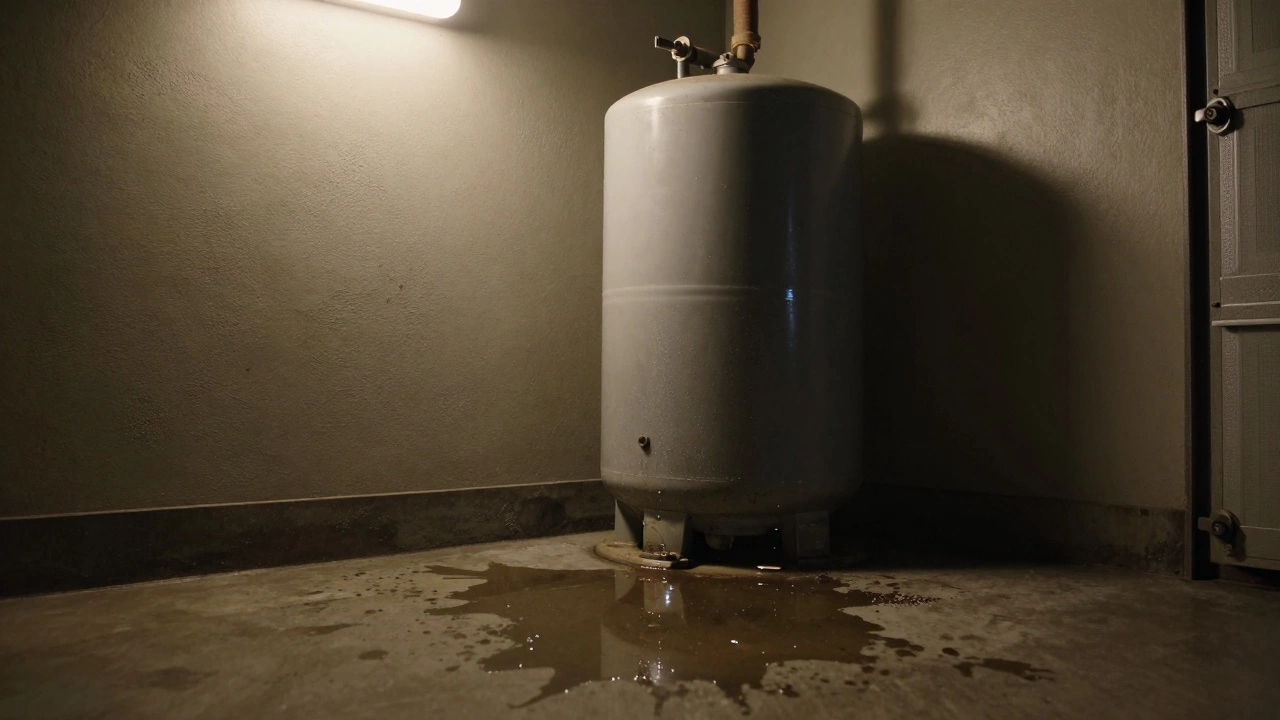
However, if you find water pooling at the bottom of the tank, you're in trouble. A leak from the bottom usually means the internal lining has failed. Because the tank is a sealed unit, there is no way to weld or seal a leak from the outside. At this point, your water heater signs of failure have reached the critical stage. Turning it off and calling a pro is the only move left to avoid a catastrophic burst.
| Symptom | Likely Cause | Fixability | Urgency |
|---|---|---|---|
| Brown Water | Corroded Anode Rod / Tank Rust | Low (if tank is rusted) | Medium |
| Popping Noises | Sediment Buildup | High (Flush the tank) | Medium |
| Cold Water Fast | Sediment or Element Failure | Medium (Replace element) | Medium |
| Bottom Leak | Tank Corrosion/Rupture | Impossible | High |
The Age Factor: When to Stop Fighting
Most traditional tank-style water heaters have a lifespan of 8 to 12 years. If your unit is pushing 12 years old and you start noticing any of the signs above, stop trying to repair it. Spending $300 on a new heating element or a complex flush for a decade-old tank is often throwing good money after bad.
Modern units are far more efficient. If you're upgrading, you might consider a Tankless Water Heater is an energy-efficient system that heats water on demand rather than storing it in a tank. These eliminate the sediment and rust issues entirely because they don't store water. While the upfront cost is higher, the long-term savings on energy and the lack of a giant leaking tank in your garage make it a smart move for most homeowners.
How to Extend the Life of Your Heater
You don't have to just wait for the crash. A little maintenance goes a long way. The most impactful thing you can do is flush your tank once a year. By draining the tank, you push out the sediment that causes those popping noises and efficiency drops.
Additionally, check your anode rod every three years. If it looks like a shriveled piece of wire instead of a thick rod, replace it. A $50 rod can add five years to the life of a $1,000 tank. It's the best insurance policy you can buy for your plumbing system.
Can I just patch a leak in my water heater tank?
No. Water heaters are pressurized vessels. Any attempt to patch a leak with epoxy or sealant will fail because the pressure from the water will simply push the patch out. Once the tank itself leaks, the only safe solution is replacement.
Is it normal for my water heater to make some noise?
A little bit of expansion noise is normal, but loud popping, banging, or knocking is a sign of sediment buildup. This indicates that minerals are coating the bottom of the tank, which reduces efficiency and can eventually lead to tank failure.
How do I know if my heating element is burnt out?
If you have an electric heater and you have plenty of warm water but it quickly turns lukewarm, one of your two heating elements has likely failed. A technician can test this with a multimeter to see if the element is still drawing power.
Does the color of the water always mean the tank is rusting?
Not always, but usually. If the water is only brown for a few seconds and then clears up, it might be rust in your pipes. However, if the water stays brown specifically from the hot water tap, it's almost certainly the tank's interior lining corroding.
What is the average cost to replace a water heater?
Depending on the capacity and fuel source, a standard tank replacement typically ranges from $800 to $2,000 including labor. Tankless options are usually more expensive, often starting around $1,500 and going up based on the home's demand.