Water Heater Repair in Northampton – Quick, Reliable Service
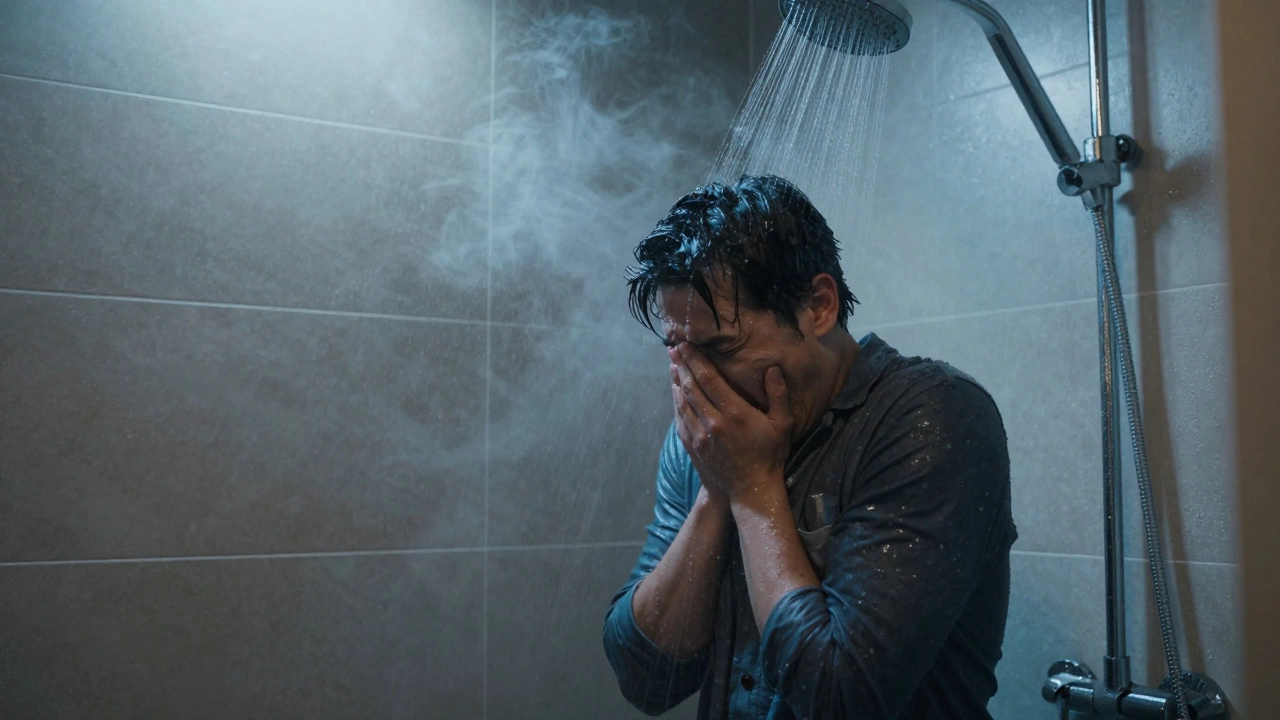
If your shower feels more like a cold rinse than a warm start, you’re probably dealing with a water heater problem. Most folks don’t think about their heater until it stops working, but a few simple checks can save time and money. Below you’ll find the most common issues, quick DIY steps, and clear signs it’s time to call a pro.
Common Water Heater Problems
1. No hot water at all – The first thing to check is the power source. For electric units, make sure the breaker hasn’t tripped. For gas models, verify the pilot light is lit. If both look fine, the thermostat or heating element may be the culprit.
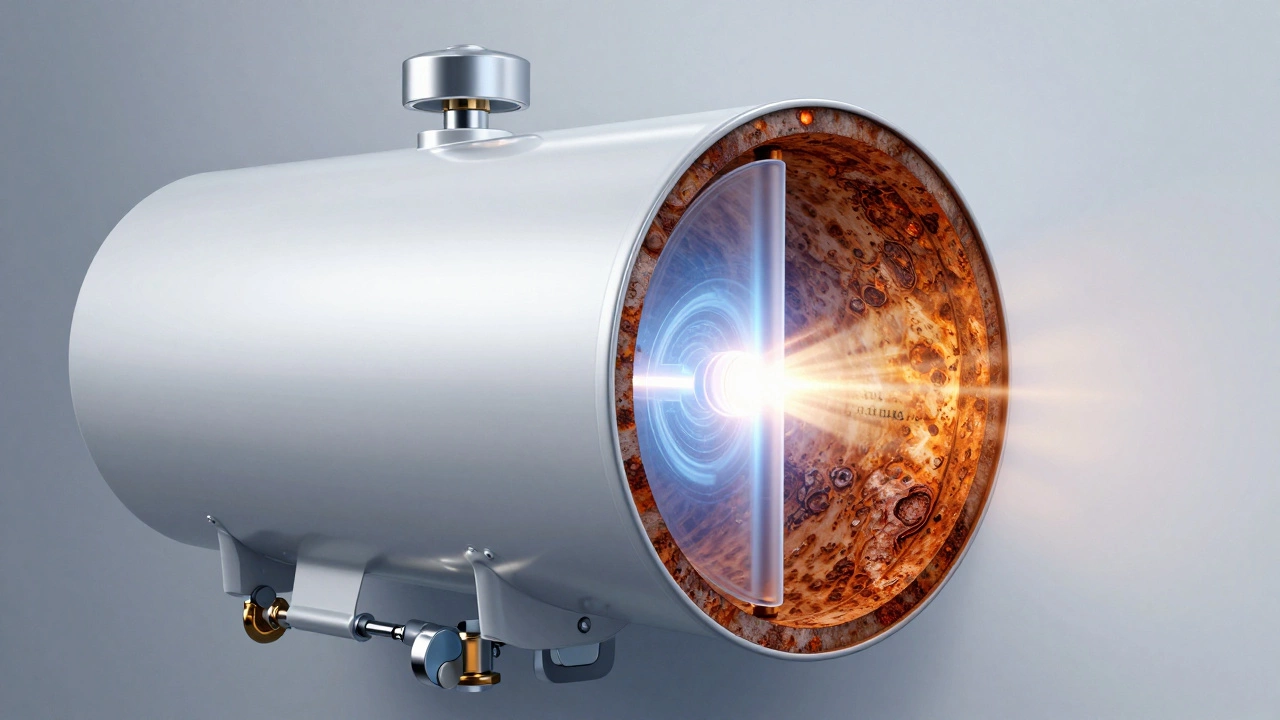
2. Hot water runs out quickly – Sediment buildup in the tank reduces capacity and makes the heater work harder. Flushing the tank once a year can restore performance. If the water still runs out fast, the dip tube could be cracked, letting cold water mix with hot water too early.
3. Strange noises – Rumbling, popping, or hissing usually means mineral deposits are heating and expanding. A thorough flush often quiets the tank, but if the noise persists, the heating element might need replacement.
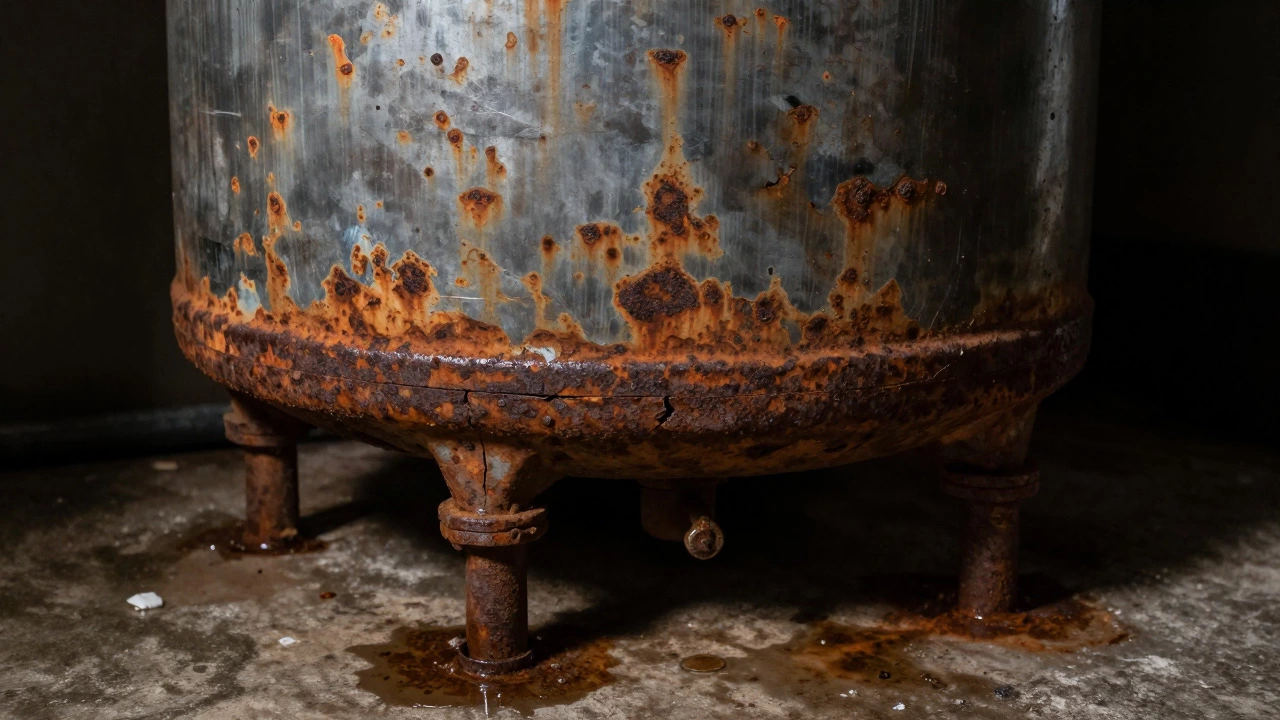
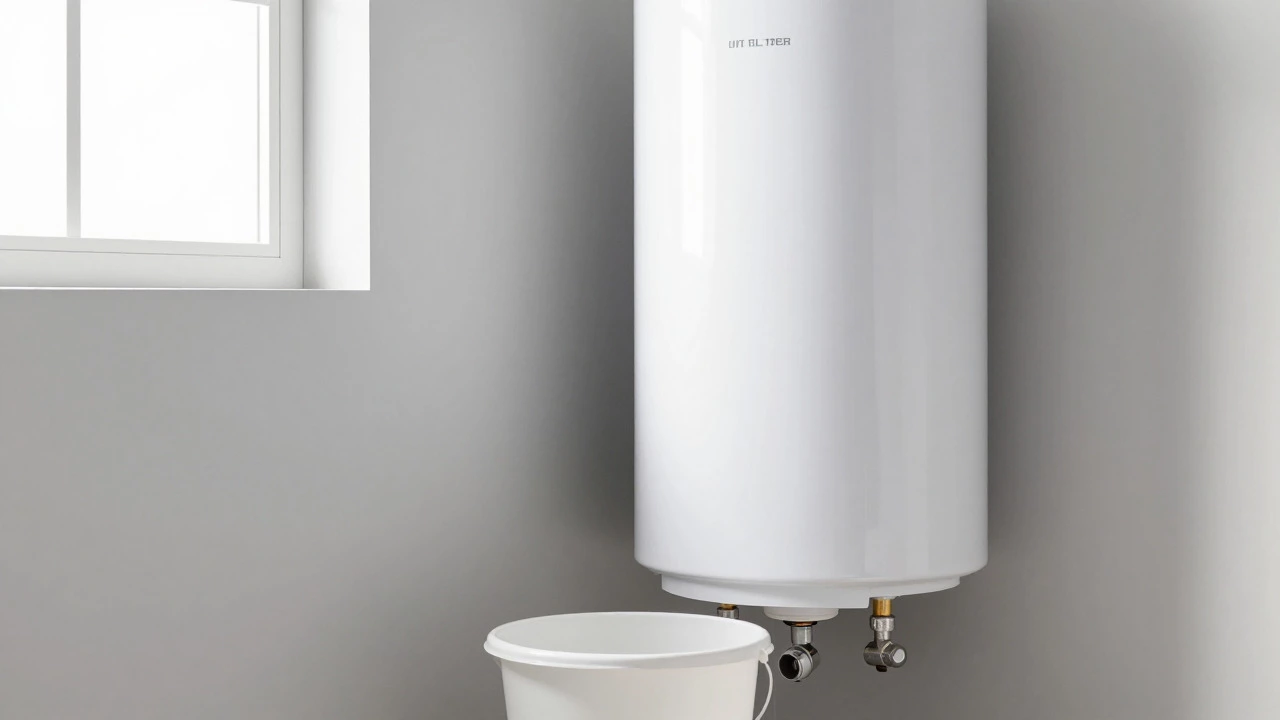
4. Leaks – Leaking from the top often points to a faulty pressure‑relief valve, while a drip at the bottom usually means the tank itself is corroded. Small leaks can be tightened, but a leaking tank usually means replacement.
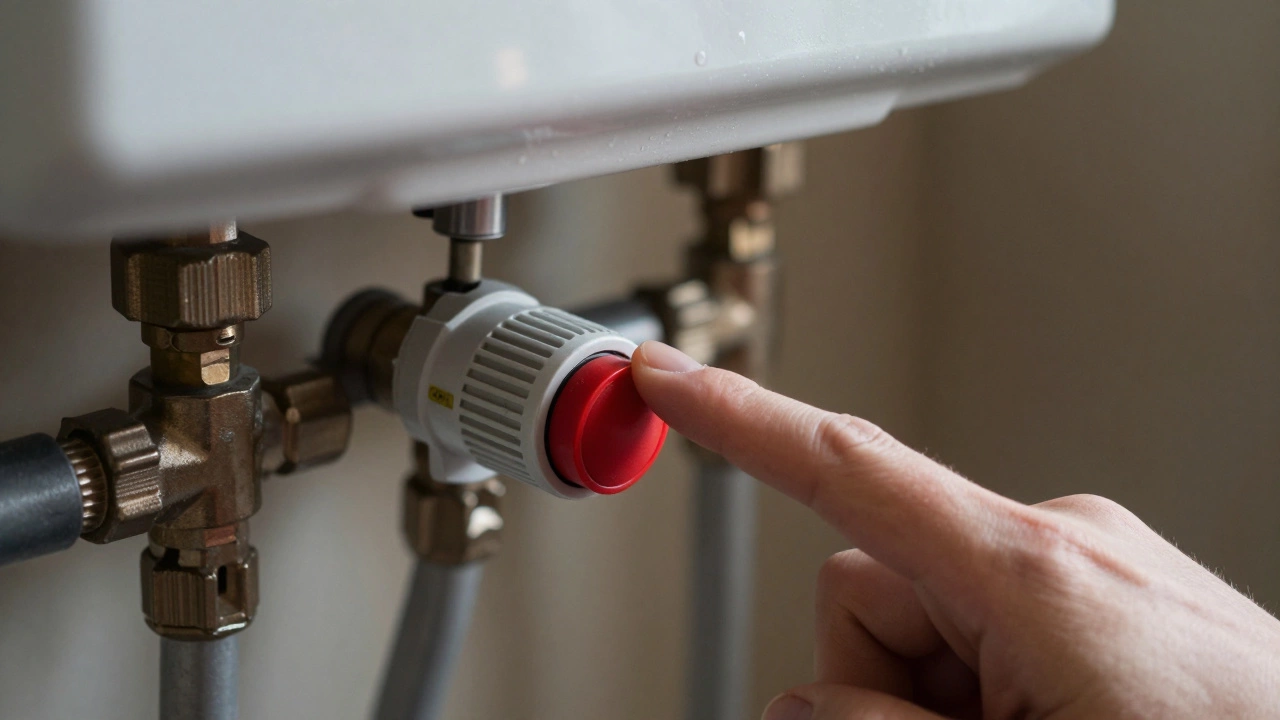
5. Water too hot or not hot enough – Thermostat settings that are too low or too high cause temperature swings. Adjust the dial to the manufacturer’s recommended setting (usually around 120°F or 49°C). If the temperature still feels off, the thermostat or heating element may be failing.
When to Call a Professional
While many basics are DIY‑friendly, some tasks are best left to a qualified technician. If you encounter any of the following, pick up the phone:
Repeated breaker trips or gas smell – electrical and gas safety are not something to gamble with.
Persistent leaks after tightening connections – water damage can spread quickly.
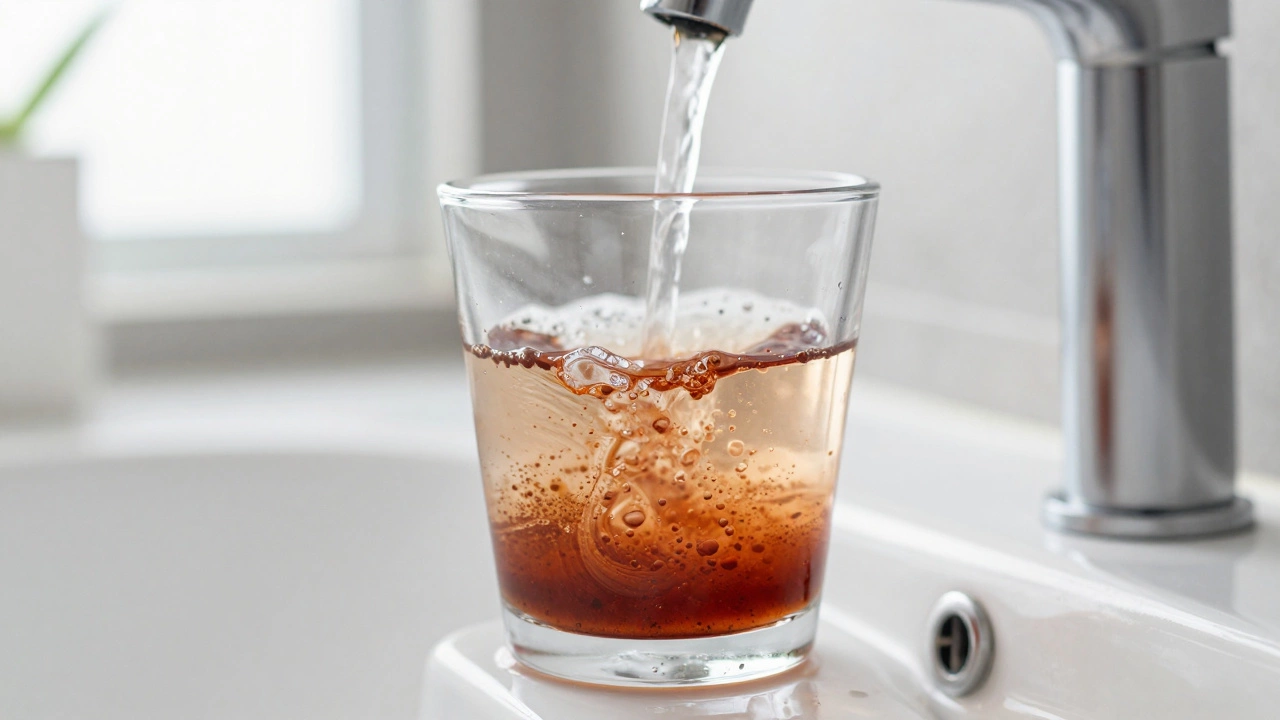
Corroded or rust‑colored water – could indicate a failing anode rod, which needs replacement.
Complex part swaps like the heating element, thermostat, or pressure‑relief valve – specialized tools and knowledge make the job smoother.
Our Northampton team has the right tools and experience to diagnose and fix any heater issue on the spot. We carry common parts, so most repairs are done in a single visit, keeping you warm without a long wait.
Remember, regular maintenance is the cheapest way to avoid surprise cold showers. A quick annual flush, checking the pressure‑relief valve, and watching for early signs of wear can extend the life of your unit by years.
Ready to get your hot water back? Give us a call, and we’ll schedule a fast, friendly service that gets you back to comfortable showers in no time.
Can a hot water heater last 30 years? We explore lifespans of tank vs tankless heaters, warning signs of failure, maintenance tips, and when to replace your unit in Auckland.
Learn how to tell if a water heater element is bad using visual checks and multimeter tests. Identify signs like lukewarm water, popping noises, and high bills. Step-by-step guide for safe diagnosis and repair.
Discover the key signs your hot water heater needs replacement, including leaks, noises, and age factors. Learn repair vs. replace costs in Auckland 2026.
Shower cold but other taps hot? Don't blame the heater. We explain how mixer valves, TMVs, and clogged heads cause this issue and how to fix it yourself.
Discover the most common causes of no hot water, from pilot light failures to tripped switches. Learn how to troubleshoot your gas or electric water heater in Auckland.
Lost your hot water? Don't panic. The first thing to check is the thermostat setting, followed by power supply and pilot lights. Learn quick, safe troubleshooting steps to restore heat before calling a pro.
Discover why your hot water heater suddenly stopped working. Learn how to troubleshoot common issues like pilot lights, thermostats, and sediment buildup to save money on repairs.
Is your hot water smelling like eggs or looking rusty? Learn the warning signs of a bad anode rod and how to inspect your water heater to prevent costly tank leaks.
Learn the critical warning signs your hot water heater is failing-from rusty water to strange noises-and find out when to repair versus replace your unit.
Learn how often to replace your water heater anode rod to prevent tank corrosion. Expert tips on magnesium vs aluminum rods and step-by-step replacement.