Shower Hot Water Diagnostic Tool
Is your shower delivering cold water while the rest of the house is fine? Let's diagnose the issue step-by-step.
1. The Easy Fix: Clogged Showerhead?
Check FirstIf the nozzles are packed with sediment or limescale, hot water (which travels further) may struggle to push through while cold water forces its way out.
2. Do you have a bathtub?
In tub-shower combos, a faulty diverter valve can create a bottleneck that blocks hot water or sends it down the drain instead of up to the shower.
3. What type of handle controls your shower?
The mechanism inside determines how likely certain parts are to fail.
4. Check the Basics: Isolation Valves
Sometimes valves behind an access panel or near the floor get bumped or left partially closed after maintenance.
Diagnosis Complete
Most Likely Cause:
Explanation:
Recommended Solution:
Estimated Cost:
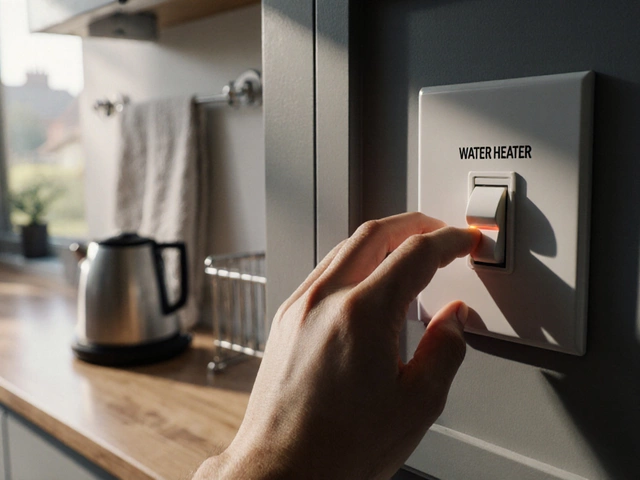
You turn the handle, expecting a warm blast to wash away the stress of the day. Instead, you get a shock of ice-cold water. You check the kitchen tap-perfectly hot. The bathroom sink? Steaming. It’s just your shower that refuses to cooperate. This specific frustration is one of the most common plumbing mysteries homeowners face. If the rest of your house has hot water, your water heater is likely doing its job. The problem isn’t the source; it’s the delivery system specifically for that fixture.
This situation usually points to a localized failure within the shower assembly itself. While it can feel like a major emergency, the good news is that the diagnosis is often straightforward. By systematically checking the components between the wall and the nozzle, you can pinpoint exactly why your shower is acting up without calling a plumber immediately.
The Single-Handle Mixer Valve Failure
If you have a modern shower with a single lever or handle that controls both temperature and flow, the culprit is almost certainly the internal cartridge or diverter mechanism inside the wall. These valves rely on a plastic or ceramic insert to mix hot and cold water before sending it to the showerhead. Over time, mineral deposits from hard water can jam this mechanism, or the rubber seals inside can degrade and snap.
When this happens, the valve might physically move, but internally, it fails to open the path for the hot water line. You are essentially getting only cold water because the hot side is blocked shut. In Auckland, where we deal with varying water hardness levels, lime scale buildup is a frequent offender. If your other taps work fine, but this specific mixer doesn't, replacing the cartridge is often the fix. It’s a relatively inexpensive part, though accessing it requires removing the trim plate behind the handle.
Faulty Thermostatic Mixing Valves (TMVs)
Many newer homes in New Zealand are equipped with Thermostatic Mixing Valves (TMV). These devices are designed to prevent scalding by automatically adjusting the ratio of hot to cold water to maintain a safe, constant temperature. They are fantastic for safety, but they are also sensitive mechanical devices that can fail.
A TMV has a wax element or a bimetallic strip that expands when it senses heat. If this sensor gets stuck, corroded, or simply wears out, the valve may lock into a 'cold' position as a safety precaution. Even if hot water is flowing through the pipes behind the wall, the TMV blocks it from reaching the shower outlet. You might notice that the water pressure feels weak even when it's cold, which is another sign the valve is restricting flow. Unlike a standard mixer, a TMV cannot be easily repaired; if it’s faulty, the entire unit needs replacement by a qualified plumber to ensure compliance with local health and safety standards.
Clogged Showerheads and Flow Restrictors
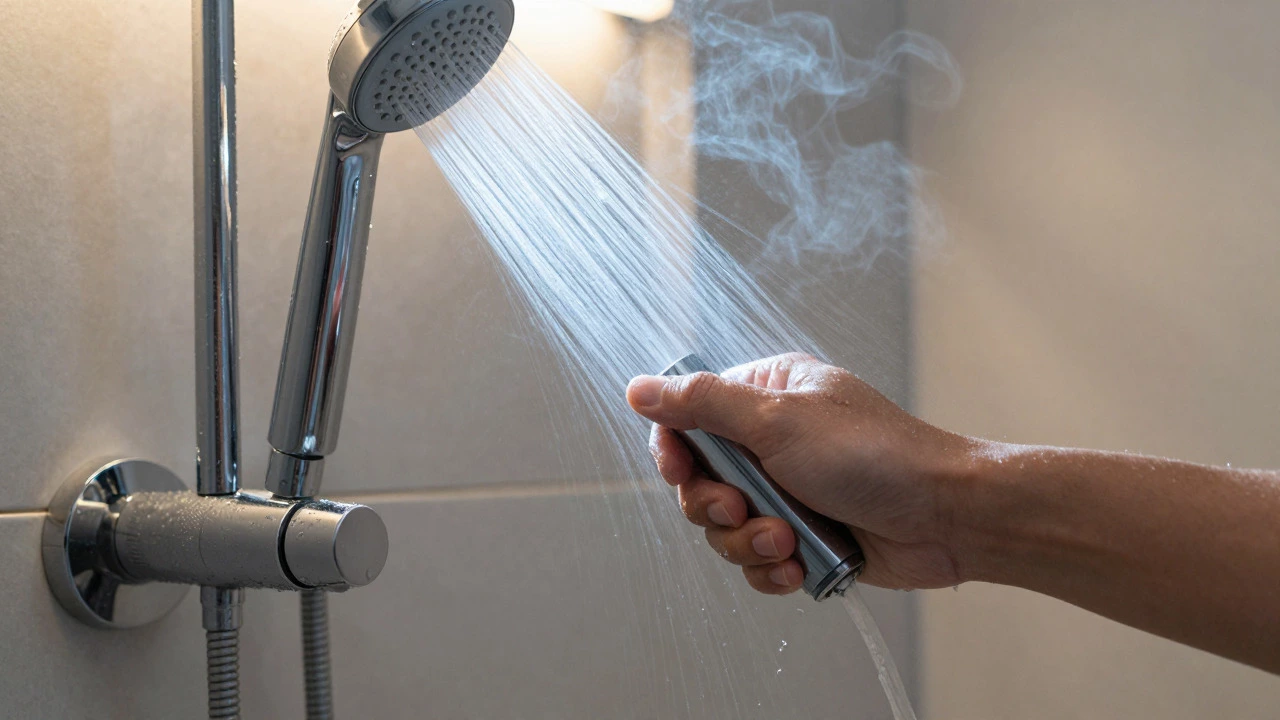
Before you tear open any walls, look at the showerhead itself. It sounds too simple to be true, but a severely clogged showerhead can mimic the symptoms of a broken heater. If the nozzles are packed with sediment, rust, or limescale, the water pressure drops significantly. Sometimes, the resistance is so high that the hot water, which travels further from the heater and loses pressure more quickly, simply can’t push through the blockage effectively. The cold water, being closer to the mains supply and often under higher static pressure, forces its way through.
Additionally, many modern showerheads have built-in flow restrictors to save water. These small discs can become dislodged or clogged. Try disconnecting the shower hose (if you have a handheld unit) and turning on the hot water. If you get a strong stream of hot water directly from the hose, your showerhead is the problem. Soaking it in white vinegar for an hour can dissolve the calcium deposits and restore normal function.
Diverter Valve Issues in Tub-Shower Combos
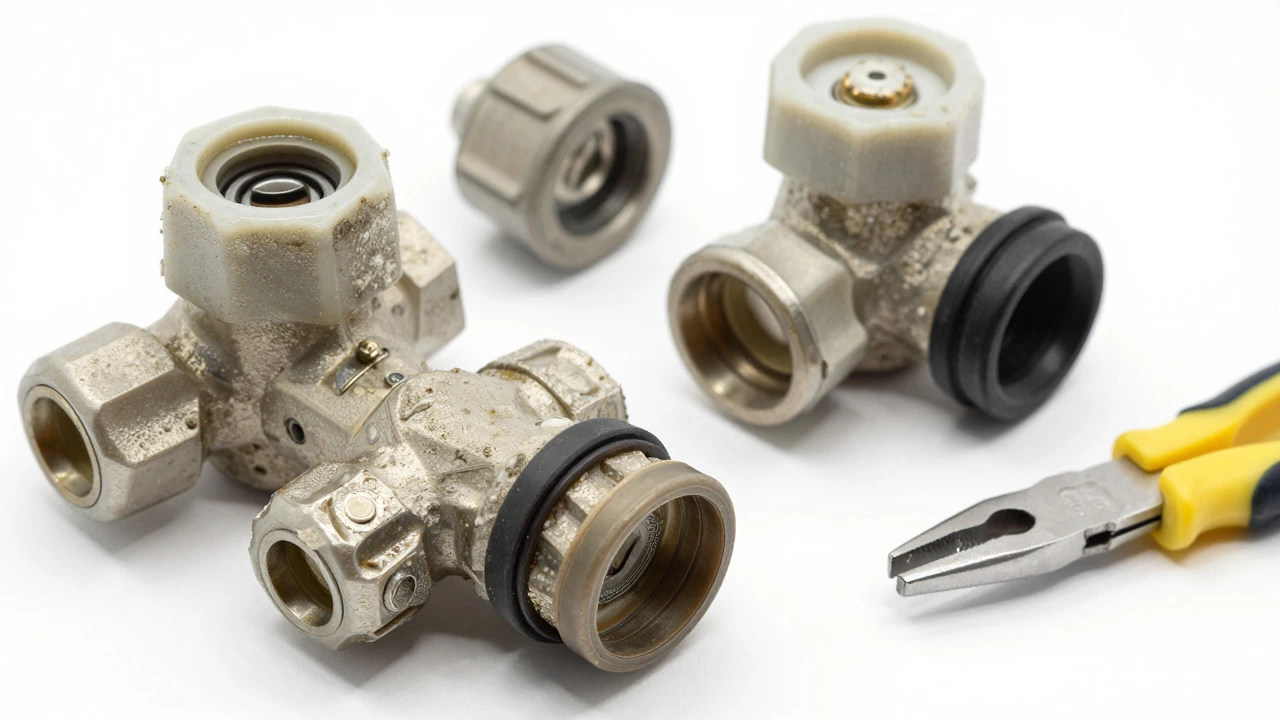
If your setup includes a bathtub with a shower above it, there is a diverter valve involved. This mechanism redirects water from the tub spout up to the showerhead. Older models use a spring-loaded ball or a flipper that you pull up. Newer ones might be integrated into the main handle.
When the diverter seal fails, water leaks down to the tub spout instead of going up to the shower. More critically, if the diverter is partially stuck, it can create a bottleneck. Hot water, having traveled a longer distance and potentially losing some thermal energy and pressure, might struggle to navigate a restricted diverter path compared to the immediate surge of cold water. You might hear a gurgling sound coming from the tub spout while trying to shower-that’s air trapped in the line due to poor diversion. Cleaning or replacing the diverter valve stem is usually required here.
Check the Isolation Valves
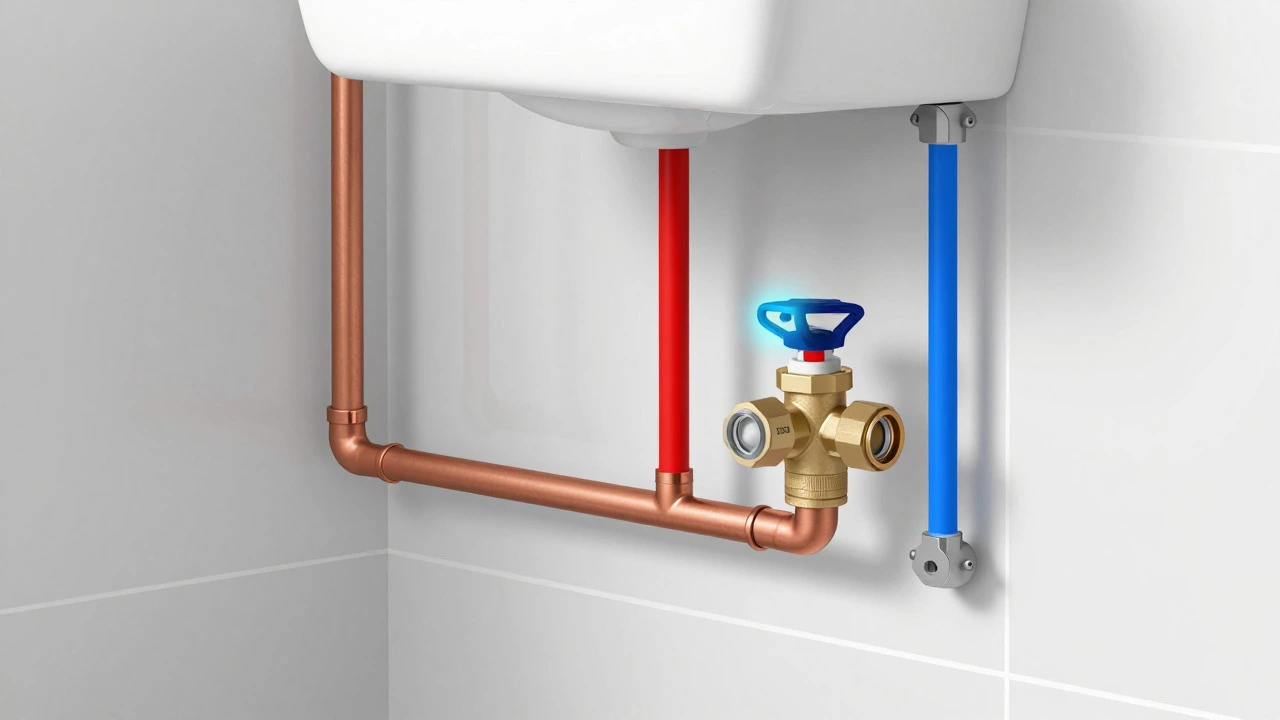
It is easy to overlook the basics when panic sets in. Check if there are isolation valves (stopcocks) specifically for the shower. Some installations include angle valves behind the access panel or near the floor to allow for maintenance without shutting off the house’s water supply. If someone recently worked on the shower or nearby plumbing, one of these valves might have been left partially closed or accidentally turned off. Ensure both the hot and cold isolation valves for the shower are fully open. A half-open valve can drastically reduce pressure, affecting hot water performance more than cold.
Comparison: Common Causes of Cold Showers
| Symptom | Likely Cause | Difficulty Level | Solution |
|---|---|---|---|
| Only shower is cold; other taps hot | Mixer Cartridge Failure | Medium | Replace internal cartridge |
| Weak pressure, lukewarm/cold mix | Clogged Showerhead | Easy | Soak in vinegar or replace head |
| Gurgling noise, water comes out of tub spout | Bad Diverter Valve | Medium | Clean or replace diverter stem |
| Sudden drop in temp, safety lockout | Failed TMV | Hard | Call a licensed plumber |
| No hot water anywhere in house | Water Heater Issue | Hard | Check thermostat/gas supply |
When to Call a Professional
While checking the showerhead and ensuring valves are open are safe DIY tasks, opening up the wall to replace a cartridge or TMV involves plumbing codes and potential water damage risks. In New Zealand, work involving gas lines or significant alterations to pressurized systems often requires a licensed Gaswork Fitter or Plumber. If you suspect the issue is deeper than the visible fixtures-such as a leak behind the wall or a complex TMV installation-it is wise to call a professional. They have the tools to test pressure differentials and ensure the new parts are sealed correctly.
Also, consider the age of your home. Older plumbing systems may have galvanized steel pipes that corrode from the inside out. If your shower lines are narrow due to rust buildup, even a perfect valve won't deliver enough hot water volume. This requires repiping, a larger project that needs expert assessment.
Can a bad water heater cause only the shower to have cold water?
It is highly unlikely. If your water heater were failing, you would typically experience low hot water volume or lukewarm water across all fixtures in the house. If the kitchen and bathroom sinks have hot water, the heater is functioning correctly. The issue is isolated to the shower's plumbing or valve assembly.
How much does it cost to fix a shower valve?
Replacing a simple mixer cartridge can cost between $50 and $150 for parts, plus labor if you hire a plumber. Replacing a Thermostatic Mixing Valve (TMV) is more expensive, often ranging from $300 to $600 including installation, due to the complexity and regulatory requirements for safe installation.
Will cleaning my showerhead fix the temperature issue?
Yes, if the issue is caused by mineral buildup restricting flow. Clogged nozzles reduce pressure, which can disproportionately affect hot water delivery. Soaking the showerhead in vinegar for 30-60 minutes can dissolve calcium deposits and restore proper flow and temperature balance.
What is a TMV and why does it fail?
A Thermostatic Mixing Valve (TMV) mixes hot and cold water to a set safe temperature. It fails due to wear and tear on internal sensors, mineral buildup jamming the mechanism, or corrosion. When it fails, it often defaults to a cold-only state to prevent scalding, resulting in no hot water at the shower.
Is it safe to replace a shower cartridge myself?
For most people with basic DIY skills, yes. You need to turn off the water supply, remove the handle, and swap the old cartridge for a new one. However, if you encounter corroded pipes or lack the correct tools, it is safer to call a plumber to avoid causing a leak behind the wall.