No Hot Water? Interactive Troubleshooter
The First Thing to Check: The Thermostat
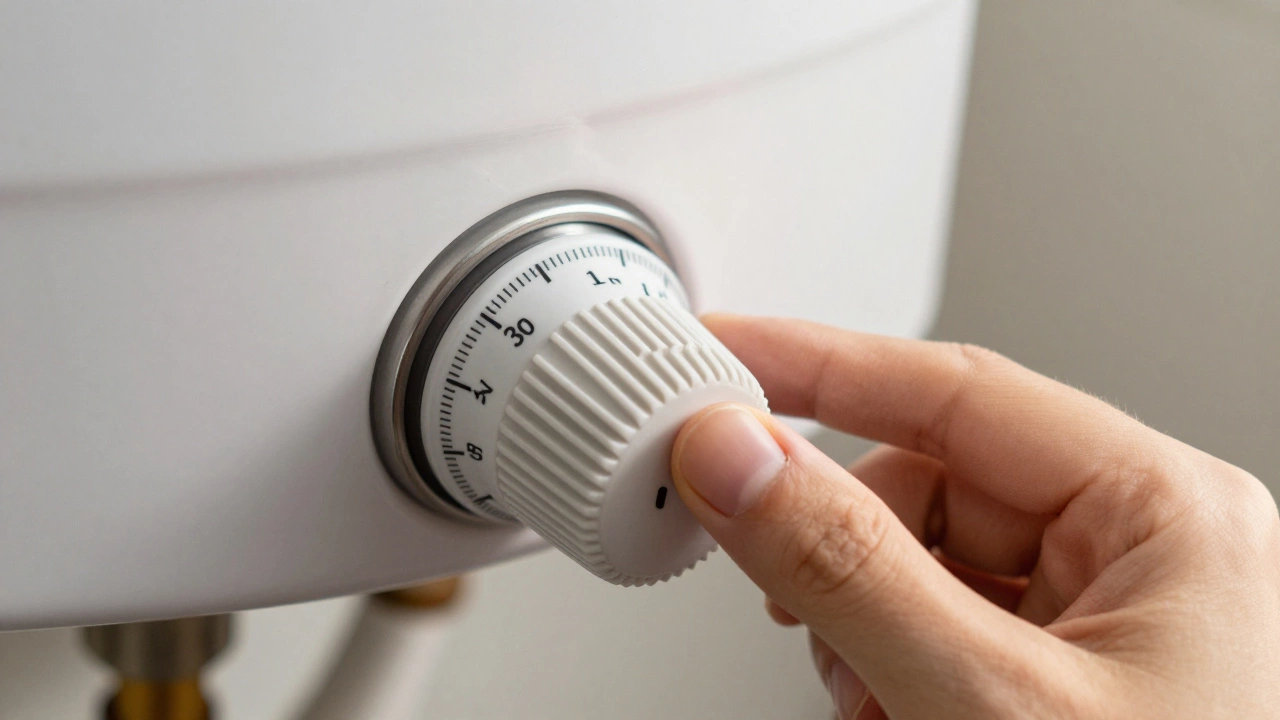
Before assuming the worst, check the control dial or digital interface. This is the culprit in nearly 30% of "broken" cases.
- Electric Storage: Look for two dials behind the access panel (top and bottom elements). Ensure both are turned up.
- Gas Instantaneous: Check the digital display. If an "Eco" button is lit, it lowers output to save energy, resulting in lukewarm water.
Power and Fuel: The Lifeblood
If the thermostat is correct but the water is still cold, check if the unit is actually receiving energy.
Flow Rate and Demand
Is the water hot for a few seconds then turning cold? Or does it drop when someone flushes the toilet?
This is often a demand issue, not a broken heater.
- Instantaneous gas heaters have a maximum flow rate. Running multiple taps simultaneously can cause the temperature to plummet.
- Some units shut off entirely if the flow rate drops too low (e.g., adjusting a showerhead).
When to Stop DIY and Call a Pro
There is a fine line between saving money and risking safety. Do not open pressure relief valves or internal electrical components.
Signs you need a professional:
Banging or rumbling
Pooling water at base
Rusty or brown water
Breaker keeps flipping
Imagine stepping into the shower after a long day in Auckland, only to be greeted by a shock of freezing cold water. It’s one of those moments that instantly ruins your mood and makes you question everything about your home maintenance routine. Panic sets in quickly. Is it the unit breaking down? A gas leak? Or just a simple setting that got bumped? Before you spend hundreds of dollars on an emergency call-out fee for a plumber, there is actually one specific thing you should check first. And no, it’s not the complex wiring inside the tank.
The very first thing to check when there is no hot water is the thermostat the control dial or digital interface that regulates the temperature of the water heater. It sounds almost too simple, but in my experience fixing units across New Zealand, this is the culprit in nearly thirty percent of "broken" cases. Someone bumped the knob, the power tripped and reset it to minimum, or the digital display defaulted to eco-mode. If the thermostat is set below forty degrees Celsius, you won’t get any hot water at all, regardless of how well the heating element or burner is working.
Why the Thermostat is Your Best First Step
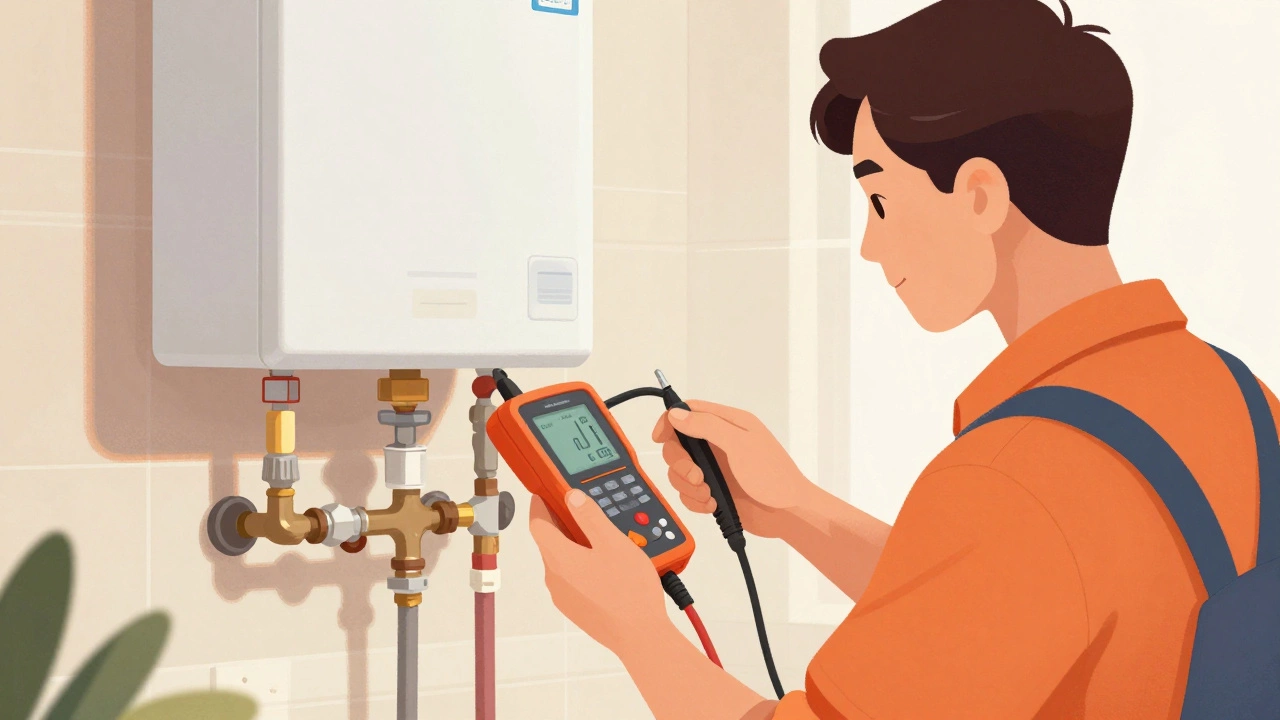
We often overlook the simplest explanations because we assume mechanical failure. When a water heater an appliance that heats water for domestic use, typically electric storage, gas instantaneous, or heat pump systems stops producing heat, our brains jump to catastrophic failures like a blown thermocouple or a cracked tank. But checking the thermostat takes ten seconds. It requires no tools, no risk of electric shock, and no disassembly of panels.
For electric storage heaters, look for two dials behind the access panel-one for the top element and one for the bottom. Both need to be turned up. For gas continuous flow units (instantaneous heaters), check the digital display. Many modern units have an "Eco" button that lowers the output to save energy. If that light is on, your water will feel lukewarm or cold, especially if you’re running multiple taps simultaneously.
| Step | Action | Time Required | Risk Level |
|---|---|---|---|
| 1 | Check Thermostat Settings | 30 seconds | None |
| 2 | Verify Power Supply / Pilot Light | 2 minutes | Low |
| 3 | Check Circuit Breaker / Fuse Box | 1 minute | Low |
| 4 | Inspect Gas Valve (if applicable) | 1 minute | Medium |
| 5 | Call a Professional | Variable | N/A |
Power and Fuel: The Lifeblood of Heat
If the thermostat is correctly set and you’re still getting ice-cold water, move to the second most common issue: power or fuel supply. This varies depending on whether you have an electric or gas system, which is crucial to identify. In Auckland, older homes often rely on electric storage tanks, while newer builds frequently use gas instantaneous heaters or increasingly popular heat pumps energy-efficient water heating systems that extract heat from the air to warm water.
For electric units, go to your fuse box or circuit breaker board. Look for the switch labeled "Hot Water" or "HW." Sometimes, a surge in the grid can trip this breaker without tripping the main power. Flip it off and back on. If it trips immediately again, stop. That indicates a short circuit or a failed heating element, and you need a qualified electrician or plumber.
For gas units, the logic is similar but involves combustion. Check if the pilot light is lit. On older standing-pilot models, you’ll see a small glass window near the floor of the unit. If the blue flame is out, follow the manufacturer’s instructions to relight it. Be careful here. If you smell gas, do not attempt to relight it. Evacuate the area and call Gas Safe a regulatory body or service provider ensuring gas appliances are safe and compliant with standards or your emergency gas provider immediately. Modern electronic ignition units don’t have pilots; they spark when water flows. If you hear clicking but no flame, the gas valve might be closed, or the igniter could be faulty.
The Silent Culprit: Flow Rate and Demand
Here’s a scenario that catches many people off guard. You turn on the tap, and the water is hot for the first few seconds, then turns cold. Or, you take a shower, and the temperature drops drastically when someone else flushes the toilet upstairs. This isn’t necessarily a broken heater; it’s a demand issue.
Instantaneous gas heaters have a maximum flow rate they can handle. If you open the kitchen tap while showering, the unit may struggle to heat enough water for both outlets, causing the temperature to plummet. Some units will shut off entirely if the flow rate drops below a certain threshold (like when you adjust the showerhead). Check if other hot water taps are working. If only one tap is cold, the problem is likely local to that fixture-perhaps a blocked aerator or a faulty mixer valve-not the central heater.
When to Stop DIY and Call a Pro
There is a fine line between saving money and risking safety. While checking thermostats and breakers is safe, opening the pressure relief valve or accessing internal electrical components is not. In New Zealand, working on gas appliances requires a licensed gasfitter. Working on high-voltage electric heaters requires a licensed electrician. Attempting to repair these yourself can void your insurance, violate building codes, and pose serious fire or electrocution risks.
Signs that you need professional help include:
- Strange noises: Banging, popping, or rumbling sounds from the tank indicate sediment buildup or overheating elements.
- Discolored water: Rusty or brown hot water suggests internal tank corrosion.
- Leaks: Any pooling water around the base of the unit means the tank is failing or a connection has burst.
- Repeated tripping: If the circuit breaker keeps flipping back off, there is an electrical fault that needs diagnosis.
In Auckland, where humidity and coastal salt air can accelerate corrosion, regular maintenance is even more critical. A yearly inspection can prevent sudden failures during winter months when hot water is essential.
Maintenance Tips to Prevent Future Cold Showers
Prevention is always cheaper than cure. Once you’ve restored your hot water, consider these steps to keep things running smoothly:
- Flush the tank annually: For storage heaters, sediment builds up at the bottom, reducing efficiency and damaging the element. Flushing it out extends the life of the unit.
- Check the anode rod: This sacrificial metal rod protects the steel tank from rust. If it’s heavily corroded, replace it.
- Insulate pipes: In colder months, heat loss through uninsulated pipes can make hot water feel lukewarm by the time it reaches the tap. Adding foam insulation is a cheap fix.
- Monitor pressure: Ensure your home’s water pressure is within the recommended range for your heater model. Too high or too low can cause operational issues.
Is it dangerous to check the thermostat myself?
No, adjusting the external thermostat dial or digital controls is completely safe. However, never remove the outer casing to access internal wiring unless you are a qualified professional. Electric water heaters carry lethal voltages, and gas units involve combustible fuels.
How long does it take for hot water to return after resetting?
For instantaneous gas heaters, hot water returns within seconds once the ignition is successful. For electric storage tanks, it can take anywhere from 30 minutes to over an hour, depending on the tank size (typically 150-300 liters) and the wattage of the heating element.
What if I smell rotten eggs from the hot water?
A rotten egg smell usually comes from bacteria reacting with the magnesium anode rod in the tank. It’s not typically dangerous but is unpleasant. Replacing the anode rod with an aluminum-zinc-titanium alloy rod often solves the problem. If the smell persists, contact a plumber.
Can a power outage cause permanent damage to my water heater?
Generally, no. Most modern units have safeguards. However, frequent surges when power returns can stress the heating elements or control boards. Using a surge protector for your water heater circuit can extend its lifespan, especially in areas with unstable grids.
Why is my hot water turning yellow or brown?
Discolored hot water usually indicates rust inside the tank or corroded pipes. If only the hot water is discolored, the tank lining may be failing, and the unit might need replacement soon. Flush the tank first to rule out loose sediment.