If your boiler breaks down, does that automatically mean you have no hot water? The short answer is yes-most of the time. But it’s not always that simple. Many people assume a broken boiler equals cold showers and frozen taps, but the reality depends on what part failed, how old the system is, and whether you have a combi boiler, regular boiler, or system boiler. Let’s cut through the confusion.
How Boilers Actually Work
Boilers don’t just heat water. They heat water and circulate it through radiators to warm your home. In New Zealand, most homes use either a combi boiler or a regular boiler with a hot water cylinder. A combi boiler heats water on demand, right when you turn on the tap. A regular boiler heats water and stores it in a tank, so you have a reserve ready to go.
If your combi boiler breaks, you lose both central heating and instant hot water. No exceptions. If your regular boiler fails, you might still have hot water-if the cylinder still holds heated water from before the breakdown. But once that stored water runs out, you’re out of luck.
Common Boiler Failures That Kill Hot Water
Not every boiler problem means total failure. But some faults are deal-breakers for hot water:
- Thermostat or control board failure - If the brain of the boiler stops working, it won’t signal the burner to ignite. No heat, no hot water.
- Pump failure - The circulation pump moves water through the system. If it dies, water sits still and cools down. Even if the boiler fires up, the water doesn’t move to your taps.
- Pressure issues - Most boilers need 1-1.5 bar pressure to operate. If pressure drops below 0.5 bar (common after leaks or air in the system), the boiler locks out for safety. No pressure = no hot water.
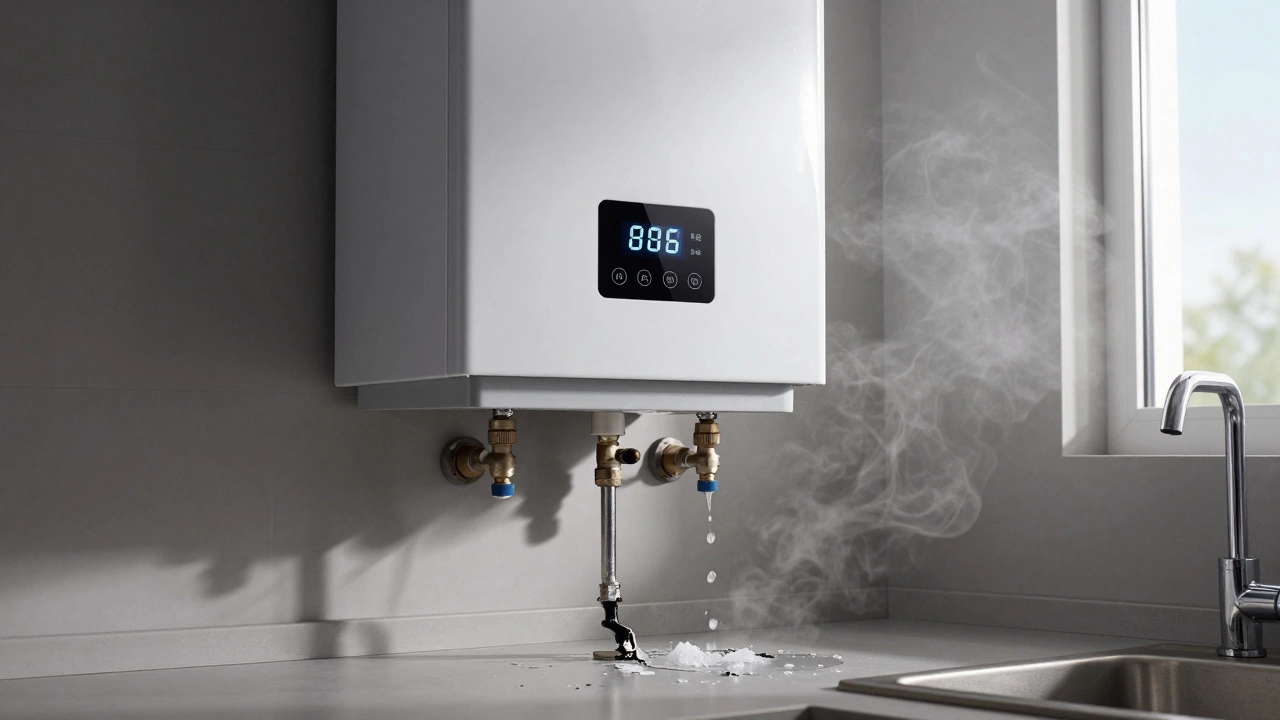
- Heat exchanger crack - This is one of the most expensive and common failures. The heat exchanger transfers heat from the gas flame to the water. If it cracks, water leaks into the combustion chamber. The boiler shuts down immediately. You’ll get no hot water, and often, you’ll see water pooling around the boiler.
- Gas supply cut - A faulty gas valve, blocked flue, or gas meter issue can stop the boiler from lighting. Even if the boiler looks fine, no gas means no heat.
These aren’t minor glitches. They’re core system failures. If any of these happen, your boiler won’t deliver hot water-no matter how much you turn the tap.
When You Might Still Have Hot Water
There are rare cases where a broken boiler doesn’t mean zero hot water:
- Regular boiler with a full hot water cylinder - If your boiler died at 2 a.m. and your cylinder was full from last night’s heating cycle, you might still have 30-60 minutes of warm water. But once it’s gone, you’re done. No refill, no reheating.
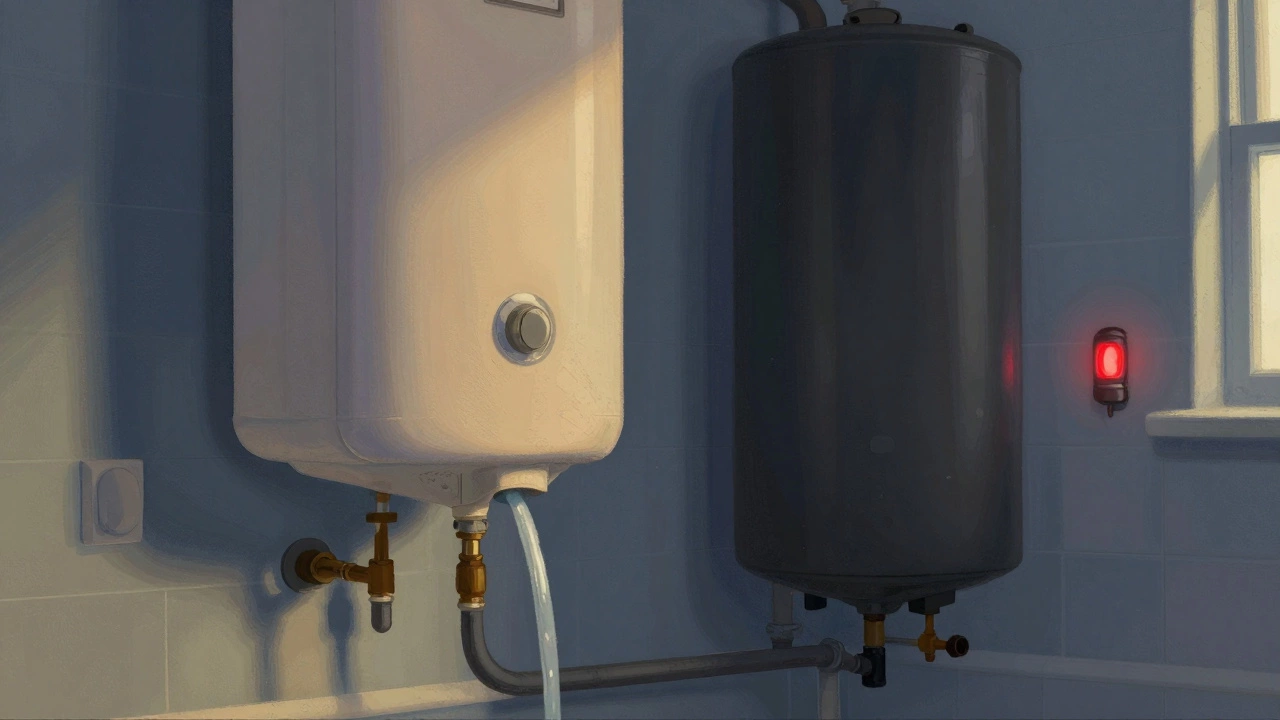
- Electric immersion heater backup - Some homes with regular boilers also have an electric immersion heater inside the hot water tank. This is a separate system. If your boiler fails but the immersion heater still works, you can still get hot water-just not as fast or as cheap. You’ll pay more in electricity, but you won’t be stuck with cold showers.
- Partial failure in a dual-circuit system - Some older systems have separate circuits for heating and hot water. If the heating circuit fails but the hot water circuit still works, you might still get hot water. This is rare in modern homes, especially in New Zealand, where combi boilers dominate.
If you’re lucky enough to have one of these backups, don’t assume it’s permanent. These systems are often older and more prone to failure themselves. Don’t delay repairs.
What to Do When Your Boiler Stops
First, don’t panic. Second, don’t try to fix it yourself unless you’re trained. Gas appliances are dangerous if mishandled.
- Check the power - Is the boiler switched on? Is the fuse tripped? Sometimes it’s just a reset button you need to press.
- Check the pressure gauge - If it’s below 1 bar, you might be able to repressurize the system yourself using the filling loop. Instructions are usually on the boiler or in the manual.
- Look for error codes - Modern boilers show error codes on a digital display. Look up the code in the manual or online. It tells you exactly what’s wrong.
- Test your taps - Run the hot water. If it’s lukewarm and then goes cold fast, you likely have a cylinder issue, not a boiler one. If it’s cold from the start, the boiler is the problem.
- Call a registered gas fitter - In New Zealand, only a licensed gasfitter can legally work on gas boilers. Don’t risk it. A bad repair can lead to carbon monoxide leaks, which are silent and deadly.
Most boiler repairs in Auckland cost between $300 and $900, depending on the part. A new heat exchanger can run $700-$1,200. If your boiler is over 10 years old, it’s often cheaper to replace than repair.
How to Tell If You Need a New Boiler
Here are signs your boiler is beyond repair:
- It’s over 12 years old
- You’ve had two or more major repairs in the last two years
- Your energy bills are rising even though usage hasn’t changed
- The boiler makes strange banging or gurgling noises
- You notice water leaks around the unit
- The boiler takes longer to heat up than it used to
Modern boilers are 30-40% more efficient than models from 10 years ago. Replacing an old boiler can cut your heating bill by hundreds of dollars a year. Plus, new models come with smart controls, better safety features, and longer warranties.
What Happens If You Ignore It?
Ignoring a broken boiler doesn’t make it better. It makes things worse.
Water leaks can rot floorboards and damage walls. Frozen pipes in winter can burst-especially in Auckland’s cooler months. A faulty gas valve can leak gas. A cracked heat exchanger can release carbon monoxide. That’s odorless, colorless, and deadly.
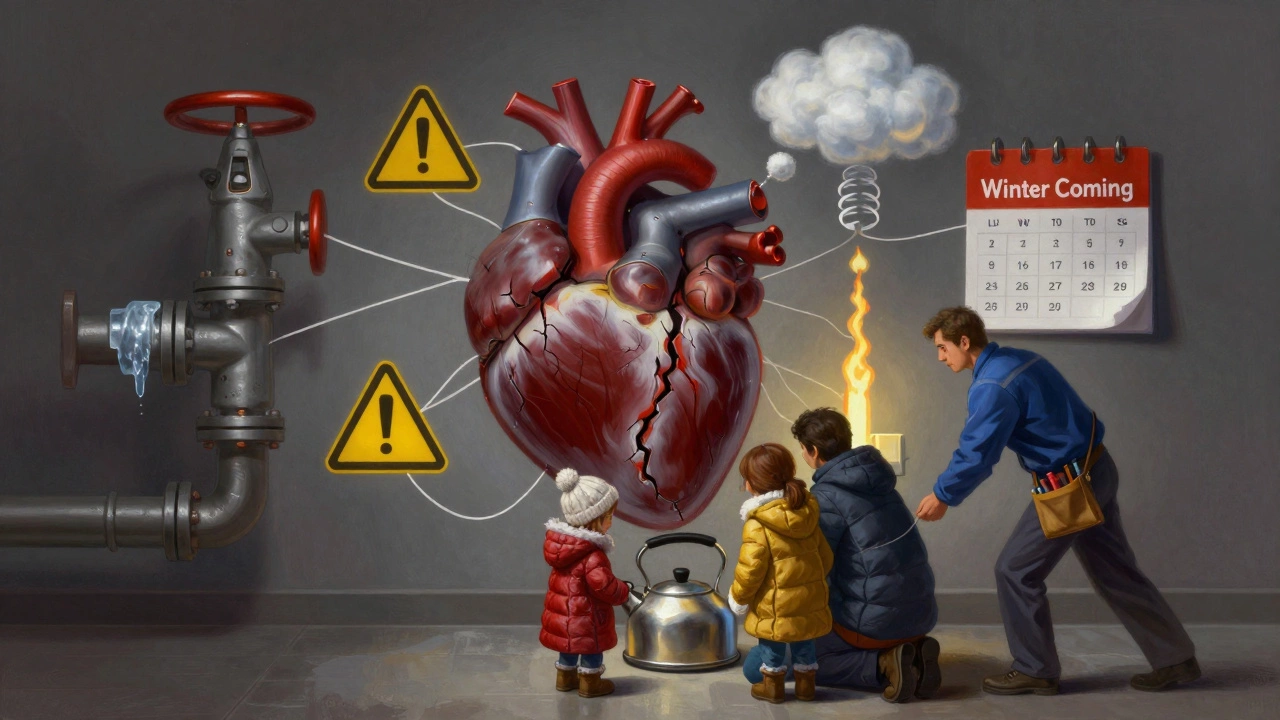
Some people try to live without hot water for weeks. They boil kettles for showers. They wash dishes in cold water. It’s doable-but stressful, time-consuming, and expensive in the long run. A kettle doesn’t replace a boiler. And waiting too long means you’re more likely to need an emergency call-out, which costs 50% more.
What to Expect When You Call a Repair Technician
A qualified technician will:
- Check the boiler’s error codes and diagnostic logs
- Test the gas pressure and flow
- Inspect the heat exchanger for cracks
- Check the pump and pressure sensor
- Test the thermostat and controls
- Look for signs of corrosion or leaks
They’ll give you a quote for repair or replacement. If they say the boiler is beyond repair, ask for a written explanation. Don’t accept vague answers like “it’s too old.” Ask for specifics: which part failed? Why can’t it be fixed? Is the cost of repair over 50% of a new unit’s price?
Always ask if they’re registered with the Gas Safe Register (or New Zealand’s equivalent). In New Zealand, that’s a licensed gasfitter with a current Practising Certificate. You can verify this online through the WorkSafe NZ register.
How to Prevent This in the Future
Boiler failure isn’t always random. Most breakdowns happen because of neglect.
- Get an annual service - Even if it’s working fine, a yearly check catches small problems before they become big ones.
- Check the pressure every few months - If it drops often, you likely have a leak.
- Flush the system every 5 years - Sludge buildup clogs pipes and damages pumps.
- Install a magnetic filter - These catch rust and debris before they reach the heat exchanger.
- Don’t ignore strange noises - Banging, whistling, or gurgling means something’s wrong.
Prevention costs less than repair. A $150 service call today can save you $1,200 in repairs tomorrow.
Final Answer: Does a Broken Boiler Mean No Hot Water?
Yes, in 9 out of 10 cases. If your boiler is broken, you won’t have hot water unless you have a backup system like an immersion heater. Even then, it’s temporary. A broken boiler is a serious issue-not just for comfort, but for safety. Don’t wait. Get it checked. Replace it if needed. And don’t forget: in New Zealand, winter is coming. You don’t want to be without hot water when the rain starts and the nights get cold.
Can a boiler break and still give me hot water?
Only in rare cases. If you have a regular boiler with a hot water cylinder that’s still full of heated water, you might have a short window of hot water after the boiler fails. Some homes also have an electric immersion heater as a backup. But if the boiler itself is broken, it won’t produce new hot water. Don’t rely on this-it’s temporary and not guaranteed.
Why is my boiler not heating water even though it’s on?
This usually means the heat exchanger is cracked, the pump has failed, or the pressure is too low. The boiler might still light up and make noise, but if the water can’t absorb heat or move through the system, it won’t reach your taps. Check the pressure gauge first. If it’s below 1 bar, repressurize it. If that doesn’t work, call a gasfitter.
Is it safe to use hot water if my boiler is leaking?
No. If your boiler is leaking water, especially from the bottom or near the gas connections, it could be a sign of a cracked heat exchanger or internal corrosion. Water near electrical parts or gas valves can cause short circuits or gas leaks. Turn off the boiler and call a licensed technician immediately. Don’t risk it.
How long can I go without hot water after my boiler breaks?
You can go days without hot water, but you shouldn’t. Cold showers, dishwashing in cold water, and boiling kettles for baths are exhausting and expensive. More importantly, delaying repairs risks bigger damage-like frozen pipes in winter or carbon monoxide leaks. Most experts recommend fixing or replacing the boiler within 48 hours.
Should I repair or replace my boiler if it’s 10 years old?
If it’s 10 years or older and needs a major repair (like a new heat exchanger or pump), replacement is usually the better choice. New boilers are 30-40% more efficient, come with 5-10 year warranties, and have smart features that save money. A repair might cost $800, but a new boiler might save you $300 a year on energy bills. Payback time is often under 3 years.
If your boiler has stopped giving you hot water, it’s not just an inconvenience-it’s a warning. Don’t wait for it to get worse. Get it checked. Get it fixed. Or replace it before winter hits.