Water Heater Risk & Replacement Calculator
Unit Details
Assessment Result
Recommendation appears here.
Estimated Replacement Cost (Auckland)
Standard Range
$1,500 - $2,500
Premium / Hybrid
$3,500+
*Prices include supply and installation by a licensed professional. Costs vary based on complexity and council regulations.
Enter your unit details to check its health status and get a cost estimate.
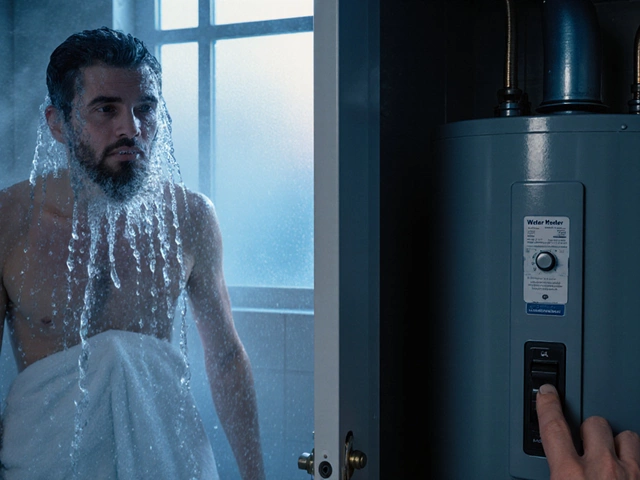
Imagine turning on the shower in the morning, expecting a warm rinse to start your day, only to be greeted by a gush of ice-cold water. Or worse, hearing a strange rumbling noise coming from the utility closet that sounds like a dying engine. These are the classic signs that your hot water system is failing. But what if you’ve had that same unit for two decades? Is it possible for a hot water heater to last 30 years or more? The short answer is: yes, but it’s rare, risky, and usually not worth the gamble.
Most modern storage-tank water heaters are designed with a lifespan of 8 to 12 years. Tankless models can stretch that to 20 years or more with proper care. Hitting the 30-year mark is an outlier event-like finding a penny on the sidewalk. It happens, but you shouldn’t plan your finances around it. In this guide, we’ll break down why longevity varies so much between units, how to tell if your aging heater is about to fail, and whether you should keep repairing it or just replace it before it floods your home.
The Reality of Water Heater Lifespans
To understand why 30 years is such a long shot, you need to look at the technology inside the tank. There are two main types of residential water heaters: traditional storage tanks and tankless (on-demand) systems. They age differently because they face different stresses.
| Heater Type | Average Lifespan | Key Failure Points |
|---|---|---|
| Electric Storage Tank | 10-15 years | Corrosion, heating element burnout, sediment buildup |
| Gas Storage Tank | 8-12 years | Anode rod depletion, burner efficiency loss, rust |
| Tankless (On-Demand) | 20+ years | Heat exchanger scaling, flow sensor failure |
| Hybrid Heat Pump | 10-15 years | Compressor wear, refrigerant leaks, fan motor issues |
Storage tank heaters work by keeping a large reservoir of water heated at all times. This constant heat causes minerals in the water to precipitate out and settle at the bottom as sediment. Over time, this layer of grit insulates the bottom of the tank from the water, causing the metal to overheat and crack. In Auckland, where our water hardness varies depending on your specific council supply, this sediment buildup is a major killer of tanks. If you haven’t flushed your tank regularly, the internal corrosion accelerates, eating away at the steel lining.
Tankless heaters, on the other hand, don’t store water. They heat it instantly as it flows through a heat exchanger. Because there’s no stagnant water sitting in a tank, the risk of internal rust is lower. However, they suffer from scale buildup on the heat exchanger coils. If you live in an area with hard water, mineral deposits can clog these narrow passages, reducing efficiency and eventually causing overheating. While 20 years is a realistic target for tankless units, hitting 30 requires meticulous annual descaling and filter cleaning.
Why Some Units Survive Decades (And Why Yours Might Not)
You might have heard stories from neighbors or family members about their grandfather’s water heater running for 30 or even 40 years. These units were often built differently. Older models, particularly those from the mid-20th century, used thicker steel gauges and simpler mechanical components. There were fewer electronic controls to fail, and the manufacturing tolerances were looser but robust. Plus, people back then didn’t run multiple showers simultaneously, meaning the heater wasn’t working as hard.
However, relying on vintage durability is a dangerous game today. Modern units are more energy-efficient but use thinner materials and complex electronics. A 30-year-old electric heater likely has wiring that hasn’t been updated since the 1990s. In New Zealand, electrical standards have evolved significantly. Old insulation can become brittle, increasing the risk of short circuits or fires. Even if the tank itself hasn’t leaked, the surrounding infrastructure-pipes, valves, and thermostats-may be well past their expiration date.
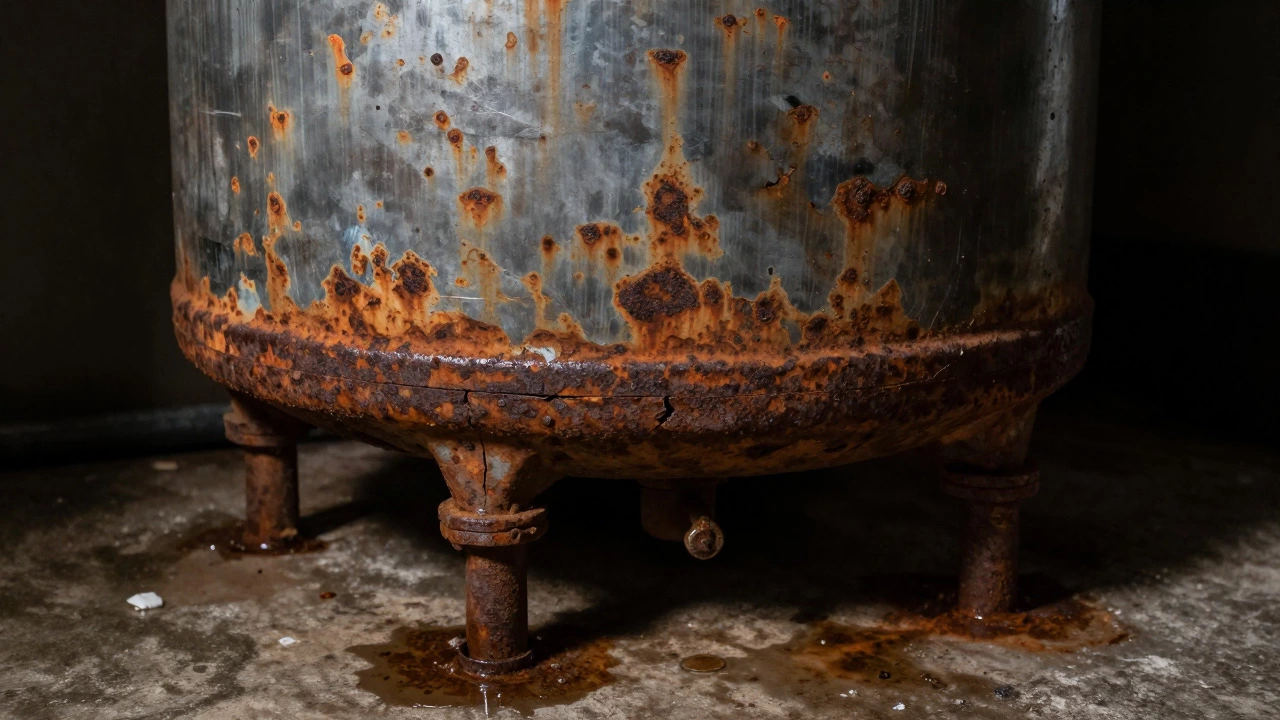
Another factor is water quality. If you’ve ever noticed orange or brown tinted water coming from your taps, that’s rust. It means the protective glass lining inside your tank has cracked, exposing the raw steel to water. Once that barrier breaks, corrosion spreads quickly. A unit that has lasted 25 years without leaking is a miracle; expecting it to last five more is pushing luck.
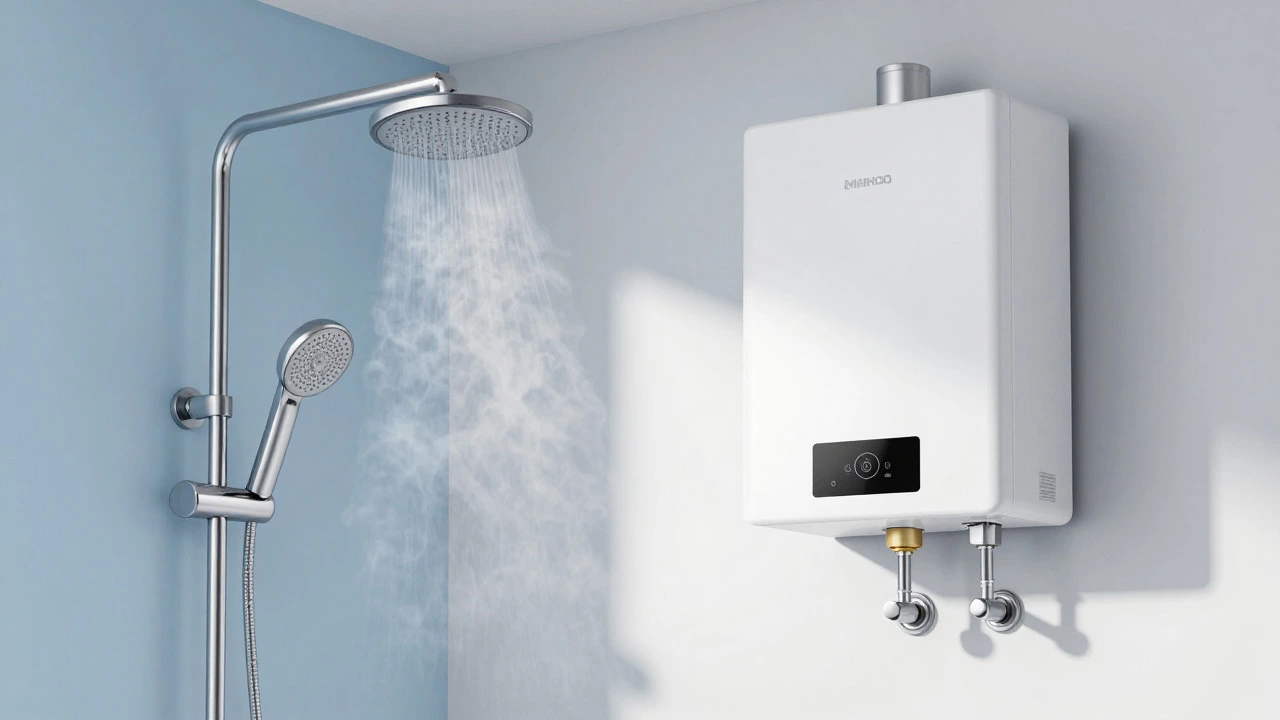
Signs Your Water Heater Is About to Fail
Don’t wait for a flood to realize your heater is dying. Pay attention to these warning signs:
- Rusty Water: If your hot water looks discolored but your cold water is clear, the tank is corroding from the inside out.
- Noises: Popping, banging, or rumbling sounds indicate heavy sediment buildup. The water trapped under the sediment boils and explodes, creating noise and stress on the tank walls.
- Inconsistent Temperature: If the water fluctuates between scalding and lukewarm, the thermostat or heating elements may be failing.
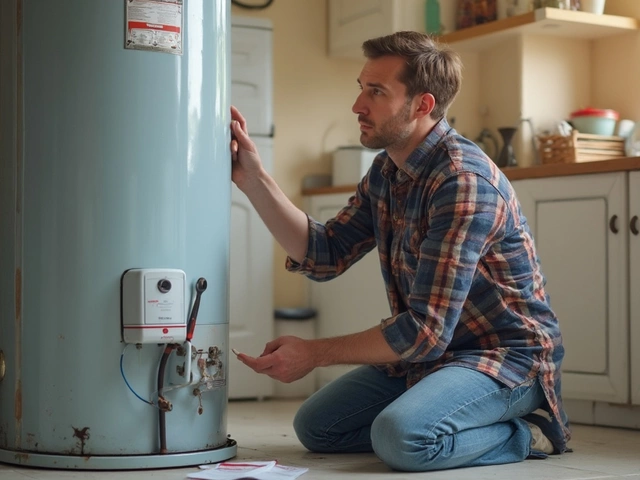
- Leaks: Small drips from the bottom of the tank or pressure relief valve are critical. Tanks rarely leak from the top; if it’s leaking from the base, the tank itself is compromised.
- Reduced Hot Water Supply: If you’re running out of hot water faster than usual, sediment may be taking up space in the tank, or the dip tube may be broken.
If your unit is over 15 years old and showing any of these symptoms, stop trying to fix it. Call a professional for an assessment. The cost of a repair might be less than a replacement, but if the tank bursts overnight, you could face thousands of dollars in water damage repairs.
Maintenance Tips to Extend Lifespan
If you want to get the most out of your water heater, regular maintenance is non-negotiable. Here’s what you should do annually:
- Flush the Tank: Drain a few gallons of water from the drain valve until it runs clear. This removes sediment that causes overheating and corrosion.
- Check the Anode Rod: This sacrificial metal rod attracts corrosive elements in the water, protecting the tank. If it’s heavily corroded or less than half an inch thick, replace it. This single step can add several years to your tank’s life.
- Test the Pressure Relief Valve: Lift the lever on the temperature and pressure (T&P) relief valve. It should snap back and release a burst of water. If it doesn’t, replace it immediately to prevent tank explosions.
- Inspect for Leaks: Check around the base of the tank and the connections for moisture or corrosion.
- Descale Tankless Units: For tankless systems, flush the heat exchanger with a vinegar solution or specialized descaling agent to remove mineral buildup.
Skipping these steps is like never changing the oil in your car. You might drive for a while without issues, but eventual breakdown is guaranteed.
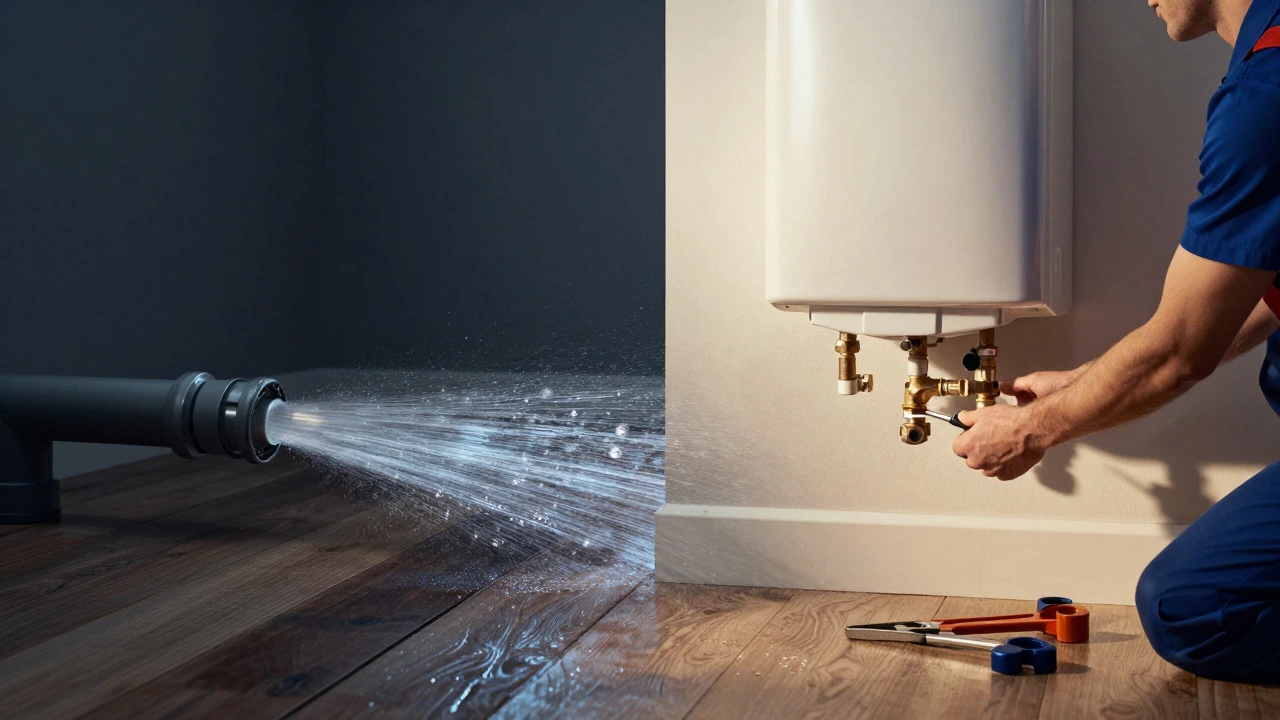
Repair vs. Replace: Making the Right Choice
When your water heater is old, the decision to repair or replace isn’t just about the immediate cost. Consider the total cost of ownership. A $300 repair on a 20-year-old unit might seem smart, but if the tank fails six months later, you’ll pay for another emergency service call plus a new installation. That’s a false economy.
Here’s a simple rule of thumb: If the repair cost exceeds 50% of the price of a new unit, or if the heater is more than halfway through its expected lifespan, replace it. Additionally, consider energy efficiency. Older gas heaters waste significant energy heating standing water. Newer condensing gas models or hybrid heat pump water heaters can cut your energy bills by 30-50%. In Auckland’s climate, a heat pump water heater is particularly effective because it extracts heat from the ambient air, which remains relatively mild year-round.
Also, check local regulations. In New Zealand, building codes require certain safety features for gas appliances, including proper ventilation and carbon monoxide detection. An old unit might not meet current standards, requiring additional upgrades during installation anyway.
Choosing the Right Replacement
If you’re replacing your unit, don’t just buy the cheapest option. Look for:
- Energy Rating: Higher star ratings mean lower running costs.
- Warranty: Longer warranties often indicate better build quality. Look for brands that offer at least 6-10 years on the tank.
- Size Appropriateness: Oversized heaters waste energy; undersized ones can’t keep up with demand. Calculate your household’s peak hour demand to choose the right capacity.
- Local Support: Choose a brand with good service availability in your region. If parts are hard to find, repairs will take longer.
For most Auckland homes, a standard electric storage tank is reliable and easy to install. If you have high hot water usage, consider a larger tank or a supplementary solar system. If space is tight, a tankless model saves room but requires higher upfront investment and potential electrical/gas line upgrades.
Is it safe to use a 30-year-old water heater?
It depends on the condition. If it shows no leaks, noises, or rust, it might still function. However, the risk of sudden failure increases significantly after 20 years. Older units also pose higher fire risks due to degraded wiring and lack of modern safety features. Regular inspections by a licensed plumber are essential.
How much does it cost to replace a water heater in Auckland?
Costs vary based on type and complexity. A basic electric storage tank replacement typically ranges from $1,500 to $2,500 installed. Gas units or tankless systems can cost $2,500 to $4,000+. Hybrid heat pumps are on the higher end, often exceeding $3,500. Always get multiple quotes from licensed professionals.
Can I extend the life of my water heater with DIY maintenance?
Yes, flushing the tank and checking the T&P valve are safe DIY tasks. However, inspecting the anode rod or handling gas/electrical components should be left to professionals. Improper handling can void warranties or create safety hazards.
What happens if a water heater explodes?
Tank explosions are rare but catastrophic. They occur when pressure builds up beyond the tank’s strength, usually due to a failed T&P valve or excessive temperature. The lid can blow off with great force, causing severe property damage and injury. Regular maintenance prevents this.
Are tankless water heaters worth the extra cost?
For households with limited space or continuous hot water needs, yes. They last longer and save energy. However, the upfront cost is higher, and they may require upgraded gas lines or electrical panels. Evaluate your usage patterns and budget before deciding.