Appliance Lifetime Value Calculator
Compare a Budget Option (shorter life, lower price) against a Premium Option (longer life, higher price) to see the real cost over 20 years.
Budget Appliance
Premium Appliance
Budget Total (20 Yrs)
$0
0 replacementsPremium Total (20 Yrs)
$0
Calculating...
Key Takeaways
- Miele and Speed Queen generally lead in raw longevity due to simpler designs and high-grade materials.
- Avoid over-complicated electronics in budget models; the more 'smart' features, the higher the failure rate.
- European brands often focus on precision and durability, while American brands vary wildly by product line.
- Regular maintenance can extend the life of any brand by 3-5 years.
The Reality of Modern Appliance Lifespans
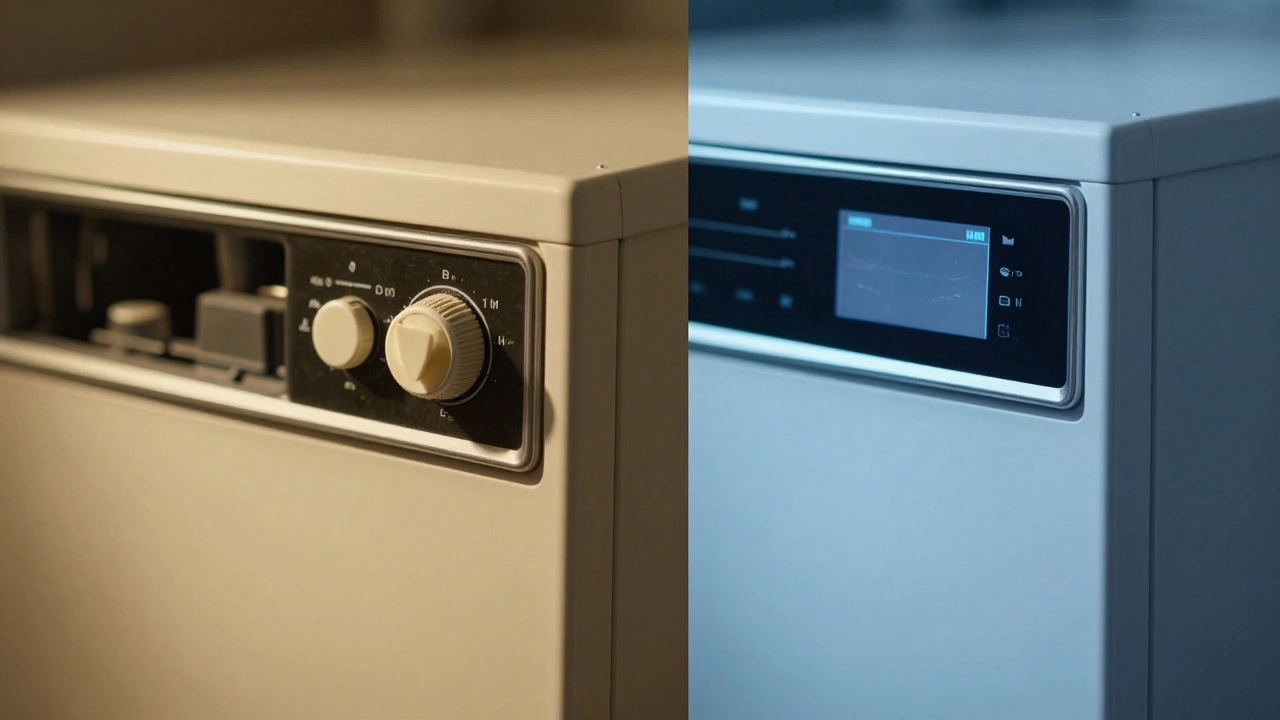
To understand who wins the longevity game, we first have to look at what's actually inside these machines. In the past, appliances used heavy steel and simple mechanical dials. Today, we have Printed Circuit Boards (PCBs) and sensors controlling everything. While these make machines more energy-efficient, they are also the first things to break. A capacitor blows or a software glitch occurs, and suddenly your expensive oven is a giant paperweight.
When we talk about longest lasting appliance brands, we aren't just looking at how long the motor runs, but how easy it is to fix when it eventually does break. A brand that uses proprietary screws or glues components together instead of bolting them is a brand that isn't designed to last. You want 'serviceable' machines, not 'disposable' ones.
The Gold Standard: High-End Reliability
If budget isn't your primary concern, there are a few names that consistently outperform the rest in long-term stress tests. Miele is a powerhouse here. They are one of the few companies that actually test their machines for a 20-year lifespan. Their vacuum cleaners and dishwashers aren't just fancy; they use high-grade stainless steel and heavy-duty pumps that don't wear out as fast as the plastic alternatives found in big-box stores.
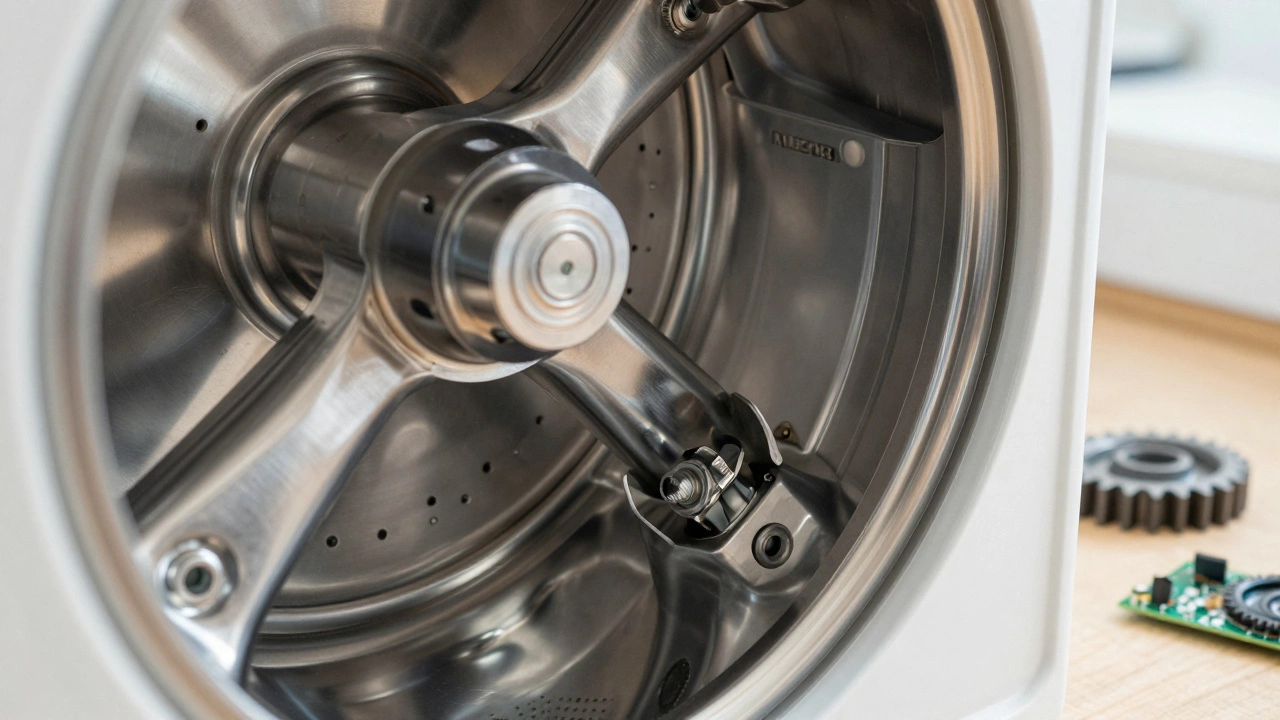
Then there is Speed Queen. In the world of laundry, they are the anomaly. While other brands moved to thin drums and complex electronics, Speed Queen kept the heavy-duty metal construction and simple controls. Their machines are essentially residential versions of commercial laundry equipment. You pay more upfront, but you're buying a machine that handles the vibration of a heavy load without shaking its own internals apart.
| Brand Tier | Typical Lifespan | Primary Strength | Common Weakness |
|---|---|---|---|
| Ultra-Premium (e.g., Miele) | 15-20 Years | Industrial Components | High Initial Cost |
| Mid-Range (e.g., Bosch, LG) | 7-12 Years | Energy Efficiency | Electronic Board Failure |
| Budget (e.g., Generic/Store Brands) | 4-7 Years | Low Entry Price | Plastic Parts/Poor Seals |
Analyzing the 'Big Name' Mid-Range Brands
Most people shop in the mid-range. This is where things get tricky because one brand might make a bulletproof dishwasher but a terrible fridge. For instance, Bosch is frequently praised for its dishwashers. Their use of a stainless steel tub (instead of plastic) and highly efficient pumps makes them a favorite for people who want a balance of longevity and modern tech. However, their luxury lines can be harder to find parts for if you don't live near a certified technician.
On the other hand, LG and Samsung have disrupted the market with amazing features. Their refrigerators look like something from a sci-fi movie. But from a repair perspective, they often struggle. Linear compressors in fridges have been a known point of failure, sometimes requiring full system replacements. If you want a machine that lasts 15 years, a screen on your fridge door is usually a liability, not an asset.
Cookers and Ovens: Where Durability Matters
When it comes to cooking appliances, the goal is heat management and structural integrity. Wolf and Viking are the titans of the professional-grade home kitchen. These brands use heavy cast-iron grates and high-BTU burners that are designed for constant, heavy use. The difference here is the gauge of the metal; a professional oven doesn't warp under high heat the way a cheap aluminum-lined oven does.
For those looking at more standard electric cookers, the key is looking for brands that still offer robust heating elements. Avoid the ultra-cheap models where the heating element is barely attached to the frame. A sturdy frame prevents the appliance from shifting, which in turn prevents electrical connections from fraying over time. If you can find a model with manual knobs instead of a digital touch panel, you've already removed the most likely point of failure.
Common Pitfalls That Kill Your Appliances
You can buy the best brand in the world, but you can still kill it with bad habits. Many people blame the brand when the real culprit is a lack of basic care. For example, not cleaning the filter in your dishwasher leads to pump burnout. Overloading a washing machine puts immense pressure on the Drive Belt and bearings, which will shred even a high-end machine if done consistently.
Another huge issue is ignoring the 'warning signs.' A clicking sound from a fridge compressor or a slight leak under a dishwasher doesn't mean the machine is dead, but it does mean a small problem is about to become a big one. Addressing a worn-out door seal today prevents the motor from overworking and burning out next year. Longevity is a partnership between the manufacturer's build quality and the owner's maintenance.
How to Choose Based on Your Needs
If you are flipping a house or renting out an apartment, you don't need a Miele. A mid-range brand with a good warranty is sufficient. But if you are buying for your 'forever home,' the math changes. Spending an extra $800 on a high-end dishwasher that lasts 20 years is significantly cheaper than buying three $400 dishwashers over that same period.
Look for these three things regardless of the brand:
- Availability of Parts: Check if the brand sells replacement parts directly to consumers or if you are forced to use a proprietary technician.
- Material Choice: Choose stainless steel over plastic whenever possible, especially for tubs and drums.
- Simplicity: Ask yourself, 'Do I actually need this feature?' If a button does something you'll never use, it's just another way for the machine to break.
Which brand of refrigerator lasts the longest?
Generally, brands like Sub-Zero are the gold standard for longevity because they use separate compressors for the freezer and fridge and are built with industrial-grade materials. For a more affordable but durable option, look for basic models from Whirlpool or GE that lack complex in-door ice dispensers, which are frequent failure points.
Generally, brands like Sub-Zero are the gold standard for longevity because they use separate compressors for the freezer and fridge and are built with industrial-grade materials. For a more affordable but durable option, look for basic models from Whirlpool or GE that lack complex in-door ice dispensers, which are frequent failure points.
Are 'Smart' appliances less durable?
Often, yes. Not because the 'smart' part breaks the motor, but because the electronics are more susceptible to power surges and software glitches. Additionally, when a smart motherboard fails, it's often more expensive to replace than the rest of the machine is worth, effectively shortening the appliance's usable life.
Often, yes. Not because the 'smart' part breaks the motor, but because the electronics are more susceptible to power surges and software glitches. Additionally, when a smart motherboard fails, it's often more expensive to replace than the rest of the machine is worth, effectively shortening the appliance's usable life.
Does a longer warranty mean a better brand?
Not necessarily. Some brands offer long warranties on a single part (like a 10-year motor warranty) but only a 1-year warranty on the electronics. Always check the fine print to see what is actually covered. A brand like Miele doesn't just offer a warranty; they build the machine to avoid the need for one.
Not necessarily. Some brands offer long warranties on a single part (like a 10-year motor warranty) but only a 1-year warranty on the electronics. Always check the fine print to see what is actually covered. A brand like Miele doesn't just offer a warranty; they build the machine to avoid the need for one.
Why do older appliances seem to last longer than new ones?
It comes down to materials and design. Older machines used thicker metals and mechanical timers. Modern machines use thinner plastics and computerized boards to meet strict energy-efficiency standards. While they use less electricity, they lack the raw physical durability of the 'heavy iron' machines from 40 years ago.
It comes down to materials and design. Older machines used thicker metals and mechanical timers. Modern machines use thinner plastics and computerized boards to meet strict energy-efficiency standards. While they use less electricity, they lack the raw physical durability of the 'heavy iron' machines from 40 years ago.
What is the most reliable brand for cookers and ovens?
For professional-grade durability, Wolf and Viking are top choices due to their heavy-duty construction. For standard home use, Bosch is highly regarded for its build quality and reliability in the oven and range category.
For professional-grade durability, Wolf and Viking are top choices due to their heavy-duty construction. For standard home use, Bosch is highly regarded for its build quality and reliability in the oven and range category.
What to do Next
If you're currently staring at a broken appliance, don't rush to buy a new one without doing a cost-benefit analysis. If the machine is less than 8 years old and the repair cost is under 50% of a new machine's price, it's usually worth fixing. Once you do decide to upgrade, skip the showroom floor's flashiest model and look for the one with the most boring controls and the heaviest door. That's usually the one that will still be running ten years from now.