

Water Heater Health Checker
Answer the following questions to determine the status of your anode rod and the safety of your tank.
What Exactly Is This Metal Rod Doing?
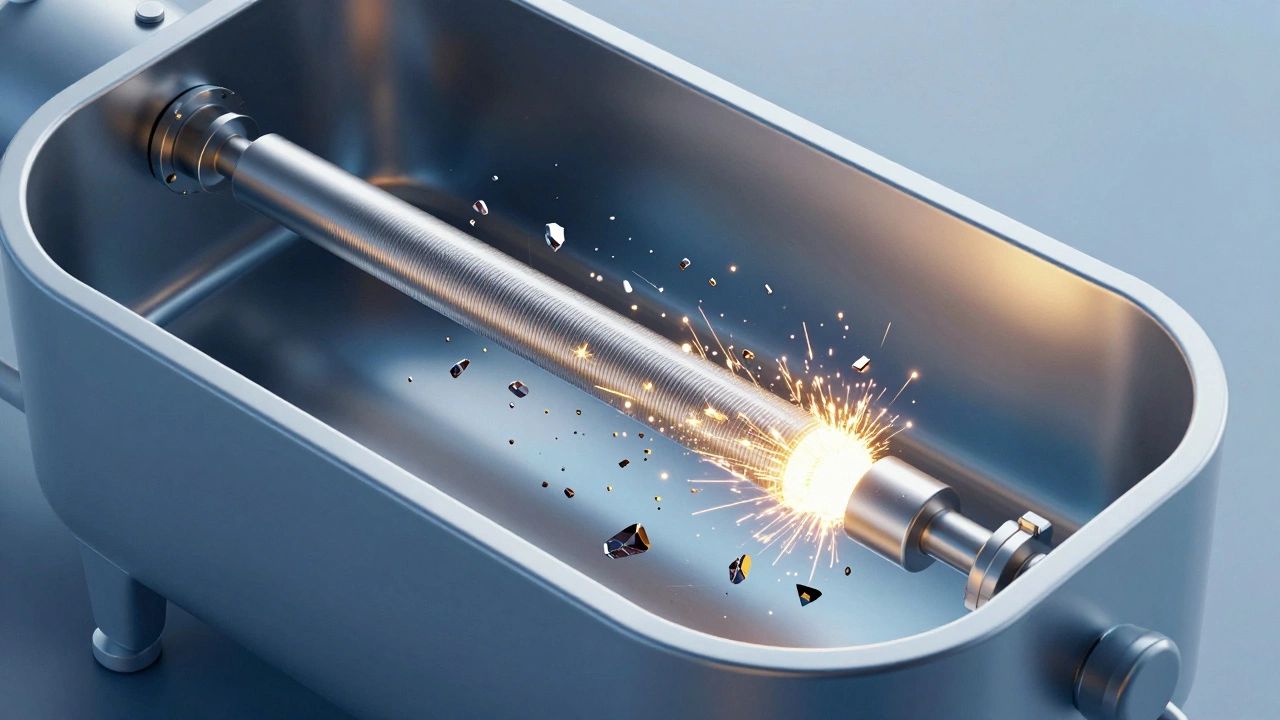
Inside your tank, there is a constant battle between the water and the steel walls. Anode Rod is a sacrificial magnesium or aluminum rod that attracts corrosive elements in the water, preventing them from attacking the steel tank. Think of it as a bodyguard. Instead of the water eating away at your expensive tank, it eats the rod. When the rod is completely dissolved, the water starts attacking the tank walls, which leads to leaks and a very expensive replacement bill.
The Most Obvious Warning Signs
You can't see the rod without taking it out, but your water will tell you when it's gone. If you notice a smelly hot water situation-specifically a sulfur or "rotten egg" odor-it's a classic sign. This happens when sulfate-reducing bacteria react with the magnesium in the rod. While the smell is annoying, it actually means the rod is still there and working, though it might be nearing the end of its life or reacting poorly with your local water chemistry.
A more dangerous sign is the presence of rust. If you see brown or orange flakes in your hot water, but the cold water remains clear, your tank is already corroding. This happens because the anode rod has likely vanished, and the oxygen in the water is now oxidizing the steel walls of the tank. At this point, you aren't just replacing a rod; you're fighting to save the whole unit.
How to Physically Inspect Your Anode Rod
The only way to be 100% sure is to pull the rod out and look at it. You'll need a 1-1/16 inch socket wrench or a pipe wrench. First, turn off the power or gas and shut off the water supply. Once the pressure is gone, unscrew the hex head at the top of the heater.
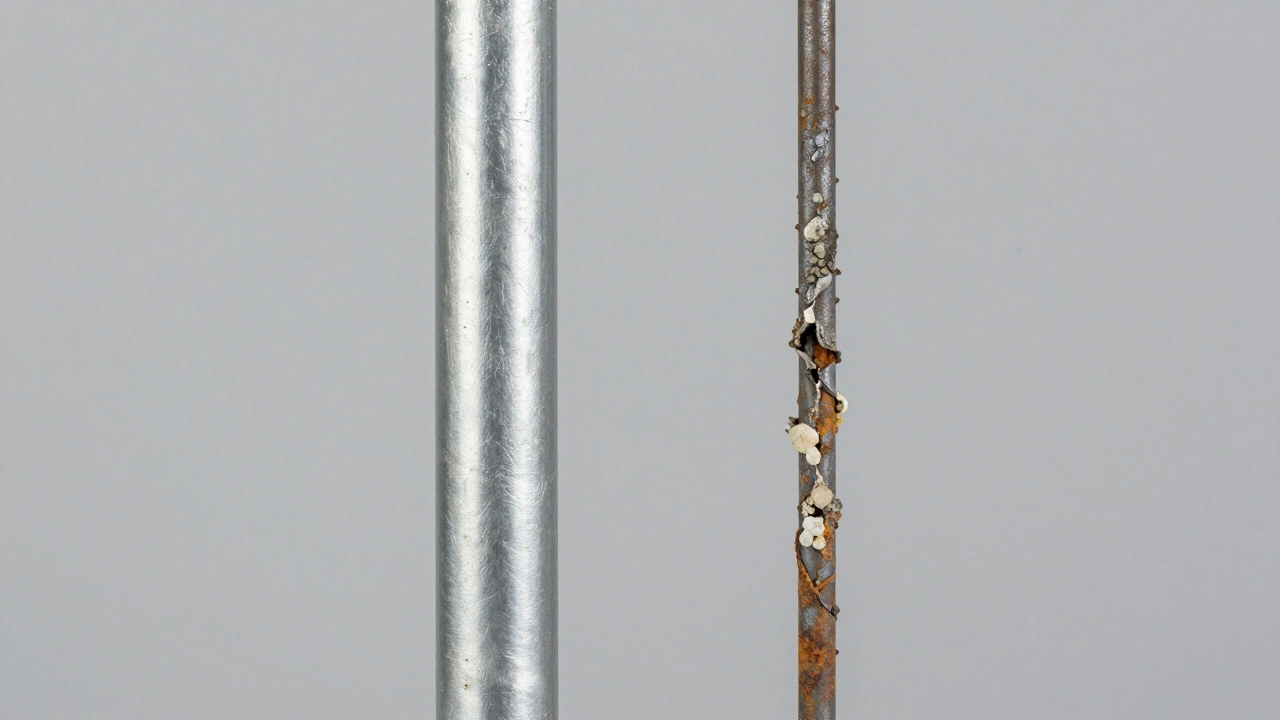
When you pull the rod out, look at the core. A healthy rod looks like a solid piece of metal. A "bad" or depleted rod looks like a thin, jagged wire with a crusty white or gray buildup around it. If you can see the center steel wire and there is very little metal left on the outside, it's time for a change. Most pros recommend checking this every three years, especially if you have "hard water" with high mineral content.
| Material | Best For | Pros | Cons |
|---|---|---|---|
| Magnesium | Soft water areas | Fast reaction, very effective | Can cause sulfur smell |
| Aluminum/Zinc Alloy | Hard water / High pH | Lasts longer in harsh water | Slightly less reactive |
| Powered Anode | Permanent solution | Never needs replacing | Requires electrical outlet |
Why Some Rods Fail Faster Than Others
Not all water is created equal. If you live in an area with high levels of chlorides or sulfates, your rod will disappear much faster. This is why a rod that should last five years might be gone in two. Water Hardness plays a massive role here; calcium and magnesium deposits can build up on the rod, sometimes creating a shell that actually prevents the rod from sacrificing itself properly, which is a weird paradox that leads to tank rust despite the rod still being physically present.
Another factor is the temperature. If you keep your water heater set to a scorching temperature, the chemical reactions happen faster, accelerating the depletion of the metal. Keeping your thermostat around 120°F (49°C) helps extend the life of both the rod and the tank.
The Risk of Ignoring the Replacement
What happens if you just leave a bad rod alone? Eventually, the corrosion reaches the inner lining of the tank. Once a hole forms in the steel, you can't patch it. You'll start seeing a slow drip at the bottom of the heater, which quickly turns into a flood. Replacing a $50 rod is a cheap insurance policy against a $1,500 full-system replacement. If you wait until the water is brown, you've waited too long.
Quick Checklist for Your Next Inspection
- Check for sulfur smells in hot water (indicates rod reaction).
- Look for reddish-brown sediment in the hot water line.
- Physically remove the rod every 3 years.
- Inspect for the "wire-only" look (depleted core).
- Flush the tank while the rod is out to remove sediment.
Can I just replace the rod myself?
Yes, if you have a socket wrench and can handle a bit of heavy lifting. However, if the rod is very old, it can be stuck. Be careful not to strip the hex head. If you aren't comfortable shutting off your gas or electric supply, call a professional.
How often should I replace the anode rod?
Generally every 3 to 5 years. If you have very hard water or a large family that uses a lot of water, check it every 2 years. It is much cheaper to replace it early than to replace the whole tank.
Will a new rod fix the rotten egg smell?
Sometimes. Switching from a magnesium rod to an aluminum-zinc alloy rod often eliminates the smell because the bacteria don't react with those metals in the same way. You should also flush your tank thoroughly during the swap.
What is a powered anode rod?
A powered anode is an electronic version that uses a current to prevent corrosion. Instead of dissolving over time, it uses a permanent titanium core. It's more expensive upfront but means you never have to pull a rod out of your heater again.
Why is my water brown even if I have a rod?
This could be due to a few things: sediment buildup at the bottom of the tank, old galvanized pipes in your home, or the rod was depleted long ago and the tank is now rusting. If the rod looks new but the water is brown, check your pipes.