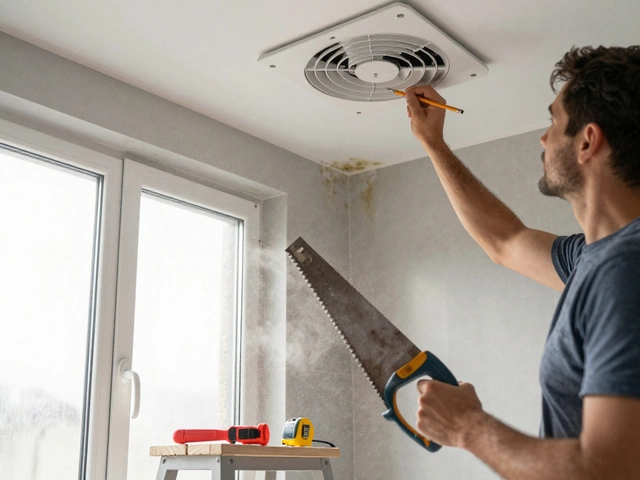
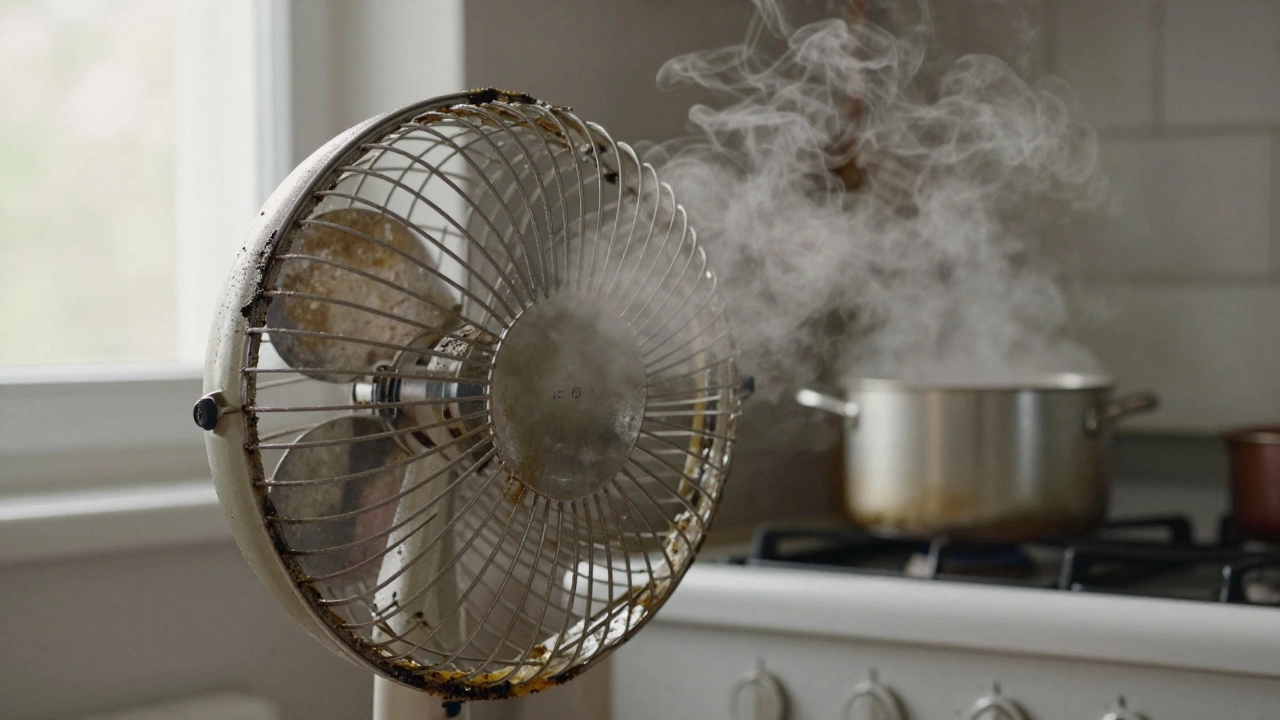
Extractor Fan Lifespan & Health Checker
- Budget/Basic Models: 5 to 10 years.
- Mid-Range Brands: 10 to 15 years.
- High-End Professional Units: 20+ years.
- Maintenance Impact: Regular filter cleaning can add 3-5 years to any model.
What Actually Determines the Lifespan?
Not all fans are created equal. When we talk about extractor fan replacement is the process of removing an old ventilation unit and installing a new one to maintain air quality and safety in a kitchen or bathroom., the timing depends heavily on the build quality. A cheap plastic unit from a big-box store uses a smaller motor with thinner windings that burn out faster. On the other hand, a heavy-duty stainless steel model often has a brushless motor and better bearings that can handle years of daily grease and steam.
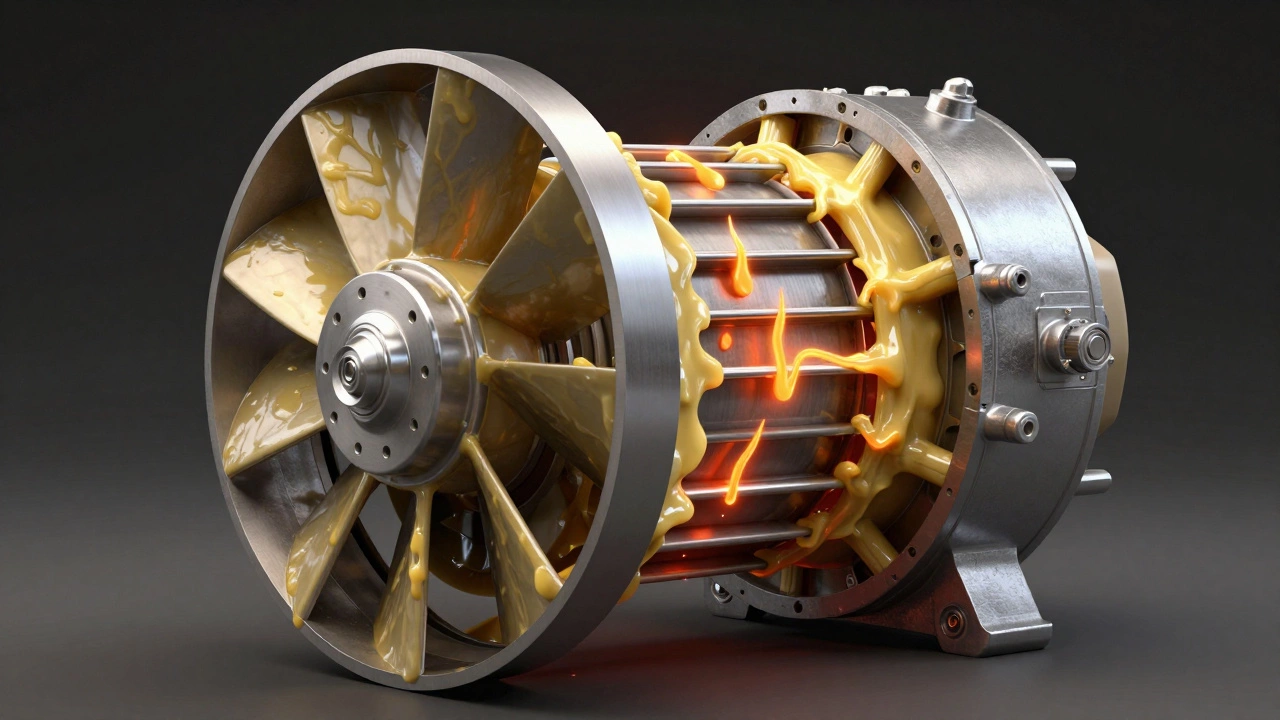
The environment plays a huge role too. If you fry food every night or live in a high-humidity area like Auckland, your fan works harder. Moisture and grease are the primary enemies. Grease doesn't just clog filters; it gets into the motor housing, creating friction and causing the motor to overheat. When a motor runs hot for years, the insulation on the wires degrades, and eventually, it just pops.
Signs It's Time to Stop Repairing and Start Replacing
There is a tipping point where spending money on a technician becomes a waste. If you're facing a repair bill that is more than 50% of the cost of a new unit, just replace it. But how do you know the fan is actually dying and not just dirty? Keep an eye out for these red flags:
- The Noise Shift: A loud hum is one thing, but a grinding, screeching, or rattling sound usually means the bearings in the Electric Motor have failed. Bearings can't really be 'fixed'-they have to be replaced, which often costs as much as a new fan.
- Decreased Suction: If you've cleaned your filters and the steam is still lingering in the kitchen, your fan might be losing its efficiency. This happens when the internal blades are coated in a thick layer of solidified grease, or the motor is spinning slower than it should.
- The Burning Smell: If you smell something like ozone or burning plastic, stop using the fan immediately. This is a clear sign of electrical failure or a motor that is seizing up.
- Intermittent Power: If you have to wiggle the switch or if the fan flickers, you might have faulty wiring. While a sparky can fix this, if the unit is 12 years old, it's usually a sign that the entire system is degrading.
Comparing Replacement Options
When you finally decide to upgrade, you have to choose between different styles of ventilation. Your choice will affect how often you'll have to do this all over again in the future.
| Type | Average Lifespan | Best For... | Key Maintenance |
|---|---|---|---|
| Recirculating | 7-12 Years | Apartments/Rentals | Charcoal filter swaps |
| Ducted (Vented) | 12-20 Years | Permanent Homes | Duct cleaning every 3 years |
| Integrated Hob Fan | 8-15 Years | Modern Minimalist Kitchens | High-frequency grease cleaning |
How to Stretch the Life of Your New Fan
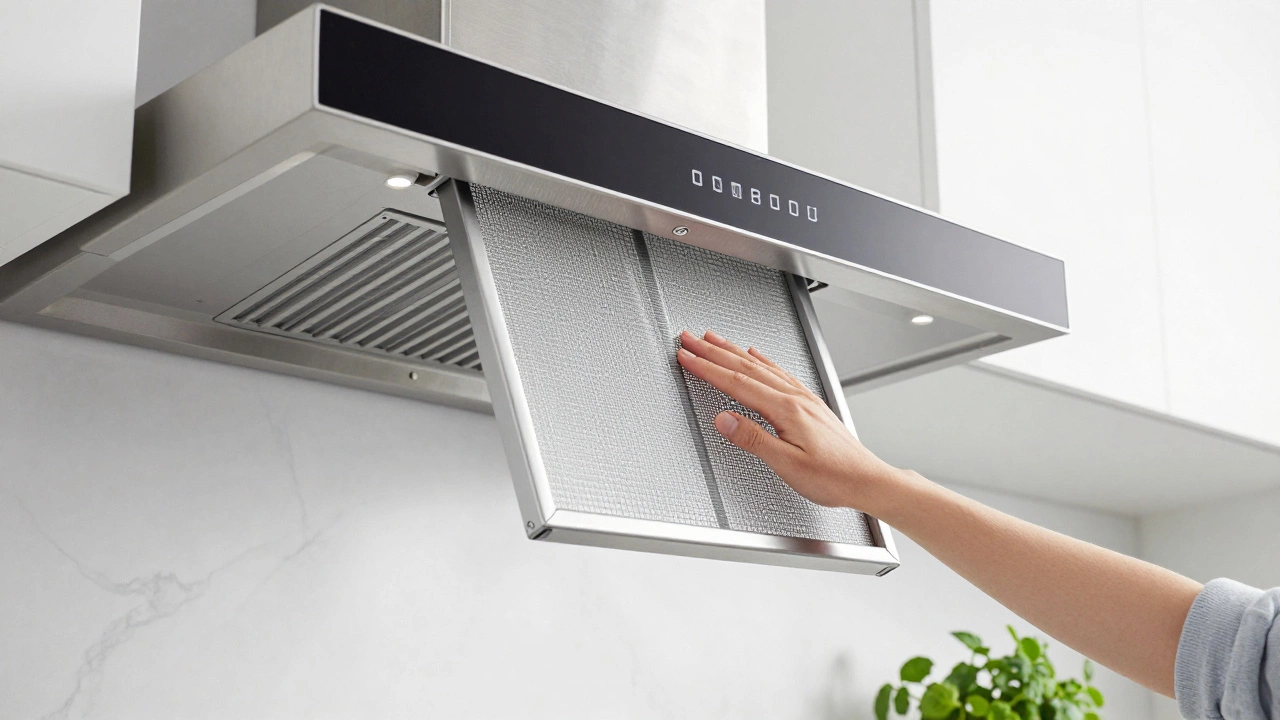
You can practically double the life of a Range Hood if you stop treating it like a set-and-forget appliance. The biggest mistake people make is ignoring the filters. When filters clog, the motor has to pull harder against the resistance. This creates heat, and heat kills motors.
If you have mesh grease filters, pop them in the dishwasher or soak them in hot soapy water once a month. If you use charcoal filters for a recirculating fan, change them every 3 to 6 months. If you leave old charcoal filters in for a year, the air has nowhere to go, and the motor will essentially be fighting a wall of carbon, leading to premature burnout.
Another pro tip: don't always run the fan on 'High.' Unless you're searing a steak or frying fish, the 'Medium' or 'Low' setting is usually enough. Running a motor at maximum capacity for an hour every day will wear out the brushes and bearings much faster than a varied speed approach.

The Hidden Cost of Old Fans: Energy and Safety
An old fan isn't just a nuisance; it's an energy hog. Newer models use EC Motors (Electronically Commutated), which are significantly more efficient than the old AC motors found in units from 15 years ago. You might not notice it on a single monthly bill, but over five years, the difference adds up.
There's also the safety aspect. A fan that doesn't move air efficiently allows grease to settle on your ceilings and walls. More dangerously, in kitchens with gas stoves, a failing extractor fan means carbon monoxide and nitrogen dioxide linger longer in your breathing zone. Replacing a fan isn't just about removing smells; it's about keeping your indoor air quality safe.
Can I just replace the motor instead of the whole fan?
In some high-end models, yes. However, for most residential units, the motor is integrated into the housing. By the time the motor fails, the plastic mounts and the wiring are often brittle. Usually, the cost of a replacement motor plus professional labor is so close to the price of a new, more efficient unit that full replacement is the smarter financial move.
Why does my fan smell like old oil even after cleaning?
This usually means grease has bypassed the filters and coated the internal fan blades (the impeller). When that grease heats up during operation, it releases a rancid smell. If the grease is inside the motor housing, it's almost impossible to clean thoroughly, and it's a strong signal that the unit is reaching the end of its life.
Do I need a professional to install a new extractor fan?
If you are simply swapping a like-for-like unit and you're comfortable with basic electrical wiring, you might do it yourself. However, if you're changing from a recirculating to a ducted system, or if you're moving the location of the fan, you'll need a professional to handle the ductwork and ensure the electrical connection meets current building codes to avoid fire risks.
How often should I change the charcoal filters?
Generally, every 3 to 6 months depending on how much you cook. Unlike metal grease filters, charcoal filters cannot be washed. Once the carbon is saturated with odors and particles, it stops working. If you notice the kitchen smells are staying in the room longer than usual, it's time for a swap.
Does a louder fan mean it's working better?
Not necessarily. Noise is often a result of turbulence or mechanical friction, not actual airflow. In fact, many of the most powerful modern fans are quieter because they have better aerodynamic blade designs. If your fan is suddenly louder than it used to be, it's likely a sign of bearing failure, not increased power.
Next Steps for Your Kitchen Air
If your fan is over 10 years old and struggling, don't wait for it to stop completely while you're frying something smoky. Start by checking your filters today. If they're clean and the suction is still weak, it's time to browse for a new unit. When shopping, look for models with external grease traps and high CFM (Cubic Feet per Minute) ratings to ensure you're getting a machine that actually moves air rather than just making noise.