Hot Water Heater Troubleshooter
Let's Diagnose Your Issue
Answer a few questions to identify the problem with your hot water heater
Quick Checks
Help us narrow down the cause
Diagnosis Complete
Based on your answers, here's what we found
Important Safety Note
If you smell gas (rotten eggs), evacuate immediately and call emergency services. Never attempt to repair gas lines yourself. For electrical issues, turn off power at the breaker before any inspection.
Imagine stepping into a shower on a cold morning, only to be greeted by freezing water. It’s not just uncomfortable; it’s shocking. One minute your hot water heater is humming along perfectly, and the next, it has completely given up the ghost. This sudden failure is one of the most stressful household emergencies you can face.
But before you panic or call for an expensive emergency service, take a breath. Most of the time, the issue isn’t a catastrophic tank leak or a blown-out heating element. It’s usually something small, accessible, and often free to fix. Understanding why your unit stopped working can save you hundreds of dollars and get you back to warm showers in under an hour.
The Silent Culprit: A Blown Thermal Fuse
If you have an electric storage heater, the first place to look is the thermal cutout switch. Think of this as the safety guard for your heater. If the thermostat fails and allows the water to get dangerously hot, this fuse blows to prevent a scalding hazard or even a fire. When it trips, power to the heating elements is cut instantly.
You’ll know this is the problem if both your upper and lower heating elements stop working simultaneously. On many models, particularly those found in older homes, there is a small reset button located behind the access panel near the top of the tank. Pressing this button might restore power. However, if the fuse keeps blowing after you reset it, that’s a red flag. It means the thermostat itself is faulty and needs replacement. Ignoring this can lead to serious damage, so don’t just keep resetting it without investigating further.
Pilot Light Problems in Gas Heaters
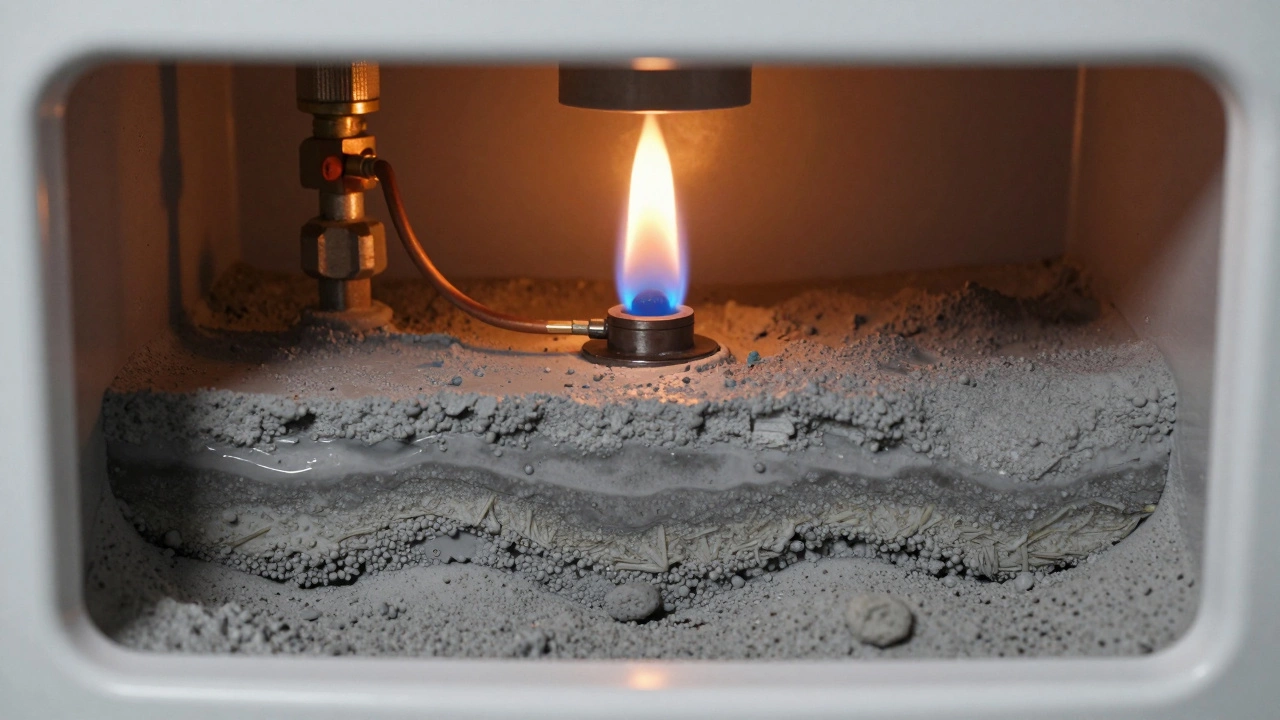
For those running a gas-fired system, the pilot light is the heartbeat of the operation. If that tiny blue flame goes out, the main burner won’t ignite, and you’ll get nothing but cold water. There are two common reasons this happens.
First, the thermocouple might be dirty or misaligned. The thermocouple is a small copper tube that sits next to the pilot flame. Its job is to detect heat and send a signal to keep the gas valve open. If dust or debris covers it, or if it’s bent away from the flame, it thinks the pilot is out and shuts off the gas supply. Cleaning it with fine steel wool or gently bending it back toward the flame often fixes the issue immediately.
Second, the pilot assembly itself could be clogged. Over time, sediment and corrosion can block the tiny orifice where the gas flows. You might see a weak, yellowish flame instead of a strong blue one. In this case, you may need to replace the pilot assembly or call a professional to clear the blockage safely.
Electrical Issues and Tripped Breakers
Sometimes the answer is simpler than you think. Check your home’s circuit breaker box. Has a breaker tripped? Electric water heaters draw a significant amount of power-often 30 to 50 amps. A surge in electricity or a short circuit elsewhere in the house can trip the breaker dedicated to your heater.
Flip the breaker back on. If it stays put, great. If it trips again immediately, you have a deeper electrical fault, likely within the heater’s wiring or heating elements. Do not keep flipping it; this poses a fire risk. Also, check the high-limit switch on the heater itself. Some units have a separate reset button on the control panel that trips during overheating events.
Sediment Buildup and Element Failure
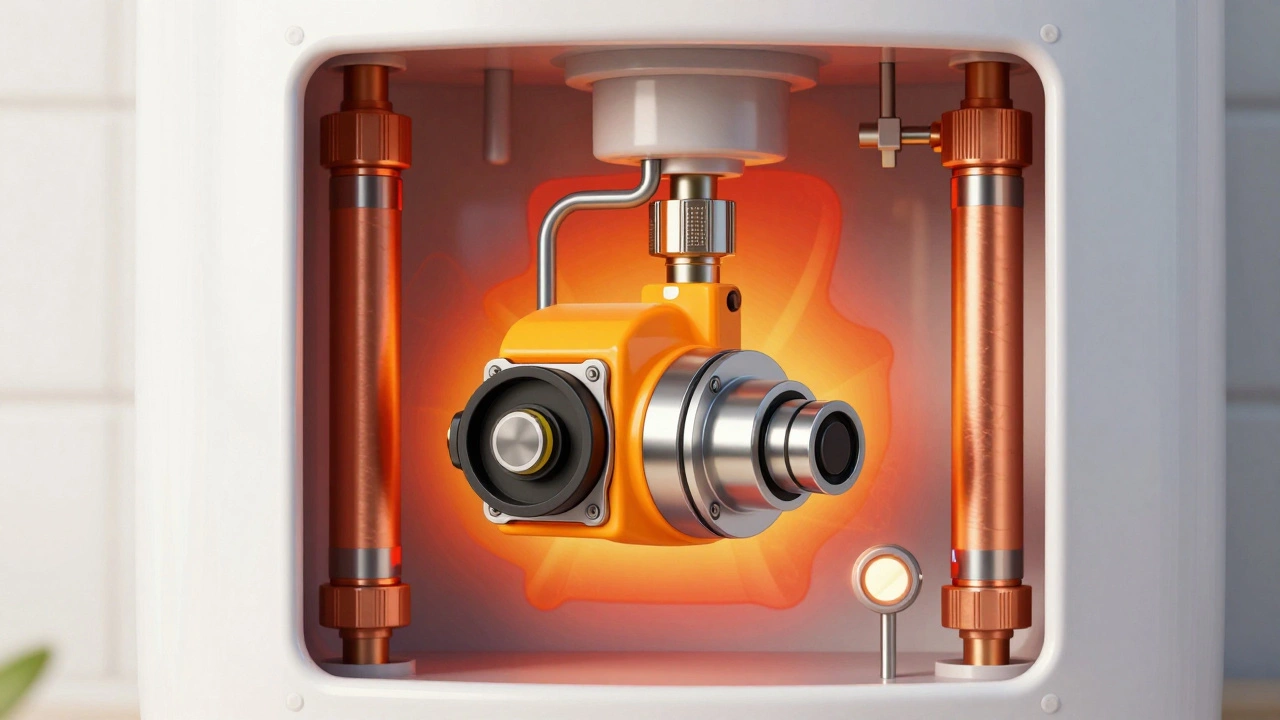
Hard water is the enemy of longevity. In regions with high mineral content, calcium and magnesium build up at the bottom of the tank over years. This sediment layer acts as an insulator between the heating element and the water. The element gets incredibly hot trying to transfer heat through the crust, which can cause it to burn out prematurely.
If your heater makes popping or rumbling noises before failing, sediment is likely the culprit. For electric tanks, you can test the heating elements with a multimeter. If they show infinite resistance, they’re dead and need replacing. While you’re in there, flushing the tank to remove sediment is crucial. Neglecting this maintenance step is the number one reason heaters fail before their expected lifespan of 8-12 years.
Thermostat Malfunctions
The thermostat tells the heater when to turn on and off. If it’s set too low, you might think it’s broken when it’s actually just conserving energy. But if it’s set correctly and still not triggering the elements, the dial mechanism inside may be stuck or the internal contacts worn out.
In dual-element electric heaters, there are usually two thermostats-one for the top element and one for the bottom. If only the bottom half of the tank provides hot water, the upper thermostat or element is likely at fault. If the water is lukewarm throughout, both might be struggling. Replacing a thermostat is relatively inexpensive and straightforward if you’re comfortable with basic electrical work.
When to Call a Professional
While many issues are DIY-friendly, some situations demand expert intervention. If you suspect a gas leak (smell of rotten eggs), evacuate and call emergency services immediately. Never attempt to repair gas lines yourself. Similarly, if the tank is leaking from the bottom, the internal lining has corroded. No amount of repair will fix a rusted-through tank; it needs full replacement.
Also, consider calling a pro if you’re unsure about handling high-voltage electricity or gas connections. Safety should always come first. A qualified technician can diagnose complex issues like pressure relief valve failures or expansion tank problems that aren’t obvious to the average homeowner.
| Symptom | Likely Cause | Difficulty Level | Action Required |
|---|---|---|---|
| No hot water at all | Tripped breaker or blown thermal fuse | Easy | Reset breaker/fuse; inspect wiring |
| Pilot light won’t stay lit | Faulty thermocouple or dirty pilot | Medium | Clean thermocouple; replace if necessary |
| Lukewarm water | Sediment buildup or single element failure | Medium | Flush tank; test/replace elements |
| Rumbling/popping noises | Heavy sediment accumulation | Medium | Deep flush tank; install water softener |
| Leaking from bottom | Corroded tank interior | High | Replace entire unit |
Maintenance Tips to Prevent Future Failures
Prevention is cheaper than cure. To keep your water heater running smoothly, perform these simple tasks annually:
- Flush the tank: Drain a few gallons from the bottom to remove sediment. This improves efficiency and extends life.
- Check the anode rod: This sacrificial metal rod protects the tank from corrosion. If it’s heavily depleted, replace it to avoid tank leaks.
- Test the pressure relief valve: Lift the lever to ensure water flows freely. This prevents dangerous pressure buildup.
- Inspect insulation: Ensure the jacket around the tank is intact to retain heat and reduce energy costs.
By staying proactive, you can avoid the shock of a sudden breakdown. Most heaters last 10-15 years with proper care. If yours is older and starting to show signs of trouble, budget for a replacement now rather than facing an emergency later.
How much does it cost to fix a hot water heater?
Costs vary widely depending on the issue. Simple fixes like resetting a breaker or cleaning a pilot light are free. Replacing a thermocouple or heating element typically costs $100-$300 including parts and labor. Major repairs like replacing a thermostat or addressing gas line issues can range from $200-$600. If the tank needs full replacement, expect to pay $1,000-$3,000+ depending on size and type.
Can I use my water heater while it’s being repaired?
No, you should never use a malfunctioning water heater. Electrical faults pose shock risks, and gas issues can lead to carbon monoxide poisoning or explosions. Turn off the power or gas supply until repairs are complete and verified safe by a professional.
Why does my water heater make popping sounds?
Popping noises usually indicate sediment buildup at the bottom of the tank. As water heats, trapped steam bubbles escape through the crust, creating loud pops. Flushing the tank regularly prevents this and maintains efficiency.
Is it worth repairing an old water heater?
If your unit is over 10 years old and requires major repairs, replacement is often more cost-effective. Newer models are more energy-efficient and come with warranties. Minor repairs on older units may be justified if they’re otherwise in good condition.
What should I do if my water heater leaks?
Turn off the power/gas and shut off the cold water supply immediately. Place buckets under the leak to minimize damage. Contact a plumber to assess whether the leak is from a loose connection (fixable) or a cracked tank (requires replacement).