
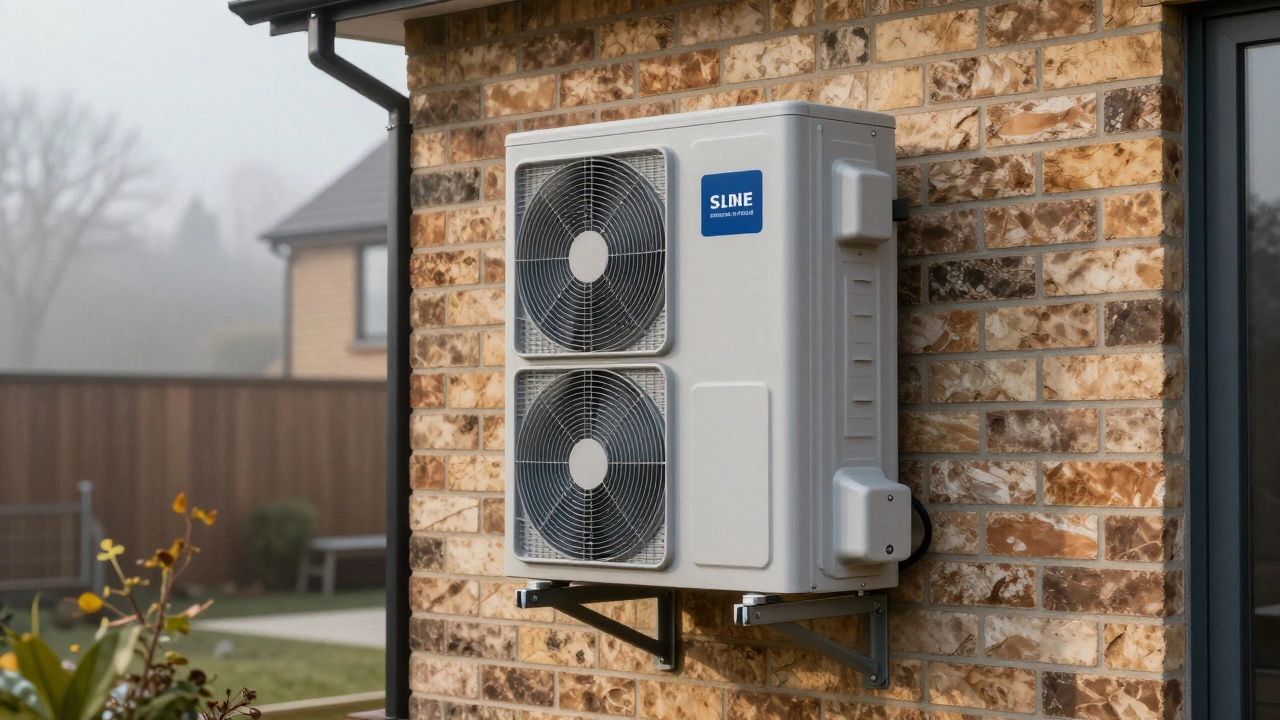
Heat Pump Brand Comparison Tool
Select a brand below to view its reliability profile and key technical strengths based on the 2026 Guide.
Brand Name
Quick Guide: Reliability Winners
- Mitsubishi Electric: Best for long-term durability and quiet operation.
- Daikin: Top choice for advanced inverter technology and efficiency.
- Fujitsu: Great balance of reliability and affordability.
- LG: Strong contender for smart home integration and modern parts.
- Panasonic: Known for air purification and steady performance.
The Heavy Hitters: Who Actually Lasts?
When we talk about reliability, we aren't just talking about whether the machine turns on. We're talking about how many times you have to call a technician over ten years. In the current market, Mitsubishi Electric is a global leader in HVAC technology specializing in hyper-heating inverter systems. They are widely considered the gold standard because their components are over-engineered. If you live in a place with extreme temperature swings, their Hyper-Heating INverter (H2i) technology keeps the system running when cheaper units simply give up.
Then you have Daikin, which is essentially the "Toyota" of the heat pump world. They focus heavily on Inverter technology, which allows the compressor to vary its speed rather than just clicking on and off. This reduces wear and tear on the motor, meaning fewer breakdowns. Because they control so much of their own supply chain, getting a replacement part for a Daikin unit is usually faster than for a generic brand.
For those who want something reliable but aren't trying to spend a fortune, Fujitsu offers a very stable platform. They don't always have the flashiest touchscreens, but their internal circuitry is robust. Many technicians prefer Fujitsu because the systems are straightforward to service, which ironically makes them more reliable since they are less likely to be "messed up" during a routine repair.
Comparing the Top Brands
| Brand | Build Quality | Tech Focus | Typical Lifespan | Repair Ease |
|---|---|---|---|---|
| Mitsubishi Electric | Exceptional | Extreme Cold Performance | 15-20 Years | Moderate |
| Daikin | Very High | Energy Efficiency | 15-18 Years | High |
| Fujitsu | High | Simplicity/Stability | 12-15 Years | Very High |
| LG | Moderate | Smart Connectivity | 10-15 Years | Moderate |
| Panasonic | High | Air Quality/Health | 12-15 Years | Moderate |
Why Some Brands Fail While Others Thrive
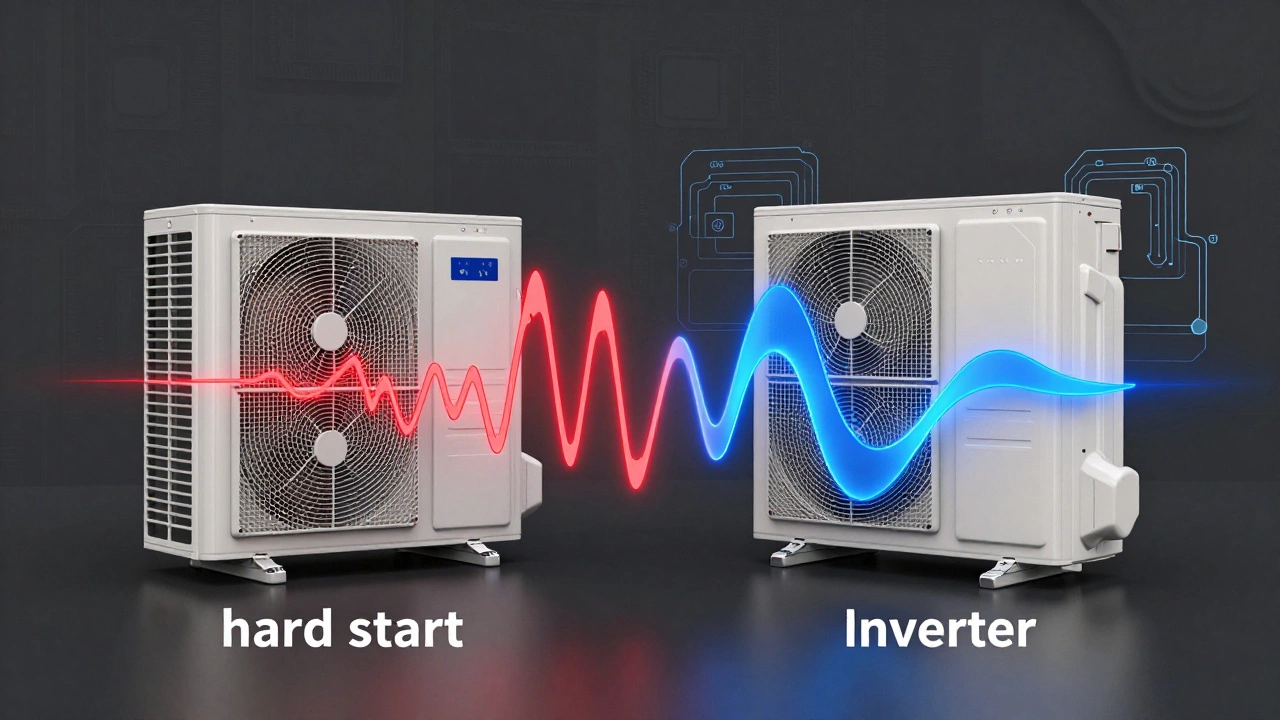
Reliability isn't just about the metal and plastic; it's about the Compressor. This is the heart of the heat pump. Cheap brands use compressors that run at a constant speed, which creates massive heat and friction. Premium brands use variable-speed inverters. Think of it like a car: one brand floors the gas and then slams on the brakes every 5 minutes, while the other maintains a steady, smooth cruise. The cruiser is always going to last longer.
Another factor is the Refrigerant used. With the shift toward more environmentally friendly options like R-32, some brands have transitioned more smoothly than others. Systems that use high-quality, corrosion-resistant coatings on their coils (like those found in high-end Daikin units) will resist the salty air of coastal cities much better than uncoated aluminum coils.
The Secret Ingredient: Installation Quality
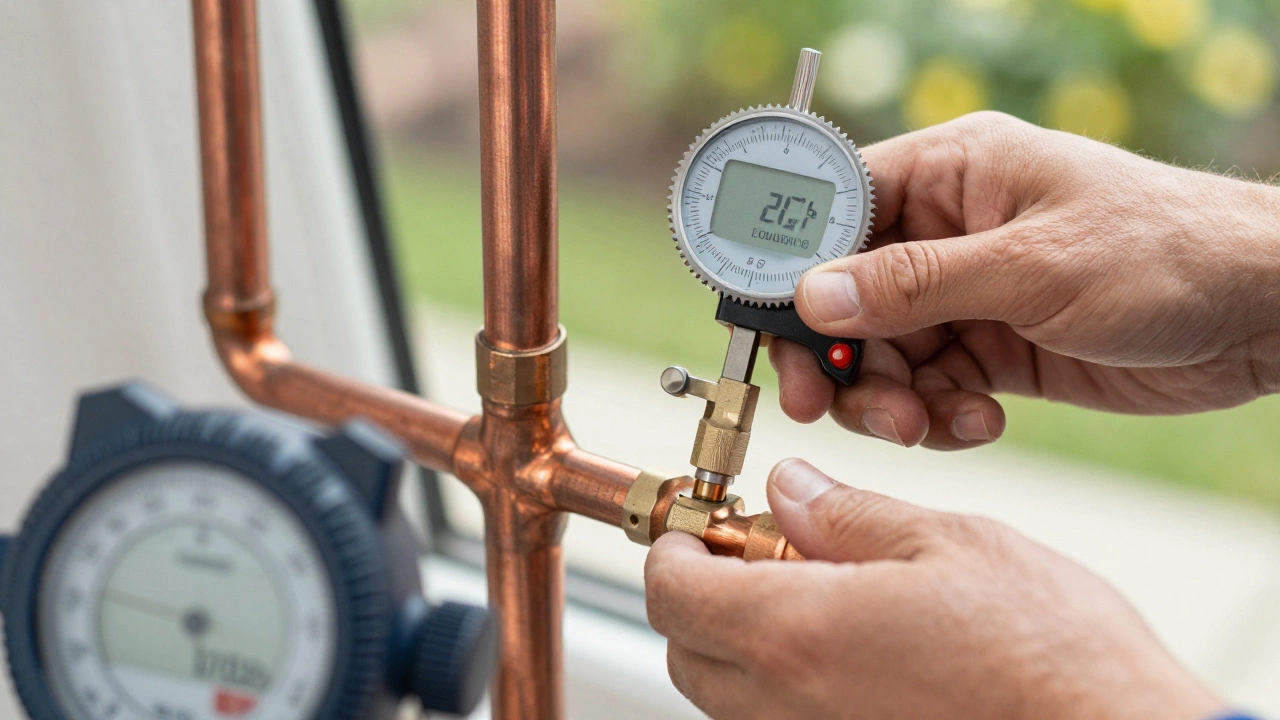
You could buy the most expensive Mitsubishi unit on the planet, but if the installer doesn't vacuum the lines properly, the system will fail. This is a huge point of frustration in most reliable heat pump discussions. Air or moisture trapped in the copper lines creates acid that eats the compressor from the inside out. When a homeowner says "Brand X is junk," it's often actually "Installer Y did a bad job."
To ensure your brand actually lasts, look for these three things during installation:
- Pressure Testing: Did they spend an hour checking for leaks, or did they just hook it up and hope for the best?
- Vacuuming: Did they use a micron gauge to ensure the system is completely dehydrated?
- Sizing: Is the unit too big for your room? An oversized unit "short-cycles," turning on and off rapidly, which kills the motor quickly.
Maintenance: The Difference Between 7 and 15 Years
No heat pump is "set and forget." If you ignore your filters, you are essentially choking your machine. When the airflow is restricted, the indoor coil freezes up. This forces the outdoor unit to work twice as hard to move heat, which puts immense strain on the capacitors and the compressor.
A simple rule of thumb: clean your filters every month during peak summer and winter. If you notice the unit is making a new rattling sound or taking longer to warm the room, call a pro immediately. A $150 service call to fix a loose wire is much better than a $3,000 bill to replace a burnt-out compressor because you ignored a warning sign for six months.
Budget vs. Reliability: Where is the Sweet Spot?
If you're on a tight budget, you might be tempted by "no-name" brands found at big-box stores. These are often generic units rebranded with a different logo. While they work, the problem is the 2026 parts landscape. If a circuit board fries on a generic unit, you might wait weeks for a part from overseas. With the big names, parts are stocked in local warehouses. The slightly higher upfront cost of a reputable brand is essentially an insurance policy against your house becoming an icebox in winter.
Which heat pump brand has the best warranty?
Mitsubishi and Daikin generally offer the most comprehensive warranties, often covering parts for 5 to 10 years, provided the unit is installed by a certified professional. Always check if the warranty covers labor, as most only cover the parts themselves.
Do inverter heat pumps actually last longer?
Yes. Inverter technology prevents the constant "hard start" of the compressor. By ramping up and down slowly, there is significantly less mechanical stress on the internal components, which typically extends the life of the system by several years compared to single-speed units.
Is LG a reliable brand for heat pumps?
LG is very reliable, especially regarding electronics and smart features. While they may not have the decades-long "bulletproof" reputation of Mitsubishi, their modern units are highly efficient and generally reliable if maintained well.
What causes most heat pump failures?
The most common causes are dirty filters leading to frozen coils, improper refrigerant charging during installation, and electrical surges that fry the outdoor capacitors. Regular annual servicing catches these issues before they become catastrophic.
Should I choose a brand based on my local technician's preference?
Absolutely. The best brand is the one your local, trusted technician knows how to fix. If your local pro hates working on one specific brand, you'll either struggle to find someone to service it or pay a premium for a specialist to visit.
What to do next
If you're currently shopping, don't just ask for a quote. Ask the installer which brands they've seen fail most often in your specific area. If you already have a system and it's acting up, start by checking your filters and ensuring the outdoor unit isn't blocked by leaves or debris. If the air isn't blowing cold or hot, you likely have a refrigerant leak or a failed capacitor-both of which are standard fixes for a qualified technician.