
Fridge Repair vs. Replace Calculator
Enter Your Details
Ready to Calculate
Enter your repair quote and new unit price to get a personalized recommendation based on the 50% rule and your fridge's condition.
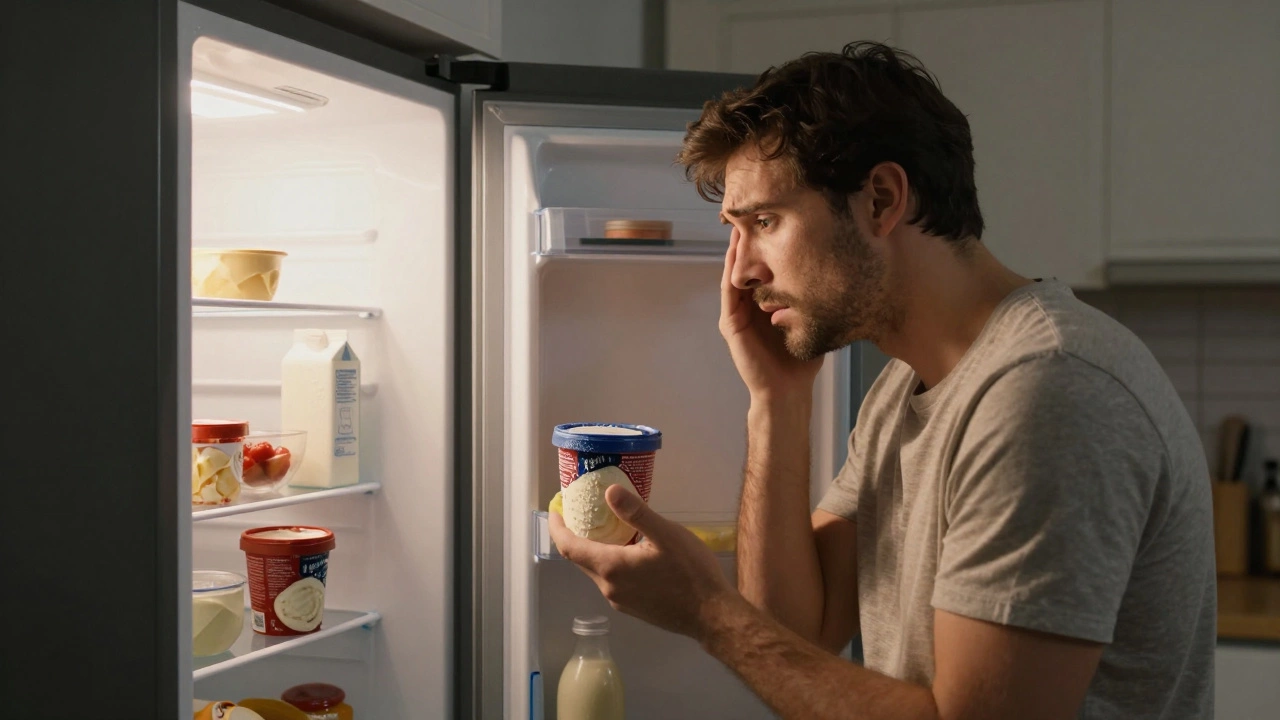
Your fridge just stopped cooling. You open the door to find warm milk and melting ice cream. It’s frustrating, expensive, and happens at the worst possible time. Now you’re staring at that seven-year-old unit wondering if you should call a technician or head straight to the store for a new one.
This is one of the most common dilemmas in home maintenance. A seven-year-old fridge freezer is a combined refrigeration appliance that preserves food by maintaining low temperatures sits right in the gray area. It’s not brand new, but it’s not ancient either. The decision isn’t just about the repair bill; it’s about long-term value, energy costs, and reliability.
The 50% Rule: A Simple Way to Decide
You don’t need an engineering degree to figure this out. Most experienced appliance technicians use a simple heuristic known as the 50% rule. Here is how it works:
- Get a quote: Find out what the repair will cost. Include parts and labor.
- Check the price of a new unit: Look up the cost of a comparable new fridge freezer.
- Compare: If the repair costs more than 50% of the price of a new appliance, replace it.
Let’s say your repair quote is $300. A decent new mid-range fridge freezer costs around $800. Half of $800 is $400. Since $300 is less than $400, repairing makes financial sense. However, if the quote comes back at $500, you are better off buying new. You get a fresh warranty, modern features, and peace of mind for the next decade.
This rule is a starting point, but age matters too. At seven years old, your appliance has used up roughly half of its expected lifespan. Most modern fridges last between 10 and 15 years. If you fix it now, you might squeeze out another five years. But if other components start failing soon after, those repair bills add up quickly.
Common Failures in Seven-Year-Old Units
Not all repairs are created equal. Some fixes are cheap and easy; others are money pits. Understanding what usually breaks at this stage helps you weigh the options.
| Issue | Typical Cost (NZD) | Worth Repairing? |
|---|---|---|
| Door Seal Replacement | $80 - $150 | Yes, always |
| Thermostat Sensor | $150 - $250 | Yes, usually |
| Evaporator Fan Motor | $200 - $350 | Maybe, depends on model |
| Compressor Failure | $400 - $600+ | No, replace unit |
| Refrigerant Leak | $300 - $500 | No, often illegal/expensive |
If your issue is a worn-out door seal or a faulty thermostat, these are minor fixes. They restore performance without breaking the bank. But if the compressor is the heart of the refrigeration system that circulates coolant dies, that’s a different story. Compressors are heavy, complex, and expensive to replace. In a seven-year-old unit, if the compressor goes, the whole unit is likely near the end of its road. Other parts like the fan motor or control board could fail within months.
The Hidden Cost: Energy Efficiency
We often forget that appliances consume electricity every single day. A seven-year-old fridge freezer is significantly less efficient than models available today. New regulations have pushed manufacturers to improve insulation, compressors, and smart controls.
An older unit might use 400-500 kilowatt-hours per year. A new Energy Star-rated or equivalent high-efficiency model might use only 250-300 kilowatt-hours. That difference adds up. In Auckland, where electricity prices can fluctuate, saving 150 kWh annually translates to noticeable savings on your power bill over the next five years.
Think of it this way: when you pay for a repair, you’re paying to keep an inefficient machine running. When you buy new, you’re investing in lower ongoing operating costs. Over ten years, the energy savings from a new fridge can offset a portion of the purchase price.

Environmental Impact: Repair vs. Replace
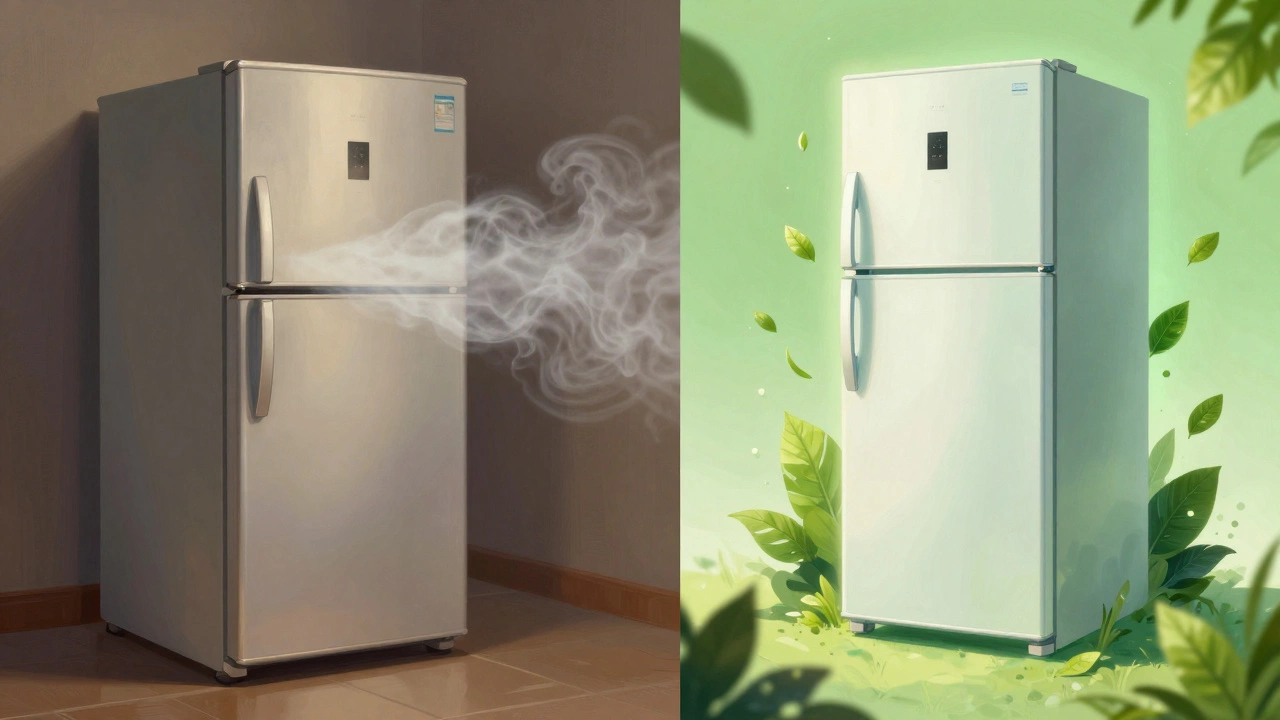
There’s a growing debate about whether repairing is greener than replacing. Intuitively, keeping an old appliance seems better for the planet. You avoid manufacturing waste and shipping emissions. But there’s a catch.
Older refrigerators often use refrigerants that are harmful to the ozone layer or have high global warming potential. Modern units use eco-friendly alternatives like R600a (isobutane). Additionally, the energy inefficiency of an old fridge means it burns more fossil fuels to generate electricity. Studies suggest that if an appliance is more than eight years old, the carbon footprint of its continued operation often outweighs the environmental cost of manufacturing a new, efficient unit.
So, while recycling your old fridge properly is essential, replacing a seven-year-old inefficient model with a green-certified new one can actually be the more environmentally responsible choice in the long run.
Signs Your Fridge Is Ready for Retirement
Sometimes the math doesn’t tell the whole story. Pay attention to how the appliance behaves. Here are red flags that suggest replacement is the smarter move:
- Frequent breakdowns: If you’ve already repaired it once or twice in the last two years, it’s showing signs of systemic failure.
- Noisy operation: Loud buzzing, clicking, or rattling noises often indicate a dying compressor or loose fan blades.
- Inconsistent temperatures: If the freezer freezes solid but the fridge section stays warm, or vice versa, the temperature control system is failing.
- Excessive condensation: Water pooling inside or underneath suggests poor sealing or drainage issues that are hard to fix permanently.
- Outdated features: Does it lack a water dispenser, adjustable shelves, or flexible storage zones? New models offer much better usability.
If your fridge checks two or more of these boxes, consider it a ticking time bomb. Even if the current repair is cheap, another problem will likely emerge soon.
When Repair Makes Sense
Don’t throw away a perfectly good appliance just because it’s seven. There are scenarios where repairing is the clear winner:
- High-end models: If you own a premium brand like Sub-Zero, Liebherr, or Bosch, the initial investment was high. These units are built to last 15-20 years. A $300 repair on a $3,000 fridge is a no-brainer.
- Minor issues: As mentioned, seals, lights, and door handles are cheap to fix and extend life significantly.
- Budget constraints: If you simply cannot afford a new fridge right now, a targeted repair buys you time. Just be prepared for the possibility of further issues.
- Custom fit: If your kitchen cabinetry is built around the exact dimensions of your current fridge, finding a replacement that fits perfectly might be difficult and costly. In this case, repairing preserves the integrity of your kitchen design.
Steps to Take Before Deciding
Before you sign any work orders or click "buy," follow this checklist:
- Diagnose accurately: Don’t guess. Call a qualified technician for a diagnostic fee. This usually costs $50-$100 and gives you a precise estimate.
- Check warranty status: Most standard warranties expire after one or two years. However, some extended warranties or manufacturer guarantees might still cover major components. Check your paperwork.
- Research replacement costs: Visit local retailers or browse online to see what similar models cost today. Prices vary by season, so shop around.
- Consider disposal costs: Removing and recycling an old fridge isn’t free. Many councils charge a fee for bulky waste pickup. Factor this into your replacement budget.
- Ask about parts availability: For older models, spare parts might be discontinued. If the technician says they have to source a part from overseas or salvage yards, expect delays and higher costs.
Making the Final Call
At seven years old, your fridge freezer is in its prime but approaching middle age. If the repair is minor-under $200-and the unit has been reliable otherwise, go ahead and fix it. You’ll likely get several more years of service.
However, if the repair involves the compressor, sealed system, or costs more than half the price of a new unit, bite the bullet and replace it. You’ll benefit from better energy efficiency, modern features, and a full warranty. Plus, you won’t have to worry about the next breakdown for a long time.
Remember, the goal isn’t just to cool your food; it’s to do so efficiently, reliably, and economically. Sometimes the cheapest short-term option becomes the most expensive long-term mistake. Trust the data, listen to your technician, and choose the path that saves you money and stress over the next decade.
How long does a typical fridge freezer last?
Most modern fridge freezers last between 10 and 15 years. Higher-end models can last up to 20 years, while budget units may fail sooner. Regular maintenance, such as cleaning coils and checking seals, can extend lifespan.
Is it worth repairing a fridge if the compressor fails?
Generally, no. Compressor replacement is expensive, often costing $400-$600 or more. Given that a seven-year-old fridge has limited remaining life, investing in a new unit is usually more cost-effective and reliable.
What is the 50% rule for appliance repair?
The 50% rule states that if the cost of repair exceeds 50% of the price of a new appliance, you should replace it instead. This helps prevent spending too much on aging equipment with diminishing returns.
Do newer fridges save enough energy to justify replacement?
Yes. Newer models are significantly more energy-efficient due to improved insulation and compressors. Over 5-10 years, the energy savings can amount to hundreds of dollars, partially offsetting the purchase price.
Can I recycle my old fridge myself?
It is not recommended to dispose of a fridge in regular trash due to hazardous refrigerants. Most councils offer bulky waste pickup services, often for a fee. Alternatively, many appliance retailers offer take-back programs when you buy a new unit.