It’s late. You’ve just finished dinner. You open the dishwasher to unload-only to see a few inches of standing water pooling at the bottom. You didn’t notice it before, but now it’s impossible to ignore. Is this normal? Should you be worried? And more importantly-how do you fix it?
The short answer: a little water after a cycle is normal. But if you see more than a cup or two, especially if it smells bad or you can’t run a new cycle, something’s wrong. Most of the time, it’s not a broken pump or a major repair. It’s usually something simple you can fix yourself in under 30 minutes.
Your Dishwasher Isn’t Draining Properly
The most common reason water stays at the bottom is that the dishwasher can’t drain it out. Dishwashers are designed to pump water out through a drain hose connected to your kitchen sink or garbage disposal. If that path is blocked, water has nowhere to go.
Start by checking the drain hose. It’s usually tucked under the sink. Look for kinks or bends-especially if you recently moved the dishwasher or did any kitchen remodeling. A sharp bend can crush the hose and stop water flow. Straighten it out. If it’s coiled tightly around something, reposition it so it has a smooth, upward slope toward the drain connection.
Next, check the connection point. If your dishwasher drains into a garbage disposal, run the disposal first. Food scraps can build up and block the inlet. Run cold water and turn it on for 15 seconds. Then run a short dishwasher cycle with nothing inside. If the water drains, the issue was just debris in the disposal.
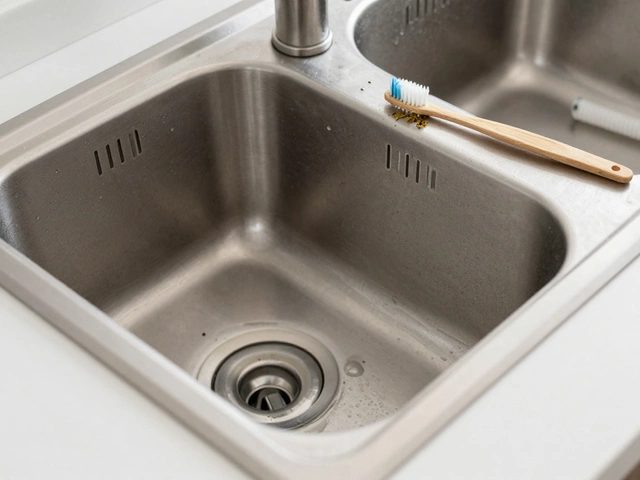
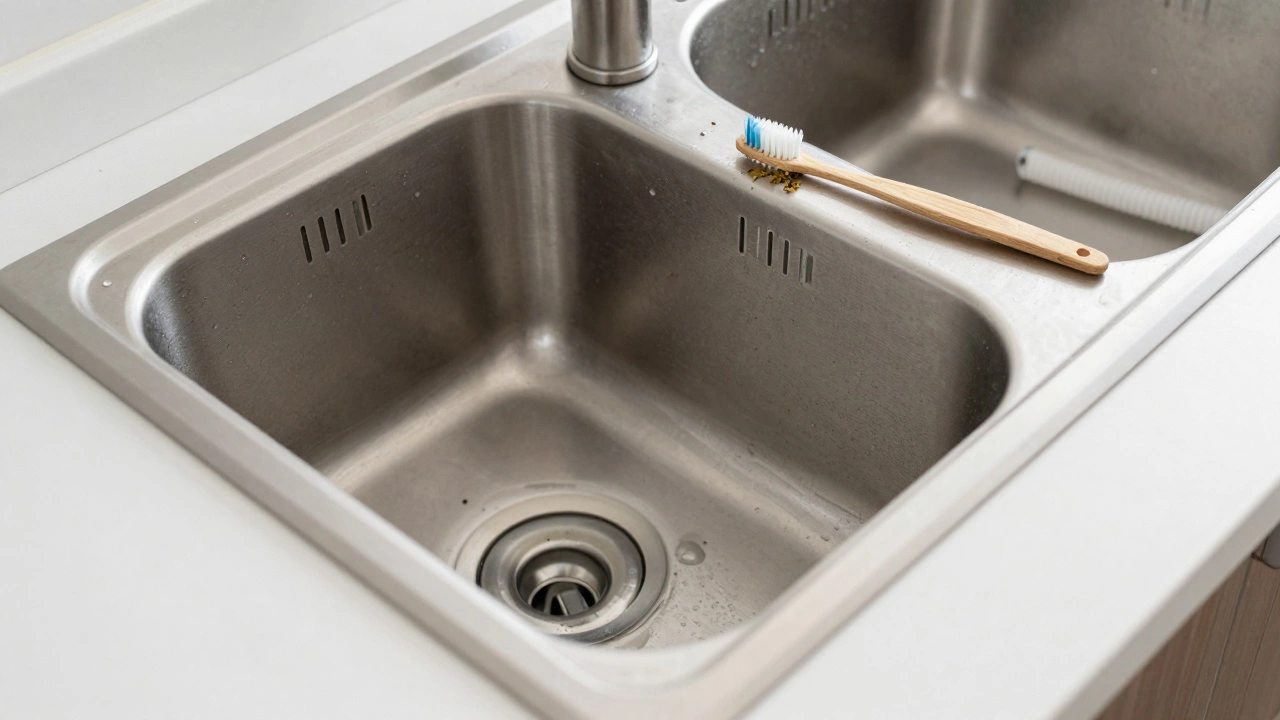
If you don’t have a disposal, your dishwasher likely drains into a standpipe or air gap. Look at the air gap-a small metal or plastic cap on your sink edge. Pop off the cover. You’ll often find a clog of food bits or soap scum inside. Clean it out with a toothbrush and warm water. Reassemble and test.
The Filter Is Clogged
Every modern dishwasher has a filter at the bottom, usually near the spray arm. It catches food particles so they don’t clog the pump or drain. But if you don’t clean it regularly, it becomes a sponge for debris-and blocks drainage.
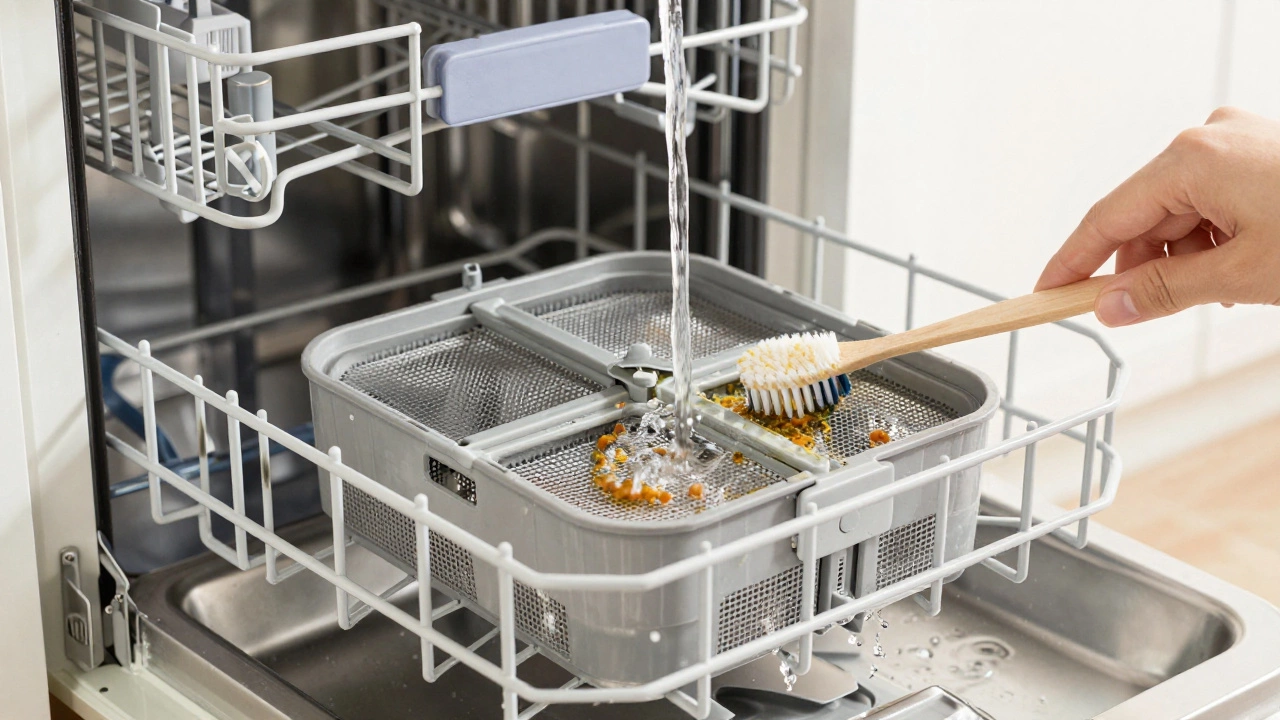
To clean it: remove the bottom rack. Twist or pull out the filter. It might be a two-part system: a coarse pre-filter and a fine mesh screen. Rinse both under running water. Use an old toothbrush to scrub away grease and stuck-on bits. Don’t use soap-it can leave residue that affects performance. Reinstall it securely. Run a rinse cycle. If the water drains now, you found your culprit.
Most manufacturers recommend cleaning the filter every 1-2 weeks if you use the dishwasher daily. If you only run it once or twice a week, clean it once a month. Skip this step, and you’ll keep getting standing water.
The Drain Pump Is Faulty
If the hose and filter are clear, but water still won’t drain, the pump might be failing. The pump’s job is to push water out during the drain cycle. If the impeller (the spinning part inside) is broken, jammed, or worn out, it won’t move water.
Listen closely during a cycle. When it reaches the drain phase, you should hear a loud, steady hum. If it’s quiet or makes a grinding noise, the pump might be stuck. Unplug the dishwasher. Remove the bottom panel (usually held by screws). Locate the pump-it’s near the bottom, often with a plastic housing and wires attached. Look for visible damage or debris stuck in the impeller. Use pliers to gently turn it. If it doesn’t spin freely, the pump needs replacing.
Replacing a dishwasher pump isn’t hard, but it’s not a beginner job. You’ll need the right model number. Check your dishwasher’s serial plate (usually on the door frame) and search for the pump part online. Prices range from $50 to $120. If you’re not comfortable doing it yourself, call a technician. But don’t assume the pump is dead until you’ve ruled out the filter and hose.
There’s a Blockage in the Drain Line
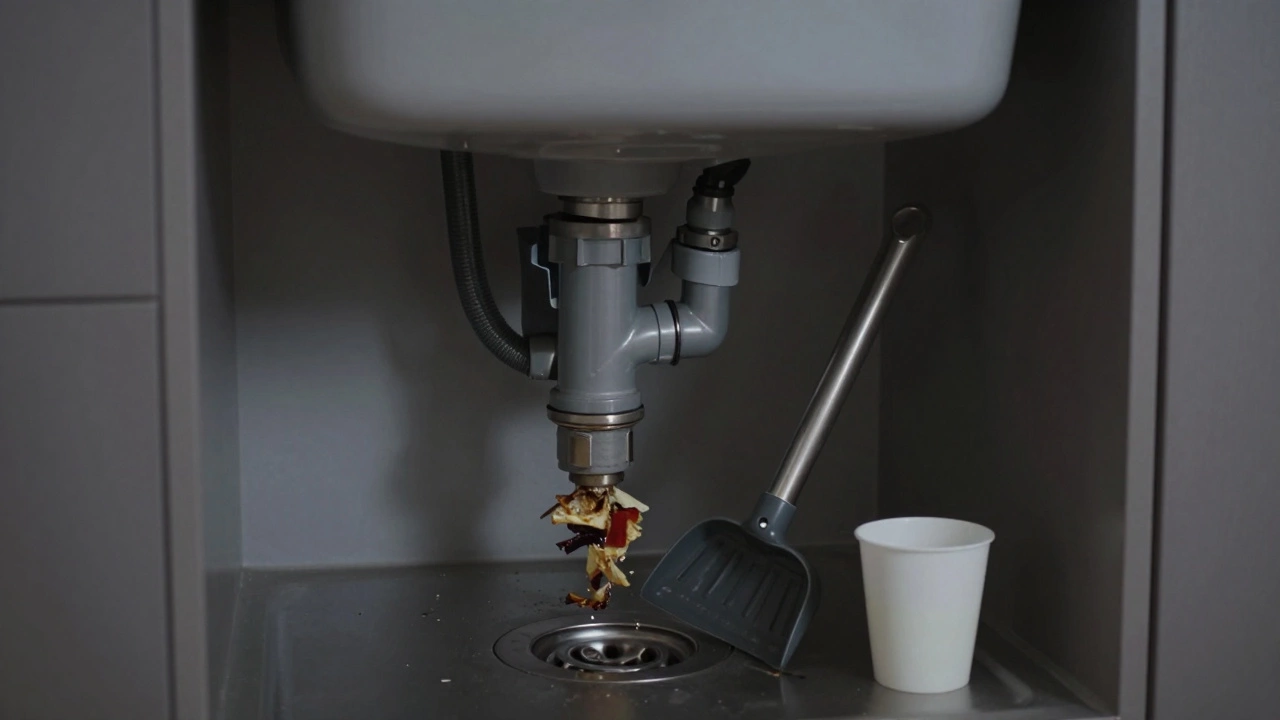
Your dishwasher shares the same drain line as your sink. If the main drain pipe under the sink is clogged, water backs up into the dishwasher. This is especially common in older homes with narrow pipes or if you’ve recently had slow draining in the sink.
Test this: fill your sink with water and pull the plug. If it drains slowly, the issue isn’t the dishwasher-it’s the shared drain. Use a plunger on the sink first. If that doesn’t work, try a drain snake. Push it into the sink drain until you feel resistance. Twist and push to break up the clog. Pull out the debris. Run hot water for a minute. Then run a dishwasher cycle. If the water drains now, you’ve fixed the root problem.
Don’t use chemical drain cleaners. They can damage dishwasher hoses and seals. And they’re often ineffective on grease-heavy clogs, which are the most common in kitchen drains.
The Float Switch Is Stuck
Every dishwasher has a float-a small plastic cup that rises as water fills the tub. When it hits a certain height, it triggers a switch that stops the water from filling. But if the float gets stuck in the up position, the dishwasher thinks it’s already full. It won’t start the drain cycle.
Remove the bottom rack. Look for the float near the front or back of the tub. It’s usually white or light gray. Gently move it up and down with your fingers. If it doesn’t move smoothly, something is blocking it-maybe a broken piece of plastic, a piece of food, or even a bent arm. Clear the obstruction. If the float is cracked or doesn’t spring back, replace it. Float switches cost under $20 and are easy to swap.
Wrong Detergent or Too Much of It
Using the wrong kind of detergent can cause a foam explosion inside your dishwasher. Regular dish soap? Big mistake. It’s made to create suds-exactly what you don’t want in a dishwasher. Even some “eco” or “hand-wash” detergents can foam up.
Too much detergent-even the right kind-can also cause issues. Excess suds can clog the drain, trick the float sensor, or leave a slimy residue that blocks the pump. Always use dishwasher-specific pods, powder, or gel. Follow the manufacturer’s instructions. One pod is usually enough, even for a full load.
If you’ve used the wrong detergent, run a cycle with no dishes and a cup of white vinegar on the top rack. This helps break down foam and residue. Then clean the filter again. The water should drain normally after that.
When to Call a Professional
You’ve checked the filter, the hose, the float, the drain line-and water still won’t drain. Now what?
It could be an electrical fault in the control board, a failed drain solenoid, or a cracked internal pump housing. These are harder to diagnose without tools. If your dishwasher is over 10 years old, parts may be discontinued. In that case, replacement might be more cost-effective than repair.
Call a technician if:
- The dishwasher leaks water onto the floor
- You hear unusual noises like buzzing, clicking, or loud grinding
- It won’t start any cycle at all
- You’ve tried all the fixes above and nothing works
Don’t ignore persistent water pooling. Left unchecked, it can lead to mold, foul odors, or even damage to your cabinetry and flooring.
Quick Checklist: What to Do When Water Stays in Your Dishwasher
- Run the garbage disposal if you have one.
- Check and clean the filter at the bottom of the tub.
- Inspect the drain hose for kinks or blockages.
- Clear the air gap (if present) with a toothbrush.
- Test the float switch-make sure it moves freely.
- Use only dishwasher-safe detergent and don’t overfill.
- Run a vinegar cycle to dissolve grease and foam.
- Check your sink’s drain-slow sink = slow dishwasher.
If you follow these steps and the water still won’t drain, it’s time to call a repair specialist. But in most cases, you’ve already solved it by now.
How to Prevent This From Happening Again
Prevention is easier than fixing. Here’s what works:
- Clean the filter every two weeks if you use the dishwasher daily.
- Scrape plates before loading-don’t rinse them, just remove big food bits.
- Use the right detergent. No dish soap. Ever.
- Run the dishwasher at least once a week to keep the seals and pump lubricated.
- Run a monthly vinegar cycle to prevent buildup.
- Don’t overload the dishwasher. Blocked spray arms mean poor cleaning and trapped debris.
These small habits will save you time, money, and frustration. And you’ll never have to stare at standing water again.
Is it normal to have a little water in the bottom of my dishwasher?
Yes. A small amount-about a cup or less-is normal. This water helps keep the seals moist and prevents them from drying out. But if you see more than that, especially if it’s dirty or smells bad, it’s a sign of a drainage issue.
Can I use vinegar to clean my dishwasher drain?
Yes. White vinegar is safe and effective. Pour one cup into a dishwasher-safe bowl and place it on the top rack. Run a hot water cycle without dishes. Vinegar breaks down grease, mineral buildup, and soap scum. It won’t harm your dishwasher and helps eliminate odors.
Why does my dishwasher smell bad when water sits at the bottom?
Stagnant water traps food particles, grease, and mold. The warm, dark environment is perfect for bacteria to grow. Clean the filter, run a vinegar cycle, and dry the tub by leaving the door open after each use. If the smell returns quickly, there’s likely a hidden clog or failing pump.
Should I run the garbage disposal before using the dishwasher?
Yes, if your dishwasher drains into the disposal. Food scraps can block the inlet. Run the disposal with cold water for 15-20 seconds before starting the dishwasher. This clears debris and helps prevent backups.
Can a clogged drain cause my dishwasher to leak?
Yes. If water can’t drain properly, pressure builds up and can force water out through seals or connections. You might see puddles on the floor or dampness under the unit. Fix the drain issue first-then check for leaks.