Water Heater Maintenance Tracker
Your Personalized Maintenance Plan
Most people don’t think about their water heater until it stops working. By then, it’s too late - no hot showers, delayed laundry, and maybe even a leak that floods part of your basement. The good news? A little regular maintenance can keep your water heater running smoothly for 10 to 15 years, sometimes longer. You don’t need to be a plumber. You just need to know what to do and when to do it.
Flush the Tank Annually
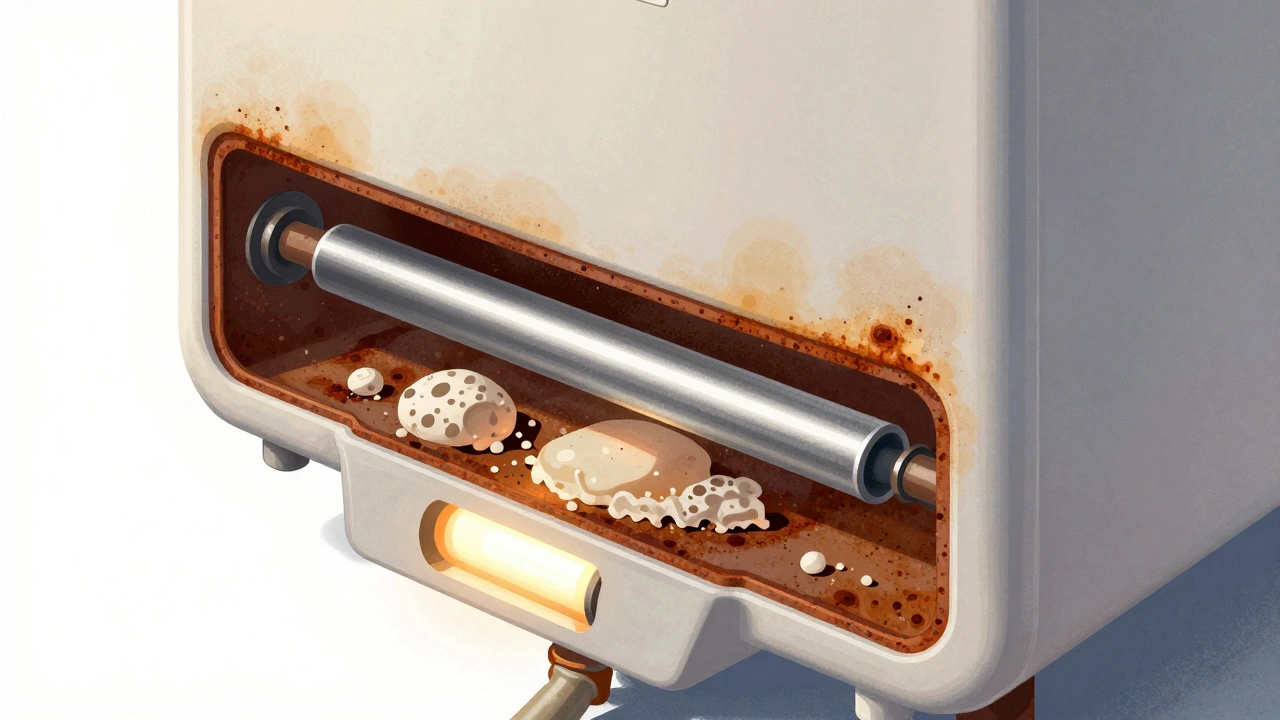
Hard water leaves behind minerals like calcium and magnesium. Over time, these settle at the bottom of your tank as sediment. That layer acts like insulation, forcing your heater to work harder and longer to warm the water. The result? Higher energy bills and a shorter lifespan for the unit.
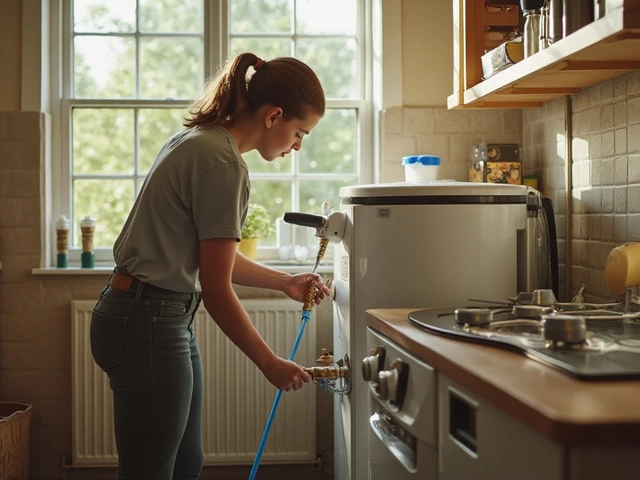
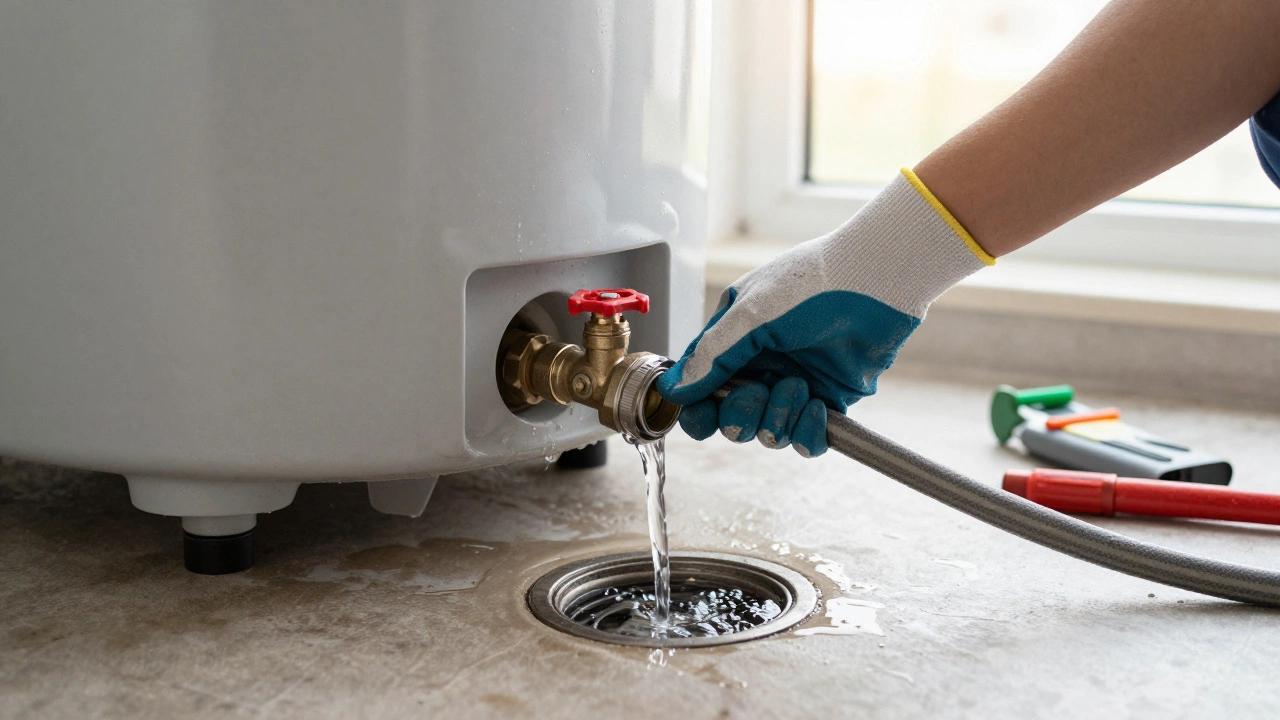
Flushing the tank removes this buildup. It’s simple: turn off the power or gas, shut the cold water inlet valve, attach a garden hose to the drain valve at the bottom, and run the water into a floor drain or outside until it runs clear. Do this once a year. If you live in an area with very hard water, do it twice.
Some homeowners skip this step because they think, “It still heats water fine.” But sediment doesn’t just slow things down - it can burn out the heating element in electric models or warp the tank lining in gas units. A 2023 study by the Water Quality Association found that homes flushing their tanks yearly saw a 22% reduction in energy use and 30% fewer repairs.
Check the Anode Rod Every Year
The anode rod is the unsung hero of your water heater. Made of magnesium, aluminum, or zinc, it sits inside the tank and attracts corrosive elements that would otherwise eat away at the steel lining. Think of it as a sacrificial shield - it corrodes instead of your tank.
But once it’s used up, your tank is exposed. If you don’t check it, you could end up with a rusted tank that leaks. To inspect it, turn off the power and water, then remove the rod using a socket wrench. If it’s coated in calcium or looks thinner than a pencil, it’s time to replace it. If it’s more than half gone, replace it immediately.
Most manufacturers recommend checking it every year, especially if you have soft water or a water softener. Soft water speeds up anode rod corrosion. Replacing it costs $20-$50 and can add 5+ years to your heater’s life.
Test the Pressure Relief Valve
Your water heater’s pressure relief valve is a safety feature. If pressure builds up too high - say, from a malfunctioning thermostat or blocked outlet - this valve opens to release steam and water. If it’s stuck, your tank could explode.
Test it by lifting the lever on the valve slowly. You should hear a rush of water and steam. Let it snap back. If no water comes out, or if it drips afterward, the valve is faulty. Replace it right away. Don’t delay. This isn’t something you can ignore.
Most valves fail from mineral buildup or age. Even if it works now, it’s a good idea to test it every six months. It takes 30 seconds and could save your home.
Inspect for Leaks and Corrosion
Check the base of the tank, the pipes, and the fittings every few months. Look for wet spots, rust, or white crusty deposits - signs of slow leaks or mineral seepage. Small drips become big problems fast. A leaky tank can ruin drywall, flooring, and even your basement insulation.
If you notice rust on the tank itself, especially near the bottom, it’s a warning sign. Once the steel tank starts corroding from the outside, it’s only a matter of time before it fails. Replace the heater before it leaks during a cold night.
Also, check the connections where the pipes meet the heater. Tighten them gently if they feel loose. Don’t over-tighten - you could crack the fittings.
Set the Right Temperature
Most water heaters come preset at 140°F. That’s hotter than most homes need. It wastes energy and increases the risk of scalding. The Department of Energy recommends 120°F for most households.
Lowering the temperature reduces mineral buildup, slows corrosion, and cuts energy use by 3-5% annually. To adjust it, turn off power, remove the access panel (electric) or gas control knob (gas), and set the dial to 120. If you have a dishwasher without a booster heater, you might need to keep it at 130°F. But for most families, 120°F is safe and efficient.
Insulate the Pipes and Tank
Heat escapes from your water heater and pipes, especially if they’re in an unheated garage or basement. Insulating them keeps heat in, so the heater doesn’t cycle on as often.
For pipes, use foam pipe insulation - it’s cheap and easy to install. Slip it over the hot water lines, especially the first 5-6 feet from the heater. For the tank itself, wrap it with a water heater blanket if it’s an older model. Newer tanks have better insulation built in, so check the manufacturer’s specs first.
A properly insulated tank can reduce standby heat loss by 25-45%. That’s like getting free hot water every month.
What to Do If You Notice Problems
Here are signs your water heater needs more than routine maintenance:
- Strange noises - popping, rumbling, or banging? That’s sediment buildup. Flush the tank immediately.
- Discolored water - brown or rusty water? Could be a corroded anode rod or tank lining. Test the rod and check for leaks.
- Water pooling - even a small puddle under the tank means a leak. Shut off the water and power. Call a pro.
- No hot water - if the pilot light went out or the breaker tripped, reset it. If it keeps happening, the thermostat or element may be failing.
Don’t try to repair a cracked tank. Once the steel is compromised, replacement is the only safe option.
When to Replace Your Water Heater
Even with perfect maintenance, water heaters don’t last forever. Most last 8-12 years. If yours is older than 10 and you’re already doing all the maintenance steps, it’s time to start thinking about replacement.
Signs it’s time:
- It’s over 10 years old
- It takes longer to heat water
- It’s making loud noises
- There’s visible rust on the tank
- You’re spending more on repairs than a new unit would cost
Modern water heaters are 20-30% more efficient than models from 10 years ago. A new unit can pay for itself in energy savings within 3-5 years.
Quick Maintenance Checklist
Here’s a simple annual checklist to keep your heater running:
- Flush the tank - once a year
- Check and replace the anode rod - once a year
- Test the pressure relief valve - every 6 months
- Inspect for leaks and corrosion - every 3 months
- Set temperature to 120°F - check once
- Insulate pipes and tank - if older than 2015
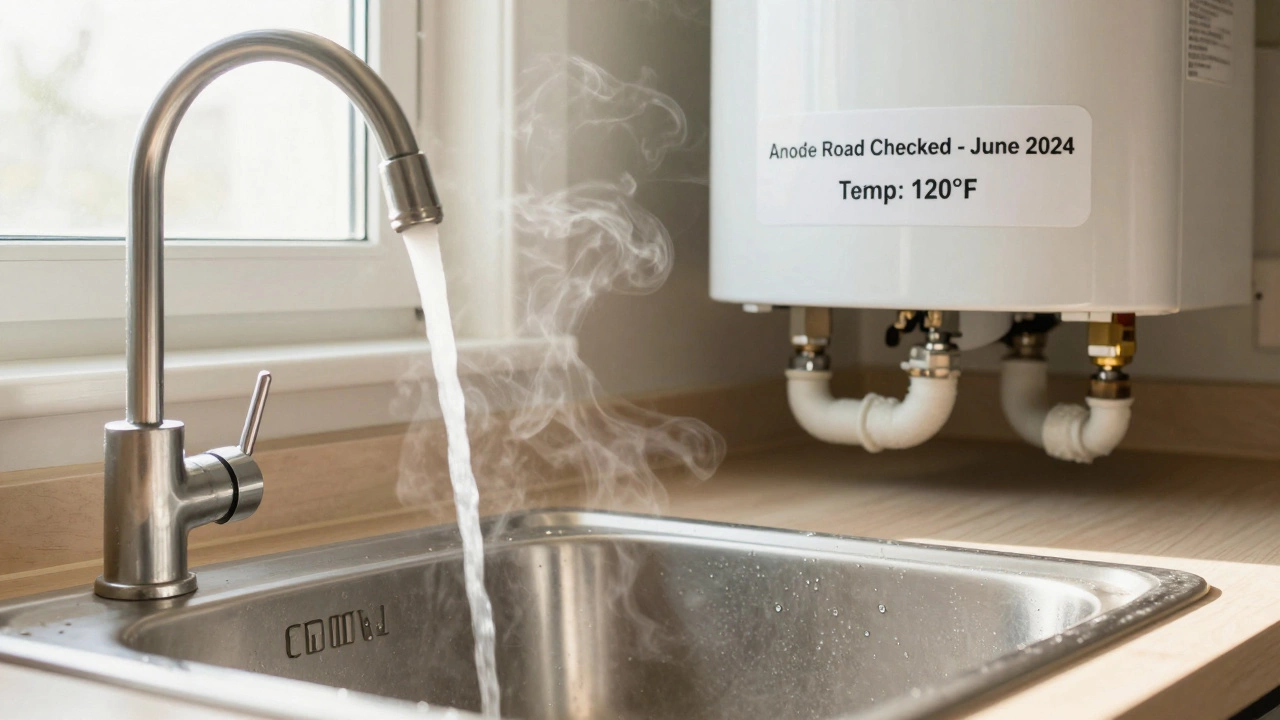
Keep a note of when you last did each task. A small sticker on the side of the heater works.
How often should I flush my water heater?
You should flush your water heater at least once a year. If you have hard water or live in an area with high mineral content, do it twice a year. Flushing removes sediment buildup that reduces efficiency and can damage the tank over time.
Can I replace the anode rod myself?
Yes. You’ll need a socket wrench, a new anode rod (magnesium or aluminum), and some Teflon tape. Turn off the power and water, drain a few gallons from the tank, and unscrew the old rod. Replace it with the new one, seal the threads with tape, and reconnect everything. It takes about 45 minutes and saves you hundreds in repairs.
Why is my water heater making noise?
Popping or rumbling sounds usually mean sediment has built up on the bottom of the tank. When the heating element turns on, it heats the water trapped under the sediment, causing it to boil and create noise. Flushing the tank will fix it. If the noise continues after flushing, the heating element may be damaged.
Should I turn off my water heater when I go on vacation?
Yes. Turn off the power (for electric) or set the gas valve to pilot mode. Also shut off the water supply. This prevents leaks from going unnoticed and saves energy. When you return, let the tank refill completely before turning the power back on.
Is it worth insulating my water heater?
If your water heater is over 10 years old and feels warm to the touch, yes. Insulation blankets reduce heat loss by up to 45%, cutting energy bills and helping the heater last longer. Newer models have better insulation built in, so check your manual first.