
NZ Kitchen Ventilation Compliance Checker
Result
Select your options and click "Check Requirements" to see what the NZ Building Code says.
You’re standing in your Auckland kitchen, staring at that persistent layer of grease on the ceiling or fighting the smell of last night’s curry. You might be wondering if you can just skip installing a proper kitchen extractor fan to save money or avoid drilling holes in your walls. The short answer? It depends entirely on when your house was built and what kind of cooking appliance you are using.
In New Zealand, the rules aren’t as simple as "yes" or "no." They hinge on the New Zealand Building Code (NZBC), specifically Clause G4 Ventilation. If you ignore these requirements, you risk moisture damage, mold growth, and failing a building inspection if you ever sell your home. Let’s break down exactly what the law says, where the gray areas exist, and why having a working fan is often more about protecting your lungs than passing an inspection.
The Core Rule: Clause G4 of the NZ Building Code
To understand if you legally need a fan, you have to look at Clause G4 Ventilation. This section of the building code dictates how fresh air must move through a home to keep it healthy. The key distinction here is between intermittent ventilation and continuous ventilation.
Kitchens fall under intermittent ventilation. The code requires that spaces with significant moisture or heat generation-like kitchens and bathrooms-must have a way to remove that air quickly. However, the method changes based on the age of your property and the type of heating source you use.
- New Builds (Post-2008): Strict compliance is required. You generally need a mechanical extraction system (a fan) connected to the outside, especially if you don't have operable windows that provide sufficient cross-ventilation.
- Older Homes: The code is not retroactive for existing structures unless you are doing major renovations. However, local councils may enforce stricter rules during permits for kitchen remodels.
If you are buying a new build in Auckland, the builder is legally obligated to install a compliant extraction system. If they didn’t, that’s a defect you can claim against them. For older homes, the "legal" requirement shifts from installation to maintenance once a system exists.
Gas vs. Electric Cooktops: The Critical Difference
This is where many homeowners get tripped up. The fuel source matters immensely. If you are using a gas cooktop, the stakes are higher.
Gas combustion produces water vapor, carbon monoxide, and nitrogen dioxide. While modern sealed-combustion appliances are safer, open-flame gas hobs still release significant pollutants into the room. In many jurisdictions within New Zealand, including strict interpretations by some Auckland Council inspectors, a mechanical range hood is effectively mandatory for gas installations to prevent indoor air quality issues.
For electric cooktops, the primary pollutant is grease-laden steam and heat. While less immediately dangerous than carbon monoxide, grease buildup is a fire hazard and creates a breeding ground for bacteria. Here, the law focuses on preventing condensation damage rather than immediate toxicity.
| Appliance Type | Primary Pollutant | Legal Requirement (New Build) | Recommended Solution |
|---|---|---|---|
| Gas Cooktop | Carbon Monoxide, NO2, Moisture | Mandatory Mechanical Extraction | Ducted Range Hood |
| Electric Induction | Grease, Heat, Steam | Intermittent Ventilation Required | Ducted or Recirculating Hood |
| Open Fireplace/Wood Burner | Particulates, Smoke | Mandatory Flue System | Properly Sealed Chimney |
Does a Window Count as Legal Ventilation?
Many people assume that opening a window satisfies the building code. Technically, yes-but only under specific conditions. Clause G4 allows for natural ventilation if you have operable windows that allow for adequate air exchange.
However, there’s a catch. Natural ventilation relies on wind and temperature differentials. In Auckland’s humid climate, opening a window might bring in more moisture from outside than it removes from inside, especially if you’re boiling pasta or frying fish. Furthermore, if your kitchen doesn’t have a window facing the outdoors directly, or if the window is too small relative to the room size, natural ventilation fails the compliance test.
If you rely solely on windows, you must ensure they are opened every time you cook. If you forget, you’ve failed the functional intent of the code, even if you passed the structural one. This is why mechanical fans are preferred-they work consistently regardless of the weather.
Recirculating Fans vs. Ducted Systems
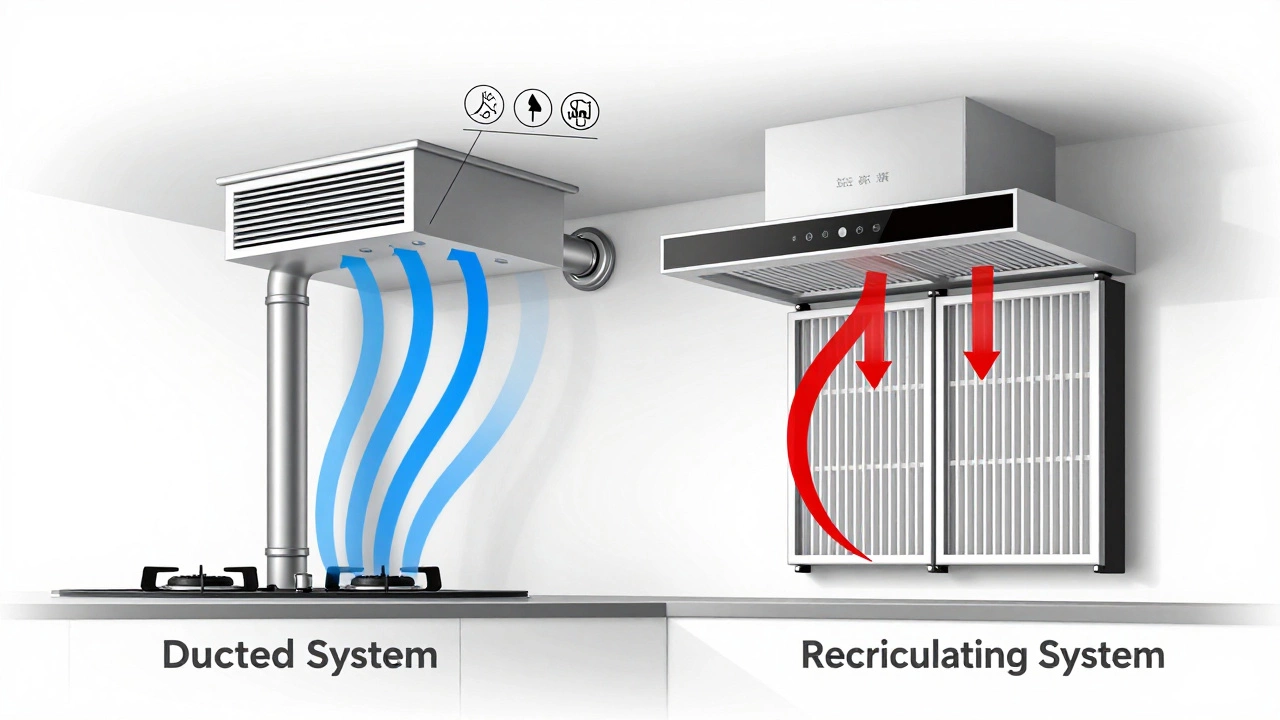
Not all extractor fans are created equal, and the law treats them differently regarding effectiveness. There are two main types: ducted and recirculating (also known as charcoal-filtered).
Ducted systems pull air out of the kitchen and expel it outside through a wall or roof vent. This is the gold standard. It removes heat, moisture, grease, and odors completely from your home. Most council plans prefer this option because it prevents humidity buildup elsewhere in the house.
Recirculating systems pull air through a grease filter and then a carbon filter before blowing it back into the kitchen. They do not remove heat or moisture; they only reduce odors and visible grease particles. While legal in many retrofit situations where ducting is impossible, they are less effective at maintaining long-term air quality. If you live in a high-rises apartment in Central Auckland where external ducting is prohibited, this might be your only legal option, but know its limitations.
What Happens If You Don’t Have One?
If you’re in an older home without a fan, you likely won’t receive a fine from the council simply for lacking one. The enforcement usually happens during:
- Sale and Purchase Agreements: A building inspector might flag inadequate ventilation as a defect. Buyers can negotiate price reductions or demand repairs.
- Renovation Permits: If you knock down walls to create an open-plan living space, you may trigger a requirement to upgrade ventilation to meet current codes for the entire affected area.
- Insurance Claims: If grease buildup causes a fire or mold damages your ceilings, your insurer might deny the claim if they determine you failed to maintain adequate ventilation as per reasonable care standards.
From a health perspective, the risks are real. Poor ventilation leads to elevated levels of volatile organic compounds (VOCs) and particulate matter. Over time, this can exacerbate asthma and allergies, particularly in children and the elderly. In Auckland’s damp environment, unchecked moisture also leads to mold, which degrades insulation and timber framing.
Maintenance Is Part of the Legal Obligation
Installing the fan is step one. Keeping it working is step two. Under the Health and Safety at Work Act and general property maintenance duties, you are responsible for ensuring safety systems function correctly. An extractor fan that doesn’t turn on is no better than no fan at all.
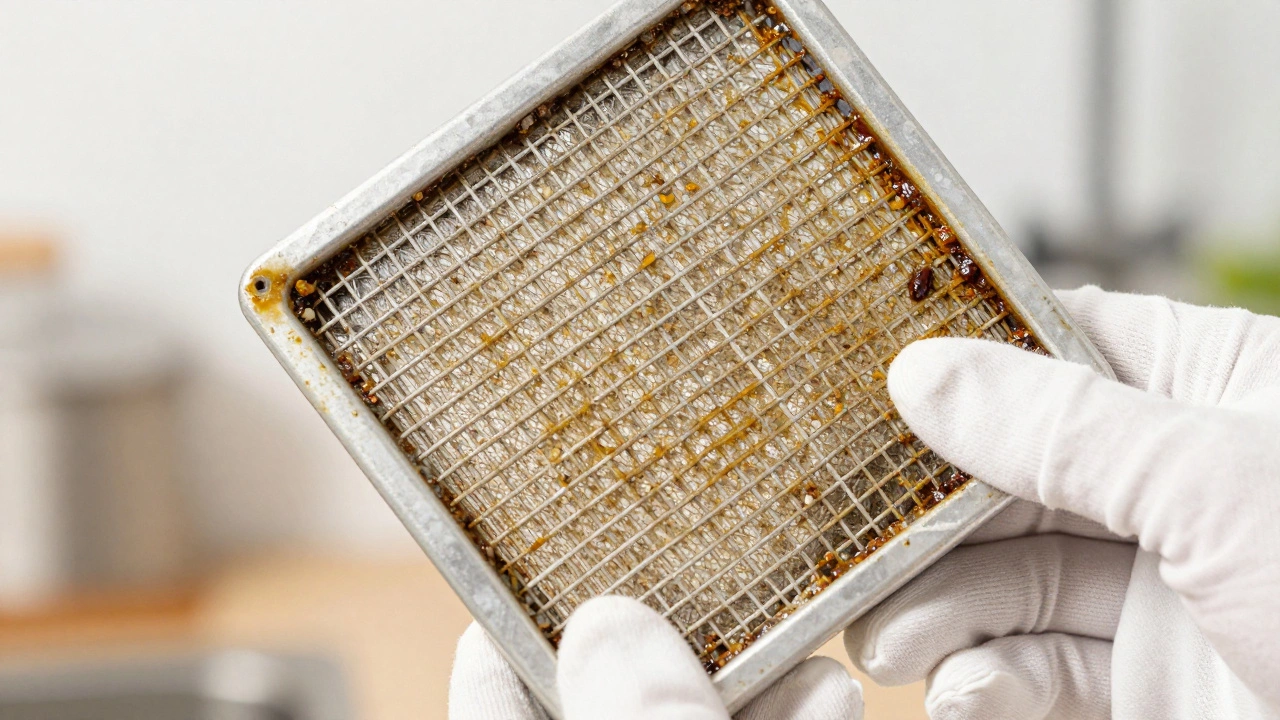
Common failures include clogged filters, worn-out motors, or blocked ducts. Grease accumulates rapidly in the filters, reducing airflow efficiency by up to 50% if not cleaned regularly. For recirculating models, carbon filters need replacement every 6-12 months depending on usage. Ducted systems require annual checks to ensure the flapper valve opens correctly and the duct isn’t obstructed by bird nests or debris.
If you notice your fan is noisy, vibrating, or failing to clear steam, don’t ignore it. These are signs of impending failure. Professional servicing can extend the life of the motor and ensure compliance with air exchange rates specified in the original installation plan.
Special Considerations for Auckland Apartments
Living in a unit title apartment adds another layer of complexity. Your body corporate or owners corporation likely has rules about modifications. You cannot drill a hole in the exterior wall without permission. In these cases, recirculating hoods are often the default legal solution.
Additionally, shared ventilation shafts in older buildings can cause odor transfer between units. If your neighbor’s cooking smells like yours, the issue might be a backdraft damper failure in the shared ductwork. This is a maintenance issue that falls under the responsibility of the body corporate, not the individual owner.
When Do You Absolutely Need a Professional?
You should call a professional for extractor fan repair or installation if:
- You are installing a gas cooktop and need to verify duct sizing and clearance distances.
- Your current fan is making grinding noises or sparking, indicating electrical or bearing failure.
- You are renovating and need a Certificate of Compliance (CoC) from a licensed engineer or plumber.
- You suspect mold growth due to poor ventilation and need an air quality assessment.
DIY installations are possible for simple plug-in models, but hardwired units require a registered electrician to ensure safety and compliance with the Electrical Wiring Rules.
Is it illegal to cook without an extractor fan in New Zealand?
It is not explicitly "illegal" in the sense that police will arrest you, but it violates the New Zealand Building Code (Clause G4) for new builds and major renovations. For existing homes, it is a breach of best practice and may fail building inspections during a sale. Using gas appliances without adequate ventilation poses serious health risks and may violate local bylaws regarding indoor air quality.
Can I use a window instead of an extractor fan?
Yes, if your kitchen has an operable window that provides sufficient cross-ventilation. However, this is considered "natural ventilation" and is less effective than mechanical extraction. In Auckland's humid climate, relying solely on windows may lead to moisture issues. The Building Code accepts this for older homes but prefers mechanical solutions for new constructions.
Do I need a ducted fan if I have an electric cooktop?
While not always strictly mandatory for electric cooktops in retrofits, a ducted fan is highly recommended. It removes heat and grease-laden air from your home. Recirculating fans are legal alternatives but do not remove moisture or heat, only odors. If you are building new, most councils will require a ducted system for optimal performance.
How often should I clean my extractor fan filters?
Grease filters should be cleaned every 1-2 months if you cook frequently. Carbon filters in recirculating models should be replaced every 6-12 months. Neglecting this maintenance reduces airflow efficiency and can lead to fire hazards from grease buildup. Regular cleaning ensures the fan operates within its designed specifications.
What happens if my extractor fan stops working?
If your fan breaks, you are technically non-compliant with the ventilation standards your home was approved under. You should repair or replace it promptly. In the meantime, increase natural ventilation by opening windows. Persistent failure to maintain essential safety equipment can impact insurance claims if damage occurs due to lack of ventilation.