
Oven Heating Element Cost Calculator (NZ)
Repair Configuration
Estimated Total Cost
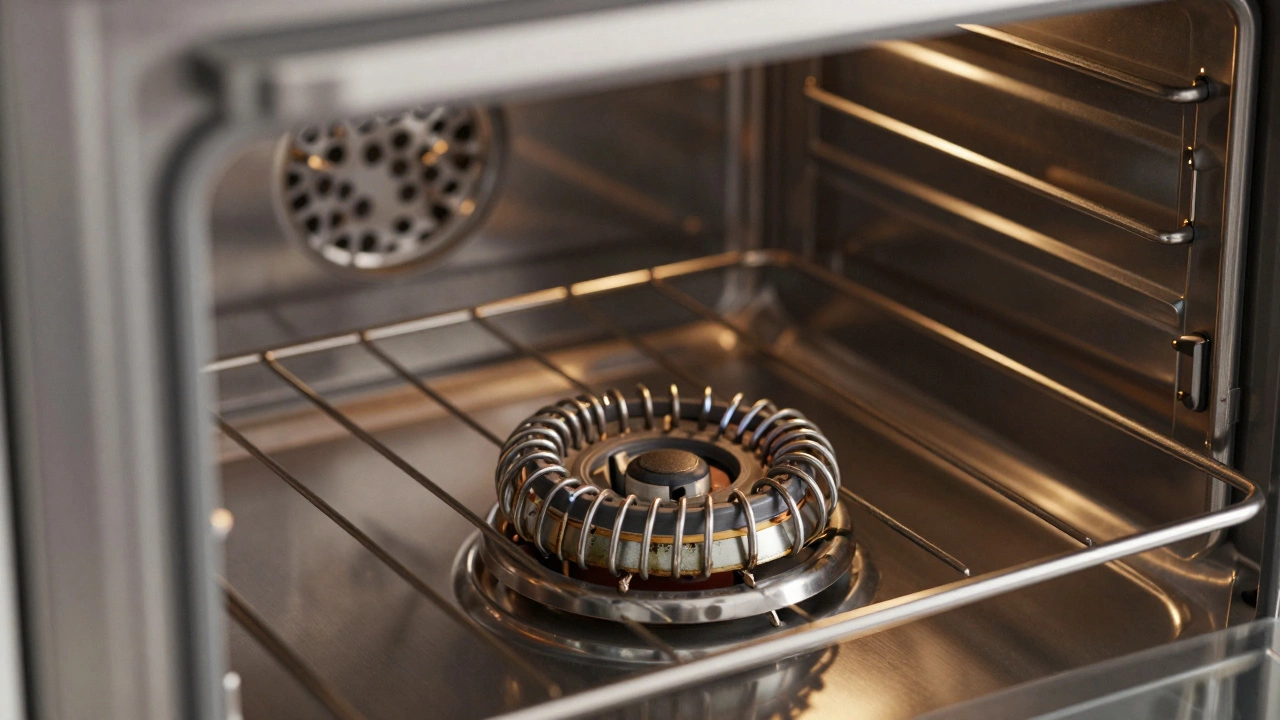
Nothing kills dinner plans faster than an oven that won’t heat up. You preheat it for thirty minutes, open the door, and... nothing. Just cold metal. If your electric oven is failing to reach temperature, the culprit is usually the heating element-specifically the bake element at the bottom or the broil element at the top. Before you panic about buying a whole new appliance, here is the hard truth: replacing just the element is often cheaper than you think, but labor costs can vary wildly depending on where you live and who does the work.
In Auckland and most of New Zealand in 2026, you are looking at a total bill between NZ$150 and NZ$350 for a professional repair. If you have the tools and the nerve to do it yourself, you can cut that down to roughly NZ$40 to NZ$100 for the part alone. This guide breaks down exactly what drives those prices, how to spot a broken element before calling anyone, and whether you should grab a screwdriver or call a pro.
The Breakdown: Parts vs. Labor
When you get a quote for an oven repair, two things make up the final number: the cost of the replacement part and the technician’s time. Understanding this split helps you avoid getting ripped off.
Heating elements themselves are relatively inexpensive components. A standard bake element for major brands like Hotpoint, Rex, or Samsung typically costs between NZ$30 and NZ$80. Premium brands like Smeg or Miele might push that price toward NZ$120 because their parts are harder to source. The element is essentially a metal rod wrapped in ceramic insulation; it doesn't contain complex electronics, which keeps manufacturing costs low.
Labor is where the bill spikes. In Auckland, licensed appliance repair technicians charge an hourly rate that usually sits between NZ$90 and NZ$130. Most shops also add a "call-out fee" or "diagnostic fee" of around NZ$50 to NZ$75 just to show up at your house. If they find the problem is indeed the element, they will often waive the diagnostic fee if you proceed with the repair. However, if the issue turns out to be the thermostat or the control board instead, you pay the full diagnostic rate plus the higher cost of those parts.
| Cost Component | DIY Estimate | Professional Service |
|---|---|---|
| Part (Bake Element) | NZ$30 - $80 | NZ$50 - $120 (marked up) |
| Diagnostic/Call-out Fee | $0 | NZ$50 - $75 |
| Labor (1-2 hours) | $0 | NZ$90 - $260 |
| Total Estimated Cost | NZ$30 - $80 | NZ$190 - $455 |
Signs Your Heating Element Is Dead
Before you spend money on a diagnosis, you can likely confirm the issue yourself. A failed heating element usually presents clear physical symptoms. If you ignore these signs, you might replace the wrong part or miss a more dangerous electrical fault.
- Visible Damage: Look inside the oven cavity. Do you see blisters, burns, or holes in the metal coil? Sometimes the element glows red hot in one spot but stays cold elsewhere. This uneven heating indicates the internal resistance has changed, and the element is dying.
- No Heat Output: Set the oven to bake at 180°C. Wait ten minutes. If the interior remains cold while the clock runs, the element isn’t receiving power or is completely broken.
- Intermittent Heating: The oven works sometimes but not others. This could be a loose connection rather than a dead element, but it still requires attention.
- Burning Smell: If you smell burning plastic or ozone, stop using the oven immediately. This suggests insulation breakdown, which is a fire hazard.
If the oven lights up but doesn’t heat, check the broil element too. Some ovens use the top element for baking in certain modes. If both elements fail simultaneously, the problem is rarely the elements themselves-it’s likely the thermal fuse or the main control board.
DIY Replacement: Is It Safe?
Replacing an oven heating element is one of the few appliance repairs that genuinely qualifies as "easy" for a competent homeowner. It involves unscrewing four bolts and swapping connectors. However, "easy" does not mean "risk-free." Electricity kills. Every year, people suffer shocks or start fires by skipping basic safety steps.
If you decide to go the DIY route, follow this strict protocol:
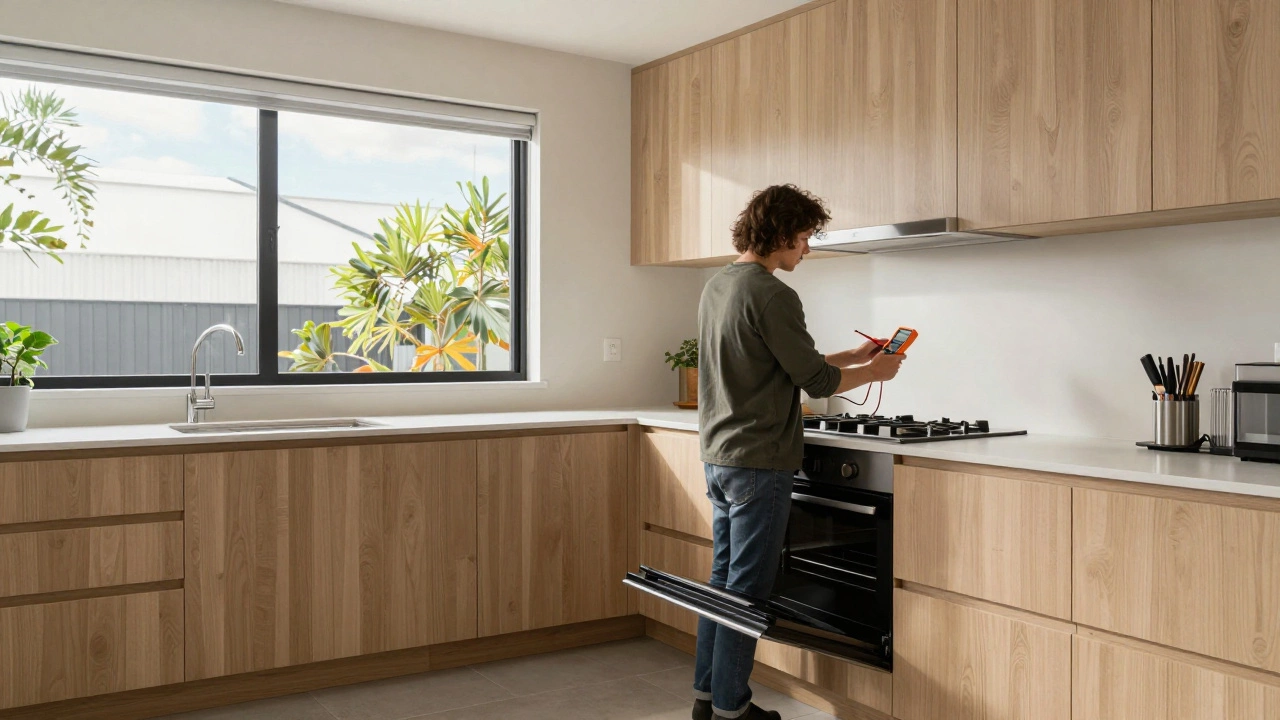
- Disconnect Power: Unplugging the oven is not enough if it’s hardwired. Go to your home’s consumer unit (fuse box) and switch off the circuit breaker labeled "Kitchen" or "Cooker." Verify the power is off using a multimeter at the terminal block behind the oven.
- Identify the Part: Take a photo of the old element. Note the model number printed on the oven’s rating plate (usually found on the door frame or inside the cavity). Order the exact match from a supplier like Appliance Parts Direct or a local hardware store.
- Remove the Old Element: Pull the element forward slightly. Remove the two rear mounting screws. Disconnect the wires from the terminals. Note which wire goes to which terminal-take a photo first.
- Install the New Element: Reverse the process. Ensure the wires are tight and secure. Loose connections cause arcing, which melts terminals and creates fires.
- Test Carefully: Restore power. Turn the oven on to a low setting. Watch it for five minutes. If it heats evenly without sparks or smells, you’re good.
If you feel unsure at any step, stop. Call a professional. The cost of a mistake-burned wiring or a ruined control board-far exceeds the labor fee.

When to Hire a Professional Technician
You should hire a pro if:
- Your oven is under warranty. DIY repairs void warranties instantly.
- You lack a multimeter or don’t know how to use one safely.
- The oven is built-in and difficult to access from behind.
- You suspect the issue is beyond the element (e.g., control board, thermostat).
- You live in a rental property. Landlords often require certified tradespeople for electrical work.
In Auckland, look for technicians accredited by Master Electricians or specialized appliance repair associations. Ask for a fixed-price quote before they start work. Avoid companies that demand cash-only payments upfront-they often disappear after the job.
Hidden Costs and Surprises
Not all oven repairs are straightforward. Here are three scenarios that can blow your budget:
1. The Control Board Failure
If the element tests fine with a multimeter (shows continuity), but the oven still won’t heat, the main control board may not be sending voltage to the element. Replacing a control board costs NZ$200-$400 for parts alone, plus significant labor. This is why accurate diagnosis matters.
2. Broken Terminal Blocks
Over time, the ceramic or plastic terminals where the element plugs into the oven wall can crack due to heat stress. If the new element doesn’t fit securely, you’ll need to replace the entire terminal assembly. This adds NZ$50-$100 to the part cost and increases labor time.
3. Out-of-Production Models
If your oven is older than 10 years, parts may be discontinued. Technicians might need to source generic equivalents or cannibalize parts from scrap units. This leads to longer wait times and higher prices.
Preventing Future Failures
Heating elements wear out over time. On average, a bake element lasts 8-10 years with regular use. You can extend its life by:
- Avoiding Thermal Shock: Don’t place ice-cold pans directly onto a hot element. Let them warm up gradually.
- Cleaning Spills Immediately: Sugary spills caramelize and stick to the element. When the element heats up again, these deposits burn and insulate the coil, causing overheating and premature failure.
- Using Lower Temperatures: Running the oven at maximum heat (250°C+) constantly stresses the element. Use convection settings when possible to reduce direct exposure.
Regular maintenance saves money. A clean oven runs cooler and more efficiently, reducing strain on all components.
Is It Worth Repairing an Old Oven?
This is the million-dollar question. If your oven is less than seven years old, repairing the element is almost always worth it. Modern ovens are built to last decades, and a single component failure shouldn’t end its life.
If your oven is over ten years old, consider the total cost of ownership. A new mid-range electric oven costs NZ$600-$1,200. If your repair bill hits NZ$350+ and the oven has other quirks (uneven cooking, faulty door seal, noisy fan), buying new might be smarter. New models also offer better energy efficiency, saving you on electricity bills over time.
However, if your oven is a high-end model costing over NZ$2,000 originally, repairing it makes financial sense even at age 12. These appliances retain value and performance far beyond cheap replacements.
How long does it take to replace an oven heating element?
A professional technician typically completes the replacement in 45 to 90 minutes. For a DIYer, allow 1-2 hours to account for locating the correct part, removing panels, and ensuring safe reconnection. Built-in ovens may take longer due to limited access.
Can I replace the heating element myself?
Yes, if you are comfortable working with electricity and have basic hand tools. Always disconnect power at the circuit breaker before starting. If you are unsure about electrical safety, hire a qualified technician. Incorrect installation can cause electrical shorts or fires.
What is the difference between a bake element and a broil element?
The bake element is located at the bottom of the oven and provides steady, ambient heat for baking and roasting. The broil element is at the top and delivers intense, direct radiant heat for browning and crisping. Both can fail independently, requiring separate replacements.
Why does my oven glow red but not heat up?
This usually indicates a partial failure of the heating element. The visible glow shows current is flowing, but internal damage prevents efficient heat transfer. Alternatively, the oven’s thermostat may be malfunctioning, cutting power prematurely despite the element appearing active.
Does insurance cover oven repair costs?
Standard home insurance policies rarely cover routine appliance repairs like heating element replacement. Coverage usually applies only to accidental damage (e.g., power surge) or theft. Check your policy specifically for "appliance protection" add-ons, which may cover mechanical failures.