
Boiler Service Cost vs. Savings Calculator
- Total Service Costs: $0
- Energy Wasted (No Service): $0
- Risk of Major Repair: High
- Potential Repair Cost: ~$1,000+
Net Benefit of Servicing:
$0
Saved over selected period
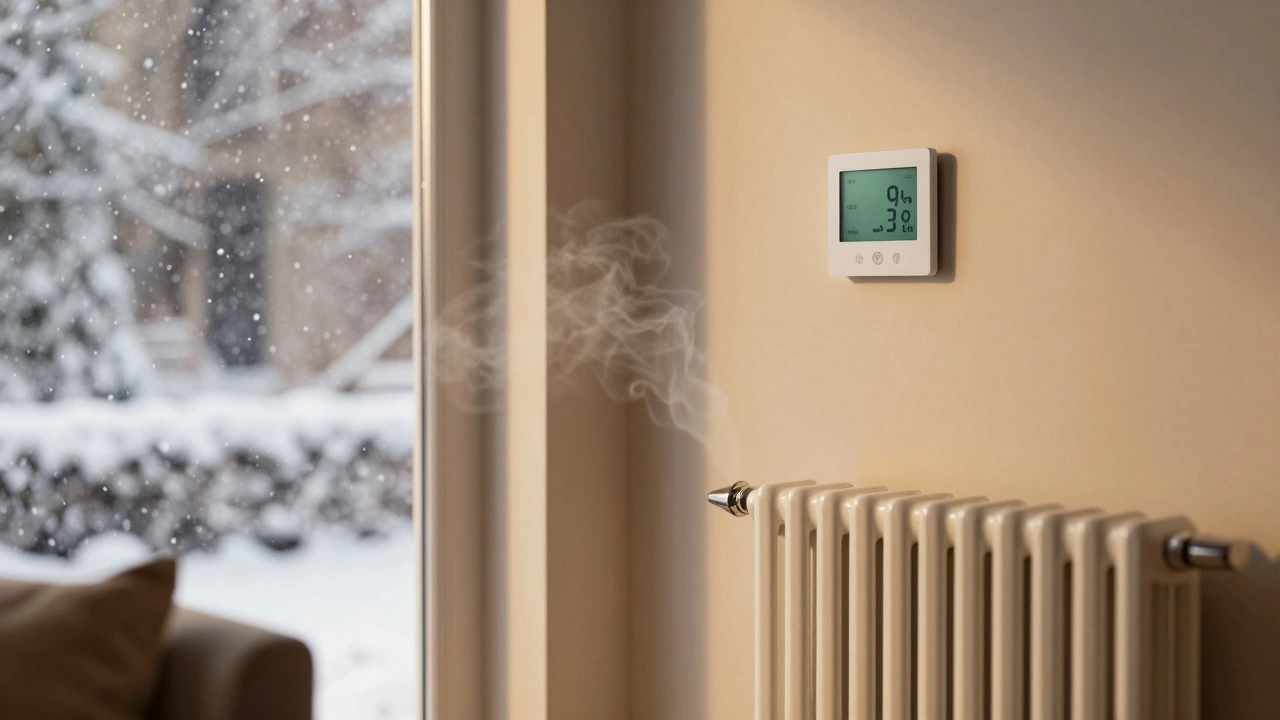
Imagine it’s the middle of winter. You turn up the thermostat, but the radiators stay cold. Your house is freezing, and you’re staring at a bill that’s higher than usual because your boiler is running inefficiently. This is the worst-case scenario for any homeowner. But what if I told you this could have been prevented with one simple habit? Regular boiler servicing isn’t just about avoiding breakdowns; it’s about keeping your home safe, warm, and your energy bills low.
If you’ve ever wondered, "How often does a boiler need to be serviced?" the short answer is: every year. But there’s more to it than just ticking a box on a calendar. Let’s break down why annual servicing is non-negotiable, what happens during the process, and how it saves you money in the long run.
The Golden Rule: Annual Servicing
You should get your boiler serviced once a year. No exceptions. This is the industry standard recommended by manufacturers like Vaillant, Bosch, and Worcester Bosch. Think of it like getting an oil change for your car. You wouldn’t drive 50,000 kilometers without checking the engine, would you? Your boiler works similarly. It burns fuel, heats water, and pumps air through your home. All these parts wear out over time.
Most people ignore their boiler until it makes a strange noise or stops working. By then, small issues have turned into expensive repairs. An annual service catches problems early. A cracked heat exchanger, a failing pump, or a blocked condensate pipe can all be spotted before they cause a total breakdown. Plus, many warranties require proof of annual servicing. If you skip it, your warranty might become void when you need it most.
What Happens During a Boiler Service?
A proper boiler service takes about 45 minutes to an hour. It’s not just a quick visual inspection. A qualified engineer will perform a series of checks to ensure your system is safe and efficient. Here’s what you can expect:
- Visual Inspection: The engineer checks for signs of corrosion, leaks, or damage to the casing and pipes.
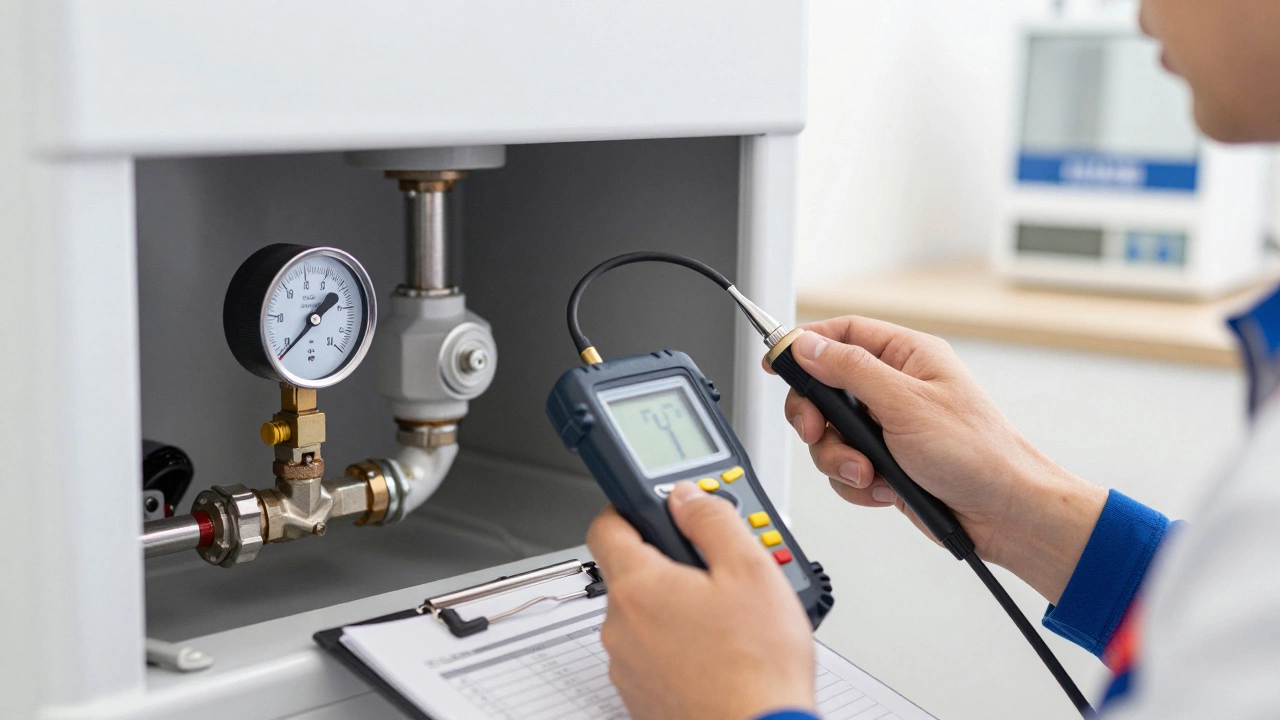
- Gas Safety Check: They test the gas pressure and burners to ensure complete combustion. Incomplete combustion can produce deadly carbon monoxide.
- Flue Analysis: Using a flue gas analyzer, they measure the levels of carbon monoxide and oxygen in the exhaust. This ensures your boiler is burning fuel efficiently.
- Component Cleaning: Dust and debris build up inside the boiler. The engineer cleans the fan, seals, and electrodes to maintain performance.
- Pressure Test: They check the system pressure to ensure it’s within the correct range (usually between 1 and 1.5 bar).
- Safety Device Testing: Overheat thermostats, flame failure devices, and other safety mechanisms are tested to ensure they work correctly.
After the service, you’ll receive a certificate confirming the boiler is safe to use. Keep this document handy. It’s useful for insurance purposes and proves you’ve maintained the appliance properly.
Why Skipping Servicing Is Dangerous
I know what you’re thinking. "I’ve skipped services before, and nothing happened." That’s luck, not strategy. Boilers deal with high temperatures and combustible gases. When components degrade, the risks increase significantly.
The biggest danger is carbon monoxide poisoning. This gas is odorless, colorless, and tasteless. It can seep into your home from a faulty boiler. Symptoms include headaches, dizziness, nausea, and confusion. In severe cases, it can be fatal. Annual servicing detects cracks in the heat exchanger or blockages in the flue that could lead to carbon monoxide leaks.
Another risk is fire. Grease and dust buildup near the burner can ignite. While rare, it’s a real possibility. Regular cleaning removes these hazards. Plus, an unserviced boiler works harder to produce the same amount of heat. This increases wear and tear on internal parts, leading to premature failure.
Cost vs. Benefit: Is It Worth It?
Let’s talk numbers. A standard annual boiler service costs between $100 and $200, depending on your location and the type of boiler. Compare that to the cost of a major repair or replacement. Replacing a heat exchanger can cost over $1,000. Installing a new boiler ranges from $2,000 to $5,000.
Then there’s the energy savings. An unserviced boiler can lose up to 10% of its efficiency due to dirt and scale buildup. If you spend $2,000 a year on heating, that’s $200 wasted annually. Over five years, that’s $1,000. So, servicing pays for itself quickly. You save money on repairs and energy bills while extending the life of your boiler.
| Item | Serviced Annually | Never Serviced |
|---|---|---|
| Annual Service Cost | $150 | $0 |
| Energy Efficiency Loss | None | Up to 10% |
| Major Repair Risk | Low | High |
| Warranty Validity | Maintained | Often Voided |
| Lifespan Extension | Yes | No |
Signs Your Boiler Needs Immediate Attention
Even with annual servicing, things can go wrong between appointments. Watch for these red flags:
- Strange Noises: Gurgling, banging, or whistling sounds indicate airlocks, limescale, or pump issues.
- Dripping Water: Leaks from pipes or the boiler itself suggest seal failures or pressure problems.
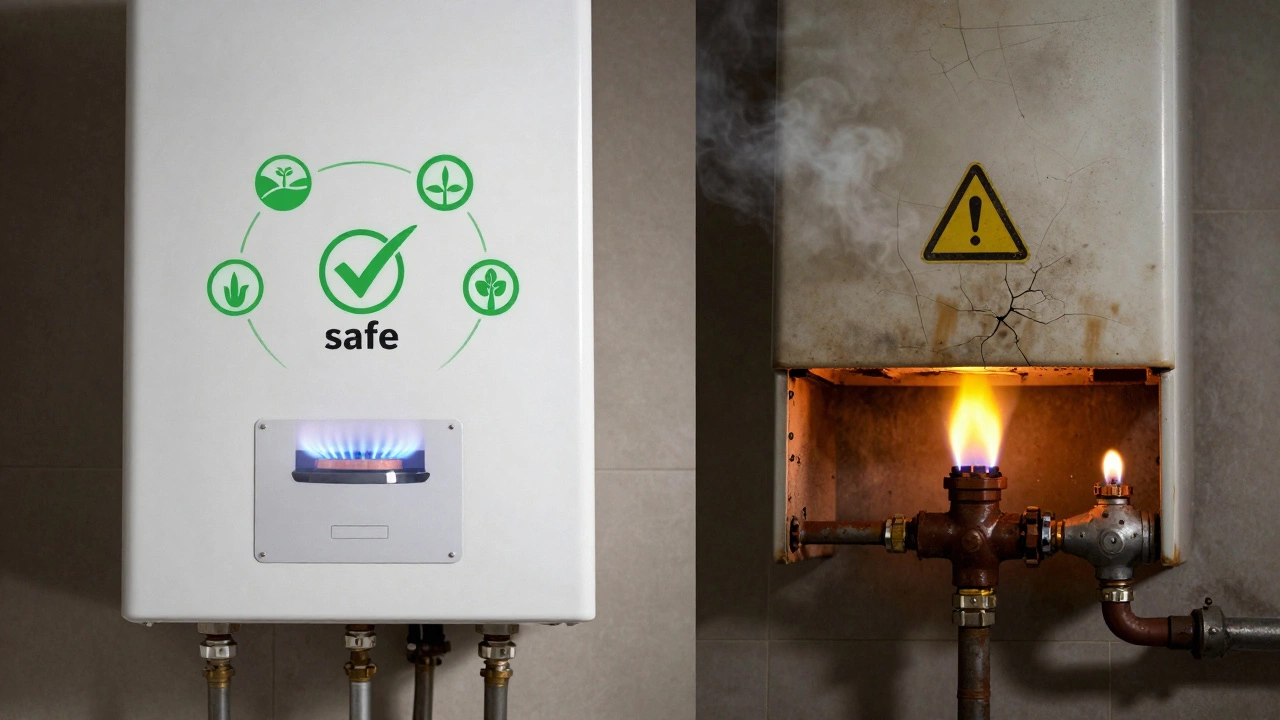
- Yellow Flame: A healthy gas flame should be blue. Yellow or orange flames mean incomplete combustion and potential carbon monoxide production.
- Cold Radiators: If some radiators are hot and others are cold, you may have sludge buildup in the system.
- Frequent Resetting: If you find yourself resetting the boiler often, there’s an underlying fault.
If you notice any of these signs, call a professional immediately. Don’t wait for your scheduled service.
Choosing the Right Engineer
Not all technicians are created equal. For gas boilers, you must hire a certified engineer. In many regions, this means someone registered with the relevant safety body. For example, in the UK, look for Gas Safe Register engineers. In New Zealand, ensure they are licensed under the Gas Work Safety Act. Hiring an unqualified person is illegal and dangerous.
Ask for references and check online reviews. A good engineer will explain what they’re doing, show you the issues, and provide clear quotes for any additional work. Avoid companies that offer suspiciously cheap services. They might cut corners or miss critical checks.
DIY Maintenance Tips
While you shouldn’t service the boiler yourself, there are simple steps you can take to keep it running smoothly between visits:
- Check Pressure: Look at the pressure gauge on the boiler. If it’s below 1 bar, repressurize the system using the filling loop.
- Bleed Radiators: If your radiators have cold spots, bleed them to remove trapped air.
- Keep Vents Clear: Ensure air vents around the boiler are not blocked by furniture or curtains.
- Monitor Temperature: Set your thermostat to a consistent temperature. Fluctuating settings make the boiler work harder.
These small actions help maintain efficiency and reduce strain on the system.
Special Cases: Condensing vs. Non-Condensing Boilers
Most modern boilers are condensing models. These extract extra heat from the exhaust gases, making them more efficient. However, they also produce acidic condensate that needs to drain away. The condensate pipe can freeze in winter or become blocked by debris. This is a common reason for boiler faults. Annual servicing includes checking and clearing this pipe.
Older non-condensing boilers don’t have this issue but are less efficient. If you still have one, consider upgrading. Modern condensing boilers can save you up to 20% on heating costs. Plus, they’re better for the environment.
Can I service my own boiler?
No, you should never attempt to service a gas boiler yourself. It involves handling gas connections, electrical components, and combustion systems. Improper servicing can lead to gas leaks, fires, or carbon monoxide poisoning. Only qualified professionals should perform boiler services.
What happens if I miss a boiler service?
Missing a single service isn’t catastrophic, but regular neglect increases the risk of breakdowns, safety hazards, and voided warranties. Over time, efficiency drops, leading to higher energy bills. Always aim for annual servicing to keep your boiler safe and efficient.
How long does a boiler service take?
A standard boiler service typically takes 45 minutes to an hour. This includes visual inspections, gas safety checks, flue analysis, component cleaning, and testing safety devices. More complex issues may require additional time.
Is boiler servicing covered by insurance?
Some home insurance policies cover boiler breakdowns, but few cover routine servicing. Check your policy details. Many providers require proof of annual servicing to honor claims. Without it, your claim might be rejected.
When is the best time to schedule a boiler service?
The best time is late summer or early autumn, before the heating season begins. Engineers are busier in winter, so booking early ensures you get a slot that suits you. It also gives you peace of mind heading into colder months.