Dishwasher Troubleshooter
Step 1: Select Your Dishwasher Issue
If your dishwasher is leaking, not cleaning dishes, or just sitting there silent, you’re not alone. In Auckland, nearly 1 in 5 households rely on dishwashers daily, and when they break, it throws off your whole routine. You don’t need to call a technician right away-most dishwasher problems can be diagnosed with a few simple checks. This guide walks you through exactly what to look for, step by step, so you can fix it yourself or know when it’s time to call in help.
Start with the basics: Is it even getting power?
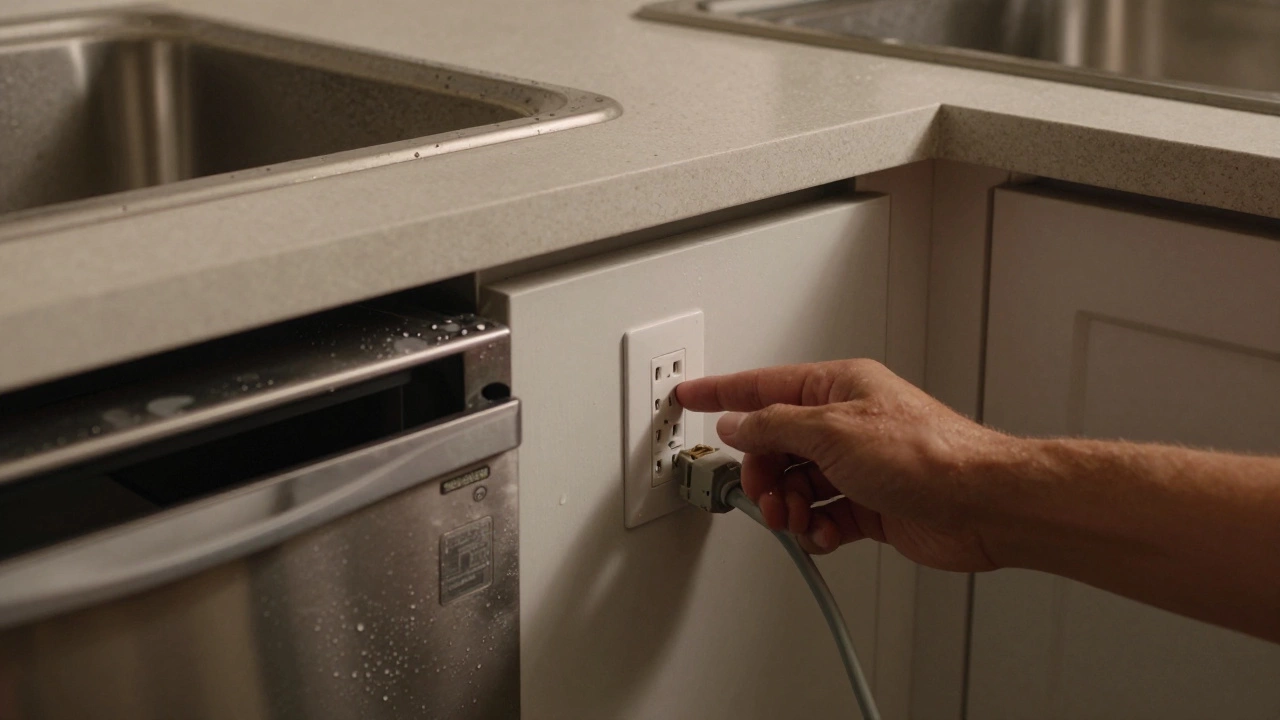
A dishwasher that won’t start often has a simple fix. First, check if the plug is fully inserted. In older homes, outlets near sinks can trip easily from moisture or overloads. Press the reset button on the outlet-if it clicks back in, that might be your whole problem. If the outlet has a GFCI (Ground Fault Circuit Interrupter), test it with another device like a phone charger. If nothing turns on, check your circuit breaker. Look for a switch that’s flipped to the middle or off position. Reset it, then try the dishwasher again.
Don’t assume the power light means the machine is working. Some models have a standby mode where the display lights up but the motor won’t run. If the door isn’t closing fully, most dishwashers won’t start. Make sure nothing’s blocking the latch-dried food, a misaligned rack, or even a bent door hinge can do it. Try closing the door firmly and listening for a solid click.
Check the water supply-no water means no clean dishes
If your dishes come out grimy or dry, the issue might be water flow. Start by turning off the power and checking the water inlet valve behind the lower kickplate. It’s usually a small hose connected to a valve with a solenoid. Look for kinks or cracks. If you see mineral buildup around the fitting, that’s a sign of hard water clogging the line.
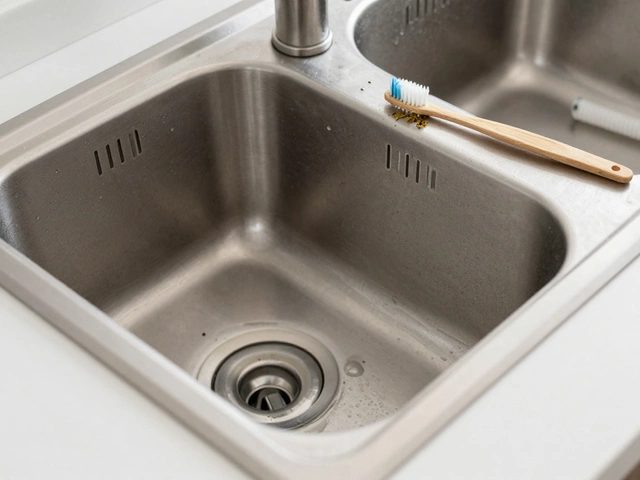
Next, shut off the water under the sink. Unscrew the hose from the valve and run it into a bucket. If water flows strong and clear, the supply is fine. If it’s weak or cloudy, your home’s water pressure might be low, or the valve screen is clogged. Clean the screen with an old toothbrush and vinegar. Reconnect everything and turn the water back on slowly to avoid a splash.
Some dishwashers have a float switch inside that stops water if it rises too high. If it’s stuck, the machine thinks it’s already full. Lift the float gently with a butter knife. If it moves freely, that’s not the issue. If it’s stuck in the up position, clean debris from the chamber or replace the switch.
Look at the spray arms-clogged jets mean dirty dishes
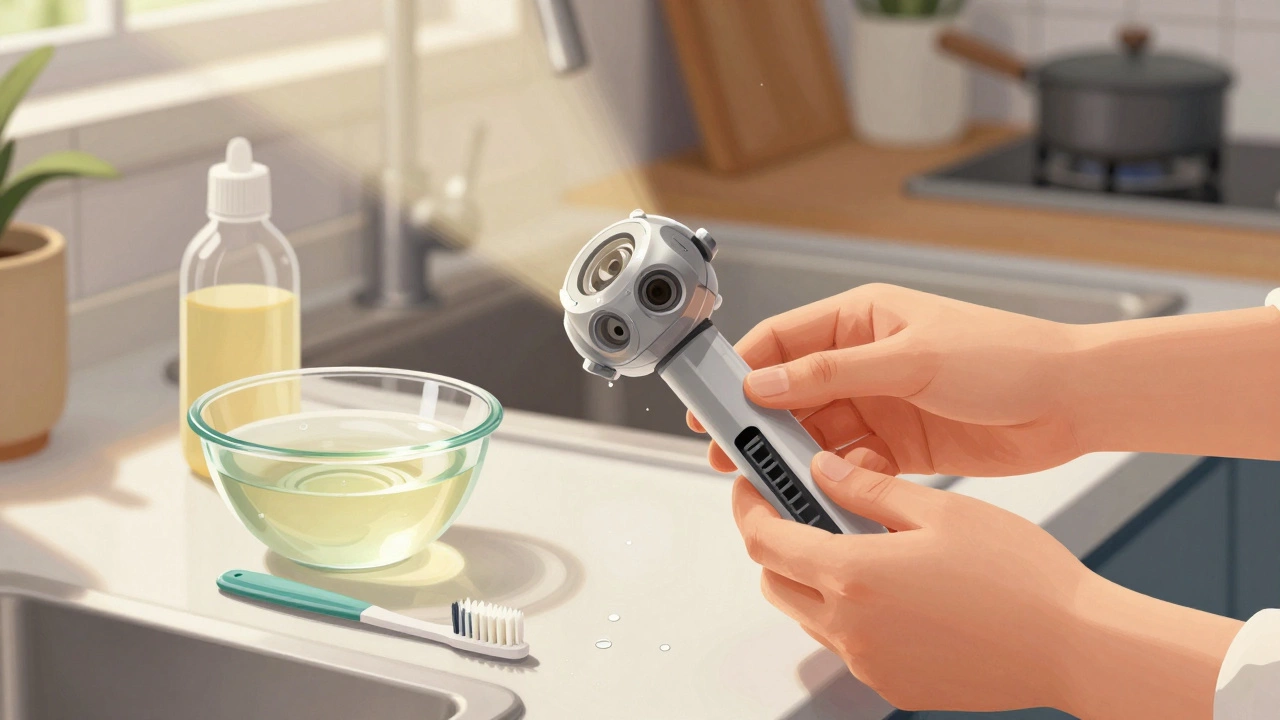
The spray arms are the heart of cleaning. Remove the lower and upper arms by twisting them counterclockwise. Hold them up to the light and look through each nozzle. If you see white crust or bits of food stuck inside, that’s your culprit. Soak the arms in a bowl of hot water and vinegar for 20 minutes. Use a toothpick or needle to clear each hole. Don’t use metal tools-they can scratch the plastic.
While you’re at it, check the filter. Most modern dishwashers have a self-cleaning filter, but they still need manual cleaning every few months. Remove the bottom rack and unscrew or lift out the filter assembly. Rinse it under running water. If it’s cracked or warped, replace it. A clogged filter won’t let water reach the spray arms properly.
Listen for unusual noises-what’s that grinding sound?
A humming or buzzing noise without water movement usually means the motor is trying to run but can’t. That could be a seized pump or a broken impeller. Turn off power, remove the lower panel, and check the pump area. Look for small objects like broken glass, toothpicks, or bits of plastic stuck in the impeller blades. Use pliers to remove them carefully.
A loud clunking or banging noise during the cycle? It’s probably the spray arm hitting something. Check if a large utensil or a tall glass is blocking rotation. Even a misaligned rack can cause this. Rearrange your load so nothing sticks up past the arm’s path.
If you hear a high-pitched whine, it might be the circulation pump bearing wearing out. That’s not something you can fix yourself. If the noise is new and loud, it’s likely time to consider replacement-repairing the pump often costs more than a new unit.
Leaks? Find the source before it damages your floor
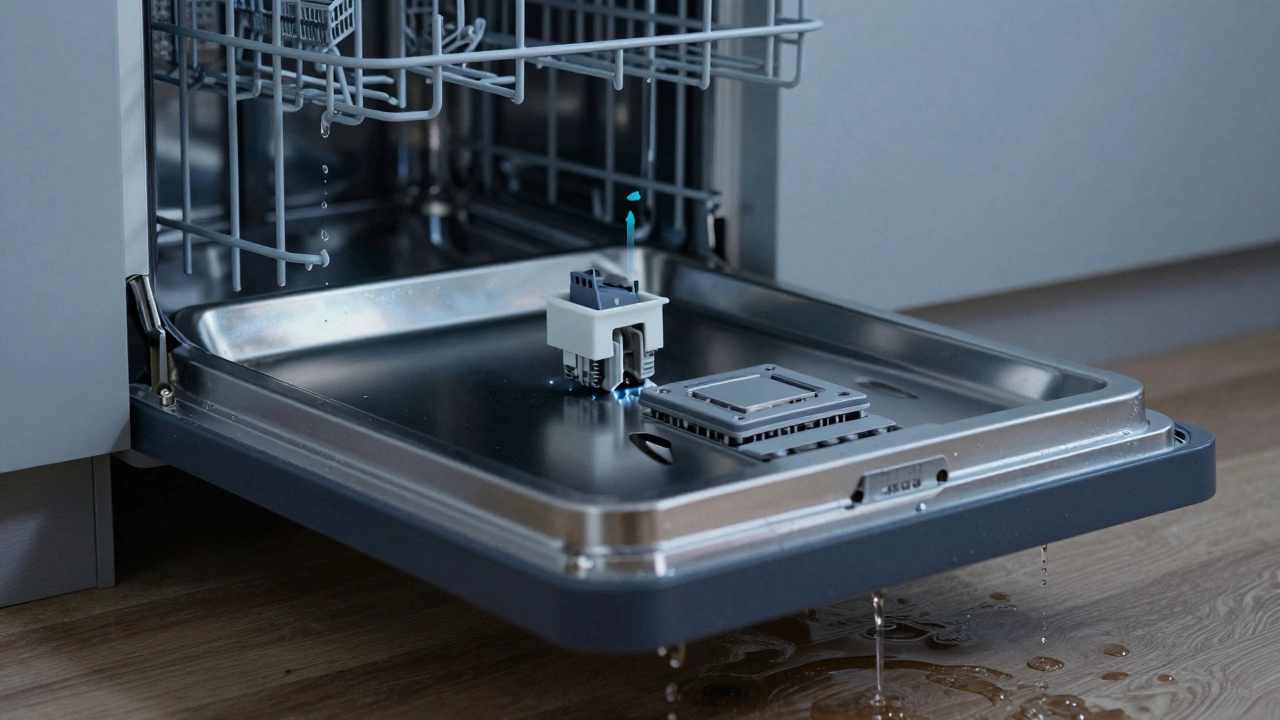
Water pooling under the dishwasher is one of the most urgent problems. Start by wiping everything dry. Run a cycle with a dry towel under the unit. Watch where the water appears. Common leak spots:
- Door gasket-check for cracks, hardening, or gaps. Run your finger along it. If it feels brittle or doesn’t seal tightly, replace it.
- Door latch-misaligned latches let water escape. Adjust the latch screw or replace the entire assembly if it’s loose.
- Hose connections-tighten the inlet and drain hoses. Use a wrench, but don’t overtighten. Replace rubber hoses with braided stainless steel ones-they last longer.
- Drain pump-check the seal around the pump housing. A worn seal will drip steadily.
If water leaks only during the rinse cycle, it’s often a faulty detergent dispenser. Too much soap creates suds that overflow. Use only dishwasher-specific detergent. Never use regular dish soap-it creates foam that can flood your kitchen.
Is the dishwasher not drying? Check the heating element and vent
Damp dishes after a cycle are annoying but common. First, make sure you’re using rinse aid. It helps water sheet off instead of clinging. If you haven’t added rinse aid in months, refill the dispenser.
Now, check the heating element. It’s the coiled wire at the bottom of the tub. Look for breaks, blisters, or black spots. If it’s damaged, it won’t heat the air for drying. Test it with a multimeter for continuity. If there’s no reading, it’s dead. Replacement costs $50-$80, and it’s a DIY job if you’re comfortable with basic tools.
Also, check the vent. Some models have a vent on the door that opens to release steam. If it’s blocked by grease or debris, moisture gets trapped. Clean it with a damp cloth. If the vent motor is stuck, you’ll need to replace it.
When to call a professional
You can fix most dishwasher problems yourself. But if you’ve tried all these steps and it still doesn’t work, it’s time to call a technician. Red flags:
- Electrical sparks or burning smell-this is dangerous. Turn off power and call a pro.
- Control panel not responding or showing error codes-modern units have sensors that fail. A technician can read the error code.
- Water not heating-even with a working element, the thermostat might be faulty. Testing it requires specialized tools.
- Unit is over 10 years old-repairing an old dishwasher often costs more than replacing it.
In Auckland, many homes have hard water. That means mineral buildup is a constant battle. If you notice white residue on dishes or inside the tub, consider installing a water softener. It extends the life of your dishwasher and saves you money on detergent.
Prevention tips to avoid future problems
- Scrape food off dishes before loading-don’t rinse them. Modern dishwashers are designed to handle food particles.
- Run vinegar through a cycle once a month to clean the interior and remove buildup.
- Use the right detergent-powder or tablets work best. Liquid gels can leave residue.
- Don’t overload the dishwasher. Airflow and water spray need space to work.
- Check the filter every 3 months. Clean it before it gets clogged.
Most dishwashers last 8-12 years. With regular care, yours can hit the high end. The key is catching small issues before they become big repairs.