
Repair or Replace Decision Calculator
Enter Your Dishwasher Details
Condition & History Check
Select any issues that apply to your current machine:
Analysis Result
Based on financial and technical factors
Calculate Now
Enter details to see recommendation
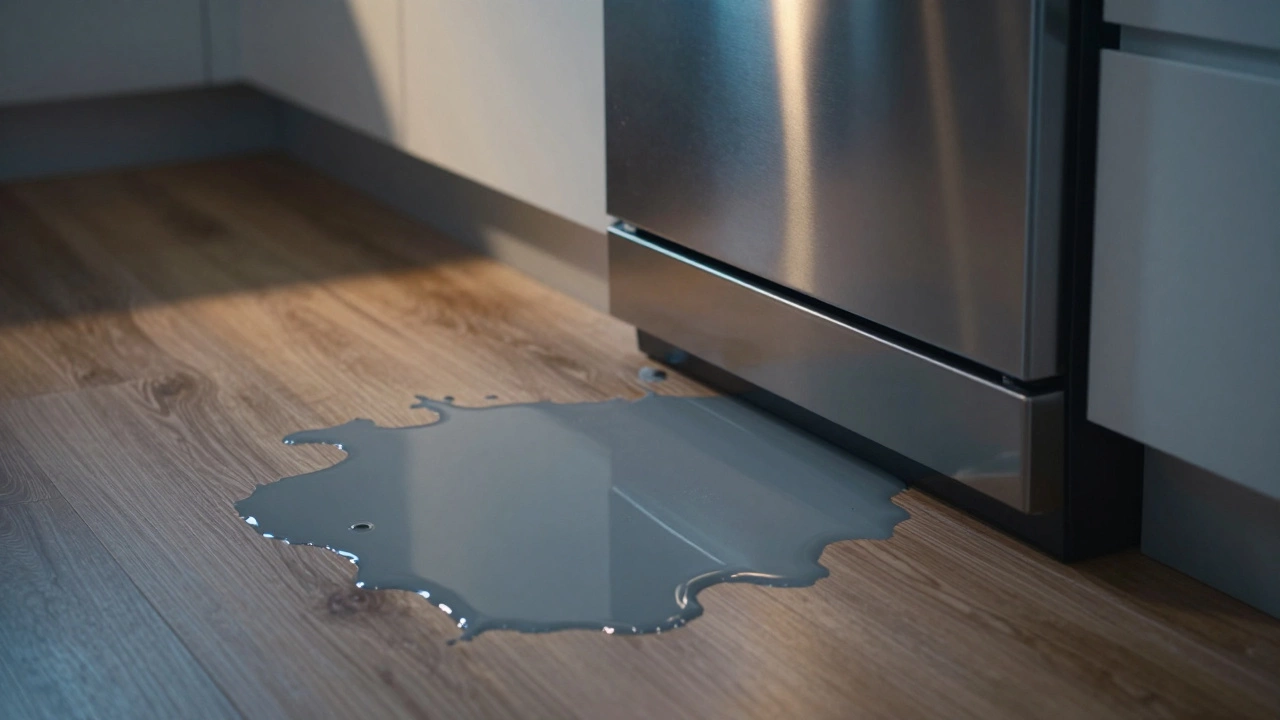
It’s 8 PM on a Tuesday. You’ve just finished cooking dinner for the family, and the kitchen is a mess. You load the Dishwasher is a household appliance that cleans dishes, glasses, and cookware using water and detergent., hit start, and walk away. An hour later, you come back to find a puddle of grey water on the floor, or worse, your plates are still covered in food residue. That sinking feeling in your stomach isn’t just about dirty dishes; it’s the financial dread of wondering if this machine is worth saving.
The decision to repair or replace a major appliance is rarely black and white. It sits in a messy grey area involving budget constraints, environmental concerns, and sheer frustration. In Auckland, where spare parts can sometimes take weeks to arrive from overseas suppliers, the timing of that decision feels even more critical. You need a clear framework to make this call without getting swayed by fear-mongering sales tactics or overly optimistic DIY forums.
The 50% Rule: A Simple Financial Benchmark
The most common advice you’ll hear from appliance technicians is the "50% rule." If the cost of the repair exceeds 50% of the price of a new unit, you should replace it. This sounds simple, but it requires some nuance. You aren't comparing the repair quote to the cheapest model at the local hardware store; you're comparing it to a comparable replacement in terms of features and capacity.
Let’s look at the numbers. A mid-range integrated dishwasher in New Zealand typically costs between $800 and $1,200. A basic freestanding model might be closer to $600. If a technician quotes you $400 for a new control board, you’re right at that tipping point. However, if the repair is $200 for a clogged filter and a new spray arm seal, replacing the entire machine makes no financial sense.
But money isn’t the only factor. You also have to consider the remaining lifespan of the appliance. Most dishwashers have an expected lifespan of 7 to 10 years. If your unit is two years old and needs a $400 repair, keep it. It has eight years left. If it’s nine years old, that same $400 repair is a bridge to nowhere. You’re likely to face another issue within months, leading to a cycle of repairs that will eventually cost more than a new machine.
Diagnosing the Problem: Is It Fixable?
Before you call a pro or check online prices, you need to understand what’s actually broken. Some issues are minor annoyances; others are death sentences for the appliance. Here is how to categorize common failures.
Minor Issues (Usually Repairable):
- Poor Cleaning Performance: Often caused by a clogged filter, worn spray arm seals, or low-quality detergent. This is usually a maintenance issue, not a mechanical failure.
- Water Not Draining Completely: Check the drain hose for kinks or debris. Sometimes a small piece of glass or bone gets stuck in the pump impeller. Removing this can save the day.
- Noisy Operation: If it’s rattling, check if a utensil is blocking the spray arm. If it’s grinding, the pump bearings might be wearing out, which is a moderate repair.
- Door Latch Failure: Mechanical latches wear out over time. These are inexpensive parts and easy to replace.
Major Issues (Often Replacement Candidates):
- Leaking from the Bottom: If the tub itself is cracked or the internal seals have degraded significantly, water damage to your cabinetry is a real risk. Repairs here are often temporary.
- Control Board Failure: The brain of the dishwasher. If this goes, the whole machine stops. While replaceable, the part cost plus labor is high.
- Heating Element Burnout: Common in older units. If the element is corroded, it suggests hard water damage that may affect other components soon.
- Pump Failure: The heart of the system. If the pump motor burns out, the cost of replacement is significant, especially if the housing is plastic and brittle with age.
The Hidden Costs of Keeping an Old Machine
We tend to focus on the upfront sticker price, but the total cost of ownership tells a different story. Older dishwashers are notoriously inefficient compared to modern standards. In New Zealand, we use the Energy Rating label to judge efficiency, but many machines installed before 2015 lack these stringent requirements.
An old dishwasher might use 15-20 liters of water per cycle, while a modern WaterMark-certified model uses as little as 9-12 liters. Over a year, that adds up to thousands of liters of wasted water. Given Auckland’s occasional water restrictions and rising utility rates, that waste hits your wallet twice: once through higher water bills and again through higher electricity bills needed to heat that extra water.
Then there’s the reliability factor. Every time you repair an old appliance, you’re patching a system that is degrading overall. Rubber seals dry out, plastic becomes brittle, and electrical connections corrode. A new machine comes with a warranty-typically one to two years in NZ under the Consumer Guarantees Act (CGA). That warranty provides peace of mind that a repaired ten-year-old unit simply cannot match.
| Factor | Lean Towards Repair | Lean Towards Replace |
|---|---|---|
| Age of Appliance | Less than 5 years | More than 8-10 years |
| Repair Cost | Under $200-$300 | Over $400-$500 |
| Frequency of Breakdowns | First major issue | Second or third issue in 12 months |
| Energy Efficiency | Current model is efficient | Old model uses excessive water/power |
| Availability of Parts | Parts available locally | Parts require international shipping |

When DIY Makes Sense (And When It Doesn’t)
In the age of YouTube tutorials, it’s tempting to try fixing things yourself. For certain tasks, this is smart. Replacing a door latch, cleaning the filter, or unclogging the drain hose are safe, low-cost jobs that any homeowner can handle. These actions extend the life of your machine without risking void warranties or causing injury.
However, electronics and sealed systems are different beasts. If your dishwasher isn’t starting, the issue could be a faulty thermal fuse, a bad relay on the control board, or a wiring harness problem. Diagnosing these requires a multimeter and technical knowledge. Attempting to solder a connection on a wet, high-voltage circuit board inside a metal cabinet is dangerous. If you burn yourself or short-circuit the main board, you’ve turned a $150 repair into a $600 disaster.
Also, consider the tools. Does your local supplier carry the specific model number? In Auckland, some brands like Bosch or Miele have good local support, while others might rely on generic parts that don’t fit perfectly. If you spend three hours installing a part that turns out to be incompatible, your time has value too.
The Environmental Angle: E-Waste and Landfills
There’s a strong argument for repairing: reducing e-waste. Throwing away a large appliance contributes to landfill mass. Modern appliances contain rare earth metals, plastics, and complex electronics that are difficult to recycle. From a purely environmental standpoint, keeping a working machine alive is better than discarding it.
But we must balance this against resource consumption. As mentioned, an inefficient dishwasher wastes water and energy every single cycle. If your old machine uses 30% more water and electricity than a new one, its carbon footprint grows larger with every wash. After five years of operation, the environmental debt of running an inefficient machine often outweighs the impact of manufacturing a new, efficient one.
Additionally, responsible disposal matters. Don’t just leave your old dishwasher on the curb. In Auckland Council areas, you can arrange for bulky waste removal or take it to a designated recycling facility. Many retailers offer haul-away services when delivering a new unit, ensuring the old one is processed correctly.

Signs It’s Time to Let Go
Sometimes, the signs are obvious. Other times, they’re subtle. Here is a checklist to help you decide if your dishwasher has reached the end of the road:
- Rust Inside the Tub: If you see rust spots on the stainless steel interior, the protective coating has failed. This won’t stop, and it will contaminate your dishes.
- Frequent Error Codes: Modern dishwashers display error codes. If you’re resetting the machine weekly to clear errors, the sensors or control logic are failing.
- Water Temperature Issues: If dishes never get hot enough to sanitize, the heating element or thermostat is likely shot. Without heat, bacteria survive, posing a health risk.
- Physical Damage: Cracked doors, warped racks, or broken hinges indicate structural fatigue. These parts are often obsolete or prohibitively expensive to source individually.
- Obsolescence: If the manufacturer has stopped making parts for your model, you’re on your own. Generic replacements may work, but they rarely last as long as OEM (Original Equipment Manufacturer) parts.
Making the Final Call
Ultimately, the decision comes down to a combination of math and gut feeling. Pull out your calculator. Add up the repair cost, the estimated remaining lifespan, and the potential energy savings of a new model. Then, ask yourself: How much stress do I want to deal with?
If you love tinkering and enjoy the hunt for spare parts, repair might be satisfying. But if you just want clean dishes without the headache, replacement offers simplicity. Remember, a new dishwasher isn’t just a purchase; it’s an investment in convenience, hygiene, and efficiency. Don’t let sentimentality keep a dying machine alive longer than necessary. Your future self, standing in a dry kitchen with sparkling plates, will thank you.
How much does it cost to repair a dishwasher in Auckland?
Call-out fees in Auckland typically range from $80 to $120. Labor for simple repairs (like filters or hoses) might add another $100-$150. Complex repairs involving control boards or pumps can range from $250 to $500 including parts. Always ask for a fixed-price quote before authorizing work.
Is it worth repairing a 10-year-old dishwasher?
Generally, no. At 10 years, most dishwashers are nearing the end of their useful life. Even if you fix the current issue, other components like seals, pumps, and electronics are likely to fail soon. The cumulative cost of repairs will likely exceed the price of a new, energy-efficient model.
Can I replace a dishwasher myself?
Yes, if it’s a standard freestanding model. You’ll need to disconnect the water supply, electrical power, and drain hose. Ensure the new model fits the space dimensions. For built-in or integrated models, installation is more complex due to cabinetry modifications and may require a professional to ensure proper leveling and sealing.
What is the average lifespan of a dishwasher?
The average lifespan is 7 to 10 years. High-end brands like Miele or Bosch may last 12+ years with proper maintenance. Budget models often fail sooner, around 5-7 years. Regular cleaning of filters and spray arms can extend this life significantly.
How do I dispose of an old dishwasher in Auckland?
Contact your local council’s bulky waste collection service. Alternatively, many appliance retailers offer free haul-away when delivering a new unit. You can also drop off small appliances at designated recycling centers, though large dishwashers may incur a fee depending on the facility.