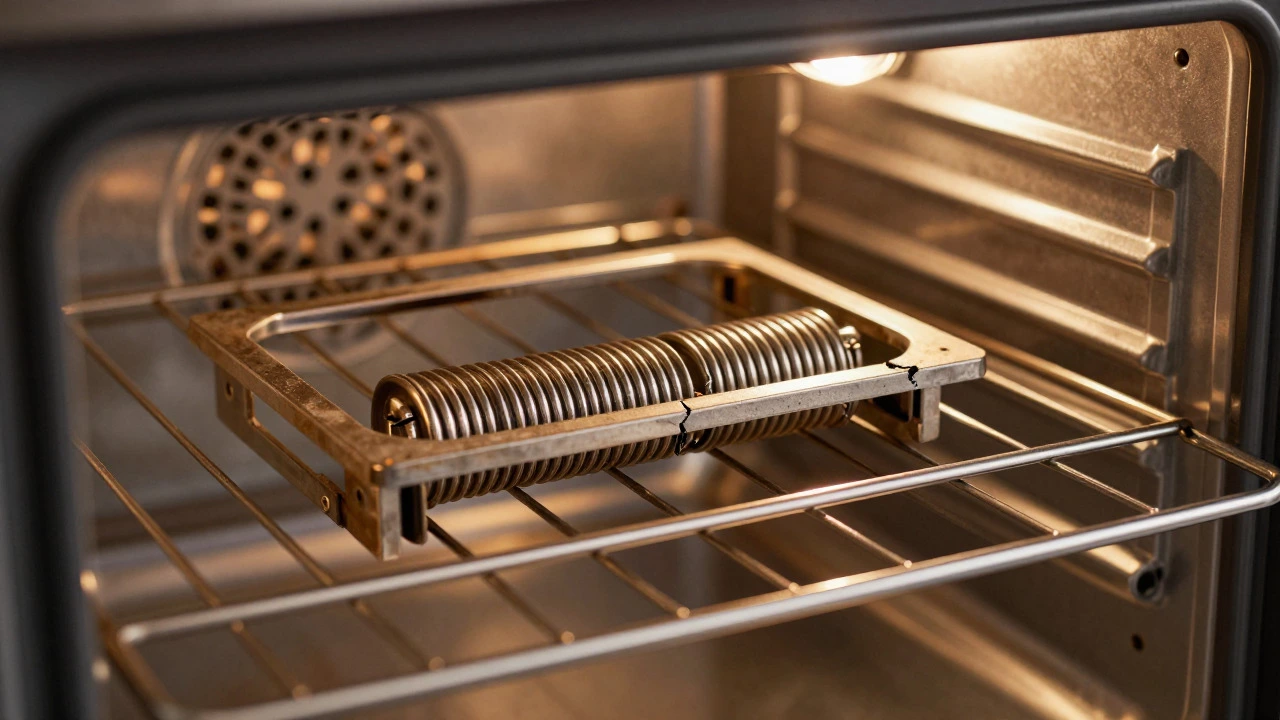
Heating Element Failure – Spot, Test & Fix It Quickly
If your oven won’t bake, your dryer won’t dry, or the water heater is just warm, the heating element could be the culprit. A faulty element is one of the most common reasons appliances lose heat, and you don’t need a degree in engineering to figure it out.
First, check the obvious signs: uneven heating, no heat at all, or a strange burning smell. These clues usually show up before the element completely quits. When the problem appears, it’s best to act fast – catching a failing element early can prevent extra damage and keep repair costs down.
How to Test a Heating Element
Grab a multimeter and follow these steps. Make sure the appliance is unplugged or the circuit breaker is off – safety first. Locate the element (it’s the metal coil you see in ovens, the thin ribbon in dryers, or the cylindrical rod in water heaters). Remove the connecting wires and set the multimeter to the ohm (Ω) setting.
Place the probes on the element’s terminals. A working element will show a steady resistance reading, typically between 10 and 50 Ω depending on the appliance. If you see "0" (short) or "∞" (open circuit), the element is damaged and needs replacing.
When to DIY and When to Call a Pro
If the test shows an open circuit, you can replace the element yourself on most household appliances. The part is usually inexpensive – between £15 and £60 – and the swap takes under an hour with basic tools. Just note the model number, buy the correct replacement, and follow the manufacturer’s wiring diagram.
However, if you’re dealing with a built‑in oven, a gas‑fired unit, or any appliance that’s still under warranty, call a professional. Incorrect wiring can cause a fire or void the warranty. Also, if the element failure is accompanied by other issues like a faulty thermostat or control board, a qualified technician will spot the broader problem.
Here’s a quick checklist before you decide:
Do you have a working multimeter and basic electrical skills?
Is the appliance easy to access (no hidden panels or sealed units)?
Is the appliance still under warranty or a service plan?
Do you feel comfortable handling wiring safely?
If you answered "yes" to most, go ahead and replace the element. If not, schedule a visit from a local repair service – Northampton Appliance Repairs Services can send a qualified technician within a day.
After installing the new element, run the appliance for a short cycle to confirm even heat. Clean any dust or debris around the element to improve lifespan; a buildup can cause premature failure.
Regular maintenance tips:
Wipe down oven interiors after each use to prevent grease buildup.
Inspect dryer vents quarterly – restricted airflow makes the element work harder.
Flush water heaters annually to remove sediment that can overheat the element.
By catching a heating element problem early, you avoid costly replacements and keep your kitchen or laundry running smoothly. If you ever get stuck, remember that a quick call to a trusted repair service saves time and keeps safety first.
Discover the most common electric oven faults, from heating element failures to thermostat issues. Learn how to diagnose problems and decide whether to repair or replace.
Wondering if your oven element is blown? This article breaks down the common signs, from cold ovens to visible damage, so you can spot problems fast. Learn why elements fail and when you need a repair or replacement. We’ll walk through quick ways to check your element at home. No fancy tools needed, just straightforward advice to save you time in the kitchen.