
Oven Repair vs. Replacement Calculator
Select the likely fault and enter your oven's details to get a data-driven recommendation.
Recommendation
Difficulty: N/AParts: $0 - $0
Labor: ~$0
Rule of Thumb: If repair exceeds 50% of new price, consider replacing.
Your electric oven suddenly stops working, or maybe it’s running but the food isn’t cooking right. It’s frustrating, especially when you’re mid-bake. Before you call a technician or buy a new unit, it helps to know what’s actually going wrong. Most electric ovens are kitchen appliances that use electrical resistance to generate heat for baking and roasting. They rely on a few key components to function correctly. When one fails, the whole system stalls.
In this guide, we’ll walk through the most common failures you might encounter. We’ll look at how to spot them, why they happen, and what your options are. Whether you’re handy enough to fix it yourself or just trying to understand the quote from a repair service, this breakdown will help you make a smart decision.
Quick Summary / Key Takeaways
- Heating elements are the most frequent point of failure, often showing visible cracks or burn marks.
- A faulty thermostat causes temperature fluctuations, leading to undercooked or burnt food.
- If the oven runs but doesn’t heat, check the thermal fuse first; it’s a cheap safety component that blows easily.
- Control board issues are more expensive to fix and usually indicate an older appliance nearing end-of-life.
- Always unplug the oven before inspecting internal parts to avoid electric shock.
Why Your Oven Won’t Heat Up
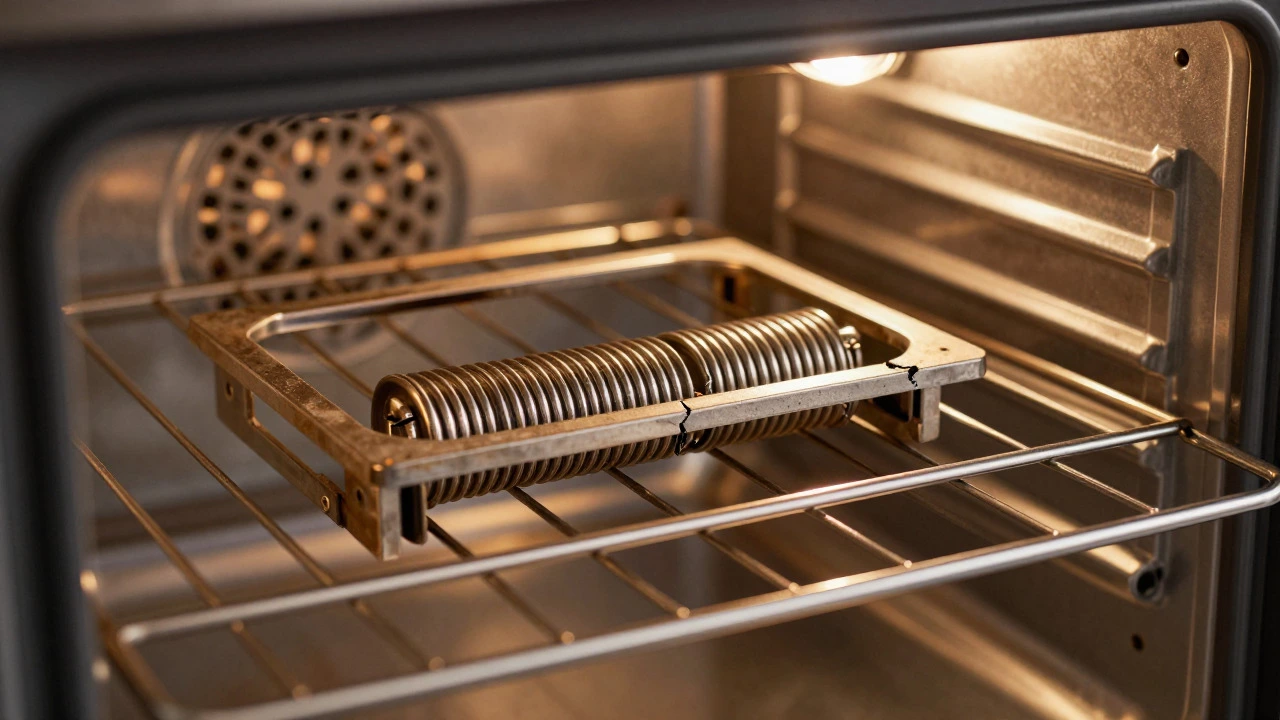
The most obvious sign of trouble is when the oven light works, the fan spins, but no heat comes out. This points directly to the heating system. In electric ovens, heat is generated by metal coils called heating elements. There are usually two: one at the top (broil) and one at the bottom (bake).
These elements degrade over time due to high temperatures. You can visually inspect them if you have access to the back or bottom panel. Look for breaks, blisters, or blackened spots. If you see a gap in the coil, the circuit is broken, and it won’t conduct electricity. Replacing a heating element is one of the easier DIY repairs. The part itself is inexpensive, typically costing between $30 and $60, depending on the model.
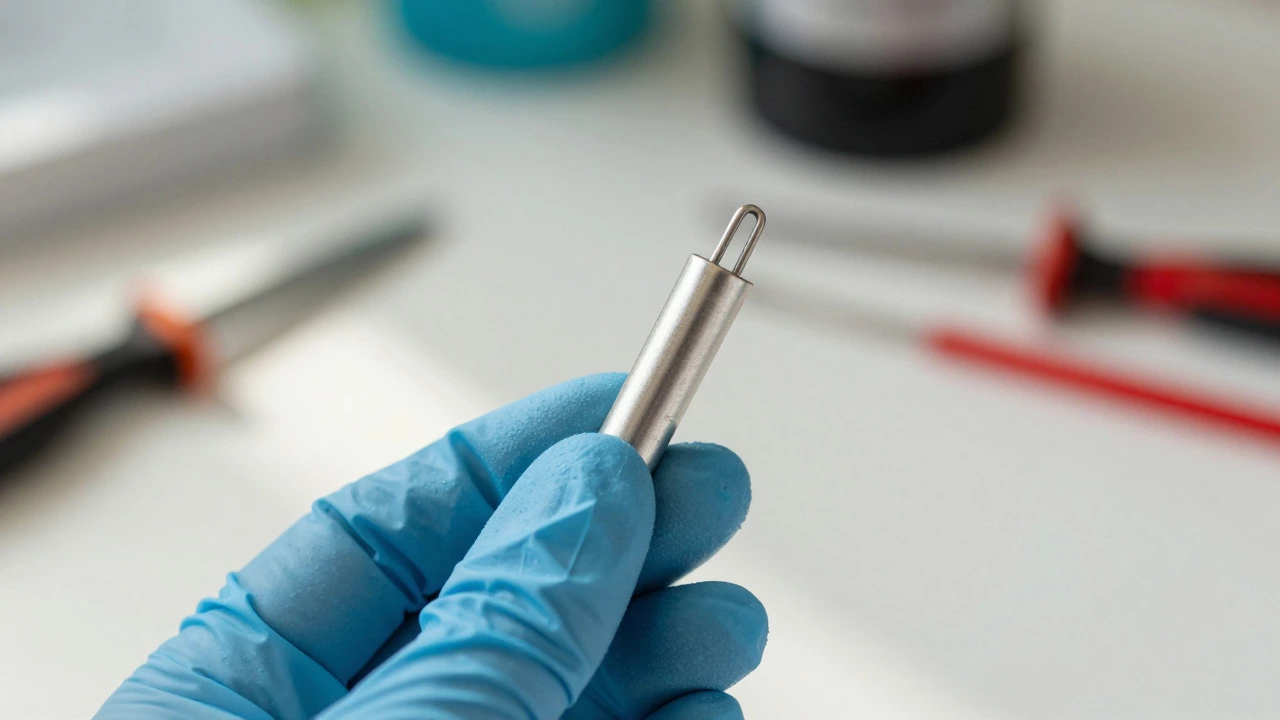
However, don’t assume the element is always the culprit. Sometimes the power isn’t reaching the element because of a tripped breaker or a blown thermal fuse. The thermal fuse is a safety device that cuts power if the oven gets too hot. If it blows, the oven stops entirely. Testing it requires a multimeter to check for continuity. If there’s no continuity, replace it. These fuses cost less than $15 and take five minutes to swap.
Temperature Control Problems
Is your oven running, but the temperature feels off? Maybe your cookies are burnt on the outside but raw inside, or your roast chicken is pale after two hours. This usually means the temperature control system is failing. The brain of this system is the thermostat.
The thermostat monitors the internal air temperature and tells the heating element when to turn on and off. If it sticks in the “on” position, the oven overheats. If it sticks in the “off” position, it never reaches the set temperature. Older mechanical thermostats wear out physically. Modern digital ovens use a sensor connected to a control board. If the sensor drifts out of calibration, the display might show 180°C, but the actual internal temperature could be 150°C or 210°C.
To diagnose this, use an independent oven thermometer. Place it in the center rack and preheat the oven to 180°C. Wait until the display says it’s ready. Check the thermometer. If the difference is more than 15 degrees, your calibration is off. For mechanical models, you can often adjust the thermostat slightly. For digital models, recalibration might require a technician with specialized software. If the sensor itself is damaged, replacing it is straightforward, but the control board might need resetting.
Electrical and Wiring Issues
Sometimes the problem isn’t a specific part but the connection between parts. Loose wires, corroded terminals, or damaged insulation can cause intermittent heating. You might notice the oven works fine one day and not the next. This inconsistency is a red flag for wiring problems.
Check the connections where the heating element plugs into the oven wall. Over time, vibration and heat can loosen these screws. A loose connection creates resistance, which generates extra heat at the contact point, potentially melting the wire or blowing the fuse. Tightening these connections is simple, but you must ensure the power is off. Also, inspect the main power cord for fraying or damage. If the cord is worn, replace it immediately to prevent fire hazards.
Another electrical issue involves the relay on the control board. The relay acts as a switch that sends high voltage to the heating element. If the relay contacts weld shut, the oven stays on constantly. If they fail to close, no heat is produced. Relays are small, box-like components on the circuit board. They are relatively cheap to replace, but soldering skills are required. If you’re not comfortable with electronics, this is a job for a pro.
Door and Seal Failures
Heat loss is another reason for poor performance. If the oven door doesn’t seal properly, hot air escapes, and the thermostat works harder to maintain temperature. This leads to longer cook times and uneven results. The oven door gasket, or seal, is a rubber strip that fits around the door frame. Over time, it hardens, cracks, or tears.
You can test the seal by closing the door on a piece of paper. If you can pull the paper out easily, the seal is weak. Replace the gasket if it’s brittle or torn. New seals cost around $40 to $80 and are easy to install. Additionally, check the door hinges. If the door sags, it won’t sit flush against the frame. Adjusting or replacing hinges ensures a tight fit. A well-sealed door improves energy efficiency and cooking accuracy.
Control Board and Display Errors
Modern ovens have digital displays and touch controls. When the board fails, you might see error codes, a blank screen, or buttons that don’t respond. The control board manages all functions, from timing to temperature regulation. It’s the most complex and expensive part to replace.
Common signs of board failure include flickering displays, random timer resets, or unresponsive buttons. Dust and moisture can corrode the board over time. If the oven is under warranty, contact the manufacturer. If not, weigh the cost of the board (often $150 to $300 plus labor) against buying a new oven. If your oven is more than seven or eight years old, replacement might be more economical. Newer models offer better energy efficiency and safety features.
| Fault Type | Typical Symptom | Estimated Part Cost | Repair Difficulty | Lifespan Impact |
|---|---|---|---|---|
| Heating Element | No heat, visible cracks | $30 - $60 | Easy | Restores full function |
| Thermal Fuse | Oven dead, no lights | $10 - $15 | Very Easy | Prevents future overheating |
| Thermostat/Sensor | Uneven cooking, temp drift | $20 - $50 | Moderate | Improves accuracy |
| Door Gasket | Heat loss, long cook times | $40 - $80 | Easy | Enhances efficiency |
| Control Board | Error codes, blank display | $150 - $300 | Hard | Major upgrade or replacement |
When to Fix vs. When to Replace
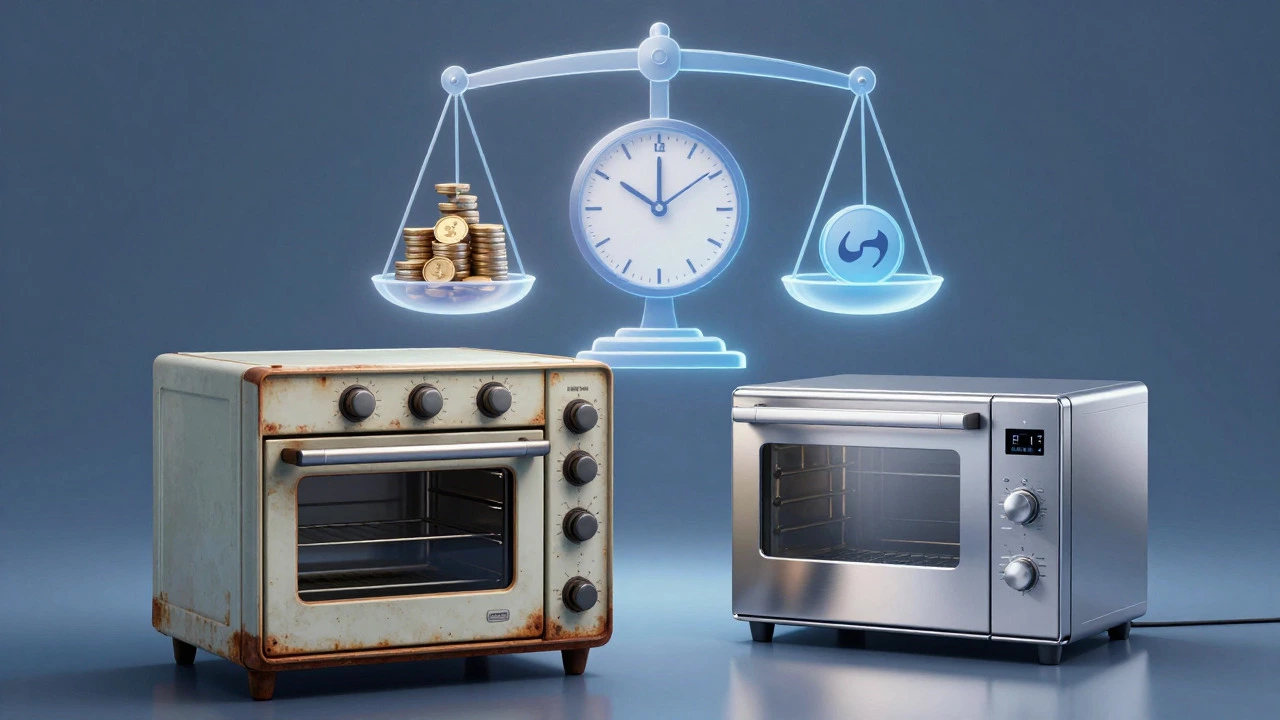
Deciding whether to repair or replace depends on the age of the oven, the cost of the repair, and the severity of the fault. As a rule of thumb, if the repair cost exceeds 50% of the price of a new comparable model, consider replacing the unit. Electric ovens typically last 10 to 15 years. If yours is older and has multiple issues, a new model will likely be more reliable and energy-efficient.
On the other hand, if the oven is only a few years old and the fault is minor, like a blown fuse or a worn gasket, repair is almost always worth it. Always get a second opinion if a technician quotes a high price. Ask for a breakdown of parts and labor. Knowing the specific fault helps you verify the quote.
Preventive Maintenance Tips
You can extend the life of your electric oven with simple habits. Clean the interior regularly to prevent grease buildup, which can ignite or insulate heating elements. Avoid slamming the door, which stresses the hinges and seal. Ensure ventilation is clear so the oven doesn’t overheat. Unplug the oven during deep cleaning to protect the electronics. These small steps reduce wear and tear, keeping your oven performing well for years.
How do I know if my oven heating element is bad?
Look for physical damage like cracks, blisters, or breaks in the coil. If the element glows unevenly or not at all when the oven is on, it’s likely failed. You can also test it with a multimeter for continuity. No continuity means the element needs replacement.
Is it safe to repair an electric oven myself?
Yes, for simple tasks like replacing a heating element or thermal fuse, as long as you unplug the oven first. However, avoid working on live circuits or complex control boards unless you have experience. Always prioritize safety and follow manufacturer instructions.
Why does my oven take forever to reach temperature?
This could be due to a weak heating element, a faulty thermostat, or a poor door seal. Start by checking the door gasket for gaps. Then, test the heating element for consistency. If both are fine, the thermostat may be miscalibrated or failing.
What does it mean if my oven display shows an error code?
Error codes indicate specific faults, such as a sensor failure or communication issue between the board and components. Refer to your user manual for the code meaning. Often, a reset (unplugging for 10 minutes) clears temporary errors. Persistent codes suggest a hardware failure.
How much does it cost to repair an electric oven?
Costs vary widely. Simple fixes like a thermal fuse or gasket might cost $50 to $100 including labor. Heating element replacements range from $100 to $200. Control board repairs can exceed $300. Always compare this to the cost of a new oven, which starts around $500 for basic models.