
Appliance Maintenance & Savings Calculator
Step 1: Select Your Appliances
Check the appliances you own to calculate potential savings.
Your Estimated Impact
Customized Maintenance Checklist
Select appliances above to generate your schedule.
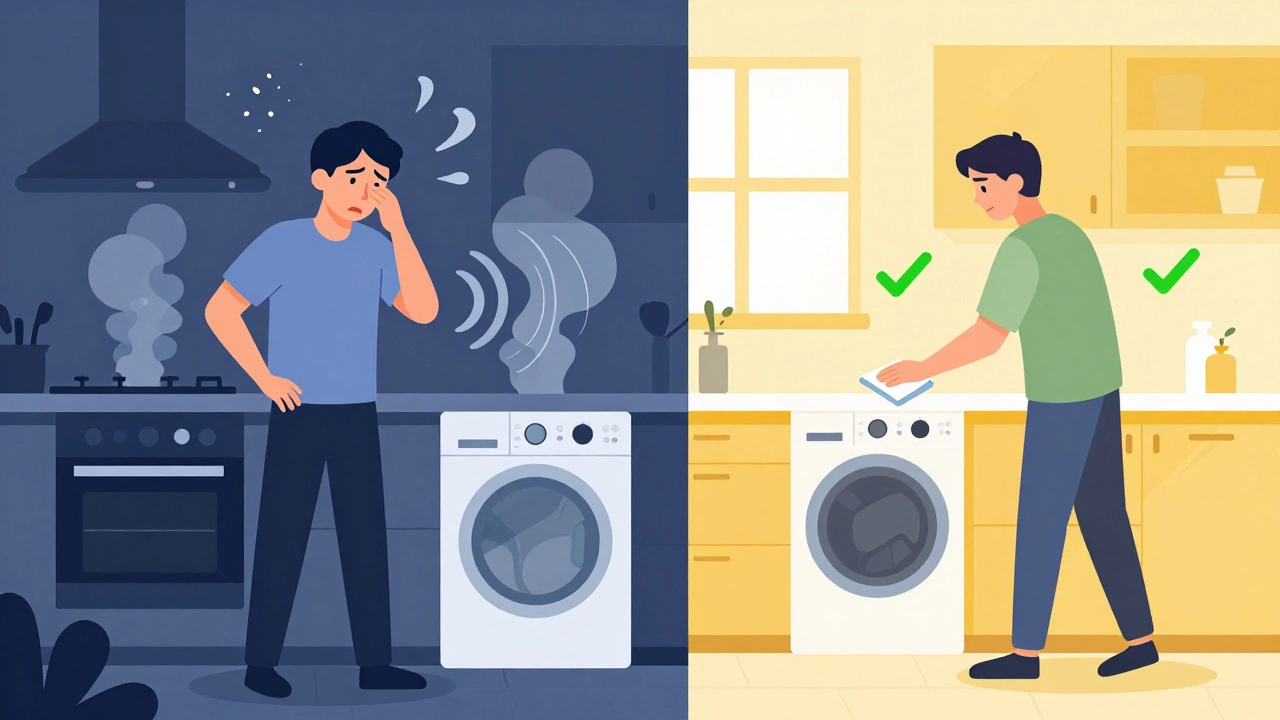
Picture this: It’s 7 PM on a Tuesday. You’re about to start dinner, but your oven refuses to heat up. Or maybe it’s laundry day, and your washing machine is making a sound like a jet engine taking off. These moments are frustrating, expensive, and stressful. But what if you could stop them before they happen?
This is where appliance maintenance comes in. It isn’t just about wiping down surfaces or emptying the filter when it looks dirty. It is the proactive process of inspecting, cleaning, and servicing your home machines to keep them running efficiently and safely. Think of it like changing the oil in your car. You don’t wait for the engine to seize; you service it regularly so it lasts longer.
In New Zealand, where energy costs can climb quickly and replacement parts for imported brands can be pricey, maintaining your appliances is one of the smartest financial moves you can make. This guide breaks down exactly what appliance maintenance involves, why it matters more than you think, and how you can do it yourself without calling a technician every week.
The Core Concept: Prevention vs. Reaction
Most people treat their appliances as "black boxes." You put food in, clothes in, or dishes in, and the machine does its job until it suddenly stops. Reactive repair-fixing something only after it breaks-is costly. When a compressor fails in a fridge, for example, the repair bill often exceeds the value of the unit itself.
Appliance maintenance is the systematic practice of performing routine checks and cleanings to prevent mechanical failure and maintain efficiency. It shifts your approach from reacting to disasters to preventing them. By catching small issues early, like a worn belt or a clogged drain, you avoid catastrophic failures later.
This concept applies to everything in your home. From the massive refrigerator that keeps your groceries fresh to the humble toaster that starts your morning, every motorized device has moving parts and electrical components that degrade over time. Maintenance slows that degradation.
Why Efficiency Matters More Than Ever
You might think, "My microwave works fine, why bother cleaning it?" The answer lies in energy efficiency. Dirty or poorly maintained appliances work harder to achieve the same result. A dryer with a clogged lint trap takes significantly longer to dry clothes, pumping more electricity into the grid and burning more money out of your pocket.
In Auckland, where we rely heavily on electric heating and cooling due to our variable climate, efficient appliances are crucial. A heat pump with dirty filters doesn’t just blow less air; it consumes up to 15% more power to move the same amount of heat. Over a year, that adds up to hundreds of dollars in wasted energy.
Furthermore, modern appliances are designed with tight tolerances. Manufacturers build them to run cool and quiet under specific conditions. When dust, grease, or mineral buildup interferes with these conditions, the internal components overheat. This thermal stress is the number one killer of electronic boards and motors in household devices.
- Lower Energy Bills: Clean filters and coils reduce power consumption.
- Extended Lifespan: Regular care can add 3-5 years to an appliance's life.
- Safety: Prevents gas leaks, electrical shorts, and fire hazards.
- Better Performance: Clothes come out cleaner, food cooks evenly, and ice makers produce clear cubes.
Kitchen Appliances: The Grease and Grime Zone
Your kitchen is the hardest working room in the house. It deals with heat, moisture, grease, and food particles. This environment is hostile to machinery. Here is how to handle the big players.
Ovens and Cookers accumulate carbonized grease and food splatter inside the cavity and on the door seals. If you have a self-cleaning oven, use that function once every six months to burn off residue. For conventional ovens, wipe down the interior monthly. Pay special attention to the door gasket (the rubber seal). If food gets stuck there, the oven loses heat, causing the element to cycle on and off more frequently, which wastes energy.
Dishwashers are another major focus. Many people ignore the spray arm jets until the dishes aren’t getting clean. Use a toothpick to clear any debris from the small holes in the rotating arms. Also, check the filter at the bottom of the tub. In New Zealand, hard water in some areas can cause limescale buildup here. Rinse the filter under hot water weekly and soak it in vinegar monthly to dissolve minerals.
Refrigerators need attention on the outside, specifically the condenser coils. These are usually located at the back or behind the bottom grille. Dust acts as an insulator, trapping heat. If the coils can’t release heat, the compressor runs constantly. Vacuum these coils twice a year. It’s a simple task that can save your fridge from premature death.
Laundry Room Essentials
Laundry machines deal with water, detergent, and fabric fibers. The enemy here is mold and blockages.
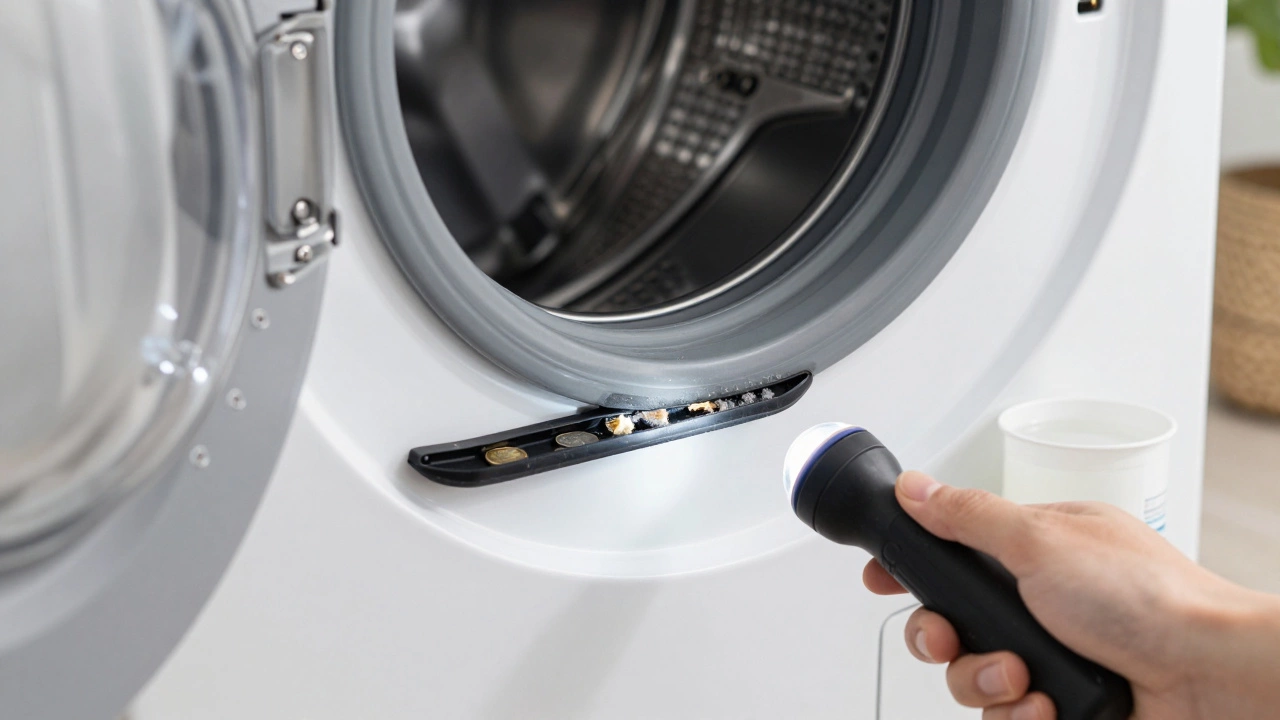
Front-loading washing machines are notorious for developing mildew smells if not maintained. After every load, leave the door ajar to let the drum dry out. Once a month, run an empty hot water cycle with a cup of white vinegar or a dedicated washing machine cleaner. This dissolves soap scum and kills bacteria. Check the door seal for trapped coins, hair, or wet lint. That damp ring is a breeding ground for mold that can ruin your clothes.
Tumble dryers require strict lint management. Yes, you should clean the lint screen after every single load. But many homeowners forget the exhaust vent. The flexible duct that runs from the dryer to the outside wall collects thick layers of lint over time. This is a serious fire hazard. Inspect and vacuum the vent hose annually. If your clothes take longer than usual to dry, your vent is likely blocked.
| Appliance | Task | Frequency |
|---|---|---|
| Washing Machine | Clean door seal & run empty hot cycle | Monthly |
| Tumble Dryer | Clean lint screen | After every load |
| Tumble Dryer | Vacuum exhaust vent | Annually |
| Refrigerator | Vacuum condenser coils | Every 6 months |
| Dishwasher | Clean filter & spray arms | Weekly / Monthly |
| Microwave | Wipe interior & turntable | Weekly |
Heating and Cooling Systems
In New Zealand, heat pumps are ubiquitous. They provide both heating and cooling, making them vital for comfort. However, they are sensitive to airflow restrictions.
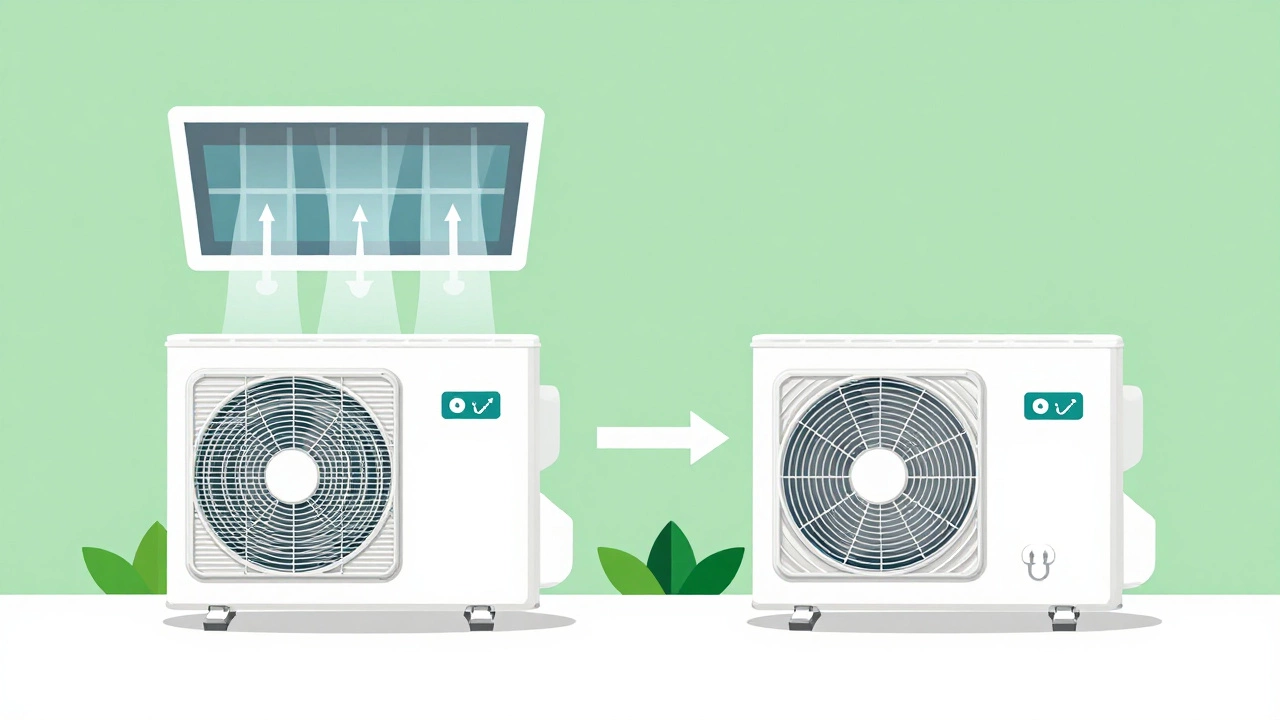
Heat Pump Filters should be checked monthly during peak usage seasons (winter and summer). Wash them in warm soapy water and let them dry completely before reinstalling. A clogged filter forces the fan motor to work harder, leading to noise and eventual failure. Additionally, ensure the outdoor unit is clear of leaves, grass clippings, and shrubbery. Keep at least 50cm of clearance around the external compressor unit.
If you have a gas heater or boiler, maintenance is non-negotiable for safety. Carbon monoxide detectors are essential, but annual professional servicing ensures the combustion chamber is clean and the flue is unblocked. Never attempt to service gas appliances yourself unless you are a certified GasSafe engineer or equivalent licensed professional in NZ.
When to Call a Professional
While much maintenance is DIY-friendly, some tasks require expertise. You know when to call a pro when:
- Electrical Issues: If you smell burning plastic, see sparks, or notice frequent tripping of circuit breakers, unplug the appliance and call an electrician or repair technician immediately.
- Gas Leaks: If you suspect a gas leak (rotten egg smell), evacuate the area, open windows, and contact your gas provider or emergency services. Do not switch lights on or off.
- Complex Repairs: Replacing a compressor, repairing a sealed system (like in a fridge or heat pump), or fixing a control board requires specialized tools and knowledge.
- Warranty Concerns: Some manufacturers void warranties if unauthorized personnel open the unit. Check your manual first.
Professional maintenance contracts can be worth it for high-value items like central heating systems or large commercial-style ranges. For standard household units, learning basic upkeep saves you thousands over the lifespan of the appliance.
Common Mistakes to Avoid
Even well-meaning owners can damage their appliances. Here are the most common pitfalls:
- Using Harsh Chemicals: Abrasive cleaners can scratch stainless steel and degrade rubber seals. Stick to mild soap and water or manufacturer-approved cleaners.
- Overloading Machines: Stuffing too many clothes into a washer or dryer strains the motor and suspension springs. Leave space for agitation and tumbling.
- Ignoring Unusual Noises: Grinding, squealing, or banging sounds are early warning signs. Addressing them early often means a cheap part replacement rather than a full unit swap.
- Skipping the Manual: Your user manual contains model-specific maintenance instructions. Most people throw it away, but it holds the key to optimal performance.
Appliance maintenance isn’t about being obsessive. It’s about being aware. Take ten minutes a month to walk through your kitchen and laundry room. Look, listen, and clean. Your future self will thank you when your appliances keep running smoothly through busy nights and holiday gatherings.
How often should I perform appliance maintenance?
It depends on the appliance. High-use items like washing machines and dryers need monthly checks (filters, seals). Refrigerators and ovens need quarterly deep cleans. Annual maintenance is recommended for heat pumps and exhaust vents. Always refer to your user manual for specific intervals.
Can I clean my own heat pump filters?
Yes, absolutely. Heat pump filters are designed to be removable. Turn off the unit, slide out the filter, wash it in warm soapy water, rinse thoroughly, and let it dry completely before putting it back. Doing this monthly during winter and summer prevents airflow issues and improves efficiency.
Is it worth paying for a professional maintenance plan?
For complex systems like gas boilers, central heating, or built-in cooktops, yes. Professional servicing ensures safety compliance and catches hidden issues. For standalone appliances like microwaves or dishwashers, DIY maintenance is usually sufficient and cost-effective.
Why does my washing machine smell bad?
Bad smells usually come from mold and mildew growing in the door seal, detergent drawer, or drum. This happens when doors are left closed while wet. Run a hot empty cycle with vinegar or bleach monthly, wipe the seal dry after each use, and leave the door ajar to air out.
How do I know if my dryer vent is blocked?
Signs include clothes taking much longer to dry, the dryer feeling excessively hot to the touch, or a noticeable lack of air coming from the exterior vent hood. If you see these signs, turn off the dryer and clean the vent hose immediately to prevent fire risk.
Does cleaning refrigerator coils really save money?
Yes. Dusty coils act as insulation, forcing the compressor to run longer to maintain temperature. A clean coil allows heat to dissipate efficiently, reducing energy consumption by up to 10-15%. This translates directly to lower electricity bills.
What is the best way to clean a dishwasher filter?
Locate the filter at the bottom of the tub, usually under the spray arm. Twist and lift it out. Rinse it under warm running water to remove food particles. Use a soft brush and mild detergent to scrub away grease. Soak it in vinegar occasionally to remove limescale. Replace it securely before running the next cycle.
Can I use bleach to clean my washing machine?
You can, but use caution. Bleach is effective against mold but can damage rubber seals over time if used too frequently. White vinegar is a safer, eco-friendly alternative for regular cleaning. If using bleach, run a separate rinse cycle afterward to ensure no residue remains.