
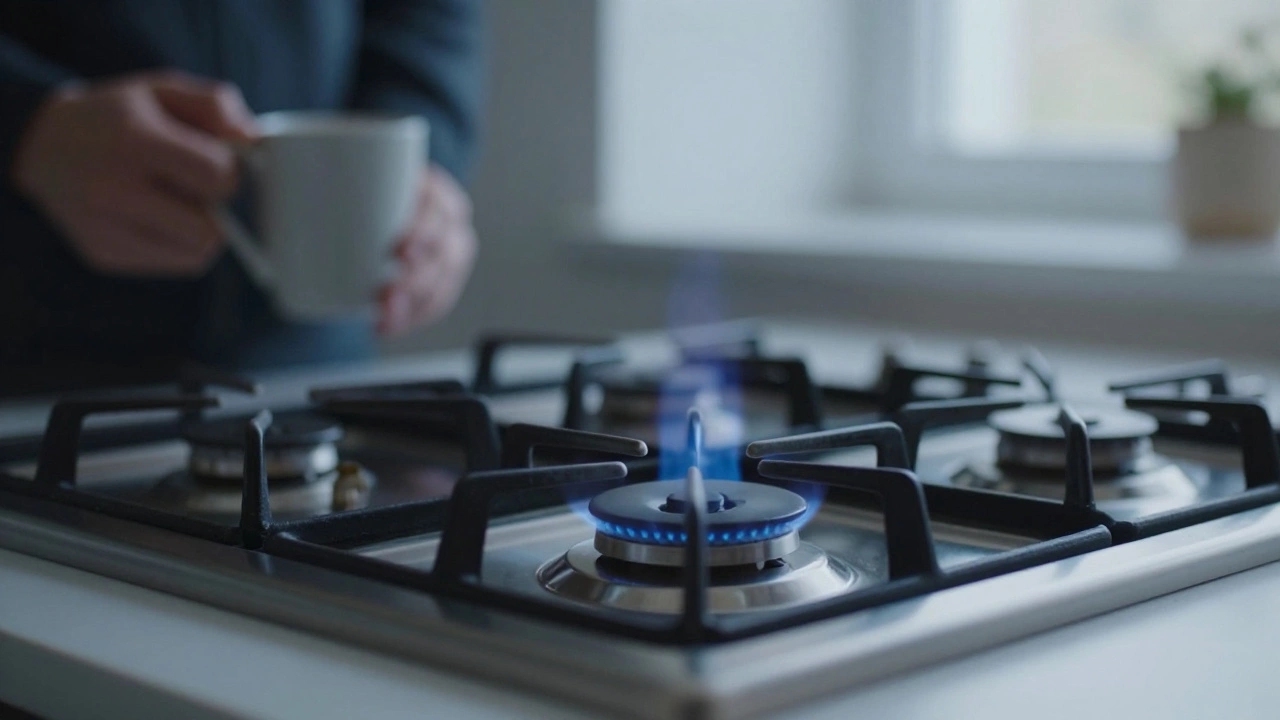
Gas Supply Diagnostic Tool
Answer the following questions to narrow down why your gas appliances aren't working.
Step 1: Safety First
Quick Fixes and Safety Checks
- Check if other neighbors have gas. If the whole street is out, it's a utility provider issue.
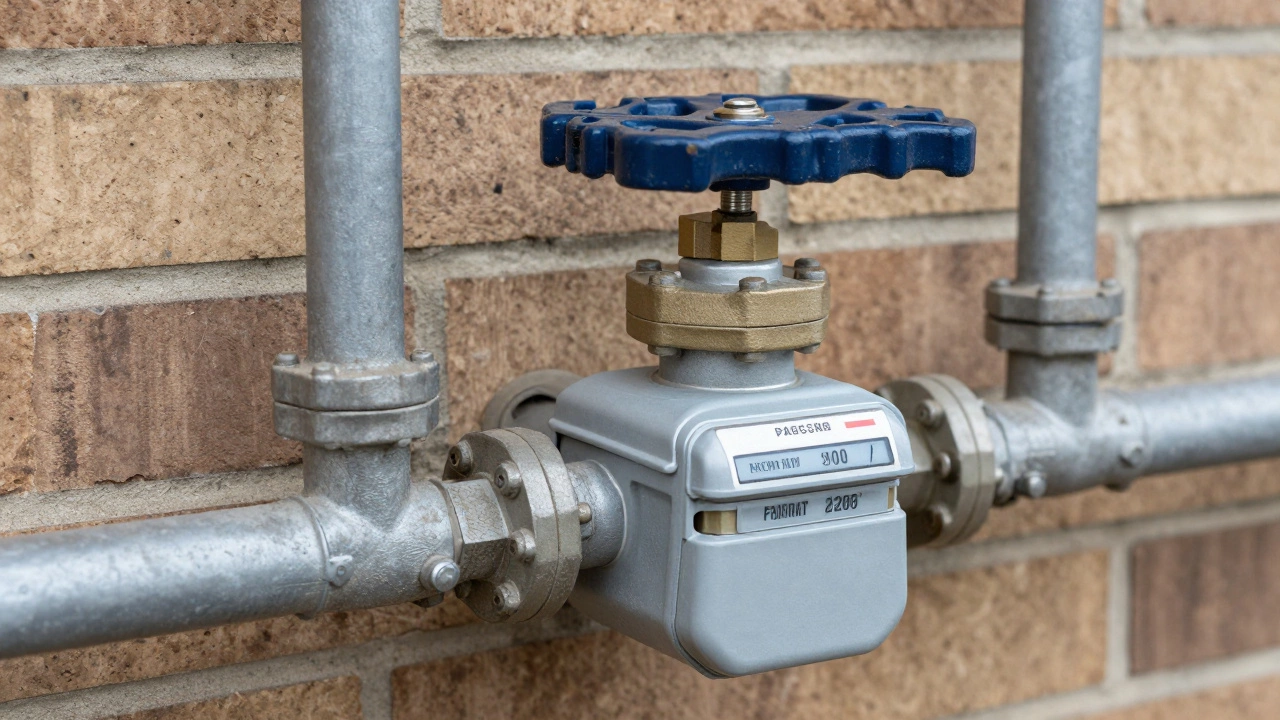
- Check your gas meter for any "off" indicators or red flags.
- Ensure your main gas shut-off valve is fully open (parallel to the pipe).
- Smell for rotten eggs; if you do, get out immediately and call emergency services.
The Mystery of the Dead Gas Supply
When your stove, dryer, and heater all quit, the common denominator is the Natural Gas supply line. Unlike electricity, which can flicker, gas usually either flows or it doesn't. If you have a Gas Meter, this is the first place to look. The meter is the heartbeat of your home's fuel system. If the utility company detects a leak in the area or if there's a billing dispute, they might shut off the gas at the street level. One common culprit is the Main Shut-off Valve. Sometimes, during home renovations or accidental bumps in the garage, this valve gets turned. If the handle is perpendicular to the pipe, it's closed. It needs to be aligned with the pipe to allow gas to flow into your house. If you've recently had plumbing work done, the technician might have forgotten to flip this switch back on.
Understanding the Role of the Gas Pressure Regulator
Gas doesn't just flow freely from the street into your oven; it has to be managed. This is where the Gas Pressure Regulator comes in. Think of it as a traffic cop that slows down the high-pressure gas from the main line to a safe, low-pressure level your appliances can handle. If this regulator fails, it can trigger a safety shutdown. Modern regulators have an internal diaphragm that can freeze or seize up during extreme cold snaps-a phenomenon known as "regulator freeze." If the pressure drops too low, the appliances won't get enough fuel to keep a flame alive. You'll notice the stove might spark, but the flame won't catch, or the Boiler will kick on and then immediately shut down with an error code.
| Symptom | Likely Cause | Urgency |
|---|---|---|
| No spark and no gas smell | Electrical failure or total supply cut | Medium |
| Sparking but no flame | Closed valve or regulator failure | High |
| Faint smell of sulfur/eggs | Gas leak in the line | CRITICAL |
| Appliances work intermittently | Low gas pressure / Partial blockage | Medium |
When the Pilot Lights Go Out
If you have older appliances, you likely have Pilot Lights-those tiny, permanent flames that stay lit 24/7. In a total system failure, a brief dip in gas pressure (even for a few seconds) can blow out every pilot light in the house. Once a pilot light is out, the appliance's safety valve closes to prevent the house from filling with unburned gas. This is why your Water Heater might stop working even if the gas is currently flowing. You have to manually relight the pilot following the manufacturer's instructions. If you try to relight it and the flame vanishes the moment you let go of the knob, you're likely dealing with a faulty Thermocouple-a small sensor that tells the valve it's safe to keep the gas flowing.
The Danger of Gas Leaks and Safety Shut-offs
Most modern homes are equipped with safety mechanisms that automatically kill the gas supply if a leak is detected. If you have an automatic shut-off valve, it may have tripped due to a sudden pressure drop or a seismic event (common in places like New Zealand). Do not attempt to "force" a shut-off valve back open if you suspect a leak. A gas leak isn't just a fire hazard; it can lead to asphyxiation or explosions. The smell of "rotten eggs" is actually a chemical called mercaptan, added to natural gas specifically so humans can detect leaks. If you smell this, do not flip any light switches, do not use your phone inside, and leave the building immediately. Once you are safe, call your gas provider. They use specialized leak detection equipment to find the breach before they will allow you to turn the gas back on.
Electrical Issues Mimicking Gas Failures
It sounds strange, but sometimes your gas isn't the problem-your electricity is. Many modern gas appliances are "hybrid." Your Gas Oven uses gas for heat but electricity for the ignition spark and the digital display. Your Furnace or boiler uses a gas flame, but an electric blower motor to push that heat through your vents. If a circuit breaker has tripped or there is a localized power outage, it might look like your gas is out because nothing is igniting. Check your electrical panel. If the breakers for the kitchen and the utility room are both tripped, you're dealing with an electrical surge, not a fuel shortage. This is especially common after lightning storms or power grid fluctuations.
Next Steps: How to Get Back to Normal
If you've checked the valves, the power, and the neighbors, and everything still isn't working, it's time for a professional. Gas is not a DIY project for the faint of heart. A licensed technician will perform a "pressure test" where they seal the system and pump in air to see if the pressure holds. If the pressure drops, they've found your leak. If the system is tight but the gas isn't flowing, they'll coordinate with the utility company to see if the issue is on the street side. In many cases, the problem is a failed regulator or a corroded pipe segment that has finally given way. Replacing these components requires specific torque settings and sealant tapes to ensure the system remains airtight.
Can I turn the gas back on myself if the meter was shut off?
No. If the utility company shut off the gas at the meter, you must not attempt to turn it back on. Doing so is often illegal and dangerous. The provider needs to perform a safety check to ensure no leaks occurred while the system was off.
Why does my stove spark but not light?
This usually means the electricity is working (the spark is happening), but the gas isn't reaching the burner. This could be due to a closed main valve, a failed pressure regulator, or air trapped in the lines after a period of non-use.
Is it normal for all gas appliances to go out at once?
It is not "normal," but it is a common symptom of a single-point failure. Because all appliances share one main supply line, a problem at the meter or the main shut-off valve will affect every gas device in the house simultaneously.
How do I know if I have a gas leak?
The most obvious sign is the smell of rotten eggs. You might also hear a hissing sound near gas pipes or notice dying plants in a specific area of your yard where an underground gas line is buried.
What is a thermocouple and why does it matter?
A thermocouple is a safety device that detects the heat of the pilot light. If the pilot goes out, the thermocouple cools down and triggers a valve to shut off the gas supply to prevent a dangerous buildup of fuel in your home.