
Freezer Troubleshooter
Find out why your freezer isn't staying frozen
Answer these questions to identify the most likely cause and get specific repair advice.
1 Does the door seal look worn or damaged?
2 Are there visible dust or debris on the coils (back or bottom of freezer)?
3 Is the freezer temperature above -15°C when checked with a thermometer?
4 When the compressor runs, can you hear the evaporator fan?
5 Does the compressor run continuously without cycling off?
Answer the questions above to see your diagnosis
If your freezer isn’t staying cold, your food is at risk. Ice cream turning soft, meat thawing, vegetables going mushy-it’s not just inconvenient, it’s a financial loss. And if you’re in Auckland, where power outages or summer heatwaves can hit hard, a malfunctioning freezer can quickly become a serious problem. You didn’t buy a freezer to watch your groceries spoil. So why won’t it stay frozen? Let’s cut through the guesswork and find out what’s really going on.
The Door Seal Is Worn Out
One of the most common reasons freezers lose cold air? A damaged door seal. That rubber strip around the door isn’t just there for looks-it’s your freezer’s first line of defense against warm air. Over time, it cracks, hardens, or gets food residue stuck in it. Even a tiny gap lets heat creep in, forcing the compressor to run nonstop just to keep up.
Check your seal by closing the door on a dollar bill. Try to pull it out. If it slides out easily, the seal is failing. You’ll notice frost building up around the edges or the door feels warmer than it should. Replacing the seal is cheap and easy. Most freezer models have aftermarket seals available online. Just match the part number from your old seal, order it, and snap it in. No tools needed.
Condenser Coils Are Clogged
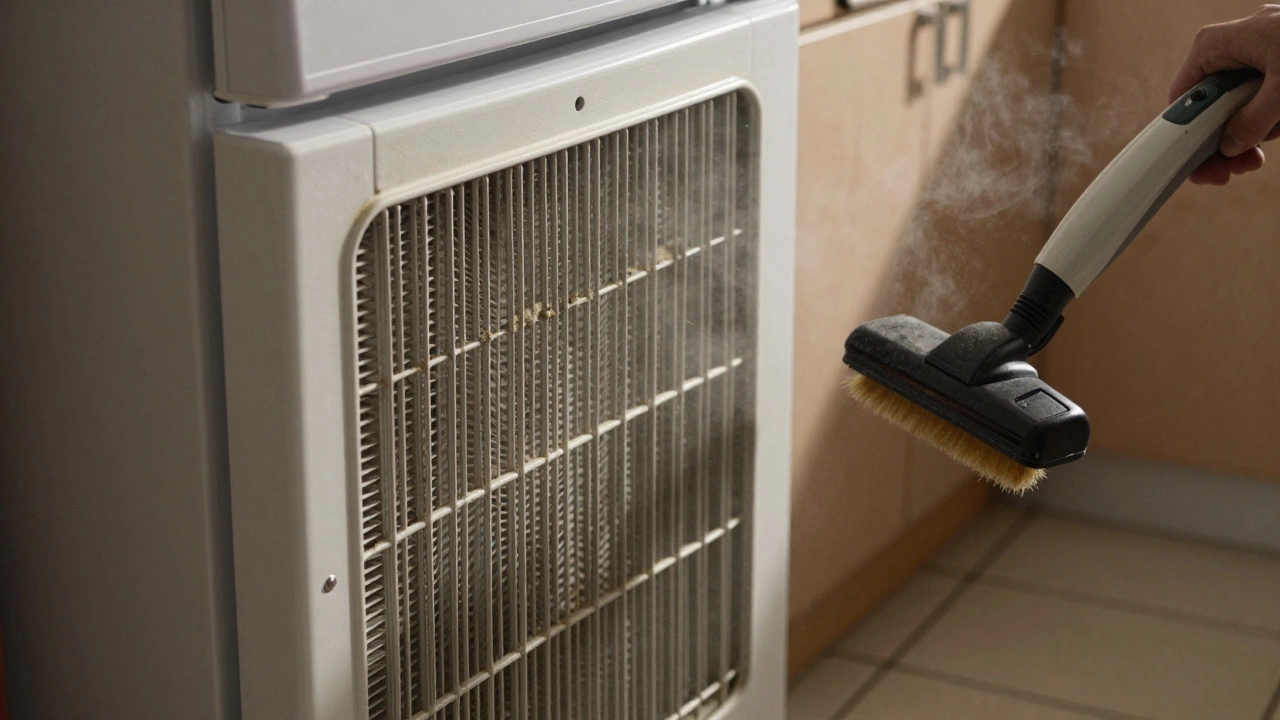
Your freezer works by moving heat out. That heat has to go somewhere-and it goes through coils, usually on the back or bottom. If those coils are covered in dust, pet hair, or lint, the heat can’t escape. The system overheats, the compressor shuts down, and the freezer warms up.
Most people never clean these coils. They’re hidden, out of sight, out of mind. But in a Kiwi home with pets or dusty floors, this is a silent killer. Unplug the freezer, pull it out, and use a coil brush or vacuum with a brush attachment. Do this every six months. If you haven’t cleaned them in over a year, this is likely your problem.
The Thermostat Is Misadjusted or Broken
Thermostats in freezers are simple-usually a dial or digital setting. But they can drift. Someone might’ve turned it to "warm" by accident. Or the internal sensor has gone faulty. If your freezer is set to 0°F (-18°C) but reads 10°F (-12°C) with a thermometer, something’s wrong.
Put a standalone thermometer inside. Wait 24 hours. If it’s above 5°F (-15°C), the thermostat isn’t doing its job. Try adjusting it one notch colder. If that doesn’t help after 48 hours, the thermostat likely needs replacing. It’s a $30 part. You don’t need a technician for this one. Just unplug, remove the control panel, swap the wires, and plug back in.
The Evaporator Fan Isn’t Running
Inside your freezer, there’s a small fan that blows cold air from the coils into the compartment. If it stops, cold air doesn’t circulate. The back of the freezer might be icy, but the front stays warm. That’s the classic sign.
Listen when the compressor kicks on. If you hear a hum but no whirring, the fan is dead. It could be frozen with ice, jammed with debris, or the motor has burned out. Unplug the unit. Take off the back panel. If you see ice buildup, melt it with a hairdryer (never a knife). If the fan blades spin freely but don’t run when powered, replace the fan motor. It’s a common failure point in older freezers.
The Compressor Is Failing
This is the big one. If everything else checks out-the seal, the coils, the thermostat, the fan-and your freezer still won’t stay cold, the compressor might be on its way out.
Compressors don’t just stop. They struggle. You’ll hear loud clicking, buzzing, or a constant hum with no cooling. The unit runs all the time but never gets cold. This usually happens in freezers over 10 years old. Refrigerant leaks or internal wear are the usual culprits.
Replacing a compressor costs more than half the price of a new freezer. Unless your unit is less than five years old and under warranty, it’s not worth it. At that point, buying new makes more sense. Look for models with energy ratings of A+ or higher-they’ll save you money on electricity long-term.
Overpacking or Blocking Airflow
It’s tempting to cram every corner of your freezer. But cold air needs to move. If you’ve stacked bags of frozen peas right up against the back wall or piled boxes in front of the vents, you’re blocking airflow. The freezer can’t cool evenly. Some spots freeze solid. Others stay soft.
Keep at least two inches of space around vents. Don’t store items directly against the back wall. Use clear bins to group similar items. This helps air circulate and makes it easier to find what you need. A well-organized freezer cools better and lasts longer.
Power Issues or Voltage Fluctuations
Auckland’s grid is generally reliable, but older homes sometimes have weak outlets or shared circuits. If your freezer shares a circuit with a kettle, microwave, or washing machine, a surge can trip the internal overload protector.
Plug the freezer into a dedicated outlet. If you’re unsure, use a plug-in voltage tester. It costs under $15. If the voltage dips below 110V or spikes above 130V, it’s damaging the compressor over time. Consider a surge protector designed for appliances. They’re not fancy, but they prevent silent damage.
Temperature Settings Are Too High
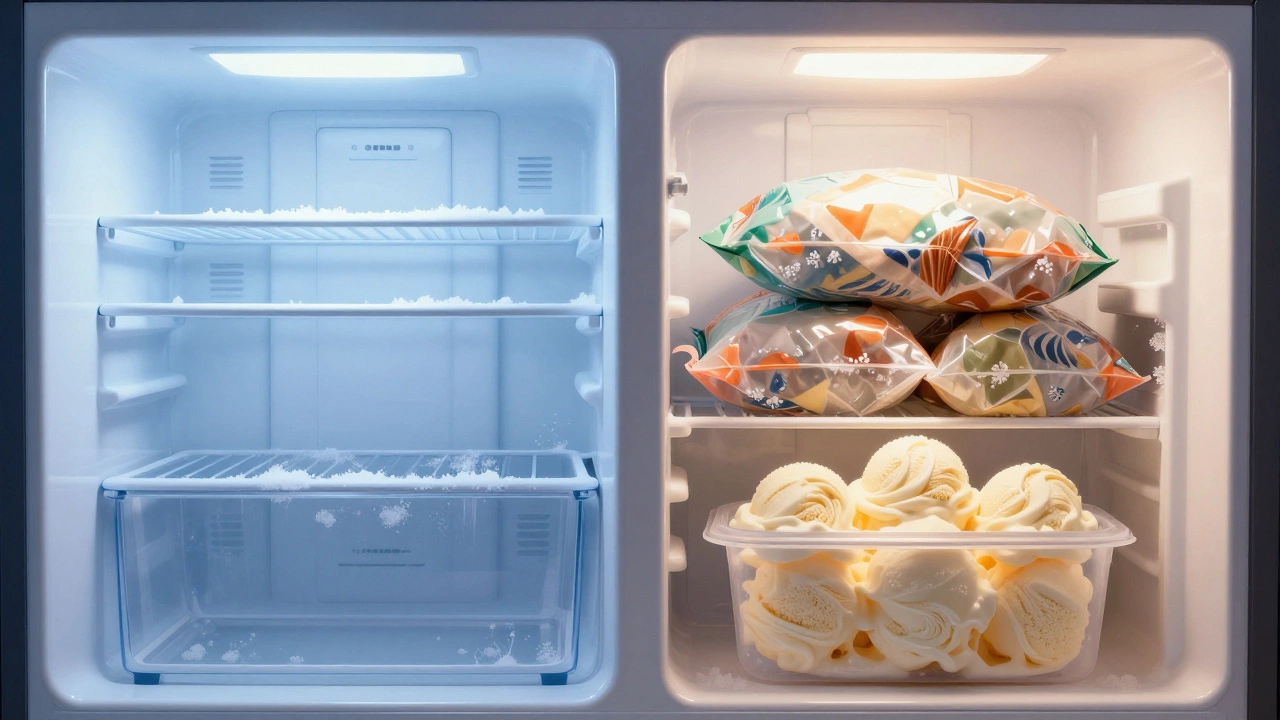
It sounds obvious, but people forget. Some freezers have a "vacation mode" or "energy saver" setting that raises the temperature. Others have digital displays that reset after a power outage.
Check the manual. If you don’t have it, search your model number online. Most freezers should be set between -18°C and -20°C. If it’s set to -10°C, your ice cream will soften. Reset it. Wait 24 hours. If it doesn’t recover, look at the other causes.
When to Call a Pro
You can fix most of these yourself. But if you’ve checked the seal, cleaned the coils, tested the thermostat, and the fan still won’t run, it’s time to call in help. A technician can test refrigerant levels, check for compressor failure, and diagnose electrical issues you can’t see.
Don’t wait until everything’s thawed. A professional can often fix it in an hour. And if it’s beyond repair, they can advise on the best replacement-especially if you’re in Auckland and need a model that handles heatwaves well.
Prevention Tips
- Check the door seal every three months.
- Clean condenser coils every six months.
- Keep the freezer at least 75% full-it holds cold better.
- Don’t open the door more than necessary.
- Use a freezer thermometer to monitor temperature.
- Replace the unit if it’s over 12 years old and using more electricity than it used to.
Why is my freezer cold but not freezing?
If the freezer feels cold but your food isn’t frozen, the temperature setting is likely too high, the thermostat is faulty, or airflow is blocked. Check the thermostat setting, clean the vents, and test with a thermometer. If it reads above -15°C, something needs repair.
Can a dirty freezer cause it to stop freezing?
Yes. Dust on condenser coils, ice buildup on evaporator coils, or food debris in the door seal all prevent the freezer from cooling properly. A dirty freezer works harder, wears out faster, and eventually fails to maintain freezing temperatures.
How long should a freezer take to get cold again after unplugging?
It usually takes 4 to 12 hours for a freezer to reach freezing temperatures after being plugged back in. If it’s been unplugged for more than a day, wait 24 hours before restocking. Rushing this can overload the compressor and cause damage.
Is it normal for my freezer to run constantly?
No. A freezer cycles on and off. If it runs nonstop, the door seal is leaking, the coils are dirty, the thermostat is broken, or the compressor is failing. Constant running means the system can’t reach the set temperature-and it’s burning electricity.
Should I replace my freezer or repair it?
If your freezer is over 10 years old and the repair cost is more than half the price of a new one, replace it. New models use 40% less energy, have better temperature control, and come with warranties. Repair only if it’s under warranty or less than five years old with a simple fix like a seal or fan.