Boiler Safety & Maintenance Checker
Not sure if you should fix it yourself? Select the task or symptom below to see if it's safe for a homeowner or requires a licensed professional.
SAFE Common DIY Tasks
DANGER Professional Only
Troubleshoot Symptoms
Select a warning sign your boiler is showing:
Imagine it’s the middle of a cold winter night. Your home is freezing, and you’re staring at your boiler, hoping that tightening a valve or cleaning a filter will fix the problem without calling an expensive technician.
The urge to save money and time is real. But when it comes to gas appliances, the question "can I service my boiler myself?" carries a heavy weight. The short answer for most homeowners in New Zealand is: you can do some things, but touching the internal mechanics is dangerous and often illegal if you aren’t certified.
Boilers are complex machines that handle high pressures, extreme temperatures, and potentially lethal gases like carbon monoxide. Getting it wrong doesn’t just mean a broken appliance; it means risking your family’s health and safety. Let’s break down exactly what you can safely handle yourself versus what absolutely requires a professional.
What You Can Safely Do Yourself
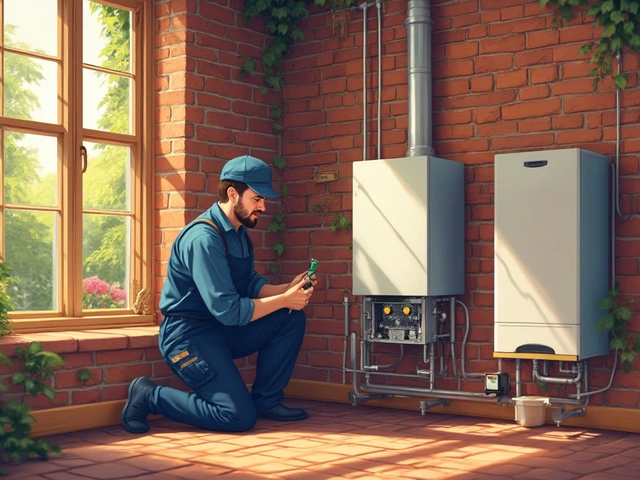
While you shouldn’t be unscrewing the back panel of a gas boiler, there are several maintenance tasks that fall squarely into the DIY category. These steps help keep your system efficient and can prevent minor issues from becoming major repairs.
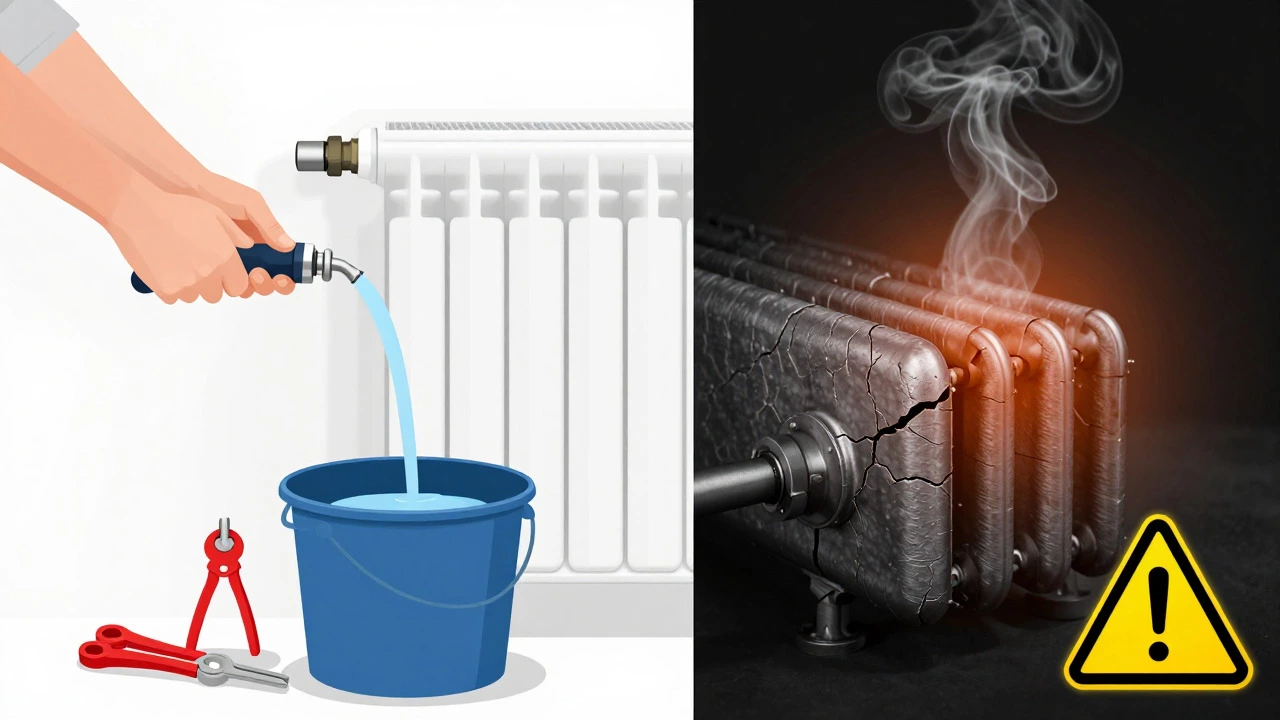
- Bleeding Radiators: If your radiators have cold spots at the top, they likely contain air. Use a radiator key to release the air until water flows out steadily. This improves heat distribution and reduces strain on the boiler.
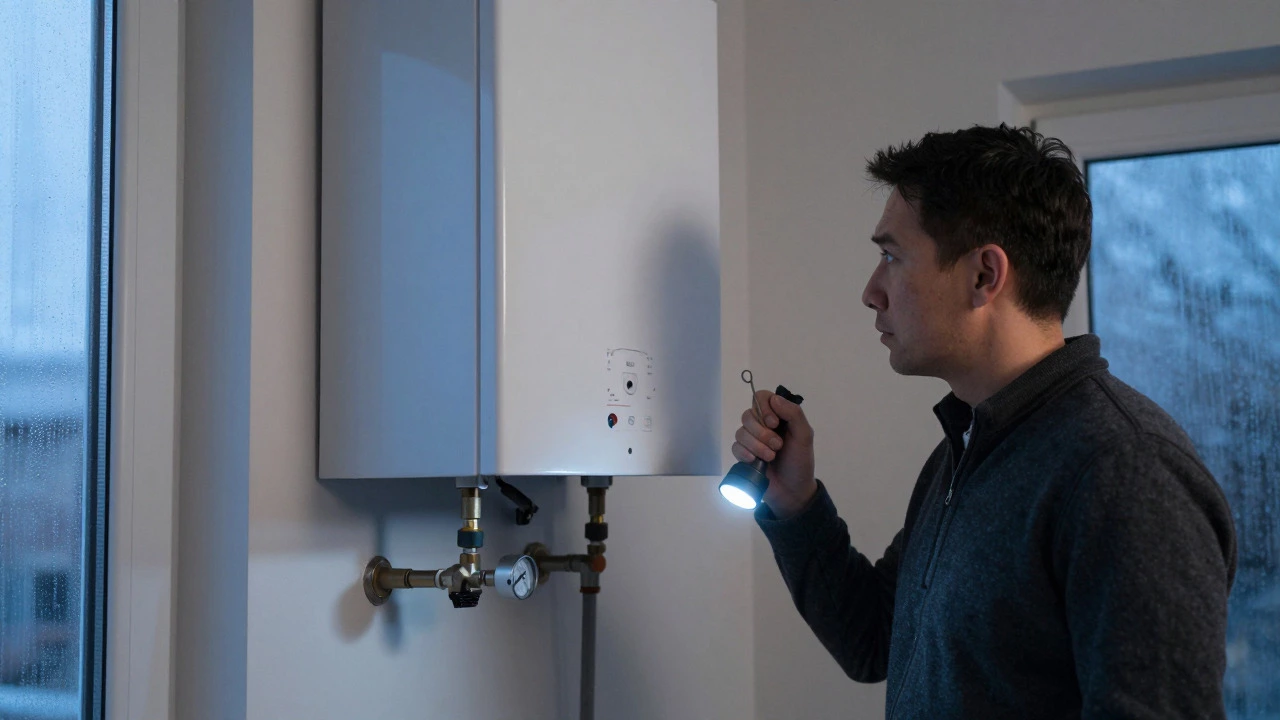
- Checking the Pressure Gauge: Most modern boilers have a pressure gauge. The ideal range is usually between 1 and 1.5 bar. If it drops below 0.8 bar, you may need to repressurize the system using the filling loop. If it’s consistently too high, you might have a faulty expansion vessel.
- Cleaning External Vents: Ensure the external flue pipe isn’t blocked by leaves, bird nests, or debris. A blocked flue can cause dangerous fumes to back up into your home.
- Inspecting Visible Pipes: Look for any obvious signs of leaks, corrosion, or condensation around visible pipework. Early detection of a small drip can save you from a flooded floor later.
- Replacing Filters: If your system has magnetic filters (like a MagnaClean), these should be flushed annually. While this involves draining part of the system, it’s a manageable task if you follow the manufacturer’s instructions carefully.
These tasks require basic tools and a bit of patience, but they don’t involve opening the sealed combustion chamber or handling gas components.
The Danger Zone: What Requires a Professional
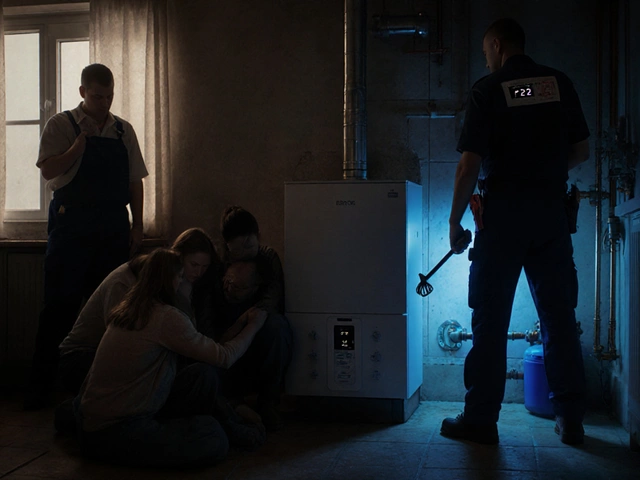
Now, let’s talk about what you should leave to the experts. In New Zealand, working on gas appliances is regulated for good reason. Carbon monoxide is known as the "silent killer" because it’s odorless, colorless, and tasteless. Even a small leak from a poorly serviced boiler can be fatal within hours.
If you aren’t registered with the Gas Safe Register (or its NZ equivalent, the Plumbing Industry Regulations Board), you legally cannot work on the gas parts of your boiler. This includes:
- Checking Gas Pressures: Ensuring the gas burner is receiving the correct amount of fuel is critical for efficiency and safety. Too little gas causes poor heating; too much creates a fire hazard.
- Testing for Carbon Monoxide: Professionals use specialized flue gas analyzers to measure CO levels in the exhaust. A simple detector on the wall won’t tell you if the boiler itself is leaking internally.
- Inspecting Heat Exchangers: Cracks in the heat exchanger can allow exhaust fumes to mix with your domestic hot water. Only a trained eye can spot these hairline fractures.
- Electrical Safety Checks: Boilers have complex wiring. Faulty connections can lead to electrical shocks or fires. A qualified engineer will check all live components.
- Seal Integrity: Gaskets and seals degrade over time. Replacing them requires disassembling the unit, which must be done correctly to maintain airtightness.
Attempting these tasks without proper training and equipment is not just risky-it can void your warranty and invalidate your home insurance.
New Zealand Specifics: Who Is Qualified?
Living in Auckland, you might wonder who exactly is allowed to touch your boiler. Unlike the UK, where the Gas Safe Register is the primary body, New Zealand operates under the Plumbing Industry Regulations Board (PIRB).
To legally service a gas boiler, a technician must hold a Restricted Gas Worker License. This license proves they have the necessary training and competency to handle gas fittings safely. Always ask to see this license before letting anyone into your home.
Here’s a quick checklist to verify your technician’s credentials:
- Do they have a current PIRB Restricted Gas Worker License?
- Are they insured against public liability?
- Can they provide references or reviews from other Auckland residents?
- Do they offer a warranty on their workmanship?
Avoid "handyman" services for gas work. While a handyman might be great for painting or fixing a fence, gas appliances require specialized certification.
Signs Your Boiler Needs Immediate Attention
Sometimes, DIY maintenance isn’t enough. You need to call a professional immediately if you notice any of these warning signs:
| Symptom | Possible Cause | Risk Level |
|---|---|---|
| Yellow/orange flame instead of blue | Incomplete combustion | High (Carbon Monoxide risk) |
| Strange noises (kettling, banging) | Limescale buildup or air locks | Medium (Component damage) |
| Condensation on windows near boiler | Poor ventilation or flue issue | High (Fume leakage) |
| Dropping pressure despite repressurizing | Internal leak | Medium (System failure) |
| Error codes flashing on display | Electronic fault or sensor issue | Variable |
If you smell gas, turn off the supply at the meter, open windows, and evacuate the house. Call your gas provider or emergency services from outside.
Cost Comparison: DIY vs. Professional Service
Let’s look at the numbers. A professional boiler service in Auckland typically costs between $150 and $300 NZD, depending on the complexity of the unit and the company you choose. A DIY approach might seem free, but consider the hidden costs:
- Time: Researching, buying tools, and performing the task can take half a day.
- Risk: One mistake could cost thousands in repairs or medical bills.
- Warranty: Many manufacturers require annual professional servicing to keep the warranty valid.
- Efficiency: A properly tuned boiler uses less gas. An inefficiently serviced one can increase your energy bills by up to 10%.
When you factor in the peace of mind and legal compliance, the professional service often pays for itself through avoided risks and maintained efficiency.
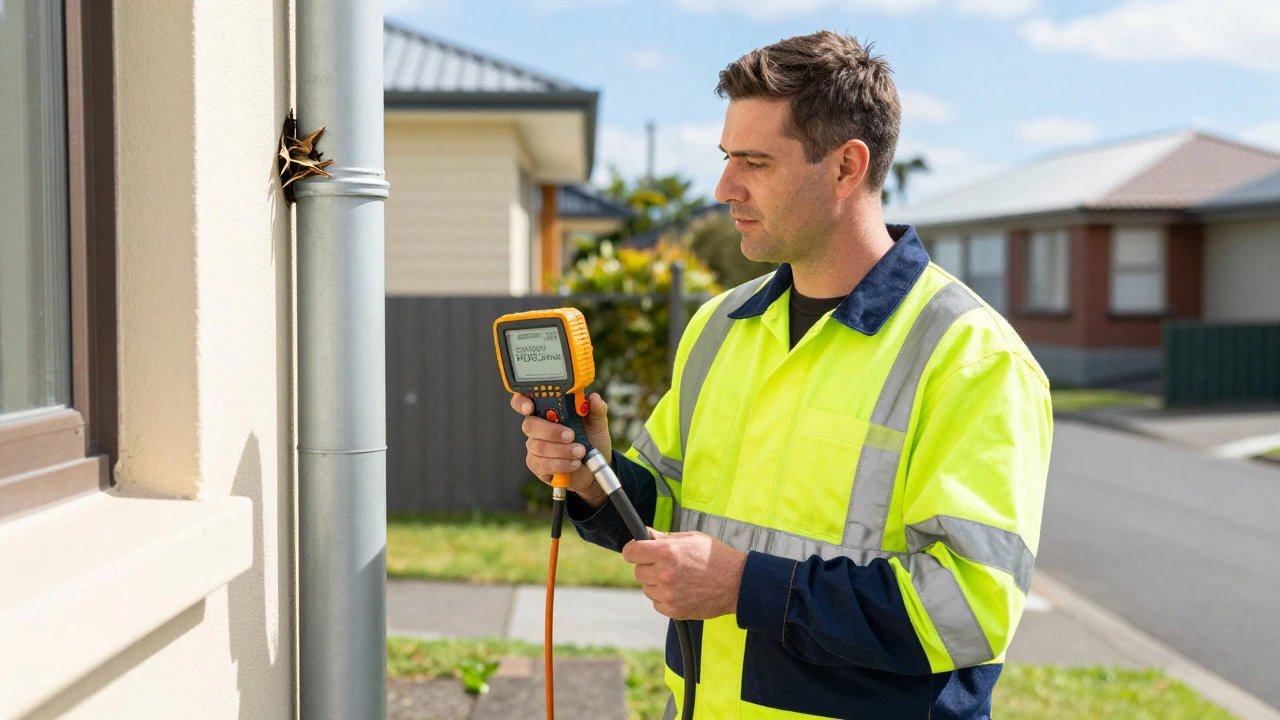
How Often Should You Service Your Boiler?
The general rule is once a year. However, if you have a combi-boiler (which provides both heating and hot water on demand), it works harder than a standard system boiler and may benefit from more frequent checks. Older boilers (over 10 years) also require closer monitoring due to wear and tear.
Set a reminder for early autumn, before the heating season kicks in. This ensures your system is ready for the cold months and avoids peak-season booking delays.
Frequently Asked Questions
Is it illegal to service your own gas boiler in New Zealand?
Yes, if you are not a licensed gas worker. Under the Plumbing Industry Regulations, only individuals with a Restricted Gas Worker License can perform work on gas appliances. Unlicensed work can lead to fines and invalidated insurance.
What happens if I skip my annual boiler service?
Skipping services increases the risk of breakdowns, reduces energy efficiency, and voids warranties. Most critically, it raises the chance of carbon monoxide leaks, which can be deadly.
Can I replace a boiler thermostat myself?
Generally, yes. Thermostats are electrical controls and don’t involve gas lines. However, ensure the power is off before swapping batteries or replacing the unit. If the thermostat is integrated into the boiler’s main board, call a pro.
How do I know if my boiler is leaking carbon monoxide?
You can’t smell or see it. Symptoms include headaches, nausea, dizziness, and breathlessness. Install battery-operated CO detectors near sleeping areas and test them monthly. If symptoms occur, evacuate and call emergency services.
Does a boiler service cover repairs?
No. A service is a preventative check-up. It includes cleaning, testing, and adjusting. Repairs are additional and charged separately if parts need replacing during the visit.
How long does a professional boiler service take?
Typically 45 minutes to 1 hour. Complex issues or older models may take longer. Ensure someone is home to grant access and answer questions about the boiler’s history.