Boiler Emergency Response Guide
Diagnose Your Boiler Situation
This guide helps you determine if your boiler situation is an emergency and what immediate actions to take. Answer the following questions carefully.
If your boiler suddenly stops working, you’re not just cold-you’re stuck in a situation that can turn dangerous fast. No hot water, no central heating, and in winter, that’s not just uncomfortable-it’s a health risk. The question isn’t boiler repair-it’s who do you call, and how fast can they get here?
Don’t Panic, But Act Fast
A broken boiler isn’t something to ignore for a day or two. If it’s below freezing outside, your pipes could freeze and burst. If you smell gas, leave the house immediately and call the national gas emergency line. But if it’s just not turning on, you have a few clear steps before you start calling random plumbers. First, check your thermostat. Is it set to heat? Is the battery dead? A simple fix like replacing a battery or resetting the thermostat can bring your boiler back to life in under five minutes. Next, check the pressure gauge. Most boilers run best between 1 and 1.5 bar. If it’s below 0.5, you might just need to repressurize the system. Look for a filling loop-usually near the boiler-and follow the instructions on the boiler’s front panel. If you’re not sure how, don’t guess. Google your boiler model and “how to repressurize.” Many manufacturers have short videos. If those steps don’t work, you’re past DIY territory.Call a Gas Safe Registered Engineer
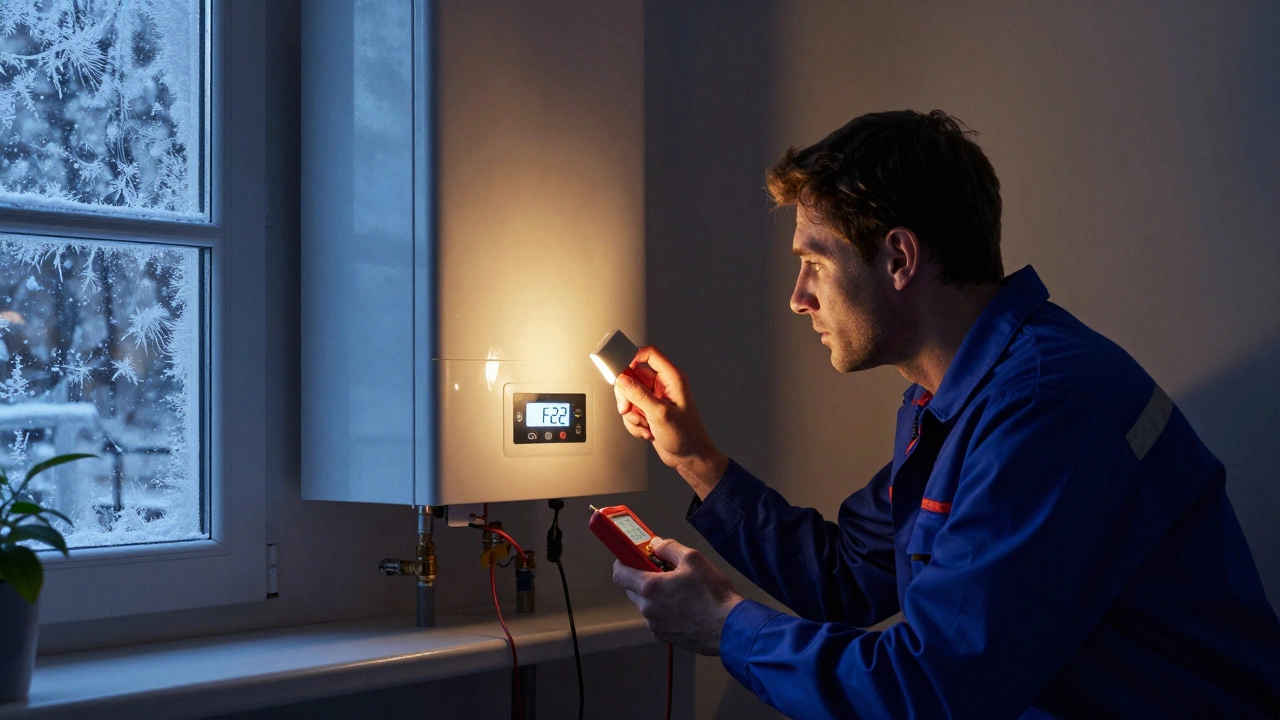
In the UK, only engineers registered with Gas Safe can legally work on gas boilers. This isn’t a suggestion-it’s the law. Unqualified workers can cause gas leaks, carbon monoxide poisoning, or even explosions. You can’t trust a handyman with a wrench and a YouTube tutorial. To find a certified engineer, go to the Gas Safe Register website and enter your postcode. You’ll see a list of local engineers with their qualifications, customer ratings, and availability. Look for someone who specializes in your boiler brand-Vaillant, Worcester Bosch, Baxi, or Ideal. Each brand has specific fault codes and repair procedures. A general plumber might not know how to read a Vaillant error code like F22 or F75. Don’t just pick the cheapest option. A £150 call-out fee might save you £1,200 in damage later. Look for engineers with at least 4.5-star ratings and mention of fast response times. Many offer 24/7 emergency service, especially in winter.What Happens When They Arrive?
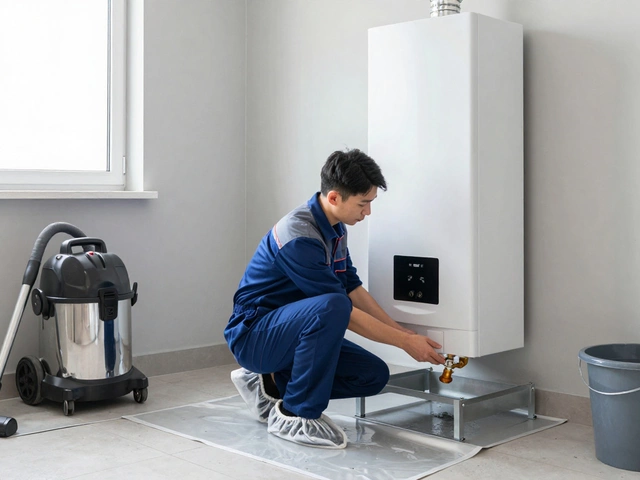
A good engineer won’t just start tinkering. They’ll ask you questions: When did it stop working? Did you hear any strange noises? Are the radiators cold all over or just some? They’ll check the pressure, inspect the flue, test the thermostat, and scan the control board for error codes. Most modern boilers have a digital display that shows codes like E1, E2, or E9. Write them down before they arrive-it helps speed things up. Common fixes include:- Replacing a faulty pump
- Clearing a blocked condensate pipe (common in freezing weather)
- Resetting the ignition system
- Fixing a leak in the heat exchanger
- Replacing a worn-out thermocouple or flame sensor
Red Flags to Watch For
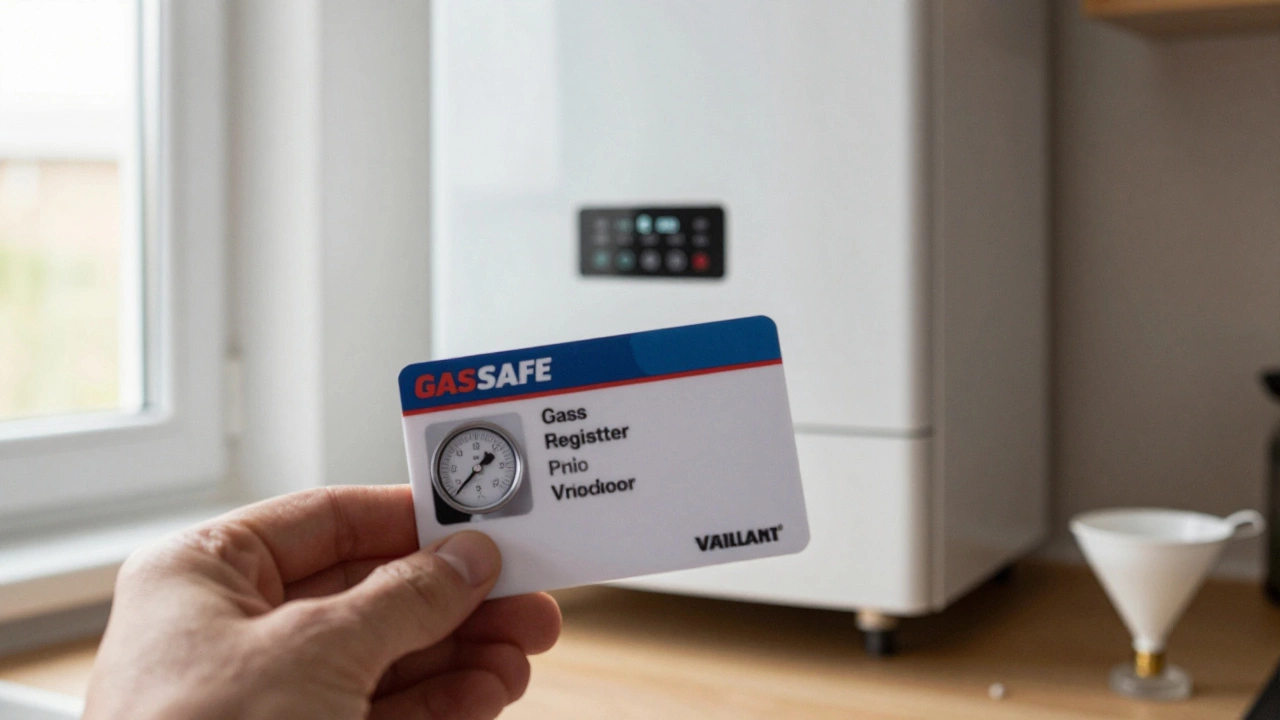
Not all repair services are honest. Here’s how to spot a scam:- They refuse to show their Gas Safe ID card. Always ask to see it. The card has a photo, expiry date, and license number you can verify online.
- They pressure you into replacing the boiler on the spot. A good engineer will give you a written quote and time to think.
- They charge extra for “emergency” service during normal business hours. True emergencies are after 6 PM, weekends, or holidays.
- They don’t explain what went wrong in simple terms. If they say “it’s broken” without showing you the fault, walk away.
Prevent It From Happening Again
The best boiler repair is the one you never need. A yearly service from a Gas Safe engineer costs £80-£120, but it prevents 80% of breakdowns. During a service, they’ll:- Check for carbon monoxide leaks
- Clean the heat exchanger
- Test safety valves
- Inspect the flue and ventilation
- Update your boiler’s software (if applicable)
What If You Can’t Get Help Right Away?
If it’s a weekend, holiday, or you’re stuck in a rural area with no local engineers, you have a few options:- Use a national boiler repair service like British Gas, EDF, or Utilita-they have nationwide response teams and often guarantee a 4-hour emergency slot.
- Check local Facebook groups or Nextdoor. People often post trusted local engineers they’ve used before.
- If you have home emergency insurance, call them first. Many policies cover boiler repairs and even temporary heating solutions like portable heaters.
When to Replace Instead of Repair
Ask yourself these three questions:- Is your boiler more than 10 years old?
- Have you had more than two repairs in the last year?
- Is your energy bill rising even though you haven’t changed usage?
Final Tip: Keep a List
Before winter hits, write down the name, number, and Gas Safe number of one trusted engineer. Save it in your phone under “Boiler Emergency.” Test the number once a year. Make sure it’s still active. Don’t wait until your boiler dies at 2 a.m. to Google someone. A working boiler isn’t a luxury. It’s a necessity. Knowing who to call-and how to spot a good one-can save you money, stress, and maybe even your life.What should I do if my boiler has no power?
First, check your fuse box. The boiler might be on a dedicated circuit that tripped. Reset the breaker. If that doesn’t work, check if the boiler’s plug is loose or if the power switch on the unit itself is turned off. Some boilers have a small on/off button near the display. If there’s still no power, call an engineer-it could be a faulty control board.
Can I fix a leaking boiler myself?
If the leak is small and coming from a valve or pipe joint, you might be able to tighten it with a wrench. But if water is dripping from the boiler’s body, especially near the heat exchanger, stop. That’s a sign of internal corrosion. Turning it off and calling a Gas Safe engineer is the only safe option. Leaks like this can lead to expensive damage or dangerous gas buildup if water gets into electrical parts.
Why does my boiler keep turning off after a few minutes?
This is usually caused by overheating. The boiler’s safety system shuts it down to prevent damage. Common causes include a blocked flue, low water flow from a faulty pump, or a dirty heat exchanger. A professional will clean the system and check the thermostat settings. Don’t keep resetting it-this wears out the components faster.
Is it safe to use my boiler if it’s making a banging noise?
No. Banging or knocking noises usually mean water is boiling inside the heat exchanger because of limescale buildup or low water flow. This is called kettling. It damages the boiler over time and can lead to cracks. Turn it off and call an engineer. A power flush can fix it-but only if caught early.
How long does a boiler repair usually take?
Simple fixes like resetting the system or clearing a condensate pipe take under an hour. Replacing a pump or thermostat might take 2-3 hours. If the heat exchanger is damaged or the boiler needs replacing, expect the job to take a full day. Most engineers will give you a time estimate before starting work.