Washing Machine Temperature Calculator
How Your Machine Works With Broken Boiler
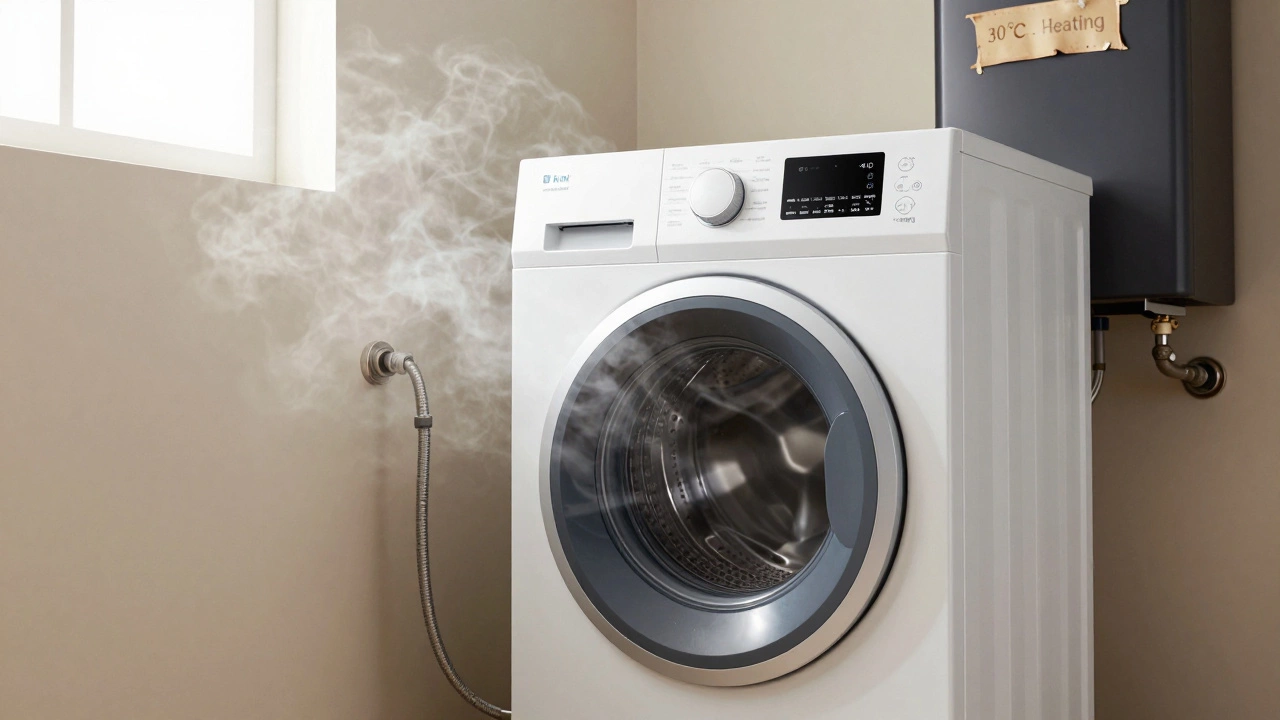
Most modern washing machines heat water internally. This calculator shows what to expect at different temperature settings when your boiler is broken.
Result
Key Facts
- Cold 20-30°C: Works perfectly with broken boiler
- Warm 40-60°C: Works but may take longer
- Hot 70-90°C: Requires functioning heating element
If your boiler is broken, you might panic thinking your washing machine won’t work. The truth is simpler: washing machines don’t rely on your boiler to operate. Most modern machines heat water internally using their own heating element. Even if your boiler is dead, your wash cycle will still run - it just might take longer or use colder water.
How Washing Machines Heat Water
Most washing machines in New Zealand, especially those made in the last 15 years, have a built-in electric heating element. This means they don’t need hot water from your boiler. When you select a 40°C or 60°C wash, the machine pulls in cold water from your mains and heats it up on its own. It’s the same way your electric kettle works - it doesn’t need your oven to boil water.Some older machines, especially those installed before 2010, were designed to connect to both hot and cold water pipes. These models rely on your boiler to supply hot water. If your boiler is broken, those machines can still run, but only on cold water cycles. You’ll lose the ability to wash at higher temperatures unless you fix the boiler.
What Happens When the Boiler Is Off?
If your boiler is completely dead, here’s what you can expect with your washing machine:- Cold wash cycles (30°C or below) - work normally
- Warm or hot wash cycles (40°C+) - take longer to heat water, or may not reach target temperature
- Spin cycle - unaffected, works the same
- Display and controls - no impact, machine operates as usual
Some machines will show an error code if they can’t heat water fast enough. For example, a Bosch or Samsung might display E10 or H1, meaning it’s struggling to reach the set temperature. This doesn’t mean the machine is broken - it’s just warning you that the water isn’t heating as quickly as expected.
Boiler vs. Washing Machine: Two Separate Systems
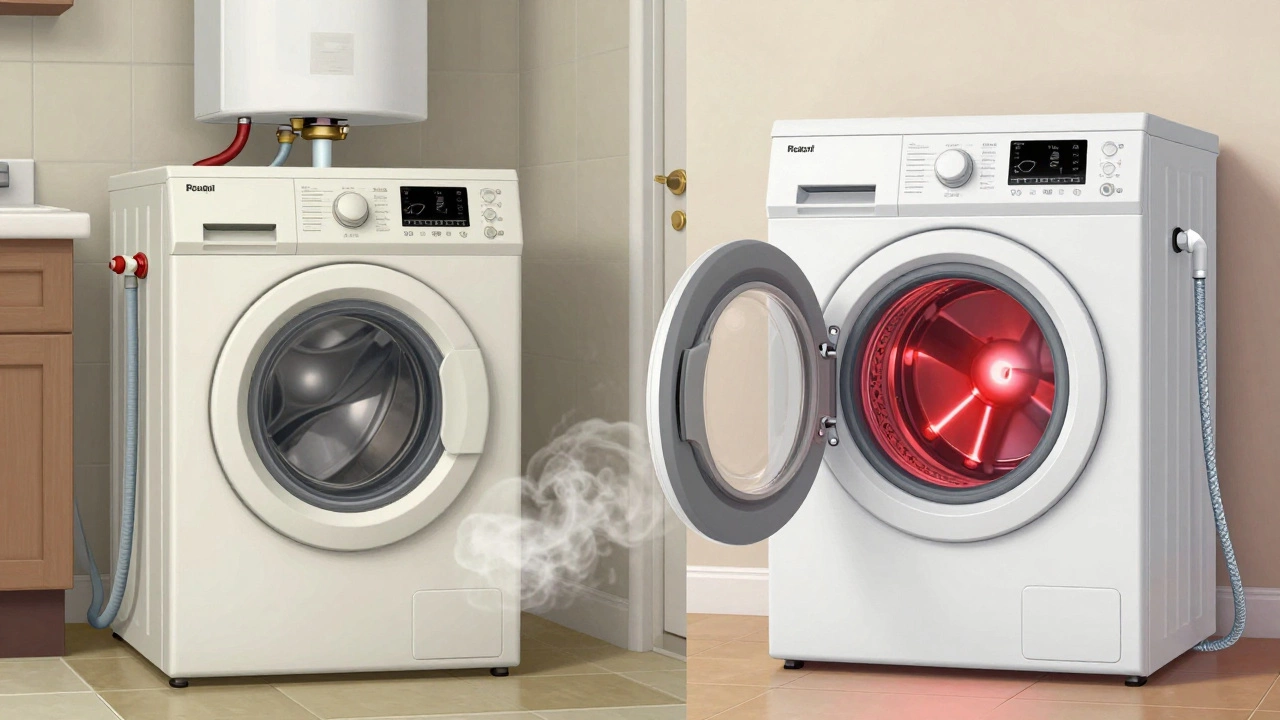
Your boiler and washing machine are on completely different plumbing and electrical circuits. The boiler heats water for taps, showers, and radiators. The washing machine pulls water from the same cold water line as your kitchen sink. Even if your boiler is leaking, frozen, or completely dead, the cold water supply to your washing machine stays intact.The only overlap is if your washing machine was installed to use hot water from the boiler - which is rare in newer homes. In Auckland, most houses built after 2005 have washing machines connected only to cold water. That’s because modern machines are more energy-efficient heating water themselves than relying on a boiler to do it.
Energy Use: Which Is More Efficient?
Even if your boiler still worked, it’s usually less efficient to use it to heat water for laundry. Gas boilers are about 85-90% efficient, but they lose heat through pipes and tanks. A modern washing machine’s electric heating element is nearly 100% efficient at turning electricity into heat - and it only heats the exact amount of water needed for one load.According to Energywise NZ, using your washing machine’s internal heater uses about 0.5-0.8 kWh per hot wash. Heating the same amount of water with a gas boiler and sending it through pipes can use up to 30% more energy due to heat loss and standby losses.
What If You Need Hot Water for Laundry?
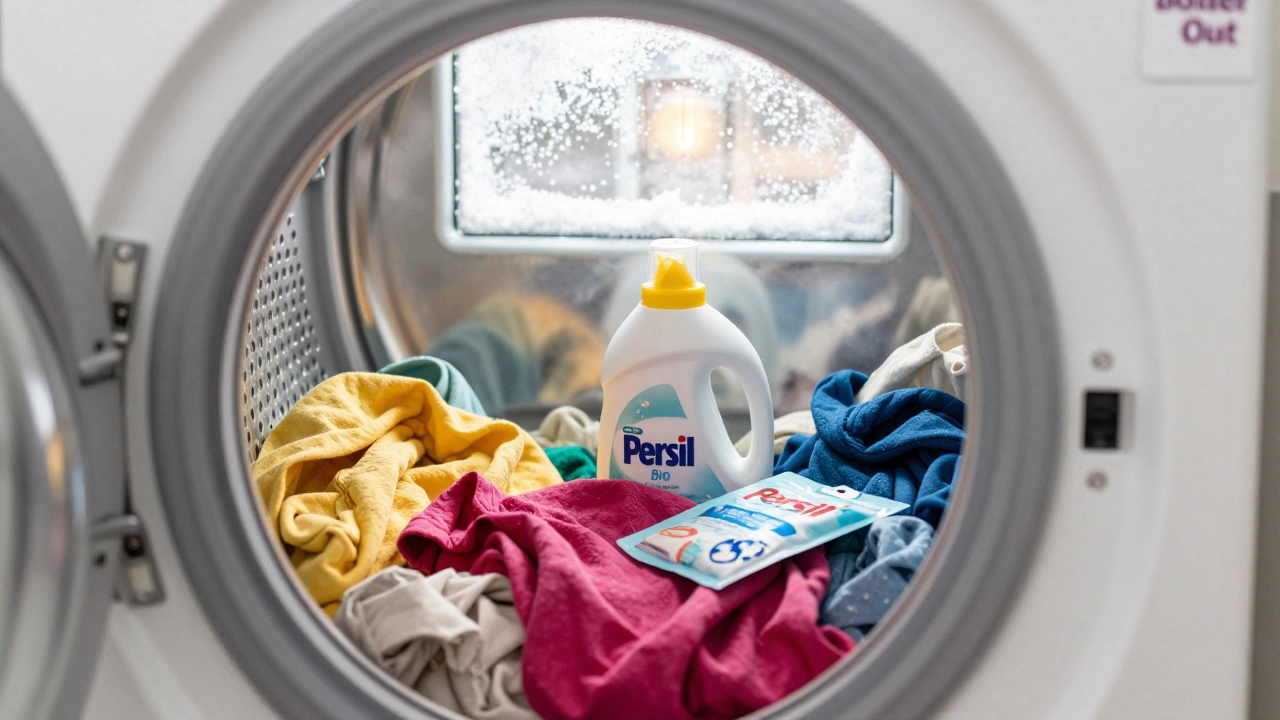
If you’re washing heavily soiled clothes, baby clothes, or bedding, you might want to use a hot cycle. If your boiler is broken, here are your options:- Use a cold wash with a good detergent - many modern detergents like Persil Bio or All Free & Clear work well at 20-30°C
- Pre-soak stains in hot water from the kettle or sink before washing
- Use a laundry additive like OxiClean or Napisan that boosts cleaning at low temperatures
- Temporarily plug in a portable water heater to fill a bucket with hot water for pre-treating
Many Kiwi households now skip hot washes entirely. A 2023 study by Consumer NZ found that 72% of users switched to cold washes for everyday laundry and saw no difference in cleanliness - even with pets or kids.
When a Broken Boiler Actually Matters
There are only a few situations where a broken boiler affects your washing machine:- Your machine is older than 15 years and connected to a hot water pipe
- You live in a very cold area (like Queenstown in winter) and your pipes freeze - which could block water flow to the machine
- Your boiler powers a whole-house water pump, and it’s not working - this is extremely rare in homes
In most cases, especially in Auckland’s mild climate, freezing pipes aren’t a concern. Even if your boiler is out, your cold water supply remains pressurized and functional.
What to Do If Your Washing Machine Won’t Heat
If your machine isn’t heating water even though the boiler is fine, the problem is likely internal:- Check the heating element - it may be burnt out (common after 8-10 years)
- Test the thermostat - it might be stuck or faulty
- Look for limescale buildup - hard water in Auckland can clog the heater over time
- Run a drum clean cycle with vinegar or a descaler
If you’re unsure, unplug the machine and call a qualified appliance technician. Don’t try to fix the heating element yourself unless you’re trained - live wires and water don’t mix.
Final Answer: Yes, It Will Work
Your washing machine will keep running even if your boiler is broken. You might not get hot water, but you’ll still get clean clothes. Modern machines are designed to work independently. The boiler is for showers and taps - not laundry.Fixing your boiler is still important for comfort and hot water in the bathroom. But for your washing machine? You’re fine. Just switch to cold washes, use better detergent, and don’t stress. Your clothes won’t care - and your electricity bill might even thank you.
Will my washing machine work if the boiler is broken?
Yes, your washing machine will still work. Most modern machines heat water internally using their own electric heating element, so they don’t need hot water from the boiler. Cold water washes will run normally, and even hot cycles will still start - they’ll just take longer to heat the water.
Do I need to fix my boiler before I can use my washing machine?
No, you don’t need to fix your boiler to use your washing machine. The two systems operate independently. Your washing machine draws cold water from the mains, not from your boiler. The only exception is if you have a very old machine connected to a hot water pipe - which is rare in homes built after 2010.
Why is my washing machine taking longer to heat water?
If your boiler is broken and your machine is trying to heat water on its own, it may take longer because it’s starting from colder water. This is normal. If it’s taking much longer than usual or not reaching temperature at all, the machine’s heating element or thermostat may be faulty - not the boiler.
Can I still wash clothes effectively with cold water?
Yes. Modern detergents are designed to work well at 20-30°C. Brands like Persil, All, and Ecover have enzymes that break down stains even in cold water. Many households in New Zealand now use cold washes for everyday laundry without any loss in cleanliness.
What should I do if my washing machine shows an error code?
If your machine shows an error like E10, H1, or HE, it’s likely struggling to heat water - not because the boiler is broken, but because the machine’s own heater is faulty or clogged with limescale. Try running a drum clean cycle with vinegar or descaler. If the error continues, call an appliance technician to check the heating element.