Boiler Cycling Risk & Cost Estimator
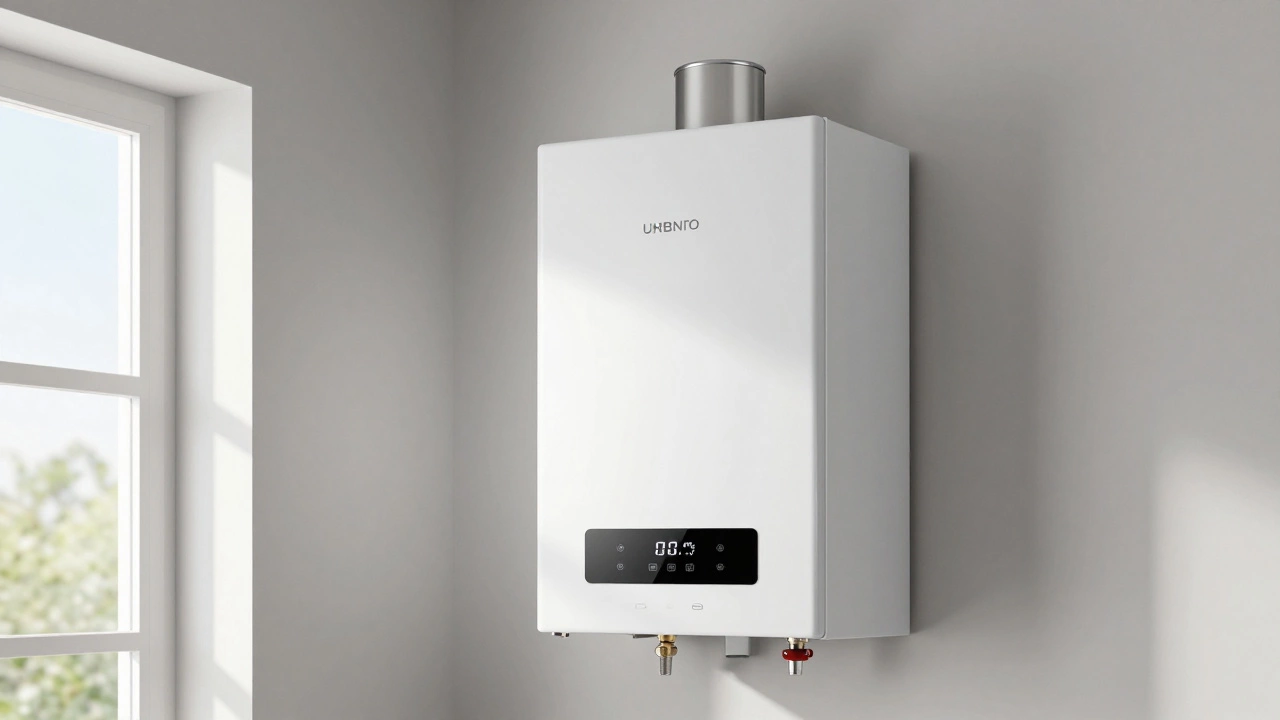
It’s a question that keeps many homeowners up at night: does switching your boiler is a central heating appliance that burns fuel to heat water for radiators or underfloor systems on and off actually damage it? You might be trying to save money on energy bills by letting the house cool down completely when you leave for work, only to crank the heat back up when you return. But there’s a lingering fear that this habit wears out the machine faster.
The short answer is yes, frequent cycling can cause wear, but it’s rarely as catastrophic as people imagine. Modern boilers are built to handle regular use. However, how you switch them-and how often-matters significantly for both the lifespan of the unit and your wallet. Let’s look at what happens inside that metal box every time you flip the switch.
What Happens Inside When You Cycle the Boiler?
To understand the damage risk, you need to know what “cycling” actually means. A cycle is one complete start-and-stop sequence. When you turn the boiler on, several mechanical and electrical components engage in a specific order. First, the fan is a motorized device that moves air through the flue to expel exhaust gases safely spins up to clear any residual fumes from the previous run. Then, the ignition spark fires, lighting the gas. Once the flame is established, the pump pushes cold water into the combustion chamber to be heated.
When you turn it off, the process reverses. The burner shuts down, but the fan continues running to cool the system and clear remaining gases. This isn’t just a simple light switch action; it involves physical movement, high temperatures, and pressure changes. Every time this happens, parts experience stress. Think of it like starting your car engine. Doing it once a day is fine. Doing it ten times an hour puts unnecessary strain on the starter motor and battery. Boilers face similar mechanical fatigue with excessive cycling.
The Real Culprit: Thermal Shock
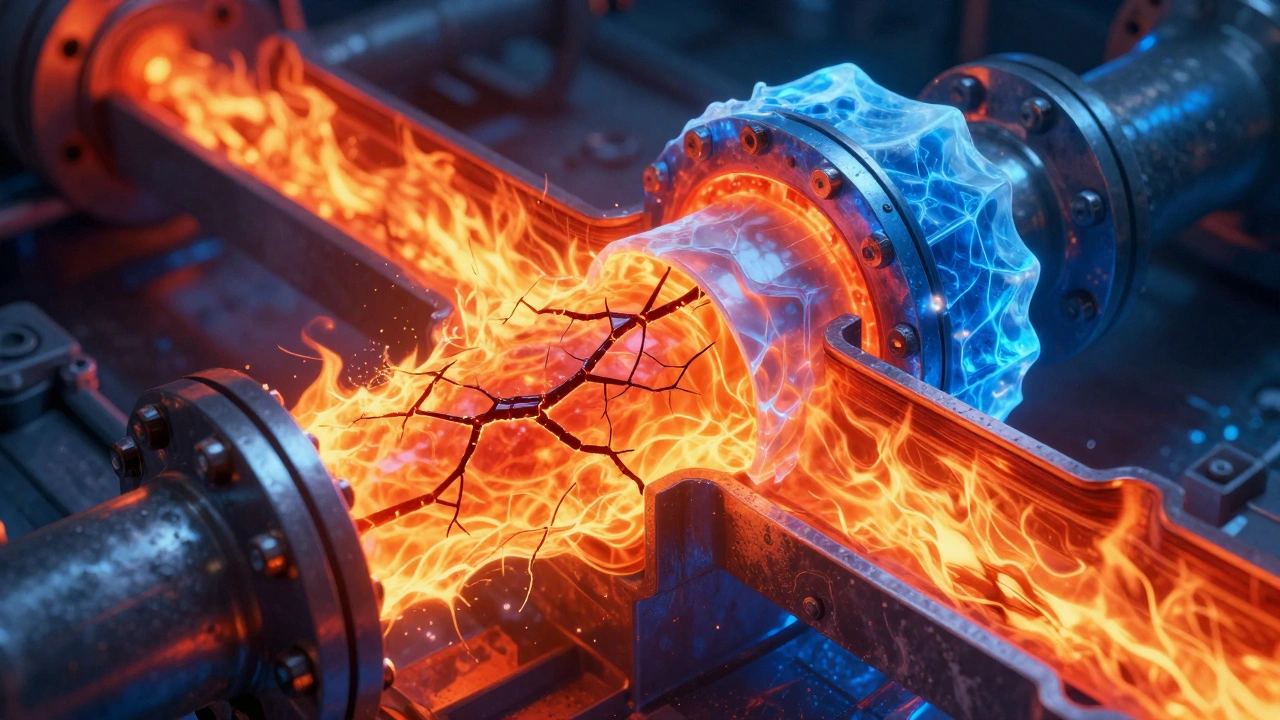
The biggest threat to your boiler isn’t necessarily the mechanical act of turning it on, but the rapid change in temperature known as thermal shock is stress caused by sudden expansion or contraction of materials due to rapid temperature changes. Metal expands when hot and contracts when cold. If you let your home drop to freezing temperatures while you’re away, then blast the boiler to maximum power to warm it up quickly, the metal components inside-including the heat exchanger-are subjected to extreme stress.
This repeated expansion and contraction can lead to micro-fractures over time. In older non-condensing models, this was less of an issue because they operated at higher, more consistent temperatures. But today, most homes use condensing boilers are high-efficiency units that recover waste heat from exhaust gases, requiring lower operating temperatures. These units rely on precise temperature management. Rapid swings can disrupt this balance, potentially leading to cracks in the heat exchanger-a very expensive repair.
Condensation and Corrosion Risks
There’s another hidden danger with aggressive cycling: condensation. Condensing boilers work by capturing moisture from the exhaust gases. This creates acidic condensate that drains away via a neutralizer pipe. When a boiler runs continuously at a low level, this process is steady and manageable. However, if you shut the boiler off for long periods, internal components cool down. When you restart it, moisture can form on cold surfaces before the system warms up evenly.
This uneven cooling and reheating can accelerate corrosion inside the casing and around electrical connections. Over years, this contributes to premature failure of sensors and circuit boards. It’s not usually a sudden breakage, but a slow degradation that leaves you with unexpected breakdowns during winter.
Efficiency vs. Wear: Finding the Balance
So, if cycling causes wear, shouldn’t we just leave the boiler on all day? Not necessarily. Leaving a boiler on constantly when no heat is needed wastes energy. The key is finding the sweet spot between efficiency and mechanical longevity. Most manufacturers design their units to handle daily cycles-turning on in the morning and evening, for example. This is normal usage and won’t harm the device.
The problem arises with “short cycling,” where the boiler turns on and off multiple times within an hour. This often happens if your thermostat is poorly placed (near a drafty window) or if the boiler is oversized for your home. An oversized unit heats the space so quickly that it shuts off prematurely, never reaching its optimal efficient burn phase. This is far worse for the machine than simply turning it off for eight hours while at work.
| Usage Pattern | Mechanical Stress | Energy Efficiency | Risk Level |
|---|---|---|---|
| Continuous Low Heat | Low | Medium | Low |
| Daily Cycling (2-4 times) | Moderate | High | Low |
| Short Cycling (>6 times/hour) | Very High | Low | High |
| Extreme Temp Swings | High | Variable | High |
How to Protect Your Boiler While Saving Money
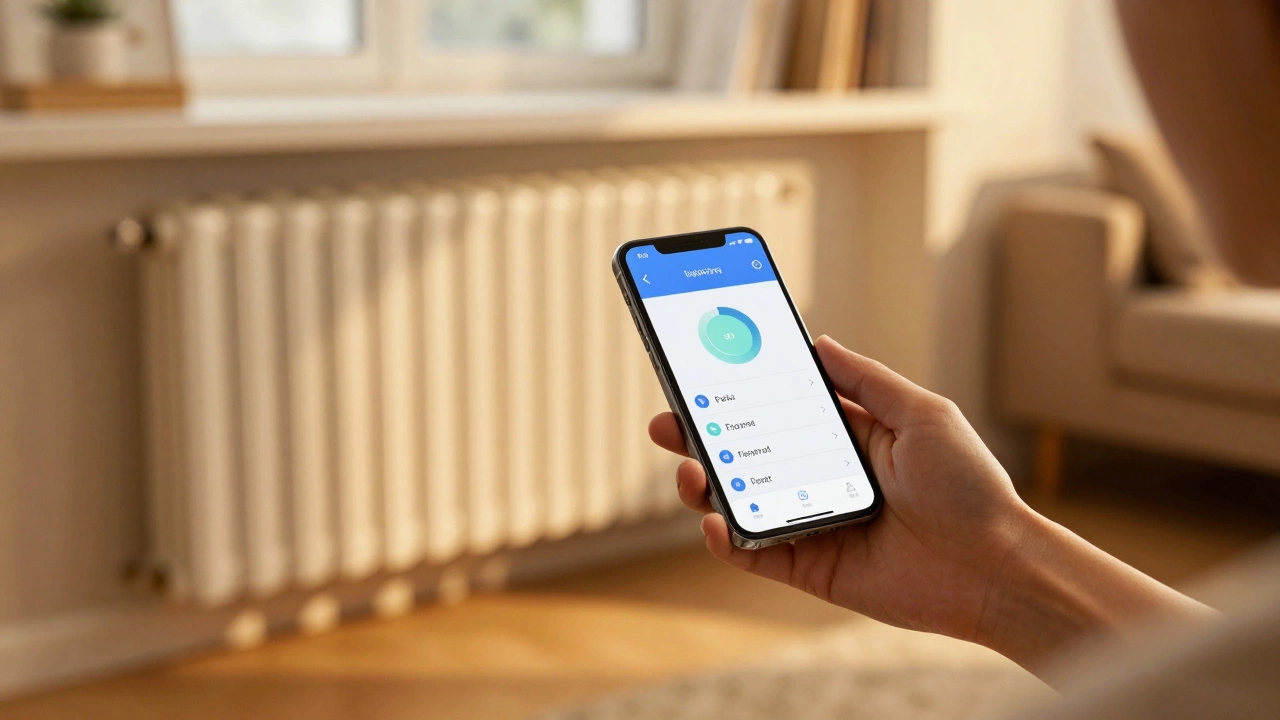
You don’t have to choose between a broken boiler and a huge energy bill. There are smarter ways to manage your heating that protect the equipment while keeping costs down. First, invest in a smart thermostat is a programmable device that learns your schedule and adjusts heating automatically to optimize comfort and efficiency. Unlike manual switches, smart thermostats ramp up heat gradually. They might start warming the house an hour before you arrive, allowing the boiler to run at a steady, efficient pace rather than sprinting from cold to hot.
Second, avoid setting your thermostat too low when you’re away. Dropping the temperature below 15°C (59°F) forces the boiler to work harder to recover. Keeping it at a moderate setback reduces the thermal shock when you boost it later. Third, ensure your boiler is properly sized for your home. If you suspect short cycling, call a technician to check if your unit is too powerful for your insulation levels.
Regular maintenance also plays a huge role. Annual servicing clears out debris, checks seals, and ensures the fan and ignition systems are working smoothly. A well-maintained boiler handles cycling much better than a neglected one. In Auckland’s climate, where winters are mild but damp, boilers don’t run as hard as in colder regions, but the humidity makes corrosion prevention even more critical.
When to Worry About Damage
If you notice your boiler making unusual clicking sounds, taking longer to ignite, or showing error codes frequently, these could be signs of wear from excessive cycling. Ignition electrodes wear down over time, and fans can develop bearing issues. Catching these early prevents major repairs. Don’t ignore small glitches-they’re often the first warning that the mechanical stress is catching up to the machine.
Is it bad to turn my boiler off every day?
No, turning your boiler off once or twice a day is perfectly safe and standard practice. Modern boilers are designed to handle daily cycles. The risk comes from turning it on and off multiple times within a short period, which causes short cycling and increases mechanical wear.
Should I leave my boiler on all day to save wear?
Leaving it on all day may reduce mechanical cycling, but it often costs more in energy bills than the potential savings from avoiding minor wear. Unless you have an old, inefficient model, the energy cost of continuous heating outweighs the benefit of reduced cycling. Use a timer or smart thermostat instead.
What is thermal shock in a boiler?
Thermal shock occurs when metal parts expand rapidly due to heat and contract quickly when cooled. Repeated extreme temperature swings can cause micro-cracks in the heat exchanger, leading to leaks or failures. Avoid letting your home get too cold before reheating it aggressively.
How do I stop short cycling?
Short cycling is often caused by an oversized boiler or a poorly placed thermostat. Move your thermostat away from drafts or direct sunlight, and consider installing a smart thermostat that manages heat recovery gradually. If the problem persists, consult a technician to check if your boiler is correctly sized for your home.
Does using a smart thermostat damage the boiler?
No, smart thermostats actually protect your boiler. By managing temperature changes gradually and optimizing run times, they prevent the harsh on/off spikes that cause wear. They help maintain a stable operating environment, extending the life of your heating system.