The Magic of Keeping Things Cold
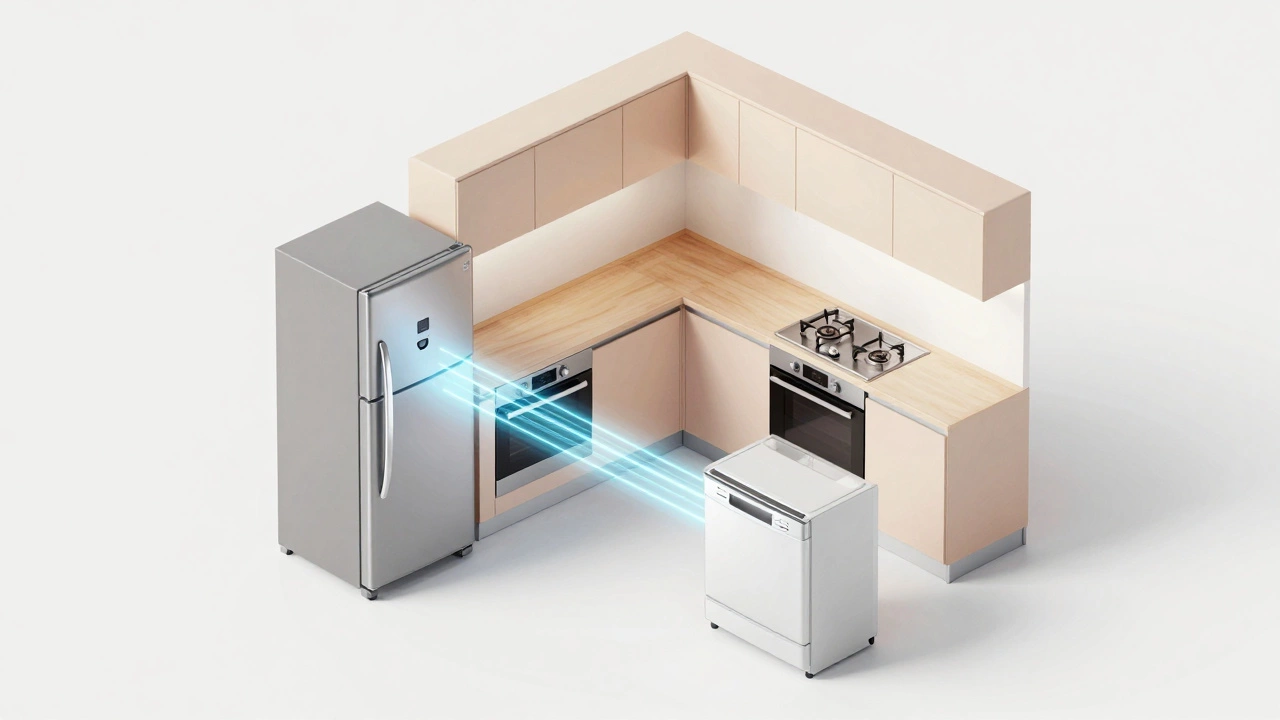
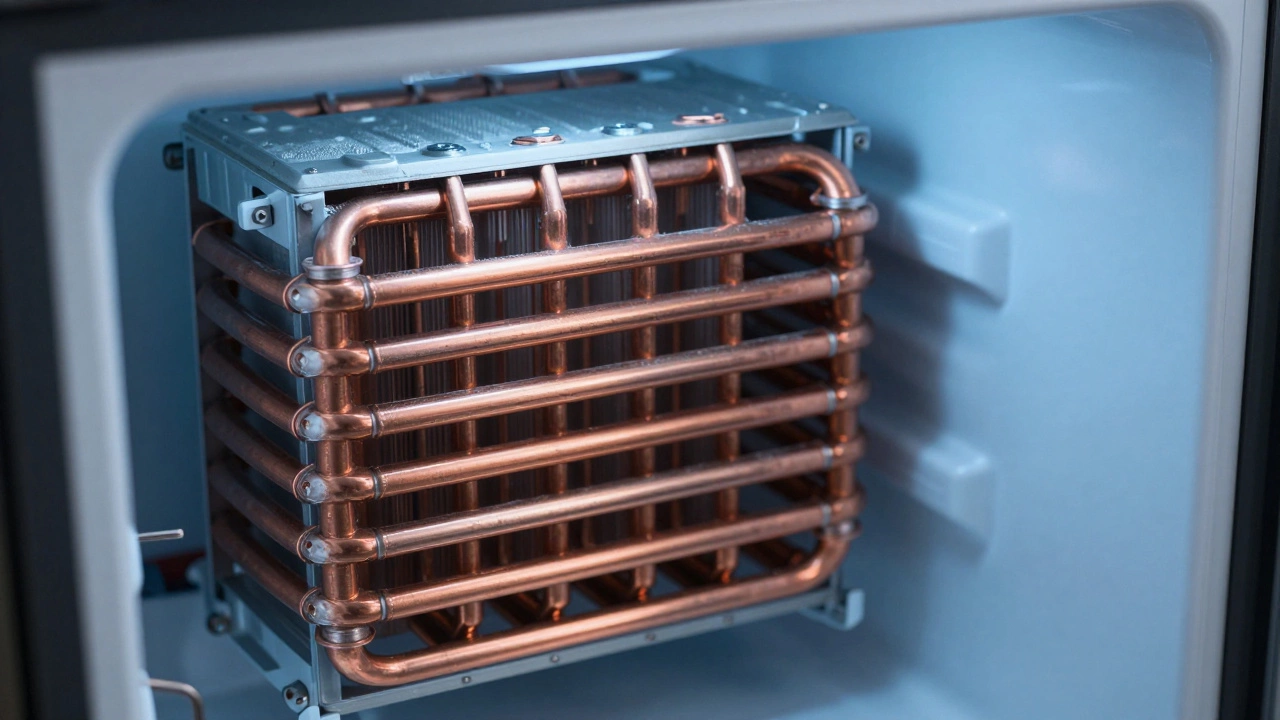
Your fridge doesn't actually 'make cold.' That sounds weird, right? In reality, it removes heat from the inside and dumps it outside. This is done through a process called the vapor-compression cycle. Inside the walls of your fridge is a network of coils containing a Refrigerant, which is a special fluid that boils at a very low temperature.
Here is how it works in plain English: The refrigerant liquid absorbs heat from your groceries, turns into a gas, and then a Compressor squeezes that gas, making it hot. This heat is then released through the coils at the back or bottom of the unit. It's basically a heat pump that works in reverse. If you notice your fridge isn't cooling, the first thing to check is if the coils are covered in dust-dust acts like a blanket, trapping the heat inside and forcing the motor to work twice as hard.
How We Get Clothes Clean and Dry
Washing machines are all about chemistry and centrifugal force. They use a combination of water, detergent, and agitation to pull dirt out of fabric fibers. Most modern machines use a high-speed spin cycle to push water out of the clothes. This uses G-force to fling the water toward the edges of the drum, where it's sucked away by a pump.
Then you have the dryer. A Tumble Dryer works by heating air and blowing it through the clothes while they tumble. This tumbling is key because it prevents the clothes from sticking together, allowing the hot air to reach every fold. If your clothes are taking forever to dry, it's almost always because the lint filter is clogged. Lint blocks the airflow, meaning the hot air can't escape, which can actually lead to a fire hazard if left unchecked.
| Appliance | Primary Action | Energy Source | Common Failure Point |
|---|---|---|---|
| Refrigerator | Heat Extraction | Electricity | Condenser Coils |
| Oven | Thermal Radiation | Gas or Electricity | Heating Elements |
| Dishwasher | High-Pressure Spray | Electricity/Water | Drain Pump |
| Washing Machine | Mechanical Agitation | Electricity/Water | Drive Belt |
The Science of Cooking and Baking
Cooking appliances are essentially just heat delivery systems. An Oven creates an enclosed environment of hot air. In an electric oven, the heating elements glow red hot and transfer heat via convection (the air moving around) and radiation (the heat beaming directly into the food). Gas ovens use a burner to heat the air, which is often more efficient for high-heat searing.
Microwaves are a different beast entirely. They use a Magnetron to shoot radio waves at your food. These waves make the water molecules in your food vibrate incredibly fast. That vibration creates friction, and friction creates heat. This is why a microwave heats the inside of your food much faster than a traditional oven-it's attacking the water molecules directly rather than waiting for heat to soak in from the outside.
Water Management and Cleaning
Dishwashers are often misunderstood. They don't actually fill up like a bathtub. Instead, they spray a powerful jet of hot water from a rotating arm. This water is mixed with detergent and blasted at the plates to knock food particles loose. The water then drains out the bottom, and the machine brings in fresh water for the next cycle.
One of the biggest mistakes people make is pre-rinsing their dishes. Modern dishwashers have sensors that detect how dirty the water is. If the water is too clean, the machine might actually run a shorter, less effective cycle. You want the machine to "feel" the dirt so it knows exactly how much heat and water to use. If your dishes are coming out cloudy, it's usually a sign of hard water buildup, which can be fixed with a simple vinegar rinse or a specialized descaling agent.
Why Professional appliance service Matters
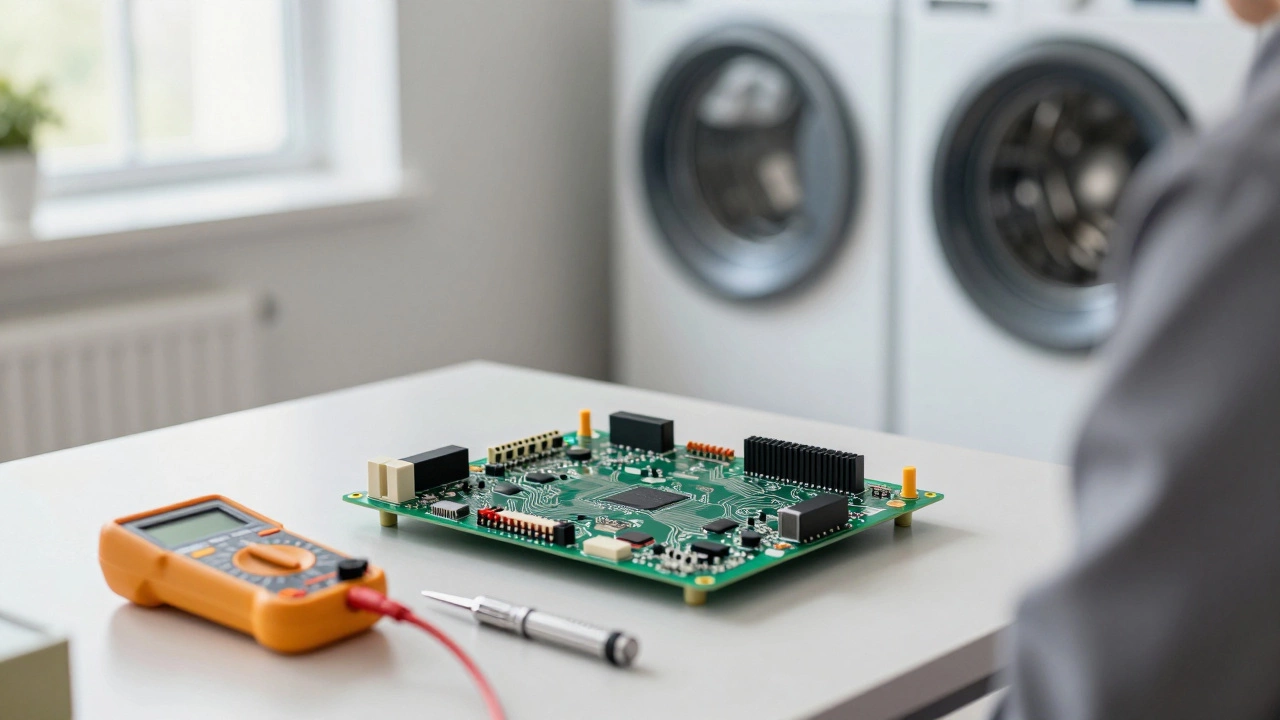
While it's great to know how your machines work, trying to fix them yourself can be risky. Modern appliances are filled with Circuit Boards and sensitive electronic sensors. A single wrong move with a screwdriver can fry a motherboard, turning a cheap repair into a total replacement.
Professional technicians have the diagnostic tools to find the exact point of failure. For example, if a washing machine won't drain, it could be a clogged filter, a broken pump, or a faulty sensor in the lid. A pro can test the continuity of the wiring to see where the electricity is stopping. Investing in regular maintenance-like cleaning your dryer vent or checking your fridge seals-can add years to the life of your machines and save you thousands in the long run.
Why is my refrigerator making a humming sound?
A steady hum is usually just the compressor running, which is normal. However, if it's a loud or rattling hum, it could mean the condenser fan is obstructed or the fridge isn't level on the floor. If the humming is accompanied by a lack of cooling, your compressor might be struggling due to dirty coils.
Do I really need to clean the dishwasher filter?
Yes. The filter catches food scraps so they don't clog the pump. If the filter is blocked, the water can't drain properly, and your dishes will end up with a gritty residue. Most filters can be popped out and rinsed under a tap once a month.
Why does my oven take so long to preheat?
This usually happens if a heating element has burnt out or if the thermostat is calibrated incorrectly. In electric ovens, if one of the two bake elements is dead, the oven will still heat up, but it will take much longer to reach the target temperature.
Can I use a space heater to dry my clothes?
Absolutely not. This is a major fire hazard. Tumble dryers are designed to move air and clothes safely. Space heaters provide static heat that can easily ignite fabric or overheat if clothes are draped over them.
What causes a washing machine to shake violently?
This is usually caused by an "unbalanced load." If you wash one heavy rug or a single large towel, the weight bunches up on one side of the drum. During the spin cycle, this creates a centrifugal imbalance that shakes the whole machine. Try adding a few more items to balance the weight.
What to Do Next
If you're noticing a strange smell (like burning plastic) or hearing a grinding noise from your machines, turn them off immediately. For those who want to keep their home running smoothly, start a simple maintenance calendar. Check your fridge coils every six months and clear your dryer lint every single load. If something actually breaks, don't panic-most appliance issues are caused by simple wear and tear on parts like belts and seals, which are easily replaced by a certified technician.