
Business Appliance Financial & Strategy Calculator
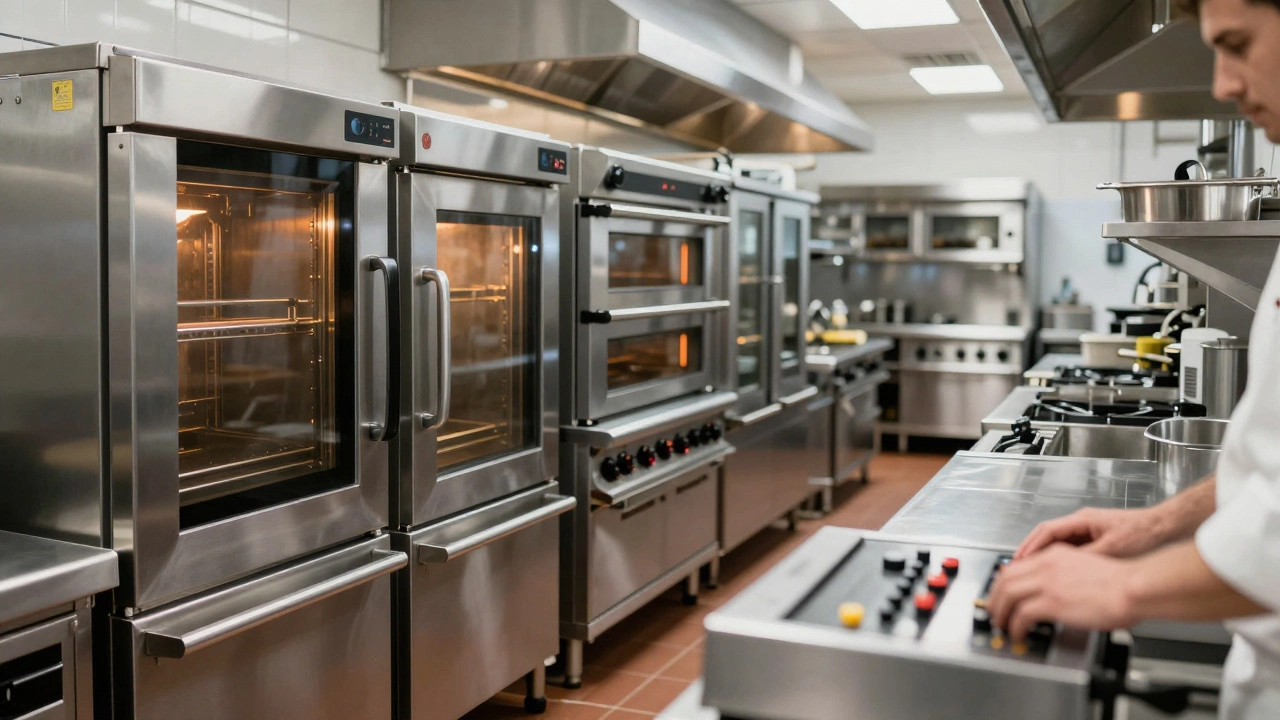
You walk into a hotel kitchen or a busy restaurant back-of-house, and you see rows of stainless steel machines humming away. These aren't just gadgets; they are the engine room of the operation. But when a business owner talks about their "appliances," what exactly do they mean? It’s not quite the same as your toaster at home.
In the business world, an appliance is defined by its function: it is a mechanical or electrical device that performs a specific task to support daily operations. For a homeowner, an appliance makes life easier. For a business, an appliance *is* the business. If the industrial oven stops working, the pizza shop closes. If the server cooling unit fails, the data center goes dark. Understanding this distinction is crucial for anyone managing assets, planning budgets, or looking to enter the commercial appliance service industry.
The Core Definition: Operational Necessity vs. Convenience
At its simplest level, a business appliance is any standalone machine used to perform work. However, the definition gets tighter when we look at accounting and tax laws. In many jurisdictions, including New Zealand and the US, there is a legal line between an "appliance" (or movable equipment) and "fixtures" (things bolted to the building).
This matters because appliances are usually considered depreciable assets. This means you can write off their cost over time as they wear out. A built-in air conditioning system might be part of the building structure, but a portable industrial dehumidifier is an appliance. You buy it, you use it, and eventually, you replace it. The key attribute here is mobility and specificity of function. If you can unplug it and move it without damaging the property, it’s likely an appliance in the eyes of your accountant.
Categorizing Business Appliances by Sector
Not all business appliances are created equal. They fall into distinct categories based on where they are used and what risk they carry. Knowing these categories helps you manage them better.
| Sector | Common Appliances | Primary Function | Downtime Risk |
|---|---|---|---|
| Hospitality & Food Service | Commercial ovens, refrigerators, dishwashers, ice machines | Food preparation and safety | Critical (Immediate revenue loss) |
| Retail & Hospitality | Point-of-sale terminals, HVAC units, security cameras | Customer experience and climate control | High (Brand reputation damage) |
| Office & Tech | Printers, copiers, server racks, UPS batteries | Data processing and communication | Medium to High (Workflow disruption) |
| Healthcare | Autoclaves, medical fridges, sterilizers | Patient safety and compliance | Critical (Legal liability) |
Notice the pattern? In food service, the appliance is directly tied to product creation. In healthcare, it’s tied to legal compliance. In offices, it’s tied to productivity. When you define an appliance in your business plan, you must attach it to one of these outcomes.
Financial Implications: Depreciation and Tax Write-offs
Let’s talk money. One of the biggest reasons business owners care about the definition of an appliance is tax season. In New Zealand, for example, the Inland Revenue Department (IRD) allows businesses to claim depreciation on machinery and plant. An appliance falls squarely into this category.
If you buy a $5,000 commercial dishwasher, you don’t necessarily deduct the full $5,000 from your profits in year one (unless specific instant asset write-off rules apply for small businesses). Instead, you depreciate it over its effective life-say, 10 years. That means you claim $500 a year. This smooths out your expenses and matches the cost of the appliance with the revenue it helps generate.
However, if you misclassify an appliance as a "repair" expense rather than a capital asset, the tax authorities might flag it. Buying a new fridge is a capital expense (an asset). Fixing the compressor in an old fridge is a repair expense (deductible immediately). Keeping these records straight is vital. Always check with a local chartered accountant, as rules change frequently.
Maintenance Strategies: Reactive vs. Preventative
Once you own the appliance, how do you keep it running? This is where the concept of preventative maintenance comes in. There are two main schools of thought:
- Reactive Maintenance: You wait for the appliance to break, then you fix it. This seems cheaper upfront because you aren’t paying for regular checks. But it’s risky. Imagine your walk-in freezer fails on a Tuesday morning during a heatwave. The food spoils, and you lose thousands in inventory. The repair bill is small compared to the loss.
- Preventative Maintenance: You schedule regular servicing. A technician checks seals, cleans filters, and tests sensors every six months. This costs money regularly, but it extends the life of the appliance and prevents catastrophic failure.
For critical appliances like those in hospitals or hotels, preventative maintenance is non-negotiable. For a backup printer in a small office, reactive might be fine. The decision depends on the "cost of downtime." Calculate how much money you lose per hour if the appliance is dead. If that number is high, invest in a service contract.
The Rise of Smart Appliances in Business
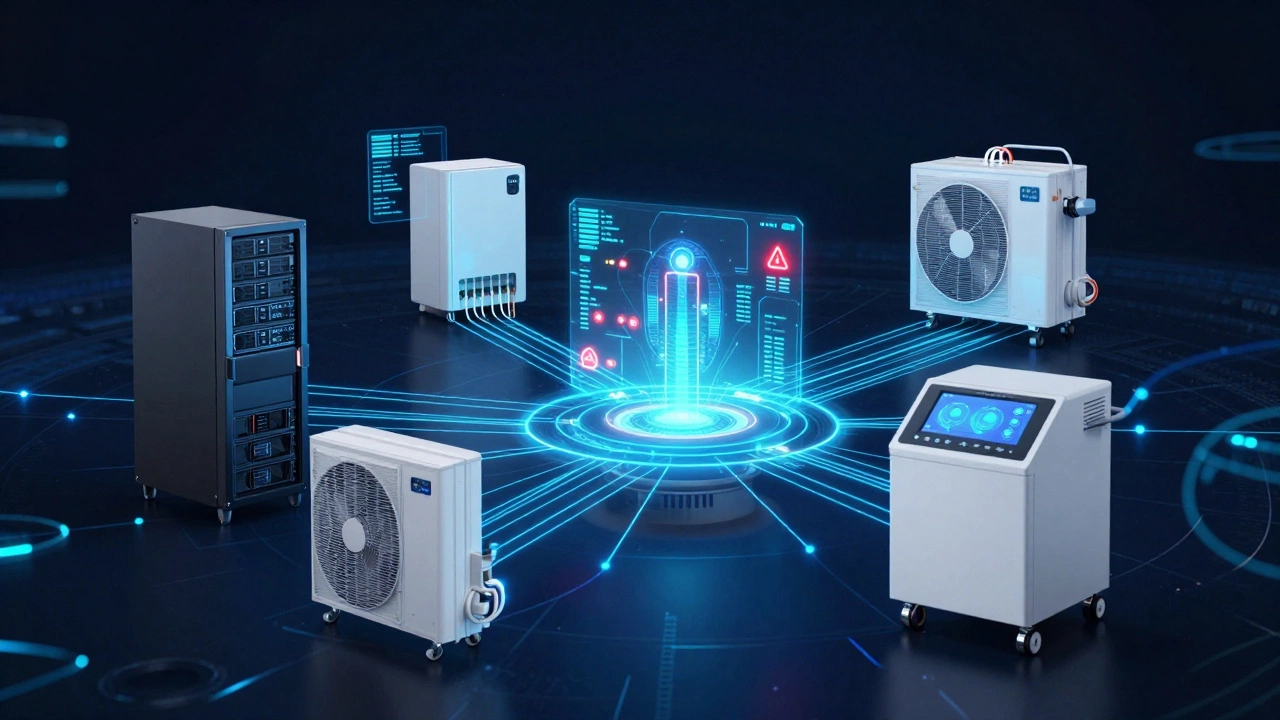
The definition of a business appliance is evolving. Today, many appliances are "smart." They connect to Wi-Fi and send data to the cloud. A smart refrigerator can tell you when its temperature fluctuates. A smart HVAC system can adjust energy usage based on occupancy.
This changes the management game. You no longer need to physically inspect every machine. You get alerts on your phone. This is known as predictive maintenance. The appliance tells you it’s going to break before it actually does. For large businesses with hundreds of locations, this technology saves massive amounts of money and reduces waste.
However, it introduces new risks: cybersecurity. If your business appliances are connected to the internet, they can be hacked. Ensure your network is secure and that you update the firmware on these devices regularly.
Buying vs. Leasing Business Appliances
When you need a new appliance, do you buy it outright or lease it? This is a common dilemma for small business owners.
Buying gives you ownership. After five or ten years, the asset is yours, even if it’s worn out. You have full control over modifications and disposal. It’s also often cheaper in the long run if the appliance lasts a long time.
Leasing keeps your cash flow healthy. You pay a monthly fee, and the leasing company usually handles maintenance and repairs. At the end of the term, you return the old appliance and get a new one. This is great for technology-heavy appliances like printers or servers, which become obsolete quickly. It’s less ideal for a sturdy industrial mixer that will last twenty years.
Consider your cash position. If you need every dollar for marketing or staff, leasing might be the smarter move. If you have capital and want to build equity, buying is better.
Environmental Impact and Disposal
Businesses have a responsibility to dispose of old appliances correctly. Many appliances contain refrigerants, oils, or heavy metals that are harmful to the environment. In Auckland, and indeed globally, there are strict regulations on e-waste and white goods disposal.
You cannot just throw a commercial fridge in the dumpster. You need a certified recycler. Some manufacturers offer take-back programs when you buy new ones. Look for appliances with high energy ratings (like the WELS rating in New Zealand) to reduce your ongoing electricity bills and carbon footprint. Green appliances may cost more upfront, but they save money on power bills over their lifetime.
Choosing the Right Appliance Service Provider
When things go wrong, who do you call? You need a reliable appliance service provider. Don’t just pick the cheapest option. Look for:
- Specialization: Do they fix commercial kitchens, or just home washing machines? Commercial parts are different and require specialized knowledge.
- Response Time: Ask about their emergency service hours. Can they get to you within 24 hours?
- Warranty Work: Are they authorized to work on your specific brands? Using unauthorized technicians can void warranties.
- References: Talk to other business owners in your area. Word of mouth is powerful in the trade industry.
Building a relationship with a good technician is valuable. They can advise you on when to repair versus when to replace, saving you from costly mistakes.
Is a computer considered a business appliance?
Technically, computers are classified as "information technology assets" or "equipment" rather than traditional appliances. However, for accounting and insurance purposes, they are treated similarly: they are depreciable assets with a limited lifespan. The distinction rarely affects how you manage them, but it might matter for specific tax forms or insurance policies.
How long should I keep business appliances before replacing them?
It depends on the type. Commercial refrigeration units can last 10-15 years with proper maintenance. Office printers might only last 3-5 years due to heavy use. Industrial cooking equipment often lasts 7-10 years. A good rule of thumb is to replace an appliance when the cost of repairs exceeds 50% of the value of a new unit, or when energy efficiency has dropped significantly.
Can I claim GST on business appliances in New Zealand?
Yes, if your business is GST-registered, you can generally claim back the GST paid on business appliances. This applies to both the purchase price and the cost of repairs. Keep all your invoices and receipts organized. Make sure the appliance is used primarily for income-producing activities to avoid issues with private use deductions.
What is the difference between an appliance and a fixture?
An appliance is typically movable and serves a specific operational function (like a dishwasher). A fixture is permanently attached to the building and becomes part of the real estate (like built-in cabinetry or central heating pipes). This distinction is important for insurance, taxation, and when selling the business, as fixtures usually stay with the property while appliances can be removed.
Do I need special insurance for commercial appliances?
Most standard business contents insurance covers appliances against theft, fire, and accidental damage. However, it may not cover mechanical breakdowns due to wear and tear. For that, you need a separate maintenance contract or a breakdown policy. Check your policy exclusions carefully, especially for high-value items like commercial ovens or HVAC systems.