Electric Hob Lifespan & Replacement Calculator
Select your hob type and adjust the sliders to see a personalized recommendation.
Ceramic
10–15 Years AvgGlass-Ceramic
12–18 Years AvgInduction
15–20 Years AvgAnalysis Result
Selected: Ceramic Hob
Most people assume their kitchen appliances will last a decade or two, but electric hobs often tell a different story. Depending on the type you own-ceramic, glass-ceramic, or induction-the average lifespan ranges from 10 to 20 years. However, this number isn't just a random guess; it depends heavily on how hard you work them, what you cook on them, and whether you catch small issues before they turn into expensive repairs.
If your hob is acting up, you’re probably wondering if it’s time to replace it or if a simple fix will do. The answer usually lies in understanding the specific components that fail and how usage patterns affect durability. Let’s break down exactly what to expect, so you can make an informed decision about your kitchen investment.
The Real-World Lifespan of Different Hob Types
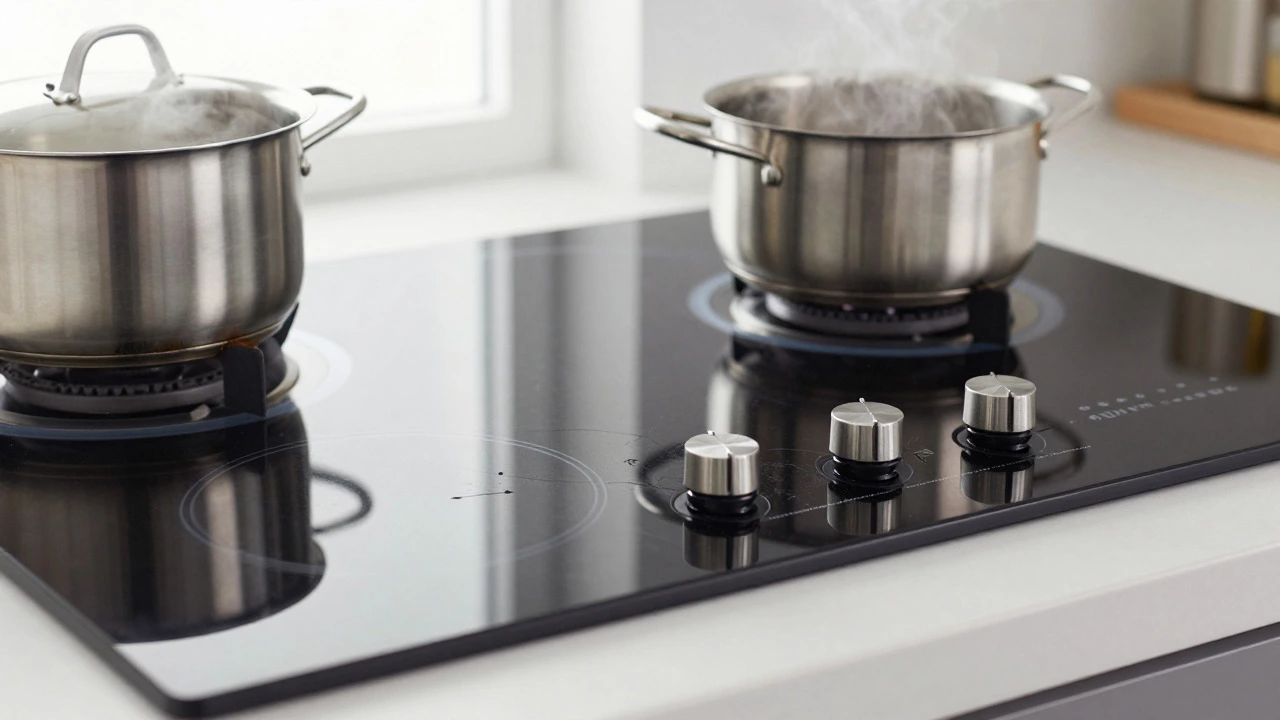
Not all electric hobs are created equal. The technology inside dictates how long they hold up under daily pressure. Here is how the three main types stack up in terms of longevity:
- Ceramic Hobs: These use solid heating elements beneath a glass surface. They typically last between 10 and 15 years. The glass can crack from thermal shock (like pouring cold water on a hot zone), which is the most common failure point.
- Glass-Ceramic Hobs: Often confused with standard ceramic, these use more advanced materials that handle heat better. They generally last 12 to 18 years. Their resilience comes from a higher tolerance for temperature changes, making them slightly more durable than basic ceramic models.
- Induction Hobs
In Auckland, where humidity levels can fluctuate, moisture ingress is a hidden killer for all types. If your hob is near a window or sink, condensation can seep into the electronics over time, shortening its life by several years.
Common Signs Your Hob Is Failing
You don’t need to be an engineer to spot when something is wrong. Most failures follow a predictable pattern. Ignoring these early signs is the fastest way to end up with a broken unit that’s too expensive to fix.
- Uneven Heating: If one side of the pan gets hot while the other stays cool, the heating element might be degrading. This is common in older ceramic models where the element shifts or weakens.
- Cracked Glass Surface: Even hairline cracks can let steam and food particles into the internal circuitry. Once moisture reaches the boards, corrosion sets in, leading to total failure.
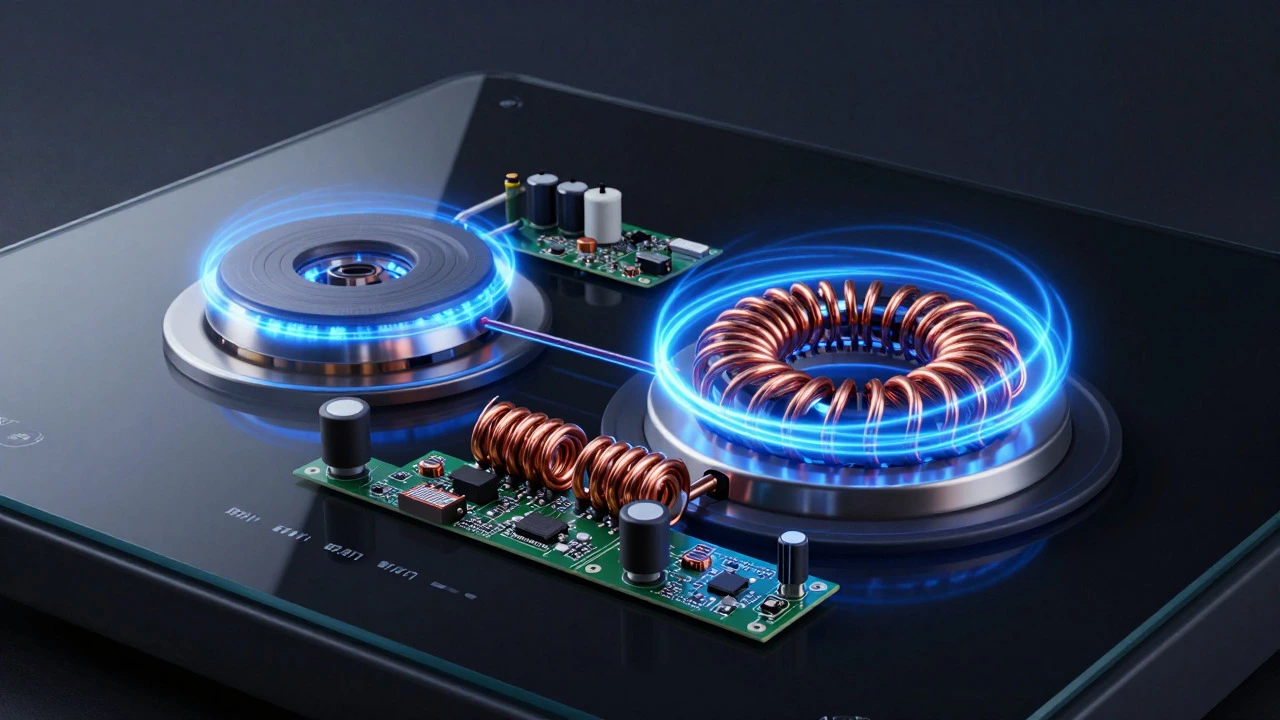
- Control Panel Glitches: Buttons that don’t respond, lights that flicker, or displays that show error codes indicate electrical issues. For induction hobs, this often points to a failing control board rather than the cooking surface itself.
- Noise During Operation: Induction hobs should be nearly silent except for a slight hum. Loud buzzing or clicking suggests loose components or failing capacitors.
If you notice any of these, check the age of your unit. If it’s past the 10-year mark for ceramic or 15 for induction, the cost of parts might exceed the value of the machine.
Factors That Shorten Hob Life
It’s not just about manufacturing quality; your habits play a huge role. Think of your hob like a car-it needs proper care to hit those high-end mileage numbers. Here are the biggest culprits that eat away at lifespan:
Thermal Shock
This is the enemy of glass surfaces. Placing a cold pot on a hot burner or splashing cold water onto a scorching-hot zone creates rapid expansion and contraction. Over time, this causes micro-fractures that eventually lead to shattering. Always let the surface cool down gradually.
Pot Weight and Impact
Heavy cast iron pans or dropping utensils can dent or crack the glass surface. While modern glass-ceramic is tough, it’s not indestructible. A single heavy impact can create a stress point that fails later.Electrical Instability
Power surges are a quiet killer for electronic controls. In areas with unstable grids, a surge protector or whole-home stabilizer can save your hob’s control board. Induction hobs are particularly vulnerable because their complex electronics require stable voltage to function correctly.
Cleaning Habits
Using abrasive sponges or harsh chemicals can scratch the surface, making it harder to clean and more prone to cracking. Stick to non-abrasive cloths and mild detergents. For induction hobs, ensure the surface is completely dry before plugging it in to prevent short circuits.
Repair vs. Replace: Making the Right Call
So, is it worth fixing? It depends on the component and the age. Here’s a general rule of thumb used by technicians in New Zealand:
| Component Failure | Typical Repair Cost (NZD) | Average Hob Price (NZD) | Recommendation |
|---|---|---|---|
| Heating Element (Ceramic) | $150 - $300 | $400 - $800 | Repair if under 8 years old |
| Control Board | $200 - $450 | $600 - $1,200 | Replace if over 10 years old |
| Cracked Glass Surface | $400+ (often unavailable) | $500 - $1,500 | Replace unit |
| Induction Coil | $300 - $600 | $800 - $2,000 | Repair if under 12 years old |
Note that labor costs in Auckland vary, but most technicians charge around $80-$120 per hour. If the part is rare or discontinued, finding a replacement can take weeks, during which your kitchen is unusable. In many cases, replacing a 12-year-old hob with a new energy-efficient model is cheaper in the long run due to lower electricity bills.
Extending the Life of Your Electric Hob
You can easily add 3-5 years to your hob’s life with a few simple habits. These aren’t complicated tasks, just consistent practices that protect the most vulnerable parts.
- Use Trivets for Cold Pots: Never place a cold metal pot directly on a hot zone. Use a wooden trivet or wait for the surface to cool.
- Match Pot Size to Zone: Using a tiny cup on a large burner wastes energy and stresses the element unevenly. Match the base size of your cookware to the heating zone.
- Check Voltage Stability: If you live in an area with frequent power fluctuations, consider installing a surge protector specifically for your kitchen circuit.
- Annual Inspection: Have a technician check the connections and cleaning ports once a year. Loose wires can cause intermittent faults that worsen over time.
- Keep Vents Clear: Ensure the ventilation slots under the hob (if built-in) aren’t blocked by grease or dust. Overheating kills electronics faster than anything else.
For induction users, keep the surface clean and dry. Mineral deposits from hard water can interfere with the magnetic field, causing the hob to work harder and potentially overheat the coils.
When to Consider Upgrading
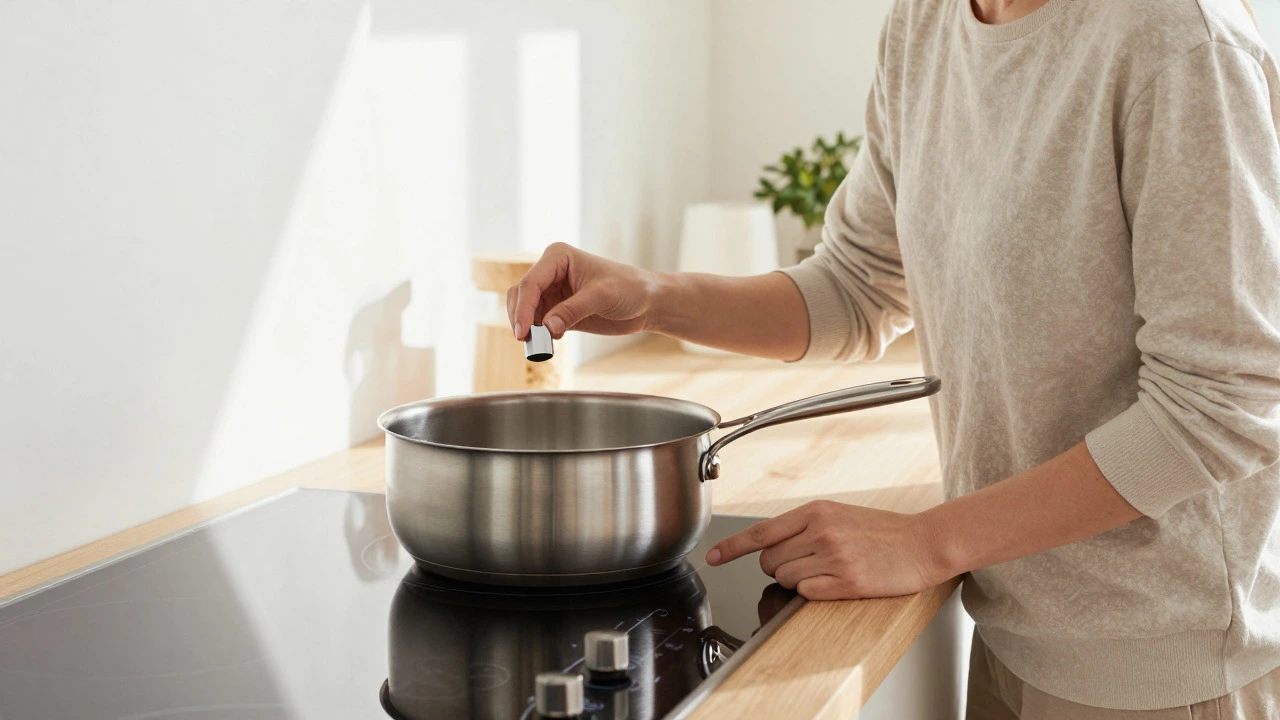
Sometimes, the best repair is a replacement. If your current hob is over 10 years old, uses more electricity than newer models, or has had multiple repairs, it might be time to upgrade. Modern induction hobs are significantly more energy-efficient, often using 30-50% less power than traditional ceramic models. This efficiency can offset the purchase price within a few years through lower electricity bills.
Additionally, newer models come with better safety features, such as automatic shut-off timers and child locks, which are increasingly important in busy households. If you’re looking at buying a new hob, focus on brands with good local support in New Zealand, as availability of spare parts is a critical factor for long-term reliability.
Frequently Asked Questions
Do induction hobs last longer than ceramic hobs?
Generally, yes. Induction hobs last 15-20 years compared to 10-15 years for ceramic. This is because the glass surface doesn’t get as hot, reducing thermal stress. However, induction hobs rely on complex electronics, which can fail due to power surges, whereas ceramic hobs fail more often due to physical damage to the glass.
Is it worth repairing a 10-year-old electric hob?
It depends on the fault. If it’s a simple control board issue, repair might be worth it if the cost is under $300. If the glass is cracked or the heating elements are failing, replacement is usually better. At 10 years, the remaining useful life is limited, and energy efficiency of newer models may justify the upgrade.
What causes electric hobs to stop working suddenly?
Sudden failure is often caused by a tripped fuse, a blown thermal cutoff, or a short circuit in the control board. Moisture ingress from cleaning is a common culprit. If the hob stops working immediately after being cleaned, unplug it and let it dry completely before testing again.
Can I use any pot on an induction hob?
No. You need pots with a ferromagnetic base (magnetic). Test with a magnet: if it sticks strongly, the pot will work. Non-magnetic metals like aluminum or copper won’t work unless they have a special magnetic layer on the bottom. Using incompatible pots leads to no heating, not damage, but it defeats the purpose of the appliance.
How much does it cost to replace a cracked hob glass?
Replacing the glass is expensive, often costing $400-$800 plus labor. Since the glass is a major structural component, finding an exact match can be difficult for older models. In many cases, the cost approaches the price of a new mid-range hob, making replacement the more practical option.