Freezer Compressor Reset Planner
Step 1: Symptom Check
Answer these questions to determine if a simple power reset is likely to work.
Step 2: Calculate Wait Time
Enter when you unplugged the unit to calculate when it's safe to plug it back in.
Waiting for Input...
Fill out the form above to begin.
Diagnosis
Recommended Action
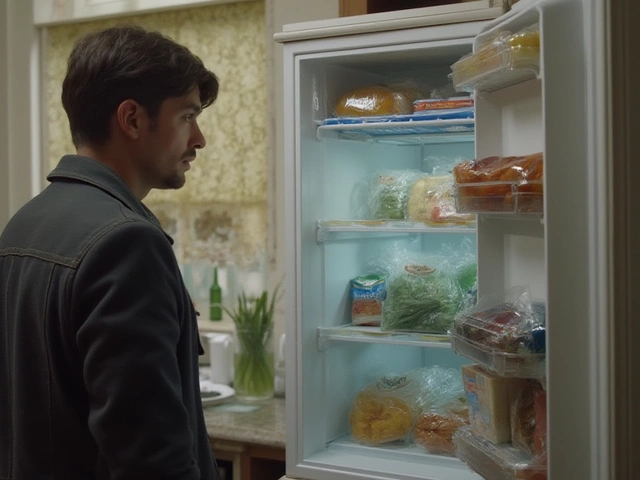
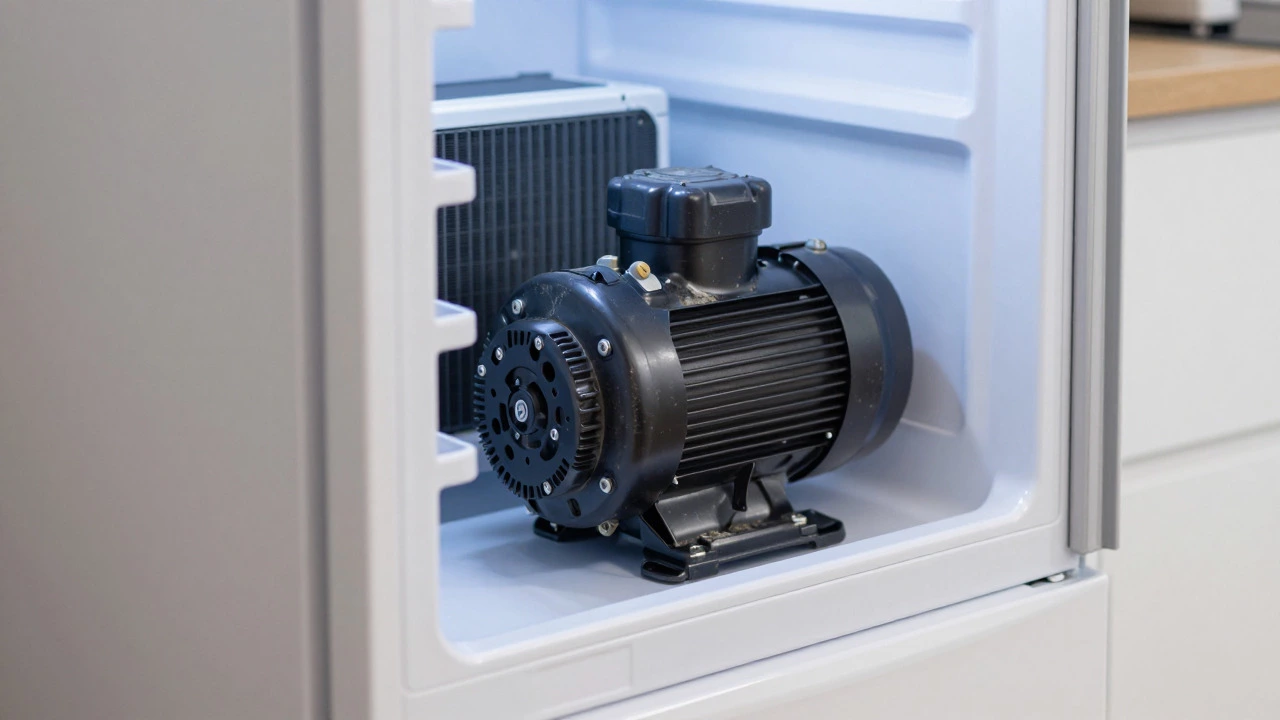
Your freezer just stopped cooling, and the compressor isn't humming. Before you call a technician, there is a high chance the unit simply tripped its safety switch. A freezer compressor is the mechanical heart of your appliance that circulates refrigerant to remove heat from the interior. When it overheats or draws too much power, a built-in safety device cuts the electricity to prevent permanent damage. Resetting this system is often as simple as unplugging the fridge for a few hours.
Why Your Compressor Trips in the First Place
Understanding the cause helps you avoid repeating the mistake. The most common culprit is the thermal overload protector, a small component attached directly to the compressor motor. It monitors temperature and current flow. If the motor gets too hot or pulls excessive amps-usually because the condenser coils are clogged with dust or the door seal is broken-the protector opens the circuit. Once the motor cools down, the protector resets automatically, but sometimes it needs a manual nudge via a power cycle.
Another frequent reason is a stuck defrost timer or a failed start relay. If the start relay is burnt out, the compressor might click repeatedly without starting. This sounds like rapid clicking from the back of the unit. In these cases, a simple reset won't fix it; you need to replace the part. However, if the compressor is just hot and silent, a reset is your best first move.
Pre-Reset Safety Checks
Before you touch anything, ensure the area around the freezer is safe. Check the condenser coils located at the back or underneath the unit. If they are thick with pet hair and dust, the compressor works harder and overheats faster. Use a vacuum cleaner with a brush attachment to clean them gently. Also, inspect the door gaskets. A torn seal lets warm air in, forcing the compressor to run continuously until it trips.
- Check ventilation: Ensure at least 3 inches of space behind and above the unit for airflow.
- Inspect the door seal: Close the door on a piece of paper. If it slides out easily, the seal is weak.
- Listen for clicks: Rapid clicking indicates a bad start relay, not an overload trip.
Step-by-Step: How to Reset the Compressor
This process takes about 4 to 6 hours. Do not rush it. The compressor needs time to cool completely below the reset threshold of the thermal protector. If you plug it back in too soon, it will trip again immediately, potentially shortening the life of the motor.
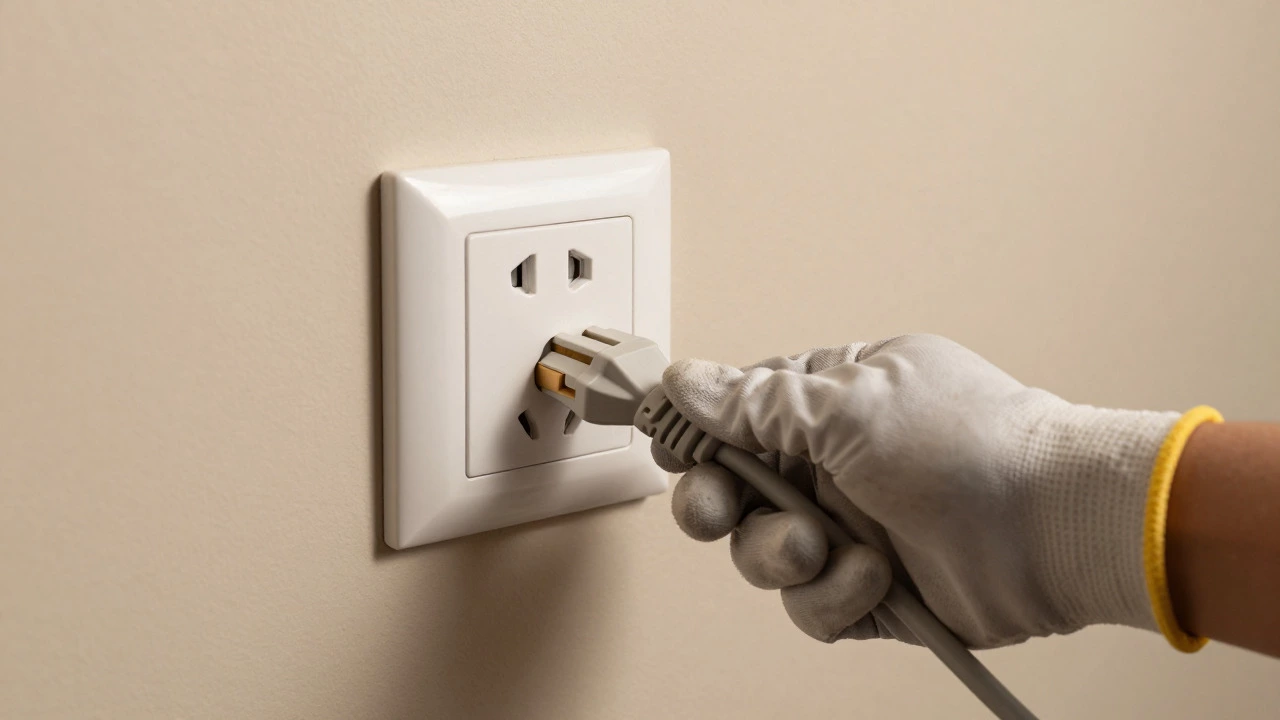
- Unplug the freezer from the wall outlet. If it's hardwired, switch off the dedicated circuit breaker in your electrical panel.
- Wait for 4 to 6 hours. This allows the internal oil to settle and the thermal protector to cool down fully. For older models, 8 hours is safer.
- Plug the unit back in. Listen closely. You should hear a low hum within 15 to 30 seconds. This means the compressor has started.
- Monitor the temperature. Set the thermostat to the middle position. Wait 24 hours to see if the freezing compartment reaches -18°C (0°F).
If the compressor starts but stops after a few minutes, the problem likely isn't a simple trip. It could be a failing capacitor or a blocked capillary tube, which requires professional attention.
When a Reset Won't Fix It
Sometimes, the reset works temporarily, but the issue returns within days. This points to deeper mechanical failures. Here are the signs that you need a technician rather than another DIY attempt:
| Symptom | Likely Cause | Action Required |
|---|---|---|
| Rapid clicking sound | Burnt start relay or bad capacitor | Replace start relay/capacitor |
| Compressor runs but no cooling | Refrigerant leak or blocked line | Professional recharge and leak test |
| Trips every 24 hours | Clogged condenser or faulty fan | Clean coils or replace evaporator fan |
| Loud rattling or grinding | Worn compressor bearings | Compressor replacement (often not worth cost) |
Note that replacing a compressor is expensive. For freezers older than 10 years, the cost of parts and labor often exceeds the value of buying a new energy-efficient model. Always weigh the repair cost against the age of the appliance.
Maintenance Tips to Prevent Future Trips
Prevention is far cheaper than repair. Implement these habits to keep your compressor healthy:
- Clean condenser coils twice a year. Use a coil comb or vacuum to remove dust buildup.
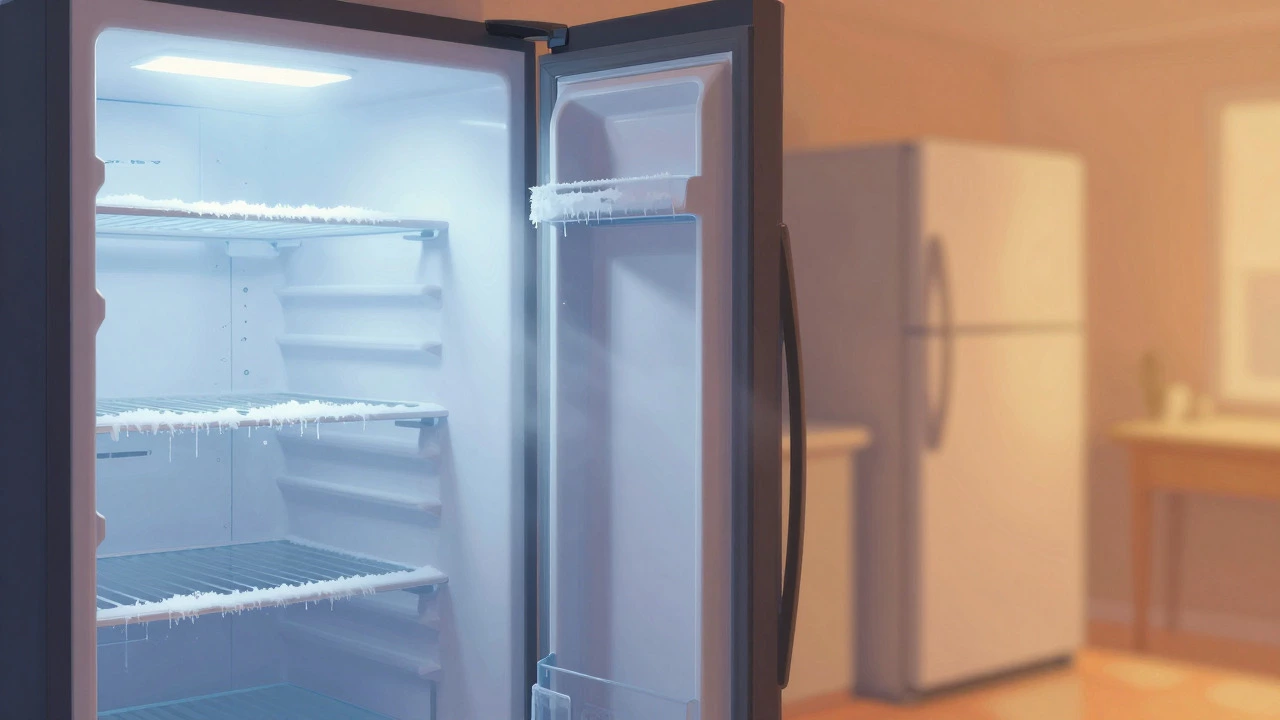
- Defrost regularly. Ice buildup on the evaporator coils restricts airflow and strains the compressor. Manual defrost every 6 months for non-auto-defrost units.
- Keep vents clear. Don't block the air intake at the front or exhaust at the back.
- Check the thermostat. Ensure it's set correctly. Too cold a setting forces the compressor to run longer cycles.
In Auckland's humid climate, moisture can accelerate rust on metal components and degrade seals faster. Wipe down the exterior and check for condensation pooling around the base monthly.
Frequently Asked Questions
How long should I wait before plugging the freezer back in?
Wait at least 4 to 6 hours. This ensures the thermal overload protector cools down completely. Plugging it in sooner risks re-tripping the switch immediately.
Is it safe to reset a freezer compressor myself?
Yes, resetting via unplugging is safe. Avoid opening the compressor housing yourself, as it contains pressurized refrigerant and specialized tools are required for repairs.
What if the compressor clicks but doesn't start?
Rapid clicking usually means the start relay is faulty. You can tap the relay lightly with a screwdriver handle to test if it engages. If it works briefly then fails, replace the relay.
Does resetting void my warranty?
Generally, no. Unplugging the unit is a standard troubleshooting step recommended by manufacturers. However, avoid prying open sealed components if under warranty.
How do I know if the reset worked?
You should hear a steady hum from the compressor within 30 seconds of plugging in. After 24 hours, the freezer compartment should reach -18°C. Use a thermometer to verify accuracy.