
Range Repair vs. Replace Calculator
Enter Your Details
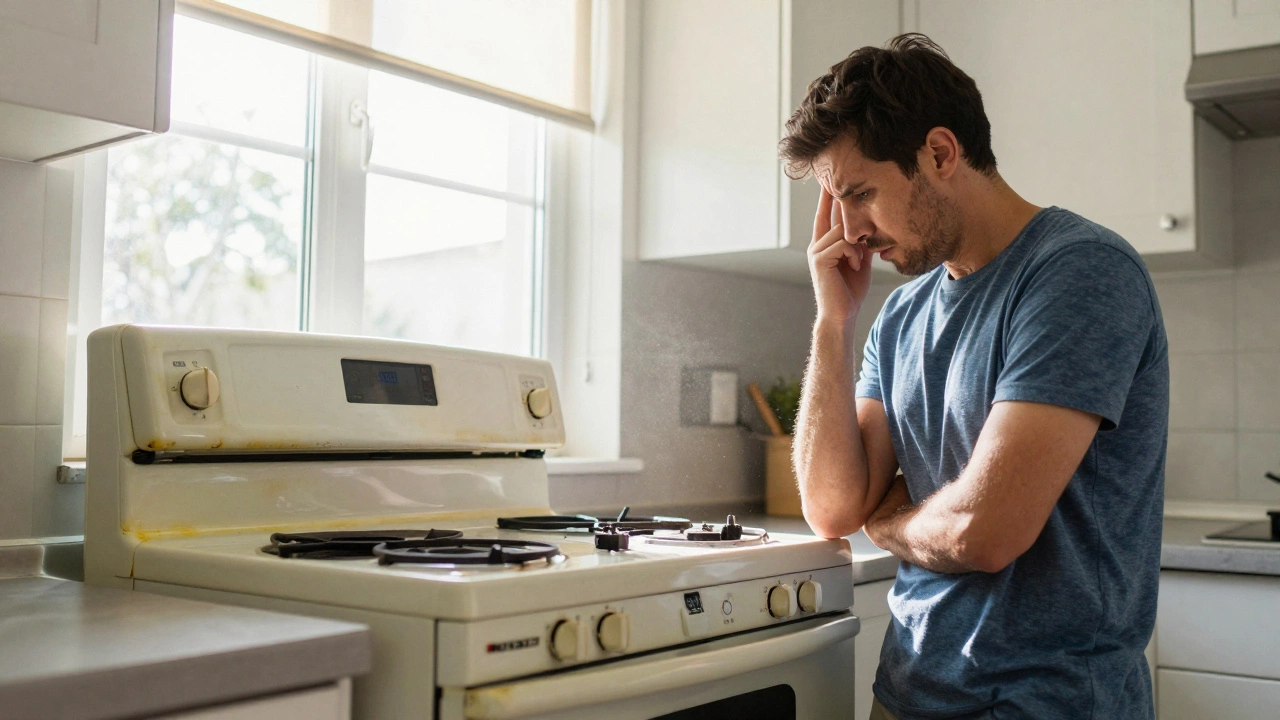
You stare at the dead display on your kitchen range. It’s been ten years since you bought it. The heating element is flickering, or maybe the door seal has gone completely. Your first thought is probably frustration. Your second thought is usually financial: should I pay for electric oven repair, or is it time to cut my losses and buy a new one?
This isn't just a gut feeling; it's a math problem wrapped in convenience. Ten years is the critical threshold for most major appliances. At this age, parts are harder to find, efficiency has dropped, and safety standards have changed. Before you call a technician or head to the hardware store, we need to look at the real costs involved in keeping an aging machine running versus upgrading to something modern.
The 50% Rule: When Does Repair Make Sense?
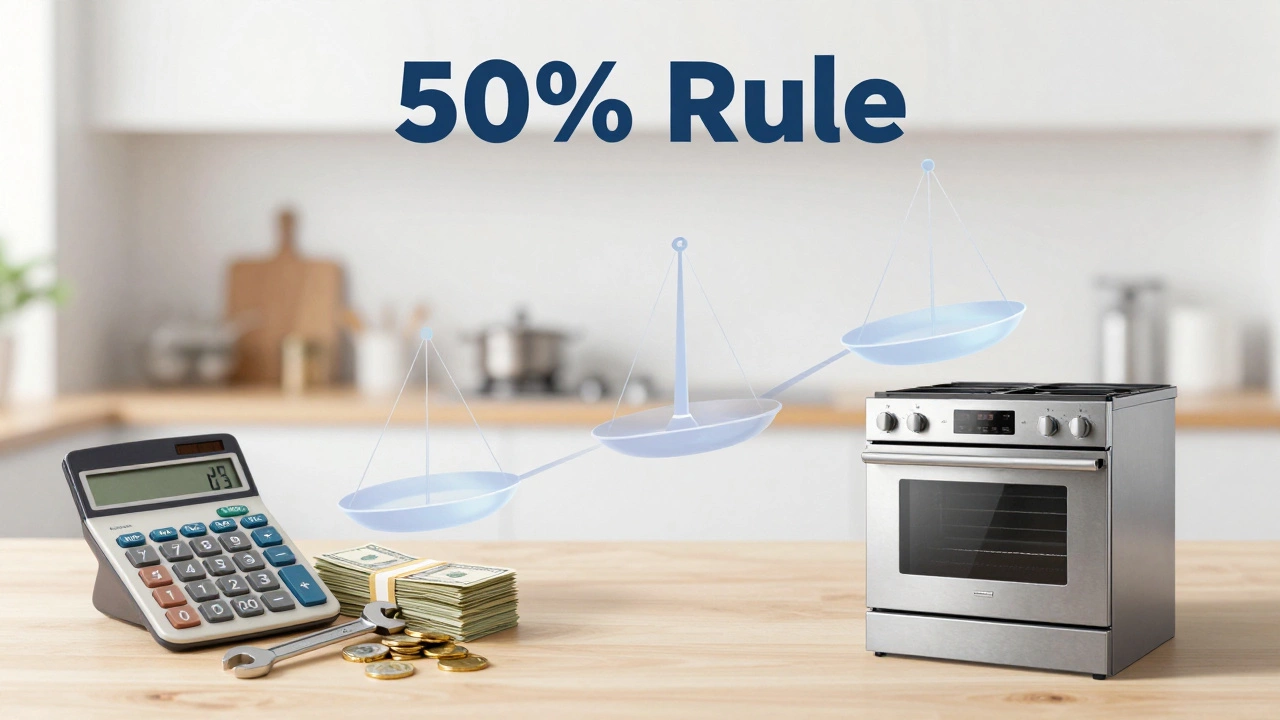
In the appliance industry, there is a simple heuristic used by technicians and consumers alike: the 50% rule. If the cost of the repair exceeds 50% of the price of a comparable new unit, you generally should replace it. However, with a ten-year-old range, the calculation gets trickier because "comparable" doesn't mean "identical."
Let's break down the economics. A mid-range new electric cooktop or range in New Zealand might cost between $800 and $1,500 NZD, plus installation fees. If a technician quotes you $400 to fix a faulty control board, that’s roughly 30-50% of the replacement cost. On paper, repairing looks okay. But here is what that quote doesn't include:
- Diagnostic Fees: Many pros charge $80-$120 just to show up and diagnose the issue. This often goes toward the repair if you proceed, but it’s money out of pocket immediately.
- Part Availability: After a decade, manufacturers stop stocking certain proprietary parts. You might be waiting weeks for a specific switch from overseas, during which time you can’t cook.
- Secondary Failures: Old appliances suffer from systemic wear. Fixing the thermostat today might leave the heating element or the fan motor to fail next month. You risk paying multiple small bills instead of one large upfront cost.
If your repair bill hits $600 or more, you are crossing into territory where buying new becomes the smarter financial move, especially when you factor in the warranty protection of a new purchase.
Efficiency and Running Costs
We often forget about the invisible cost of owning an appliance: electricity. Ten years ago, energy efficiency standards were different. An electric range from 2016 likely uses more power to achieve the same heat output than a model released in 2026.
Modern ranges feature better insulation, faster heating elements (like induction-compatible zones or improved radiant coils), and smarter electronics that shut off standby power. Over a year, an older, inefficient range could cost you significantly more in electricity bills compared to a new Energy Star-rated equivalent. In Auckland, where electricity prices fluctuate, saving even 10-15% on cooking energy adds up over time.
Consider this scenario: Your old oven takes 20 minutes longer to preheat and loses heat rapidly when the door opens. That inefficiency compounds every time you bake. A new model might save you $50-$100 annually in energy costs. While that won't pay off a $1,000 oven overnight, it contributes to the long-term value proposition of replacing rather than repairing.
Safety Concerns with Aging Appliances
Safety is non-negotiable. As electrical components age, they degrade. Wiring becomes brittle, connections loosen, and insulation breaks down. For an electric range, this poses a fire hazard. While rare, fires caused by overheating elements or short circuits in old ovens are a documented risk.
Furthermore, safety features have evolved. Modern ranges often include automatic shut-off timers, child locks, and better temperature regulation sensors. A ten-year-old model might lack these protections. If your current range has had any history of tripping circuit breakers, sparking, or burning smells, do not repair it. Replace it immediately. No amount of savings is worth the risk to your home.
When Repair Is Actually the Right Choice
Does this mean you should throw away your range the day it turns ten? Not necessarily. There are specific scenarios where repairing makes perfect sense:
- Minor, Cheap Fixes: If the issue is a broken knob, a cracked glass cover, or a worn-out door seal, these parts are inexpensive ($20-$50) and easy to install yourself. The labor cost is minimal, and the part availability is high.
- High-End Models: If you own a premium brand (like Wolf, Sub-Zero, or high-end Bosch/Miele), the initial investment was significant. These units are built to last 15-20 years. Repairing a $3,000+ range with a $400 part is financially sound because the residual value and performance remain high.
- Budget Constraints: Sometimes, cash flow is king. If you simply cannot afford a new appliance right now, a temporary repair allows you to keep cooking while you save up. Just view it as a bridge, not a permanent solution.
- Custom Installations: If your range is built-in and matches your cabinetry perfectly, finding a replacement that fits without renovating the kitchen can be a nightmare. In this case, extending the life of the existing unit through repair avoids costly carpentry work.
The Hidden Value of New Technology
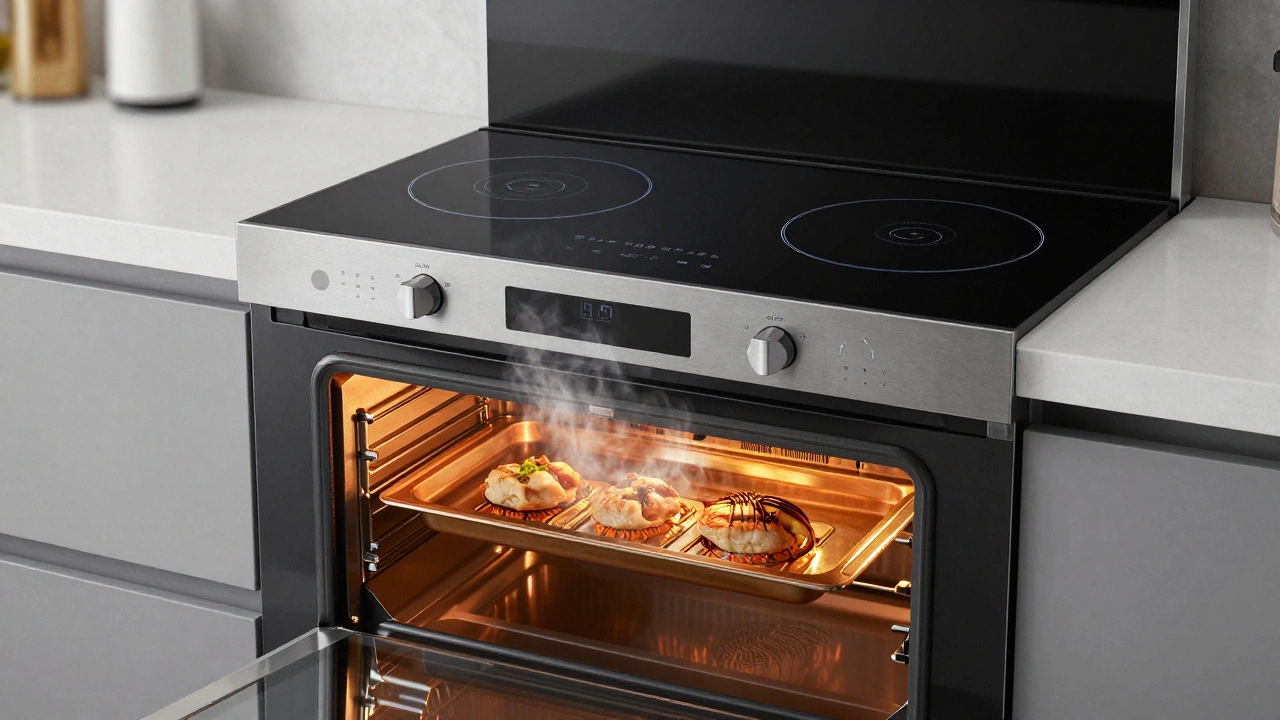
Beyond cost and safety, consider how technology has changed the cooking experience. Ranges available today offer features that were niche or nonexistent a decade ago:
- Convection Fans: Better airflow means food cooks faster and more evenly. You can bake two racks of cookies at once without rotating them constantly.
- Self-Cleaning Cycles: Modern pyrolytic or catalytic cleaning systems are far more effective and less smelly than older models.
- Smart Connectivity: Some newer ranges allow you to preheat via smartphone apps or receive alerts when cooking is done. While gimmicky to some, it offers genuine convenience for busy households.
- Induction Compatibility: Even if you stick with electric resistance, new tops are smoother, easier to clean, and respond faster to temperature changes.
Upgrading isn't just about fixing a broken thing; it's about improving your daily routine. If you cook frequently, the difference in usability between a 2016 model and a 2026 model is noticeable.
| Factor | Repair | Replace |
|---|---|---|
| Upfront Cost | Lower (if minor issue) | Higher ($800-$2,000+) |
| Long-Term Reliability | Low (other parts may fail soon) | High (new warranty) |
| Energy Efficiency | Poor (older tech) | Excellent (modern standards) |
| Safety Features | Dated/Outdated | Advanced/Automatic Shut-off |
| Environmental Impact | Lower waste (reusing) | Higher waste (disposal) but longer lifecycle ahead |
How to Make the Final Decision
To decide, follow this quick checklist:
- Get Two Quotes: Call local technicians in Auckland for estimates. If both say it’s a major component failure (control board, heating element assembly), lean towards replacement.
- Check Part Availability: Ask the technician if the part is in stock. If they have to order it from overseas with a 4-week lead time, ask yourself if you want to wait that long.
- Assess Frequency of Use: Do you cook every day? If yes, downtime is expensive in terms of takeout food. A new range ensures reliability. If you rarely use the oven, a cheap repair might suffice.
- Review Your Budget: Can you comfortably absorb the cost of a new range without stress? If yes, replace. If no, repair temporarily and budget for replacement in 6 months.
Remember, a ten-year-old range has served its purpose. It has cooked thousands of meals. Giving it retirement isn't wasteful; it's practical. Modern appliances are designed to last, but they are also designed to perform better. When the repair bill starts looking like a down payment on a new car, it’s time to upgrade your kitchen.
How long does an electric range typically last?
Most electric ranges have a lifespan of 10 to 15 years. With proper maintenance, some high-quality models can last up to 20 years, but efficiency and reliability usually decline after the decade mark.
Is it safe to use a 10-year-old electric oven?
It can be safe if it has been well-maintained and shows no signs of wiring damage, sparking, or unusual odors. However, older models lack modern safety features like automatic shut-offs, so regular inspections by a qualified technician are recommended.
What are common signs that my range needs replacement?
Frequent breakdowns, uneven heating, slow preheating, visible cracks in the heating elements, frayed wires, or repeated trips of the circuit breaker are all strong indicators that your range is nearing the end of its useful life.
Can I repair a 10-year-old range myself?
Simple issues like replacing knobs, door seals, or light bulbs can often be DIY projects. However, internal electrical repairs involving control boards, heating elements, or gas lines should always be handled by licensed professionals to ensure safety and compliance with local regulations.
Does repairing an old range void any warranties?
Since your range is 10 years old, the original manufacturer warranty has almost certainly expired. Therefore, repairs will not affect warranty status. However, unauthorized repairs could potentially violate insurance policies if an accident occurs later.