Appliance Identifier & Category Checker
Enter the name of a device to analyze whether it is an appliance or consumer electronic, and classify its type.
Quick Reference Guide
- Major Large, fixed units (Refrigerators, Ovens)
- Small Portable countertop tools (Blenders, Toasters)
- Comfort Environment regulators (AC, Heaters)
- Electronic Information/Entertainment (TVs, Phones)
Key Distinction: If it has a motor, heating element, or pump designed to automate a physical task, it’s likely an appliance.
When someone asks you to define an appliance is a device or machine, typically household or commercial, used in everyday tasks such as cooking, cleaning, or climate control, you might picture a washing machine. But the category is much broader. Understanding what counts as an appliance helps you make smarter buying decisions, troubleshoot issues faster, and know when it’s time to call a professional for appliance service.
In this guide, we’ll break down exactly what qualifies as an appliance, give you clear examples across different categories, and explain how these devices fit into modern homes. Whether you’re a first-time homeowner or just trying to figure out why your toaster stopped working, this breakdown will clear up the confusion.
The Quick Summary: What Counts as an Appliance?
- Major Appliances: Large, fixed units like refrigerators, ovens, and washing machines that handle essential household chores.
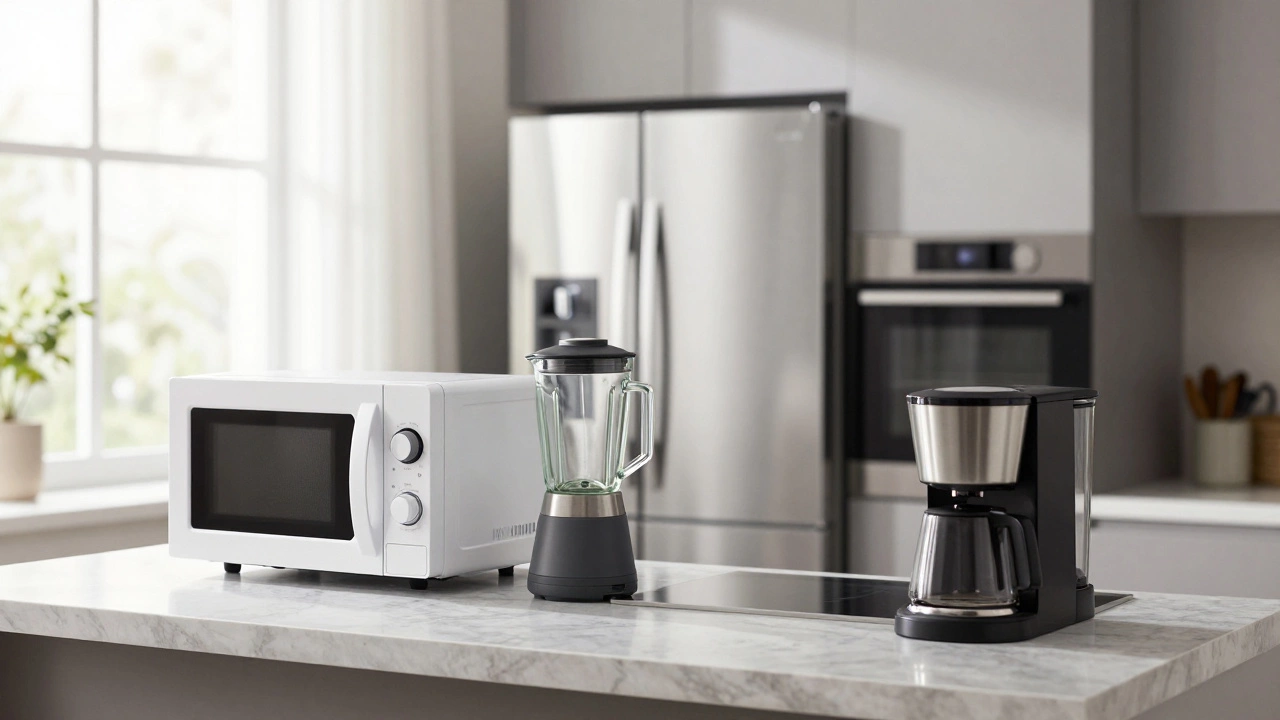
- Small Appliances: Portable, countertop devices like microwaves, blenders, and coffee makers that assist with specific tasks.
- Comfort Appliances: Systems that regulate indoor environments, including air conditioners, heaters, and heat pumps.
- Key Distinction: If it has a motor, heating element, or electronic control board designed to automate a physical task, it’s likely an appliance.
Defining the Core Concept: Major vs. Small Appliances
To understand home appliances, you first need to split them into two main buckets: major and small. This distinction isn’t just about size; it’s about installation, power requirements, and repair complexity.
Major appliances, often called "white goods," are built to last for years and are usually installed in place. They connect directly to your home’s plumbing or electrical systems. A refrigerator is a classic example. It maintains a consistent low temperature using a compressor and refrigerant cycle. You don’t move it around; it stays in the kitchen or pantry. Other examples include washing machines, which use motors and water pumps to clean clothes, and dishwashers, which spray hot water and detergent to clean dishes automatically.
Small appliances, or "brown goods" (though this term is fading), are portable and plug into standard outlets. They serve single-purpose functions. A microwave oven heats food using electromagnetic radiation. A blender uses a high-speed motor to mix ingredients. These are easier to replace but still require maintenance if they fail frequently.
Kitchen Appliances: The Heart of the Home
The kitchen is where most appliance density occurs. Here are concrete examples that define this space:
- Oven and Cooktop: An oven provides enclosed heating for baking and roasting. Modern versions often include convection fans for even heat distribution. The cooktop (or hob) sits above it, providing direct surface heating. Gas models use burners; electric models use coils or induction glass tops.
- Refrigerator-Freezer Combos: Most households use a unit that combines cooling for fresh food and freezing for long-term storage. Inverter compressors in newer models adjust speed based on internal temperature, saving energy.
- Microwave Oven: Unlike traditional ovens that heat from the outside in, microwaves excite water molecules inside the food, cooking it from the inside out. This makes them ideal for quick reheating but poor for browning.
- Dishwasher: This automated cleaner uses sensors to determine soil levels and adjusts wash cycles accordingly. Hard water areas may require salt refills to protect the internal components.
Laundry and Cleaning Appliances
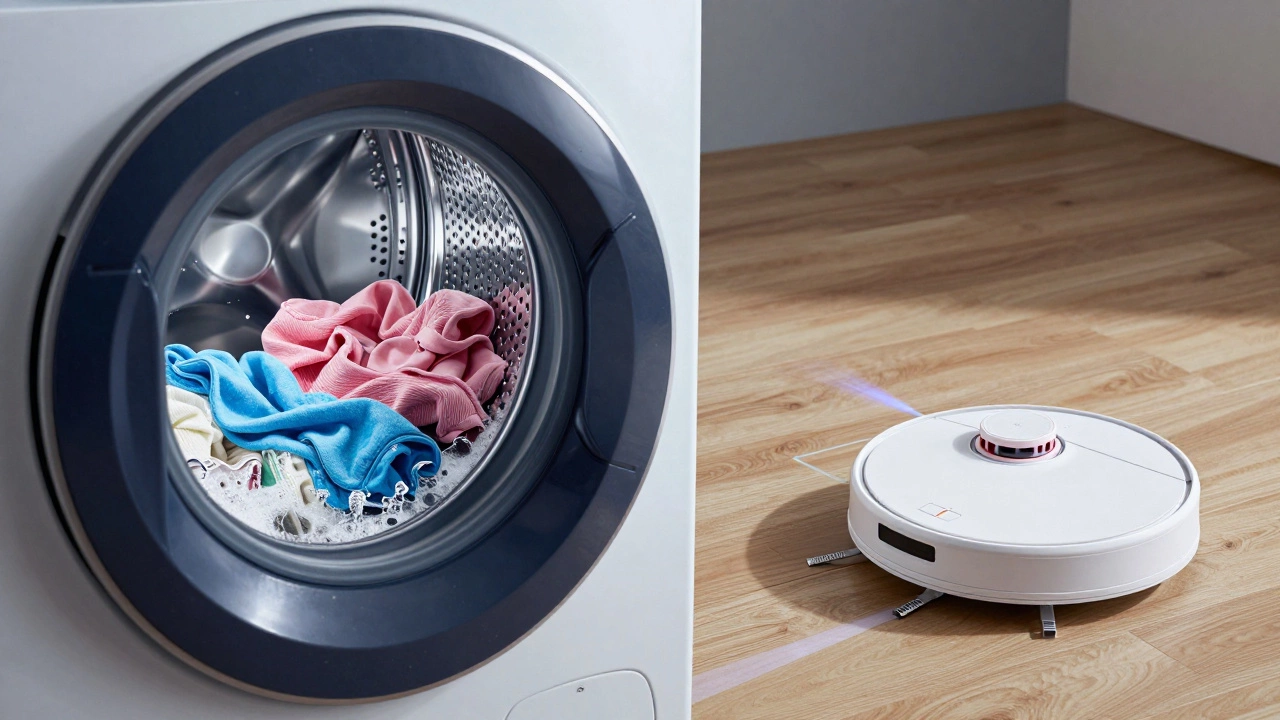
Beyond the kitchen, laundry rooms house critical laundry appliances. These devices reduce manual labor significantly.
A washing machine agitates clothes in soapy water to remove dirt. Front-loaders are generally more water-efficient than top-loaders because they rely on gravity rather than filling the drum completely. Paired with it is the tumble dryer, which uses heated air and tumbling action to evaporate moisture. Condenser dryers recycle warm air, while vented dryers exhaust moist air outside.
Vacuum cleaners, though often overlooked, are also appliances. Robotic vacuums use LiDAR or camera navigation to map rooms, representing a shift toward smart home integration.
Climate Control and Comfort Appliances
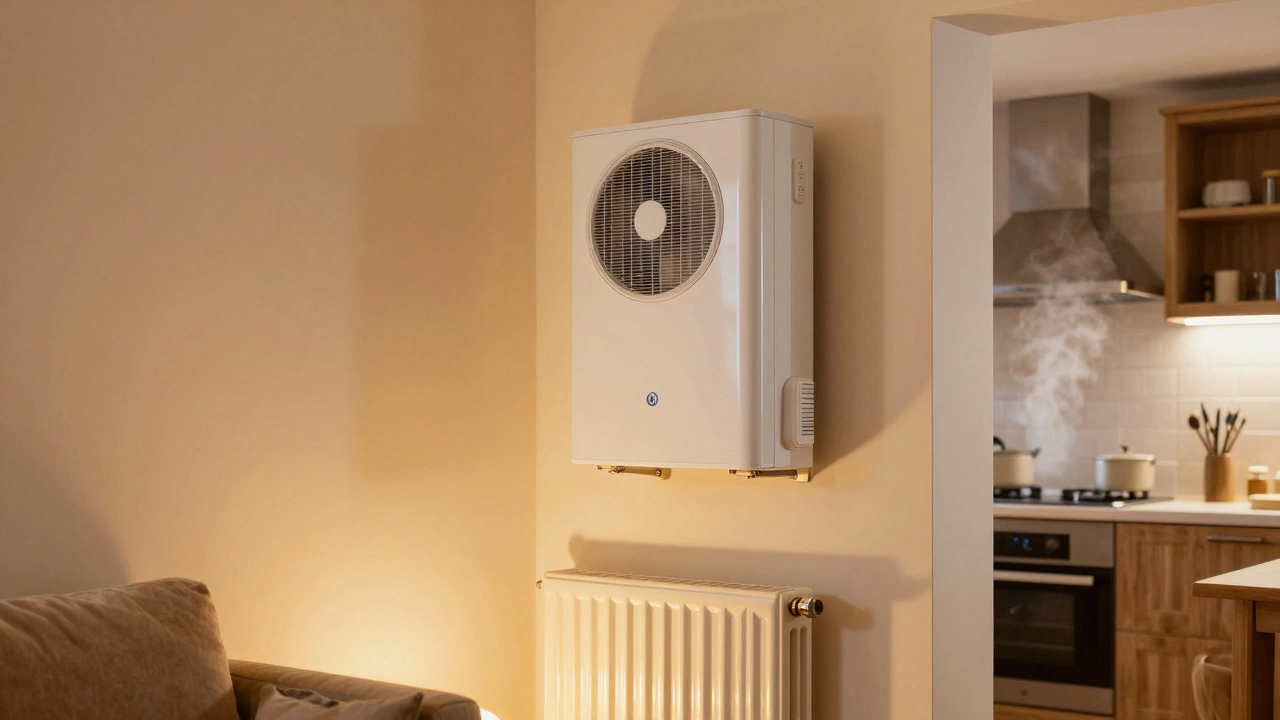
Comfort appliances manage your indoor environment. They are essential for health and productivity, especially in extreme climates like Auckland’s variable weather.
- Air Conditioner: Removes heat from indoor air and releases it outside using a refrigerant cycle. Split systems are common in residential settings.
- Heat Pump: A versatile system that can both heat and cool by reversing the refrigerant flow. Highly efficient in moderate climates.
- Extractor Fan: Installed in kitchens and bathrooms to remove smoke, steam, and odors. Proper ventilation prevents mold growth and improves air quality.
- Boiler: Heats water for central heating radiators or domestic hot water. Combi boilers provide instant hot water without a separate tank.
How to Identify an Appliance vs. Electronics
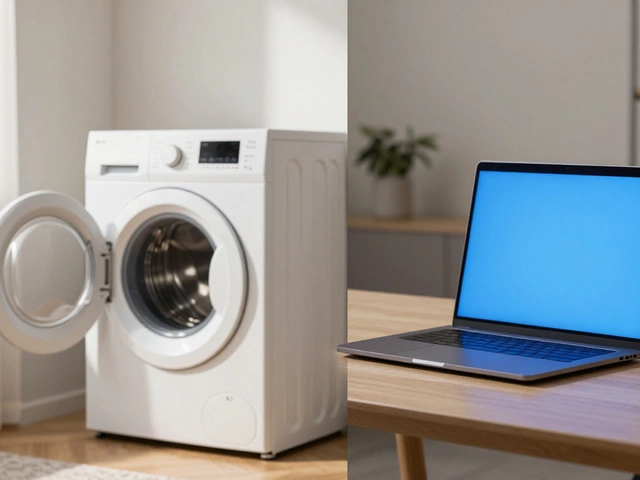
Not every gadget is an appliance. The key difference lies in function. Consumer electronics process information or entertain (TVs, laptops, smartphones). Appliances perform physical work involving heat, cold, motion, or water.
For example, a laptop processes data. A printer outputs physical pages, but it’s still classified as electronics/peripherals. However, a coffee maker brews liquid using heat and pressure-making it an appliance. This distinction matters for warranty claims, insurance coverage, and repair services.
| Feature | Appliance | Consumer Electronic |
|---|---|---|
| Primary Function | Physical task automation (cleaning, cooking, cooling) | Information processing, entertainment, communication |
| Power Source | Often hardwired or high-draw plugs (15-20 amps) | Standard outlets or batteries (low draw) |
| Lifespan | 7-15 years | 3-7 years |
| Repair Complexity | Mechanical parts, motors, heating elements | Circuit boards, screens, software |
| Example | Washing Machine | Smartphone |
Why Knowing Appliance Types Matters for Repairs
If your oven stops heating, you need a technician who understands gas lines or heating elements. If your boiler loses pressure, you need a plumber or HVAC specialist. Misidentifying the device leads to wrong repairs and wasted money.
Major appliances often have longer warranties and specialized service networks. Small appliances might be cheaper to replace than repair. Knowing the category helps you decide whether to fix or buy new.
Common Mistakes When Identifying Appliances
People often confuse tools with appliances. A drill is a tool because it requires human operation for each task. A robot vacuum is an appliance because it operates autonomously. Similarly, a toaster is an appliance, but a knife is not-even though both are used in food preparation.
Another mistake is assuming all kitchen gadgets are small appliances. A stand mixer is a small appliance due to its portability and single purpose. A built-in wine fridge, however, is a major appliance because it’s installed and connects to permanent power sources.
Is a microwave considered a major or small appliance?
A microwave is typically classified as a small appliance because it is portable and plugs into a standard outlet. However, over-the-range microwaves that combine cooking and ventilation functions may blur the line, especially if they are built into cabinetry.
What is the difference between an appliance and a tool?
An appliance automates a physical task using electricity, gas, or other energy sources (e.g., washing machine). A tool requires direct human effort to operate (e.g., hammer, screwdriver). Some hybrid devices, like cordless drills, sit in between but are generally categorized as tools.
Are smart home devices considered appliances?
Smart home devices like thermostats or security cameras are usually classified as consumer electronics or IoT (Internet of Things) devices. However, smart appliances-like Wi-Fi-enabled refrigerators or washing machines-are still appliances because their core function remains physical task automation.
How do I know if my appliance needs professional repair?
Signs include unusual noises, burning smells, failure to start, error codes, or water leaks. If basic troubleshooting (checking power, resetting) doesn’t work, contact a certified technician. Major appliances often have complex internal components that require specialized tools and safety knowledge.
What are the most common household appliances?
The most common include refrigerators, washing machines, dryers, dishwashers, ovens, microwaves, and air conditioners. These form the backbone of daily household operations and are found in nearly every home.