Repair vs. Replace Decision Tool
Machine Details
Enter details to see if it makes financial sense to fix or replace.
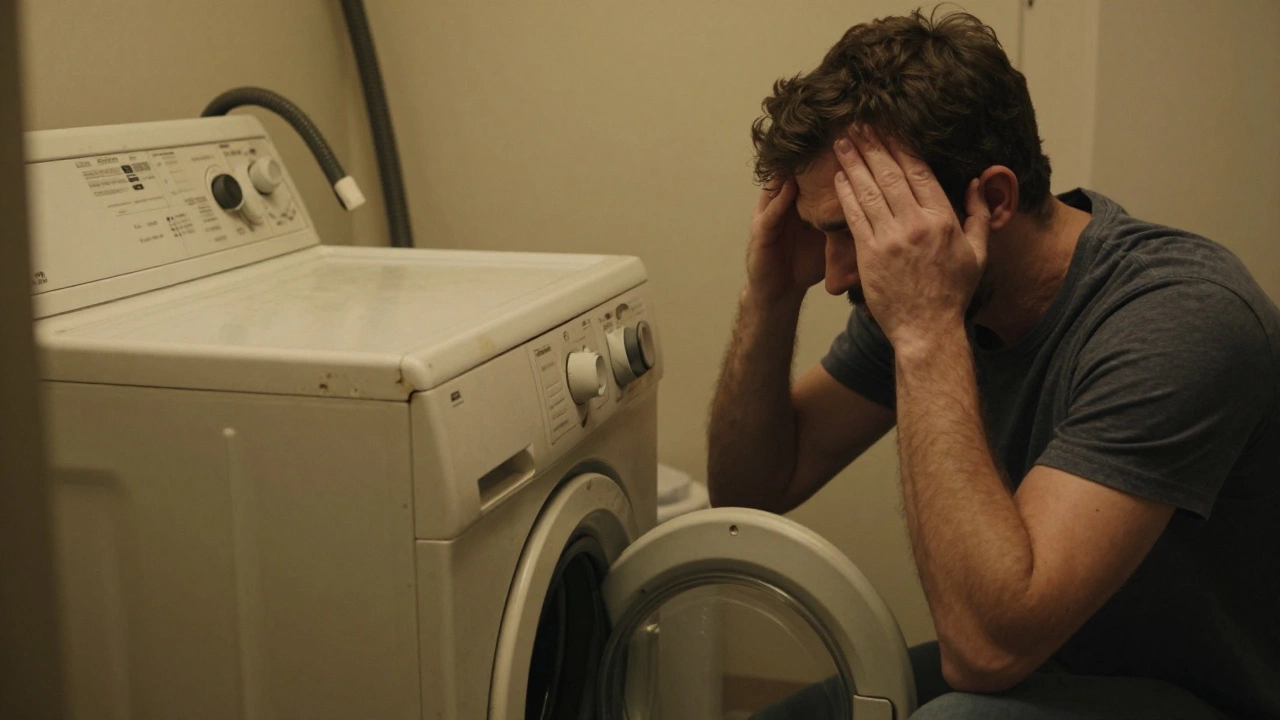
You’re staring at the spinning drum, listening to that grinding noise you’ve ignored for months. The cycle takes forever, and your clothes still smell damp. You wonder: is this thing just tired, or is it actually dead? The question isn’t just about noise; it’s about whether you should throw money at repairs or buy a new unit.
Defining what counts as "old" for a washing machine is a major household appliance designed to clean laundry using water, detergent, and mechanical agitation depends on more than just the calendar year on the receipt. It involves understanding average lifespans, failure rates, and the hidden costs of keeping an aging machine running. In Auckland, where humidity can accelerate rust and component wear, knowing the signs of an end-of-life appliance saves you from costly emergency calls.
The Average Lifespan of Modern Washing Machines
Most manufacturers and independent repair technicians agree on a general rule of thumb. A standard top-loading washing machine typically lasts between 10 to 12 years. Front-loading models, which are generally more complex with more seals and sensors, often last slightly longer, averaging 12 to 15 years if maintained well.
These numbers aren't arbitrary. They come from warranty data and repair frequency statistics. When a machine passes the 10-year mark, it enters the "high-risk" zone. This doesn't mean it will break tomorrow, but the probability of a major component failing increases significantly each month. For context, the Consumer Product Safety Commission (CPSC) and various consumer advocacy groups track appliance longevity, noting that while technology has improved efficiency, the durability of certain plastic components has decreased compared to the heavy-duty metal units from the 1980s and 90s.
If your machine is under 7 years old, it is generally considered "young." Repairs during this phase are usually covered by extended warranties or are cost-effective because the core structure is sound. Between 7 and 10 years, the machine is in its "prime" but starting to show wear. Beyond 10 years, it is officially "old" in the eyes of most professional repair services.
Signs Your Washing Machine Has Reached End-of-Life
Aging isn't just a number; it's a behavior. Before you look at the purchase date, look at how the machine performs. Here are the concrete indicators that your appliance is past its prime:
- Frequent Breakdowns: If you’ve called a technician more than twice in the last 12 months, the machine is likely suffering from systemic fatigue. One part fails, putting stress on another, creating a cascade of issues.
- Excessive Vibrations and Noise: New machines are balanced. Old machines develop worn-out shock absorbers, suspension springs, or bearing races. A loud roar during the spin cycle often indicates a failing bearing, a repair that can cost $300-$600 NZD.
- Poor Cleaning Performance: If clothes come out looking dingy or smelling musty despite changing detergents, the drum may be corroded, or the water heating element may be failing. Old rubber seals also trap mold and bacteria that are hard to remove.
- Water Leaks: Small drips might be a loose hose, but persistent leaking from the bottom or back often points to cracked tubs or degraded pump seals. Plastic tubs become brittle over time and can crack under centrifugal force.
- Error Codes That Won’t Clear: Modern machines have electronic control boards. If you’re constantly resetting error codes related to drainage or filling, the sensor network is degrading.
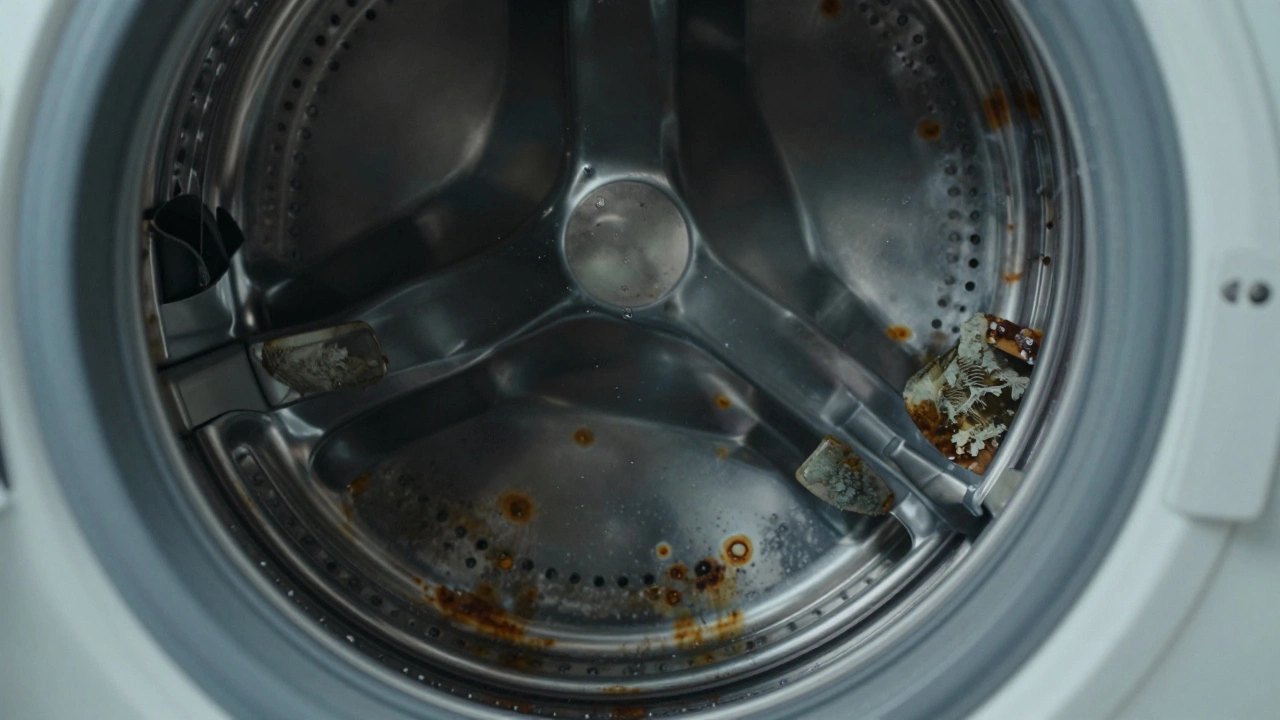
In Auckland’s coastal climate, salt air and high humidity can accelerate corrosion in external casings and internal metal parts. If you see rust spots inside the drum or around the door seal, the structural integrity is compromised. No amount of cleaning will fix rusted-through metal.
The Cost-Benefit Analysis: Repair vs. Replace
This is the critical decision point. Many people keep old machines running out of habit, not realizing they are throwing good money after bad. Use the "50% Rule" as a quick heuristic:
If the cost of the repair exceeds 50% of the price of a new, comparable washing machine, replace it.
Let’s break this down with real-world numbers. A decent mid-range front-loader in New Zealand costs between $800 and $1,200 NZD. If a technician quotes you $400 NZD to replace the main control board or the transmission, you are spending half the value of a new machine on a unit that has already exceeded its expected lifespan.
Consider these factors:
| Factor | Repair Makes Sense | Replace Makes Sense |
|---|---|---|
| Age of Machine | Under 7 years | Over 10 years |
| Cost of Repair | Less than $200 NZD | More than $400 NZD |
| Frequency of Issues | First-time occurrence | Recurring problems |
| Energy Efficiency | Current model is efficient | Old model uses high water/electricity |
| Availability of Parts | Parts are readily available | Parts are discontinued or backordered |
Newer washing machines are significantly more energy and water-efficient. An old top-loader from 15 years ago might use 50 liters of water per cycle, while a modern front-loader uses 30-40 liters. Over a year, this savings adds up in both utility bills and environmental impact. In New Zealand, where electricity prices fluctuate, reducing kilowatt-hour consumption is a tangible financial benefit.
How to Extend the Life of Your Washing Machine
If your machine is in the 5-to-8-year range, you can extend its life with proper maintenance. Neglect is the fastest way to kill an appliance. Here are actionable steps to keep it running smoothly:
- Clean the Filter Regularly: Most machines have a debris filter near the bottom front. Clean it every 1-2 months. A clogged filter causes poor drainage and strains the pump.
- Leave the Door Open: After each wash, leave the door and detergent drawer slightly ajar. This allows moisture to evaporate, preventing mold and mildew buildup in the rubber seal. Mold eats away at rubber over time.
- Use the Right Detergent: High-sudsing detergents in low-sudsing machines cause foam overflow, which can damage electronic components. Always use HE (High Efficiency) detergent for front-loaders.
- Run a Maintenance Cycle: Once a month, run an empty hot water cycle with vinegar or a specialized drum cleaner. This removes soap scum and mineral deposits from the drum and hoses.
- Check Hoses Annually: Inspect inlet and drain hoses for cracks, bulges, or leaks. Replace them every 3-5 years proactively. A burst hose can cause thousands of dollars in water damage.
- Balance Loads Properly: Don’t overload the machine. Unbalanced loads put excessive stress on the bearings and suspension system, leading to premature failure.
Even with perfect care, materials degrade. Rubber seals dry out, plastic gears wear down, and motors lose torque. Maintenance slows the process but doesn’t stop it.
When "Old" Means Unsafe
Sometimes, an old washing machine isn’t just inefficient; it’s dangerous. Look for these red flags that require immediate replacement, regardless of cost:
- Electrical Burning Smell: If you smell burning plastic or wire insulation, the motor or wiring harness is overheating. This is a fire hazard.
- Visible Sparks or Tripping Breakers:: Electrical faults indicate damaged insulation or short circuits. Do not attempt to repair this yourself.
- Cracked Drum or Tub: Even small hairline cracks can lead to catastrophic failure during the high-speed spin cycle, potentially bursting the outer casing and flooding your laundry room.
- Loose or Wobbly Base: If the machine moves excessively and cannot be leveled, the frame may be warped or the feet mounting points stripped. This creates instability and safety risks.
In older homes, especially those with outdated electrical systems, connecting a high-draw appliance like a washing machine can pose additional risks. Ensure your home’s circuit breaker panel can handle the load. If you’re unsure, consult a licensed electrician.
Choosing a Replacement: What to Look For
If you’ve decided your machine is too old, buying a new one involves more than picking the cheapest option. Consider these features:
- Energy Rating: Look for appliances with a high Energy Star rating or equivalent local certification. In New Zealand, check the CBH label for comparative performance data.
- Capacity: Match the capacity to your household size. A 7-8kg machine suits couples; families of four or more need 9-10kg or larger.
- Spin Speed: Higher spin speeds (1200-1400 RPM) extract more water, reducing drying time and energy use if you have a tumble dryer.
- Noise Level: Check decibel ratings. If your laundry is near living areas, opt for quieter models (under 50 dB for wash, under 70 dB for spin).
- Warranty: Standard warranties are 1-2 years. Consider extended warranties for peace of mind, but read the fine print. Some only cover parts, not labor.
Brands vary in reliability. Research specific models rather than just brand names. Some brands excel in build quality but lack service networks in certain regions. In Auckland, ensure the brand has authorized service centers nearby for future repairs.
Disposing of Your Old Washing Machine Responsibly
Once you decide to replace your old unit, don’t just dump it. Washing machines contain metals, plastics, and sometimes hazardous materials like refrigerants (if combined with dryers). In Auckland Council areas, you can arrange for bulky waste collection through the council’s website. Alternatively, many appliance retailers offer take-back services when delivering your new machine.
Recycling ensures valuable materials like copper wiring and steel drums are recovered. Some charities accept working second-hand machines, so if yours still functions but is just inefficient, consider donating it. Always disconnect the water supply and power before moving the unit.
Is a 15-year-old washing machine too old?
Yes, a 15-year-old washing machine is considered very old. Most machines have a lifespan of 10-15 years. At 15 years, the risk of major component failure is high, and parts may be difficult to find. Unless it’s a exceptionally well-maintained commercial-grade unit, replacement is usually more cost-effective than repair.
How do I know if my washing machine needs replacing or repairing?
Use the 50% rule: if the repair cost is more than half the price of a new machine, replace it. Also, consider the age. If the machine is over 10 years old and has recurring issues, replacement is better. Frequent breakdowns, poor cleaning results, and excessive noise are strong indicators that the machine is reaching the end of its useful life.
Does regular maintenance extend the life of a washing machine?
Yes, regular maintenance can significantly extend the lifespan. Cleaning filters, leaving the door open to prevent mold, using correct detergents, and checking hoses annually can add several years to the machine’s life. However, maintenance cannot stop natural material degradation, so eventually, replacement is necessary.
Are front-loading washing machines more durable than top-loading ones?
Front-loading machines often last longer (12-15 years) compared to top-loaders (10-12 years) because they use less water and have gentler wash actions that reduce stress on fabrics and internal components. However, they have more complex seals and electronics that can fail. Top-loaders are simpler mechanically but may suffer from agitator or transmission issues sooner.
What is the most common reason washing machines fail?
The most common failures are due to worn-out bearings, failed drive belts, or malfunctioning control boards. Bearings fail due to lack of lubrication or excessive vibration from unbalanced loads. Drive belts wear out over time. Control boards can fail due to power surges or moisture intrusion. Regular maintenance helps prevent some of these issues.