
Gas Cooktop Repair Decision Tool
Select an issue from the list to see recommendations.
Imagine you’re mid-week, trying to get dinner on the table, and your gas cooktop is a kitchen appliance that uses natural gas or LPG to heat pans via open flames. Suddenly, one burner won’t light, or worse, it smells like rotten eggs. The immediate question hits you: can you fix this yourself, or do you need to call someone?
The short answer is yes, but with a massive asterisk. You can handle cleaning, ignition troubleshooting, and minor adjustments. However, anything involving gas lines, valves, or internal components requires a professional. In Auckland, where strict building codes govern gas safety, knowing the line between a quick DIY fix and a dangerous hazard is crucial for your wallet and your family’s safety.
Understanding Your Gas Cooktop Components
Before touching a screwdriver, you need to know what you’re dealing with. A gas cooktop isn’t just a flat surface; it’s a system of precise engineering designed to mix air and fuel safely. Understanding these parts helps you diagnose whether the issue is simple or complex.
- Burner Caps and Heads: These are the removable metal pieces that sit over the gas ports. They distribute the flame evenly. If they’re dirty or misaligned, the fire looks wrong.
- Ignition Electrodes: Small ceramic rods near the burners that spark when you twist the knob. They create the initial flame without needing a match.
- Gas Valves: Located under the knobs, these control the flow of gas from the supply line to the burner. This is high-risk territory.
- Control Knobs: The interface you use. Sometimes the problem isn’t the gas, but the mechanical linkage between the knob and the valve.
If your issue is related to the caps or electrodes, you’re likely in DIY territory. If it involves the valves or the gas supply line, stop immediately and call a pro.
Safety First: The Non-Negotiable Rules
Gas appliances involve flammable fuel and potential carbon monoxide risks. Before attempting any repair, follow these safety protocols strictly. Ignoring them can lead to explosions, fires, or poisoning.
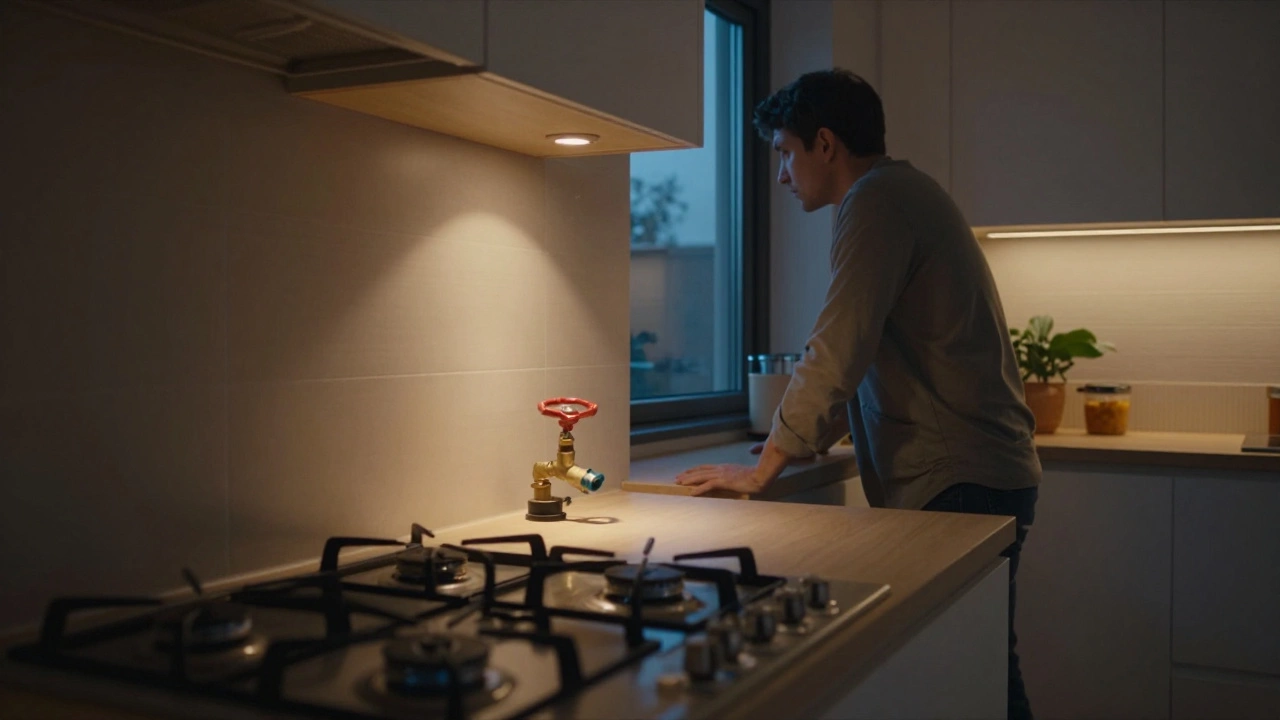
- Turn Off the Gas Supply: Locate the isolation valve for your cooktop, usually found behind the unit or in the cupboard below. Turn it off completely. Do not rely solely on the cooktop knobs.
- Ventilate the Area: Open windows and doors to ensure fresh air circulation. If you smell gas, do not switch on any electrical devices, including lights or fans, as sparks can ignite the gas.
- Wait for Cooling: Ensure all burners and surfaces are completely cool to the touch before removing any parts.
- Use Proper Tools: Use non-sparking tools if possible. Avoid excessive force that could crack ceramic tops or bend gas ports.
If at any point you detect a strong gas odor after turning off the supply, evacuate the house and call emergency services from outside. Never ignore this sign.
Common Issues You Can Fix Yourself
Many gas cooktop problems are actually maintenance issues rather than mechanical failures. Here are three common scenarios where you can save money by handling the repair yourself.
1. Burner Won’t Light
If you turn the knob and hear no click, or see no spark, the ignition system might be blocked or dirty. Food spills and grease buildup are the usual culprits.
How to fix it:
- Remove the burner cap and head. Soak them in warm soapy water.
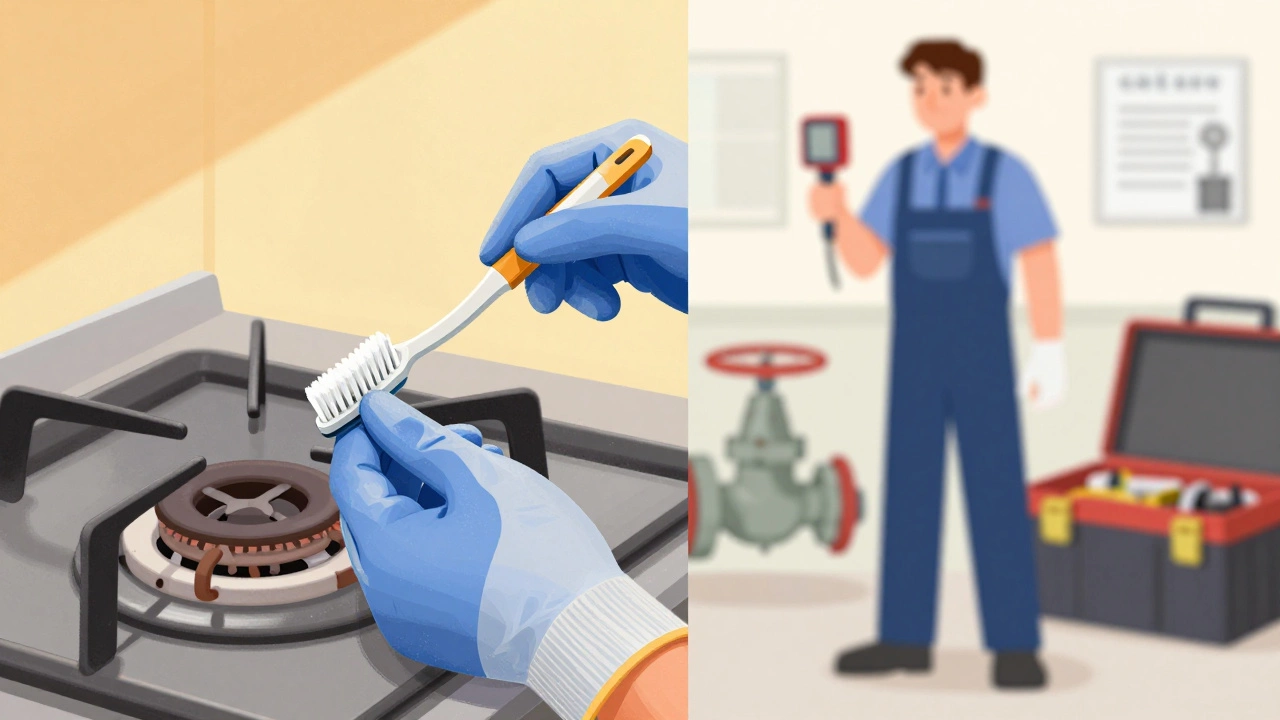
- Use an old toothbrush to clean the ignition electrode (the small white rod). Be gentle; it’s fragile.
- Check for debris blocking the gas ports in the burner base. Use a pin or needle to clear any clogs carefully.
- Reassemble everything and test. If it still doesn’t spark, check if the battery (if applicable) needs replacing or if the power cord is loose.
2. Yellow or Lazy Flames
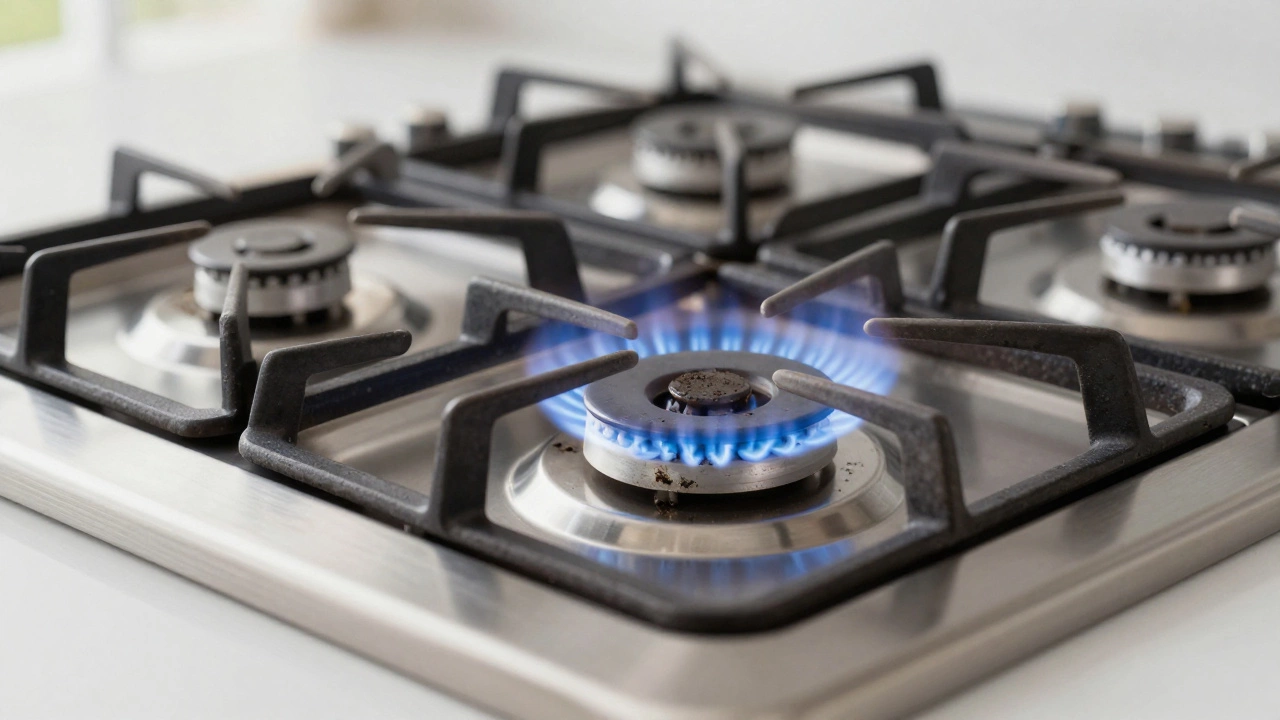
A healthy gas flame should be blue with a slight yellow tip. If the flame is mostly yellow, orange, or lifting off the burner, it’s burning inefficiently. This wastes gas and produces more soot.
How to fix it:
- Clean the burner caps thoroughly. Grease on the ports disrupts the air-gas mixture.
- Ensure the burner cap is seated correctly. It must align perfectly with the center post.
- Check the room ventilation. Poor airflow can cause incomplete combustion.
3. Knob Sticking or Not Turning
If the knob feels gritty or won’t stay in position, the mechanism underneath might be jammed with dried food residue.
How to fix it:
- Remove the knob by pulling it straight up gently.
- Clean the shaft and surrounding area with a damp cloth and mild detergent.
- Lubricate the shaft lightly with silicone spray (not oil, which attracts dirt).
- Reattach the knob firmly.
When to Call a Professional Gas Engineer
Knowing when to stop is just as important as knowing how to start. Certain repairs require specialized tools, training, and certification. In New Zealand, only licensed gasfitters can work on gas installations and repairs beyond basic user maintenance.
| Issue | Can You DIY? | Why Call a Pro? |
|---|---|---|
| Dirt/Grease Buildup | Yes | No risk involved; simple cleaning. |
| Ignition Spark Failure | Maybe | If cleaning doesn’t work, the module may need replacement. |
| Gas Leaks (Smell/Hissing) | No | Requires pressure testing and certified repair. |
| Broken Control Valve | No | Involves gas supply lines; high danger of leaks. |
| Cracked Ceramic Top | No | Structural integrity compromised; risk of gas escape. |
If you suspect a gas leak, never try to tighten connections yourself. Improper tightening can damage seals and worsen the leak. Instead, call a licensed gasfitter immediately. In Auckland, you can find registered professionals through the Plumbing and Drainage Association’s directory.
Cost Comparison: DIY vs. Hiring a Pro
One of the main reasons people attempt DIY repairs is cost. Let’s break down the financial implications.
DIY Costs:
- Replacement parts (igniter, knobs): $20-$50 NZD
- Cleaning supplies: $10 NZD
- Time investment: 30 minutes to 2 hours
Professional Costs:
- Call-out fee: $80-$120 NZD
- Hourly labor rate: $90-$150 NZD per hour
- Parts markup: 20-30% above retail price
- Total typical repair bill: $150-$300 NZD
While DIY saves money upfront, consider the long-term value. A professional repair often comes with a warranty on both labor and parts. If your DIY fix fails or causes further damage, you’ll end up paying more later. For critical components like valves and regulators, the peace of mind from a certified job is worth the extra cost.
Maintenance Tips to Prevent Future Repairs
Regular maintenance is the best way to avoid costly repairs. Incorporating these habits into your routine will keep your gas cooktop running efficiently for years.
- Clean After Every Use: Wipe down the surface while it’s still warm (but not hot) to prevent grease from hardening. Use a soft cloth and mild dish soap.
- Inspect Burners Monthly: Remove burner caps and check for food particles or insect nests blocking the gas ports.
- Test Flame Color Quarterly: Ensure flames remain blue. Yellowing indicates a need for cleaning or adjustment.
- Check Seals Annually: Look for cracks or wear in the rubber gaskets around the burners. Replace if damaged.
- Schedule Professional Servicing: Have a licensed gasfitter inspect your cooktop every 2-3 years, even if it seems fine.
In Auckland’s humid climate, moisture can accelerate corrosion in metal parts. Pay extra attention to the underside of the cooktop and the gas connection points.
Frequently Asked Questions
Is it safe to clean a gas cooktop myself?
Yes, cleaning is generally safe and recommended. Always turn off the gas supply and let the cooktop cool completely before removing any parts. Use non-abrasive cleaners to avoid damaging the finish or gas ports.
What should I do if I smell gas near my cooktop?
Evacuate the house immediately. Do not switch on lights or use electrical devices. Once outside, call your gas provider or emergency services. Do not re-enter until a professional has declared it safe.
Can I replace a gas cooktop burner myself?
Replacing external burner caps and heads is easy and safe. However, replacing internal gas valves or the entire burner assembly requires a licensed gasfitter due to the risk of gas leaks and improper calibration.
How often should I service my gas cooktop?
It’s advisable to have a professional inspection every 2-3 years. Regular cleaning should be done after each use, and monthly checks of burner alignment and cleanliness are recommended.
Why is my gas flame yellow instead of blue?
A yellow flame usually indicates incomplete combustion caused by dirty burner ports, poor ventilation, or incorrect air-to-gas ratio. Clean the burners first; if the issue persists, consult a professional.