Oven Repair vs. Replacement Cost Calculator
...
*Estimates assume a 20% efficiency gain for new ovens and average usage patterns. Actual savings vary based on local electricity rates and cooking habits.
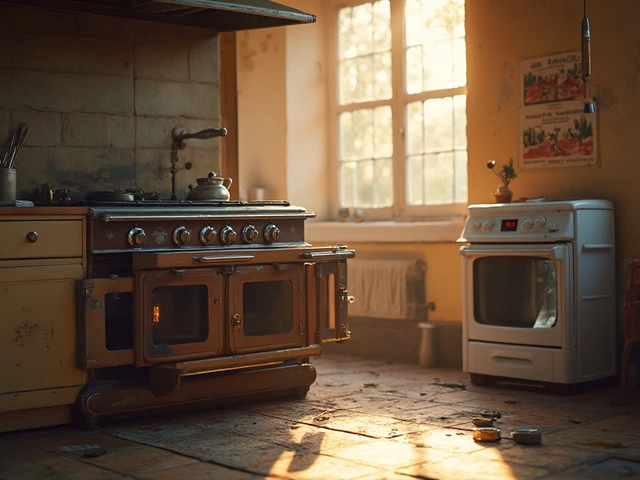
Walking into your kitchen and staring at a silent, cold electric oven is frustrating enough. But when you realize it’s been in service for two decades, the question shifts from "how do I fix this?" to "is it even worth fixing?" You might be tempted to just buy a new one immediately, but throwing away a working appliance can be a waste of money if the fault is minor. On the other hand, chasing a ghost with a dying machine often leads to more headaches than a fresh start.
The short answer is: yes, a 20-year-old oven can be repaired, but whether you *should* depends on three things: the specific fault, the cost of parts versus labor, and the remaining useful life of the unit. In Auckland, where energy costs are rising and modern ovens offer better efficiency, the math has changed significantly over the last five years. This guide breaks down the real-world economics of repairing an aging appliance so you can make a decision that saves you money in the long run.
The 50% Rule: When Repair Makes Financial Sense
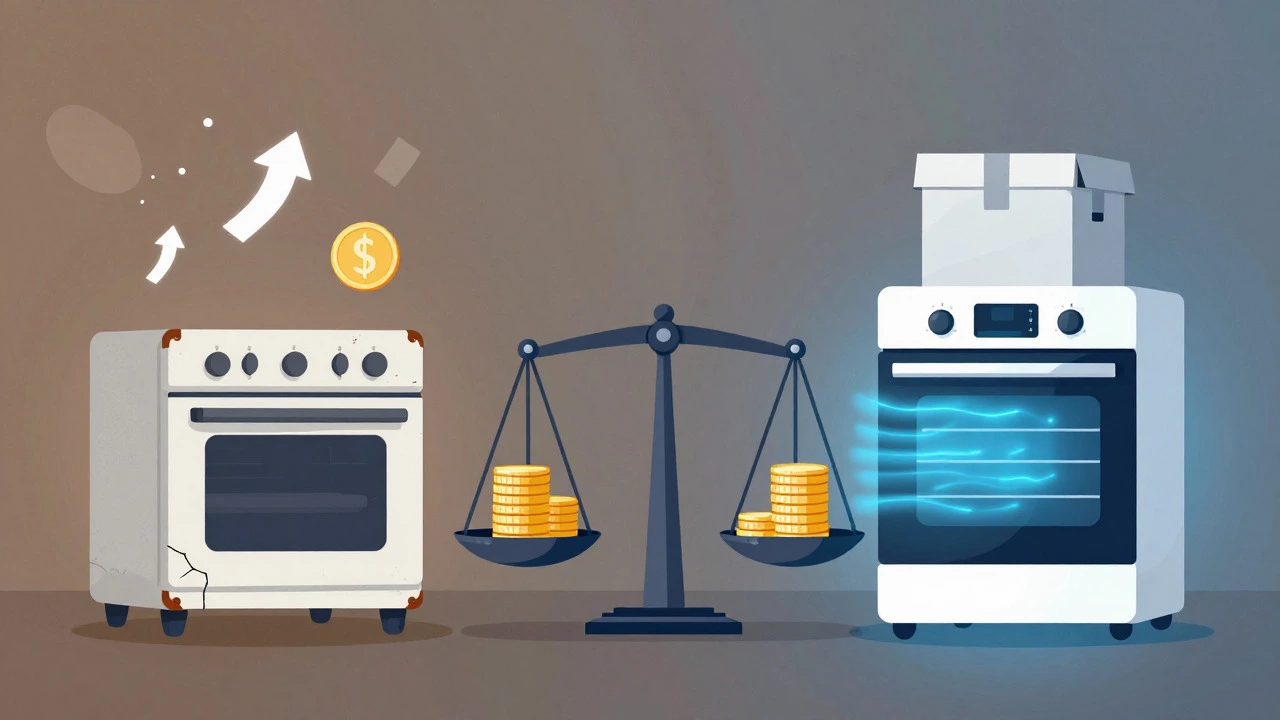
There is a simple heuristic used by most professional technicians in New Zealand: the 50% rule. If the total cost of repair (parts plus labor) exceeds 50% of the price of a comparable new oven, you should generally replace the unit. For a standard built-in or freestanding electric oven, a decent new model in the mid-range sits between $800 and $1,500 NZD. Therefore, if a repair quote comes in above $400-$750, the financial logic favors buying new.
However, age complicates this calculation. A 20-year-old oven doesn’t have another 20 years of life left. Most manufacturers design these units for a lifespan of 10 to 15 years. By year 20, you are in the "wear-out" phase of the product lifecycle. This means that while you might fix the current issue today, the probability of another failure within the next 6-12 months is high. You aren’t just paying to fix one problem; you are paying to delay the inevitable collapse of multiple components.
- Minor Faults: If the issue is something like a faulty door hinge, a broken light bulb, or a tripped thermal fuse, repair costs are usually under $150. These are almost always worth fixing regardless of age.
- Moderate Faults: Replacing a heating element or a fan motor typically costs between $250 and $400. This is the gray zone. If the rest of the oven works well, it’s a viable repair. If the seals are also deteriorating, look closer.
- Major Faults: Control board failures, major wiring issues, or compressor-like mechanical failures (in convection models) often exceed $500. At this point, replacement is usually the smarter economic choice.
Common Failure Points in Decade-Old Ovens
Not all parts age at the same rate. Understanding which components are likely to fail in a 20-year-old unit helps you diagnose the problem before calling a technician. Here are the usual suspects:
- Heating Elements: These are consumable parts. They burn out due to thermal stress. Replacing them is straightforward and relatively cheap. If your oven heats unevenly or takes forever to reach temperature, check the elements first.
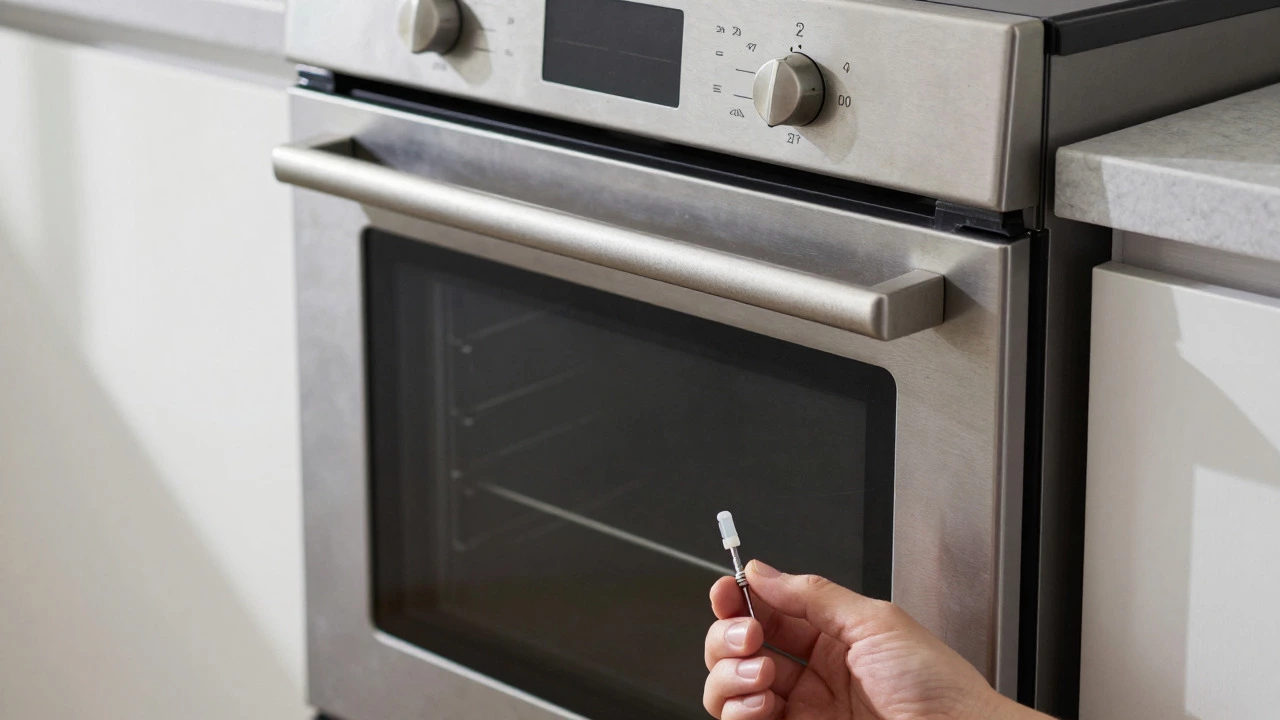
- Thermostats and Sensors: Over time, calibration drifts. The oven might think it’s at 180°C when it’s actually at 150°C. This leads to undercooked food. While sensors can be replaced, the control logic in older analog thermostats is less reliable than digital ones.
- Door Seals (Gaskets): Rubber degrades. A worn seal lets heat escape, causing the oven to work harder and use more electricity. If your door seal is brittle or cracked, replacing it ($100-$200) improves efficiency and safety.
- Control Boards (Digital Models): If you have a digital oven from the early 2000s, the printed circuit boards may suffer from capacitor failure or corrosion. These parts are often obsolete or expensive because they are no longer mass-produced.
- Wiring and Connectors: Heat damages insulation. Loose connections can cause intermittent power loss or, worse, fire hazards. Inspect any visible wiring for charring or brittleness.
Safety Considerations: Is It Worth the Risk?
Beyond the cost, there is the safety factor. Older appliances were built to different electrical standards. In New Zealand, home wiring standards have evolved, and older ovens may not meet current safety expectations for earth leakage protection or insulation integrity.
If your oven shows signs of sparking, burning smells, or frequent tripping of the RCD (Residual Current Device), the risk increases. A 20-year-old unit lacks the modern safety interlocks found in newer models. For example, many modern ovens have automatic shut-off features if the door is opened during cooking or if the temperature spikes unexpectedly. Your old oven likely relies on manual vigilance.
Ask yourself: Does the oven trip the breaker randomly? Do you smell burnt plastic when it preheats? If yes, the repair might only address the symptom, not the underlying degradation of the electrical system. In these cases, the peace of mind provided by a new, warrantied appliance is often worth the premium.
Efficiency and Running Costs
Energy prices in Auckland have fluctuated, but the trend is upward. Modern ovens are significantly more efficient than their predecessors from two decades ago. Newer models use better insulation materials and more precise heating controls, which reduces standby heat loss and cooking time.
While the difference might seem small per hour, it adds up over years of daily use. A modern energy-efficient oven can consume 15-20% less electricity than an equivalent older model. If you bake frequently, this savings can offset the purchase price of a new oven within 3-5 years. Additionally, newer ovens often feature functions like fan-assisted baking that cook faster, further reducing energy consumption.
| Factor | Repair Old Oven | Buy New Oven |
|---|---|---|
| Upfront Cost | $150 - $500+ (varies by fault) | $800 - $1,500 (mid-range) |
| Lifespan Remaining | 1 - 3 years (high uncertainty) | 10 - 15 years (warrantied) |
| Energy Efficiency | Low (higher running costs) | High (lower running costs) |
| Safety Features | Basic/Outdated | Modern/Comprehensive |
| Warranty | Parts only (usually 3-6 months) | Full manufacturer warranty (1-2 years) |
| Feature Set | Static/Fan bake only | Multi-function, smart connectivity, precision temp |
DIY vs. Professional Repair
Some faults are safe for DIY repair if you are comfortable working with mains voltage. Always unplug the oven before opening it. Common DIY fixes include:
- Replacing the oven light bulb (ensure it’s a halogen-rated bulb if required).
- Checking and tightening loose wire connections at the back of the unit.
- Replacing the door gasket if it’s visibly torn.
However, touching the heating elements, thermostat, or main control board requires caution. If you’re unsure, call a licensed electrician or appliance repair specialist. In Auckland, labor rates for appliance repair typically range from $90 to $120 per hour. Factor this into your decision. If the technician needs to spend more than an hour diagnosing the issue, the labor cost alone will eat into your budget.
When to Definitely Replace
Ignore the temptation to fix it if any of these conditions apply:
- The repair quote exceeds $400 for a non-premium brand.
- The oven has had multiple repairs in the last 2 years.
- The exterior casing is rusted or corroded, indicating internal moisture damage.
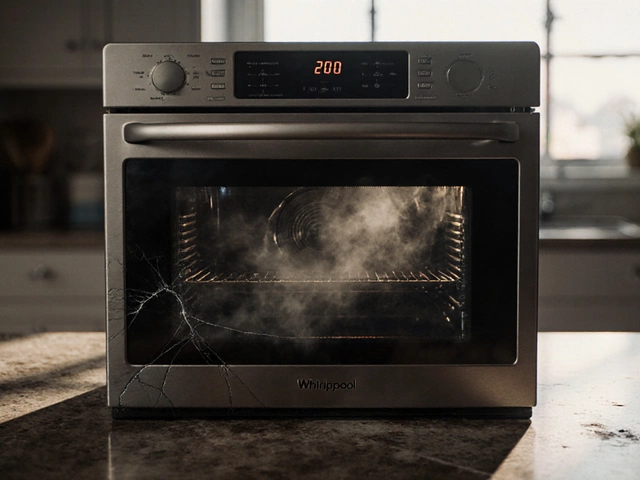
- The control panel is flickering or displaying error codes that aren’t listed in the manual.
- You need a specific feature (like steam cleaning or smart app control) that the old model lacks.
In these scenarios, the "repair" is essentially a temporary band-aid. You’ll likely face the same decision again within a year, costing you more in aggregate than buying a reliable new unit now.
Is it safe to use a 20-year-old oven?
Yes, provided it passes a basic safety inspection. Check for frayed wires, burnt smells, and ensure the door closes securely. If the RCD trips frequently, have it checked by a professional immediately.
How much does it cost to repair an electric oven in Auckland?
Typical costs range from $150 for simple part replacements to $500+ for complex electronic faults. Labor rates are approximately $90-$120 per hour. Always ask for a diagnostic fee upfront to avoid surprises.
What is the average lifespan of an electric oven?
The average lifespan is 10 to 15 years. With good maintenance, some units last longer, but component reliability drops significantly after year 10.
Should I repair a gas oven or an electric oven?
Gas ovens have fewer electronic components, making them slightly easier to repair mechanically. However, electric ovens have more standardized parts. The decision should still be based on the cost of the specific fault versus the value of the unit.
Are old ovens more expensive to run?
Yes. Older ovens have poorer insulation and less efficient heating elements. They can consume up to 20% more electricity than modern equivalents, leading to higher monthly bills.