
Gas Hob Repair Decision Tool
What is the main problem?
Tell us more about your situation
That sudden silence when you twist the knob and nothing happens is frustrating. You’re hungry, dinner is late, and your gas hob is a kitchen cooking surface that uses natural gas or LPG for heat generation refuses to cooperate. The immediate question isn’t just “can it be fixed?” but rather, “should I try fixing it myself, or is this a dangerous gamble?” The short answer is yes, most gas hobs can be repaired. However, because we are dealing with flammable gas and open flames, the line between a simple DIY fix and a job requiring a certified professional is razor-thin. In New Zealand, strict regulations govern who can touch gas lines. Getting this wrong doesn’t just mean a broken stove; it means potential carbon monoxide poisoning or fire hazards. This guide breaks down exactly what you can safely handle at home, what requires a licensed gasfitter, how much you should expect to pay in 2026, and when it’s smarter to replace the unit entirely.
Diagnosing the Problem: Is It a Simple Fix?
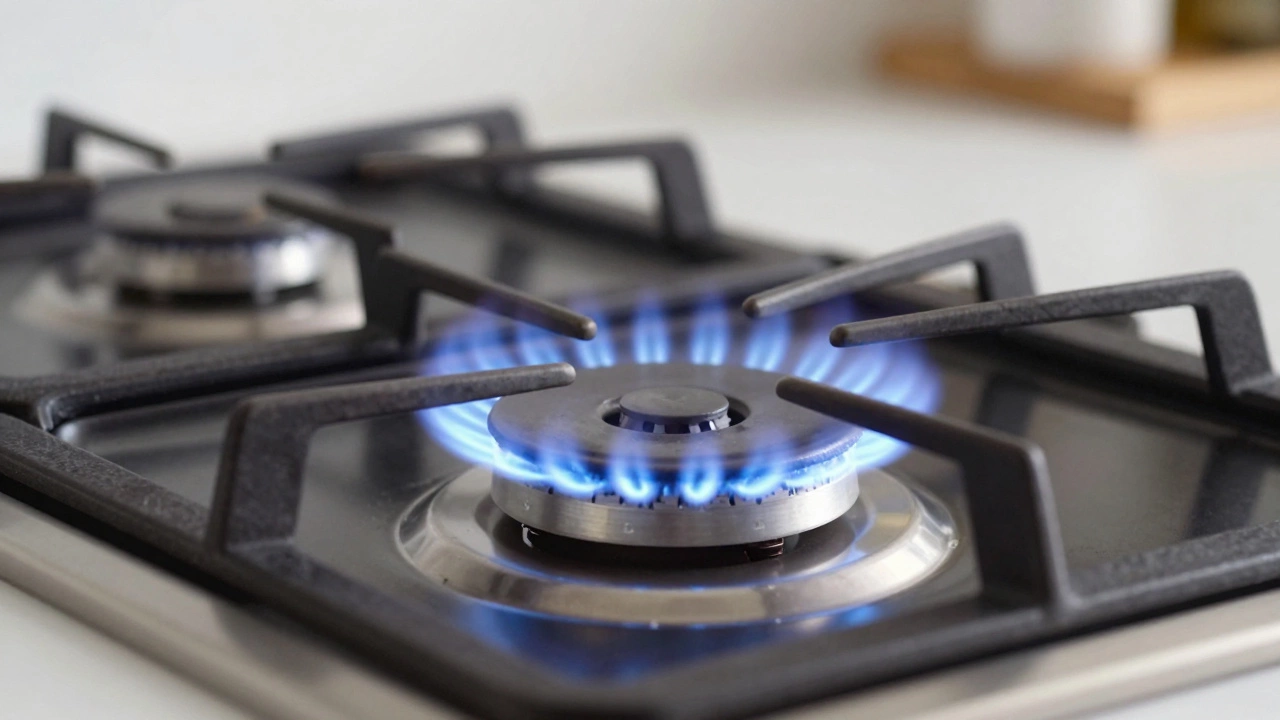
Before you call anyone, look closely at what’s actually going wrong. Most gas hob issues fall into three buckets: ignition failure, flame irregularity, or physical damage. Identifying which bucket your problem lands in determines your next move. Ignition systems are electronic components that create sparks to light the gas burners automatically. If you hear clicking but no flame, the issue might be electrical rather than gas-related. If there’s no click and no flame, the spark generator or the electrode could be faulty. These are often accessible and sometimes replaceable by the homeowner if they are comfortable with basic tools and following a manual. If the flame is yellow instead of blue, or it lifts off the burner, you likely have an airflow issue or a clogged jet. A blue flame indicates efficient combustion. A yellow flame suggests incomplete burning, which produces carbon monoxide. This needs attention immediately. Cleaning the burner ports with a needle or compressed air often solves this without any cost. Physical damage, such as cracked glass tops or broken knobs, is different. While you might find replacement parts online, fitting them on a sealed gas unit requires precision. A misaligned seal can lead to gas leaks under the cooktop.
The Legal Reality: Who Can Touch Your Gas Hob?
This is where many homeowners get tripped up. In New Zealand, the Health and Safety at Work (Gas) Regulations 2016 set clear boundaries. You cannot perform work on the gas supply system itself unless you are a licensed gasfitter. Licensed gasfitters are professionals certified by WorkSafe NZ to install, maintain, and repair gas appliances and piping. They hold a current license and insurance. If your repair involves disconnecting the gas hose, replacing the manifold, adjusting the pressure regulator, or fixing a leak, you must hire one. Attempting these tasks yourself is illegal and voids your home insurance if an accident occurs. However, the regulations do allow homeowners to perform minor maintenance. This includes:
- Cleaning the burner caps and heads.
- Replacing igniter electrodes (if accessible without touching gas lines).
- Swapping out thermocouples on older models (though testing them requires expertise).
- Changing gas types from Natural Gas to LPG (this usually requires a pro to adjust jets, but swapping the bottle connection might be user-friendly depending on the setup).
Common Repairs and Their Complexity
Let’s look at specific scenarios and how they break down in terms of difficulty and risk. Broken Igniter: This is one of the most common faults. Over time, the ceramic insulator on the spark electrode cracks, or the wire inside snaps. Replacing this involves removing the burner head, unscrewing the old electrode, and screwing in a new one. It’s a low-risk task if you ensure the gas is turned off at the isolator valve first. Cost for parts is usually under $50. Clogged Burner Jets: Food spills and grease eventually harden around the tiny holes where gas exits. This causes uneven flames. Soaking the burner head in warm soapy water and using a pin to clear the jets works wonders. This is purely mechanical cleaning and carries zero legal restriction. Leaking Gas Valve: If you smell rotten eggs (the odorant added to gas) near the hob even when it’s off, you have a leak. This is not a DIY job. The valve assembly controls the flow of gas. A faulty seal or diaphragm here requires specialized tools to test pressure and replace. Only a licensed gasfitter should handle this. Cracked Glass Top: Modern gas hobs often use tempered glass. If it cracks, the structural integrity of the gas seals is compromised. You cannot patch glass. The entire top assembly usually needs replacement. This is a major repair that often costs more than a new hob.
| Issue | Diy Friendly? | Estimated Cost (NZD) | Risk Level |
|---|---|---|---|
| Clogged Burner | Yes | $0 - $20 (cleaning supplies) | Low |
| Igniter Electrode | Yes (with caution) | $30 - $80 (parts only) | Medium |
| Gas Leak/Valve | No | $150 - $300 (labor + parts) | High |
| Cracked Glass | No | $400 - $800+ | High |
Repair vs. Replace: Making the Financial Sense
In 2026, gas hobs range from budget models around $400 to premium brands exceeding $2,000. The decision to repair hinges on the age of the appliance and the cost of the fix relative to its value. If your hob is less than five years old and under warranty, contact the manufacturer first. Many warranties cover parts and labor for defects like faulty igniters. If it’s out of warranty, consider the “50% rule.” If the repair costs more than half the price of a comparable new unit, replacement is usually the better long-term investment. Newer models also offer better efficiency and safety features, such as automatic shut-off valves that cut gas if the flame goes out due to boiling over. Older units may lack these safeguards. Upgrading improves both safety and energy bills. However, if you have a high-end integrated hob that is built into your countertop, removal and installation are complex. In this case, repairing a $1,500 unit for $200 makes financial sense, even if the hob is eight years old. The cost of refitting a new custom-sized hob into granite or stone countertops can exceed $1,000 in carpentry alone.
Safety First: Essential Checks Before You Start
Whether you are cleaning a burner or waiting for a technician, safety protocols are non-negotiable. Carbon monoxide is odorless and deadly. Gas explosions are devastating. Always turn off the gas supply at the isolation valve before doing any work. This valve is usually located behind the hob or in the cupboard below. Open windows to ventilate the area. Never use a naked flame to check for leaks-use soapy water. Apply a mixture of dish soap and water to the connections. If bubbles form, you have a leak. Install a carbon monoxide detector in your kitchen if you haven’t already. These devices are cheap and life-saving. They alert you to invisible dangers that your nose can’t detect. Regular maintenance prevents most emergencies. Wipe up spills immediately to prevent grease buildup in the burner ports. Clean the hob after every few uses. Check the rubber gaskets around the burners annually for wear and tear.
Finding a Reliable Gasfitter in Auckland
If your diagnosis points to a professional job, finding the right person matters. In Auckland, demand for gasfitters is high, especially during winter. Look for someone registered with the WorkSafe NZ Gas Register is the official database of licensed gasfitters in New Zealand maintained by the government. You can verify their license number online. Ask for quotes upfront. Reputable companies provide transparent pricing. Avoid cash-only deals that don’t offer receipts or guarantees. A proper repair should come with a compliance certificate, confirming the work meets national standards. This document is crucial for insurance purposes and future home sales. Check reviews specifically mentioning punctuality and cleanliness. Gas repairs can be messy, and you want a technician who respects your home. Local businesses in suburbs like Ponsonby, Remuera, or North Shore often offer faster response times than large national chains.
Next Steps for Your Broken Hob
Start with the basics. Clean the burners thoroughly. Check if the gas supply is turned on. Listen for the igniter click. If these simple steps don’t resolve the issue, assess the complexity. Is it a part you can buy and swap? Or does it involve gas lines? If it’s a minor part replacement, order the correct model-specific component from a reputable supplier. Follow the manufacturer’s instructions precisely. If it’s anything involving gas flow, pressure, or leaks, put down the tools and pick up the phone. Call a licensed gasfitter. Your safety and peace of mind are worth far more than the cost of a service call. Remember, a well-maintained gas hob is a joy to cook with. Neglect turns it into a hazard. Treat it with care, know your limits, and don’t hesitate to seek professional help when needed.
How much does it cost to repair a gas hob in Auckland?
Costs vary widely. Simple cleaning is free. Replacing an igniter electrode might cost $30-$80 for parts. Professional repairs involving gas valves or leaks typically range from $150 to $300 including labor. Major repairs like replacing a glass top can exceed $500.
Can I change the igniter on my gas hob myself?
Yes, in most cases. If the igniter is accessible without disconnecting gas pipes, you can replace it. Ensure the gas is turned off at the source. Use the exact replacement part specified by the manufacturer. If you need to remove the entire cooktop or touch gas lines, hire a professional.
Is it legal to fix a gas leak yourself in New Zealand?
No. Under NZ law, only licensed gasfitters can repair gas leaks or work on the gas supply system. Attempting this yourself is illegal and dangerous. Always turn off the gas and evacuate the area if you suspect a significant leak, then call a professional.
Why is my gas hob flame yellow instead of blue?
A yellow flame indicates incomplete combustion, often due to dirty burner ports, poor ventilation, or incorrect air-fuel mixture. Clean the burner jets and ensure the room has adequate airflow. If the problem persists, it may require adjustment by a gasfitter to prevent carbon monoxide production.
Should I repair or replace my old gas hob?
If the repair cost exceeds 50% of the price of a new hob, replacement is usually better. Also consider the age of the unit. Older hobs lack modern safety features like auto-shutoff. Integrated hobs might be worth repairing due to high installation costs for replacements.