
Dishwasher Repair vs. Replace Calculator
Recommendation
Enter your machine details to see if repairing is the smartest financial move.
Quick Takeaways
- Most dishwashers are repairable, regardless of whether they are high-end or budget models.
- Common failures usually involve the pump, door seal, or heating element.
- Many fixes are simple cleaning tasks rather than part replacements.
- Knowing when to call a pro versus doing it yourself can save hundreds in labor.
When we talk about dishwasher repair is the process of diagnosing and fixing mechanical or electrical failures in an automatic dishwashing machine, we aren't talking about magic. Most machines are just a combination of a water pump, a heating system, and a control board. Because these parts are modular, you can usually pull out a broken one and slide in a new one without needing an engineering degree.
The Common Culprits: What Actually Breaks?
Before you assume the whole machine is trash, look at where things usually go wrong. Most failures fall into three buckets: drainage issues, heating failures, and leaks. If your dishes are coming out wet or dirty, it's rarely the "brain" of the machine that's gone; it's usually a physical blockage.
Take the Drain Pump, for example. This is the muscle that pushes water out of the tub. If a stray piece of broken glass or a toothpick gets stuck in the impeller, the pump can't move water. You'll see a pool of water at the bottom of the machine, but the pump is actually fine-it's just obstructed. This is a five-minute fix that requires zero new parts.
Then there's the Heating Element. This is the loop of metal at the bottom that warms the water. When this burns out, your dishes stay cold and the soap doesn't dissolve properly. While this requires a part replacement, it's a straightforward swap that doesn't justify replacing the entire appliance.
| Problem | Likely Component | Repair Difficulty | Typical Fix |
|---|---|---|---|
| Water not draining | Drain Pump / Filter | Low | Clean filter or clear blockage |
| Dishes not drying | Heating Element | Medium | Replace heating coil |
| Leaking from bottom | Door Gasket / Pump Seal | Medium | Replace rubber seal |
| Machine won't start | Control Board / Thermal Fuse | High | Replace PCB or fuse |
Is It Worth Fixing or Should You Replace It?
This is the million-dollar question. The general rule of thumb in the repair industry is the "50% Rule." If the machine is more than halfway through its expected lifespan (usually 10-12 years) and the repair cost is more than 50% of the price of a new machine, toss it. If the machine is only 4 years old, almost any repair is worth it.
Consider the cost of a Control Board. This is the computer that tells the machine when to spray and when to dry. If this fries, you might be looking at a 200-dollar part plus labor. On a budget machine, that's a lot. On a high-end Miele or Bosch, that's a bargain compared to a 1,200-dollar replacement.
You also have to consider the energy efficiency of newer models. If you have a machine from 2010, a new one will likely use 30% less water and electricity. In that specific case, even a "cheap" repair might be a waste of money in the long run because you're keeping an inefficient dinosaur in your kitchen.
The DIY Checklist: Try These Before Calling a Pro
Before you pay a technician 100 dollars just to show up at your door, run through these basic checks. You'd be surprised how many "broken" dishwashers are actually just dirty.
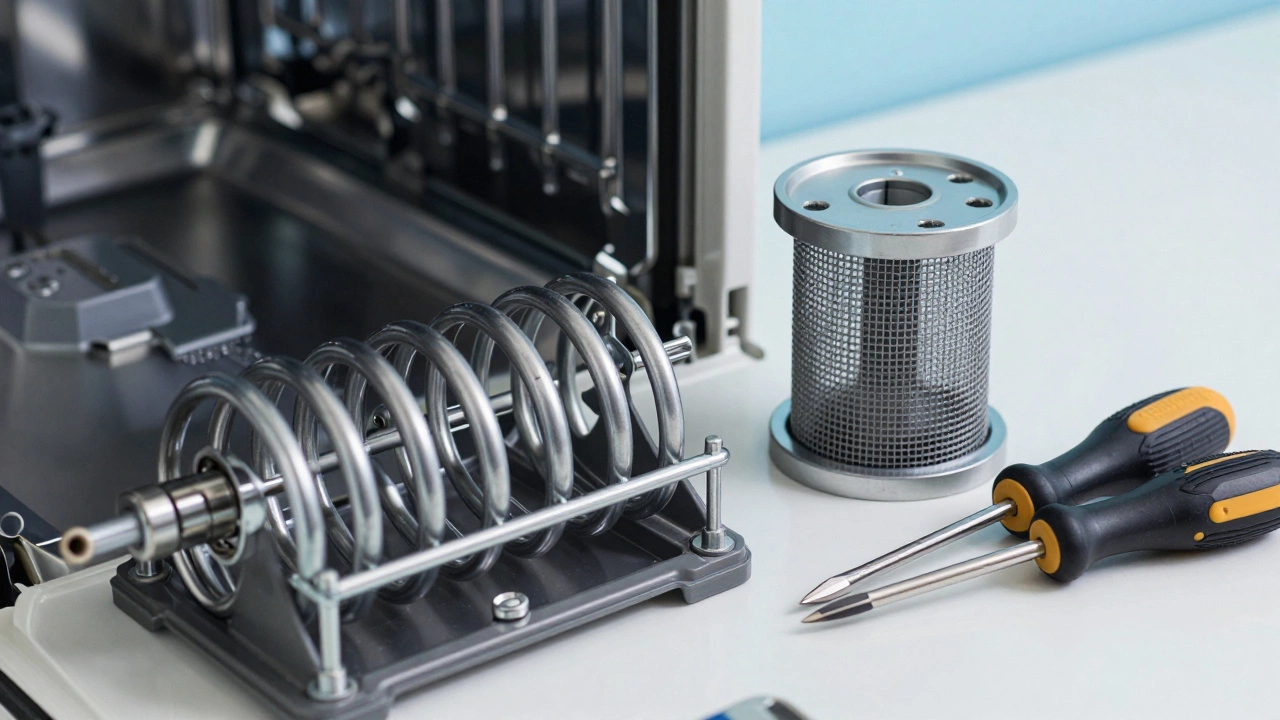
- Check the Filter: Most modern machines have a cylindrical filter at the bottom. Twist it out and scrub it with a toothbrush. A clogged filter mimics a broken pump perfectly.
- Inspect the Spray Arms: If your dishes are coming out with spots of food, check the holes in the spinning arms. Tiny seeds or calcium buildup can plug them up, meaning the water never reaches the top rack.
- Test the Door Latch: If the machine won't start, check the latch. If it doesn't click firmly, the Door Switch won't trigger, and the machine will think the door is open for safety reasons.
- Verify the Air Gap: That little chrome cylinder on your sink? If that's clogged, the dishwasher can't drain. Try cleaning it with a pipe cleaner.
When to Call a Professional Technician
There are some things you simply shouldn't touch. First, anything involving the main power supply or complex wiring. If you see scorched wires on the control board, don't try to "tape it up." You need a pro to ensure there isn't a deeper electrical short that could start a fire.
Second, if you have a built-in Water Softener or an integrated plumbing system, a mistake can lead to a flood that ruins your hardwood floors. A professional knows how to pressure test the lines after a repair to make sure everything is watertight.
Third, if you're dealing with a complex Leak Detection System. Some high-end machines have a float switch in the bottom tray that shuts everything down if it detects a leak. Finding exactly where that leak is coming from often requires dismantling half the machine, which is a job for someone with the right diagnostic tools.
Maintaining Your Machine to Avoid Future Repairs
The best way to handle dishwasher repair is to make sure you never need it. Most people treat their dishwasher like a trash can, but it's actually a precision tool. To keep it running, avoid pre-rinsing your dishes too much-modern detergents actually need some food particles to cling to, or they can become too aggressive and erode the rubber seals.
Every few months, run a cycle with a dedicated dishwasher cleaner or a cup of white vinegar. This breaks down the Limescale and grease that build up in the internal pipes. If you live in an area with hard water, using a rinse aid is non-negotiable. Without it, minerals build up on the heating element, causing it to overheat and burn out prematurely.
Can I use a generic part instead of an OEM part?
You can, but be careful. OEM (Original Equipment Manufacturer) parts are guaranteed to fit and last. Generic parts are cheaper but often have slightly different tolerances. For something like a door seal, a generic one might leak after six months, meaning you'll spend more time and money fixing it twice.
Why does my dishwasher smell even after a repair?
A repair fixes the mechanics, not the hygiene. Smells usually come from a dirty filter or a clogged drain hose where old food is rotting. Try cleaning the filter and running a hot cycle with vinegar to neutralize the odors.
How do I know if my control board is actually dead?
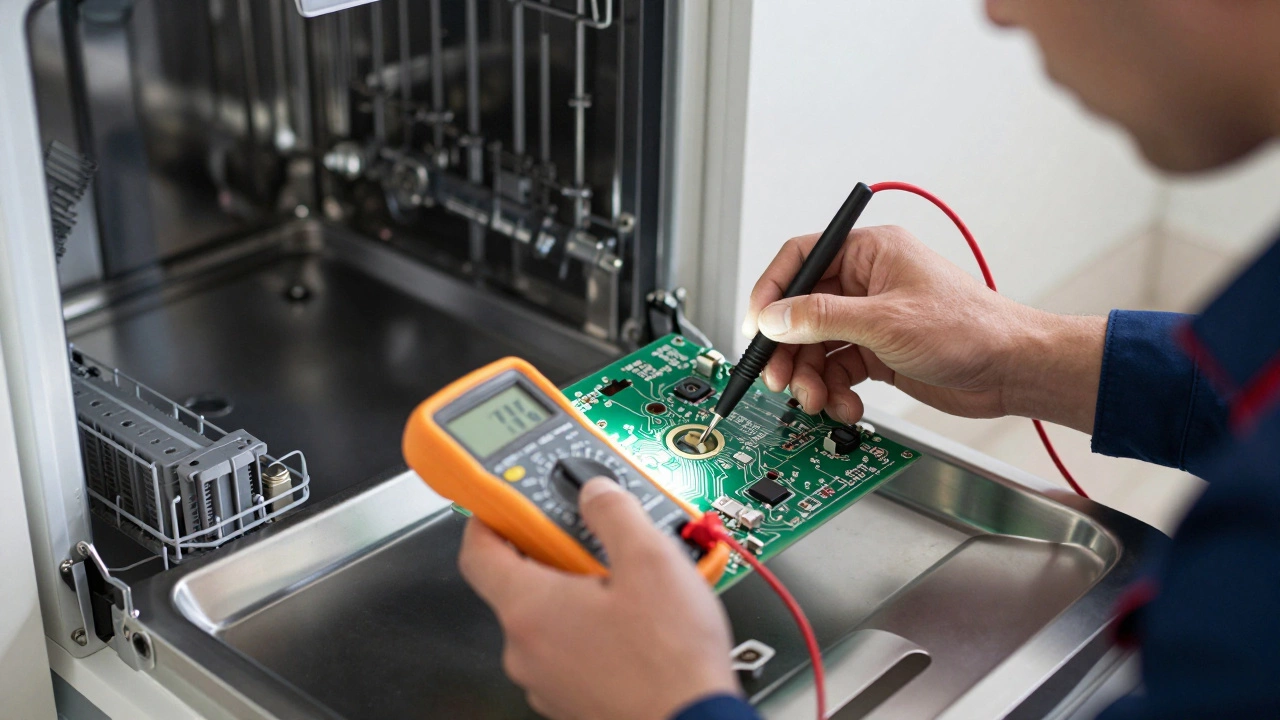
If the lights on the panel are flashing in a specific pattern (error codes) or if the machine completely loses power despite the outlet working, it's likely the board. A technician can use a multimeter to test if the board is sending voltage to the pump and heater.
Is it safe to replace a dishwasher pump myself?
Yes, as long as you unplug the machine from the power and turn off the water supply. The pump is generally held in by a few screws and a couple of clamps. Just be prepared for some water to spill out when you disconnect the hoses.
Does a leaking dishwasher always mean a new gasket?
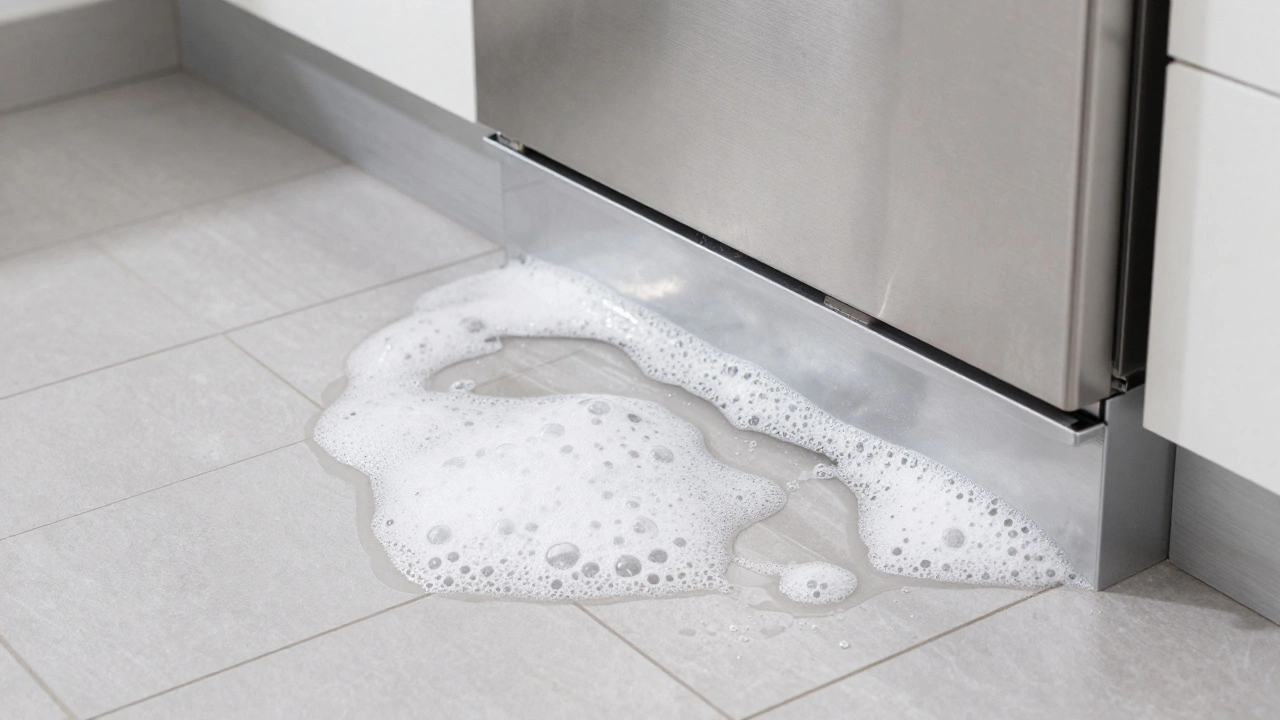
Not necessarily. Check if the machine is level first. If it's tilted forward, water can slosh over the edge of the tub. Also, check for "oversudsing"-using the wrong soap (like hand soap) creates too many bubbles that push past the seals and leak onto the floor.
What's Next?
If you've tried the basic cleaning steps and the machine still isn't working, your next move depends on your comfort level. If you're handy, look up your model number online and find a "parts breakdown" diagram. This will show you exactly how the machine is put together and which parts are most likely to fail.
If the thought of taking a machine apart makes you nervous, call a certified technician. When you call, have your model number and the specific symptoms ready. Telling them "it's broken" gets you a generic visit; telling them "it's not draining and the pump is making a humming sound" allows them to bring the correct parts on the first trip, saving you a second service fee.