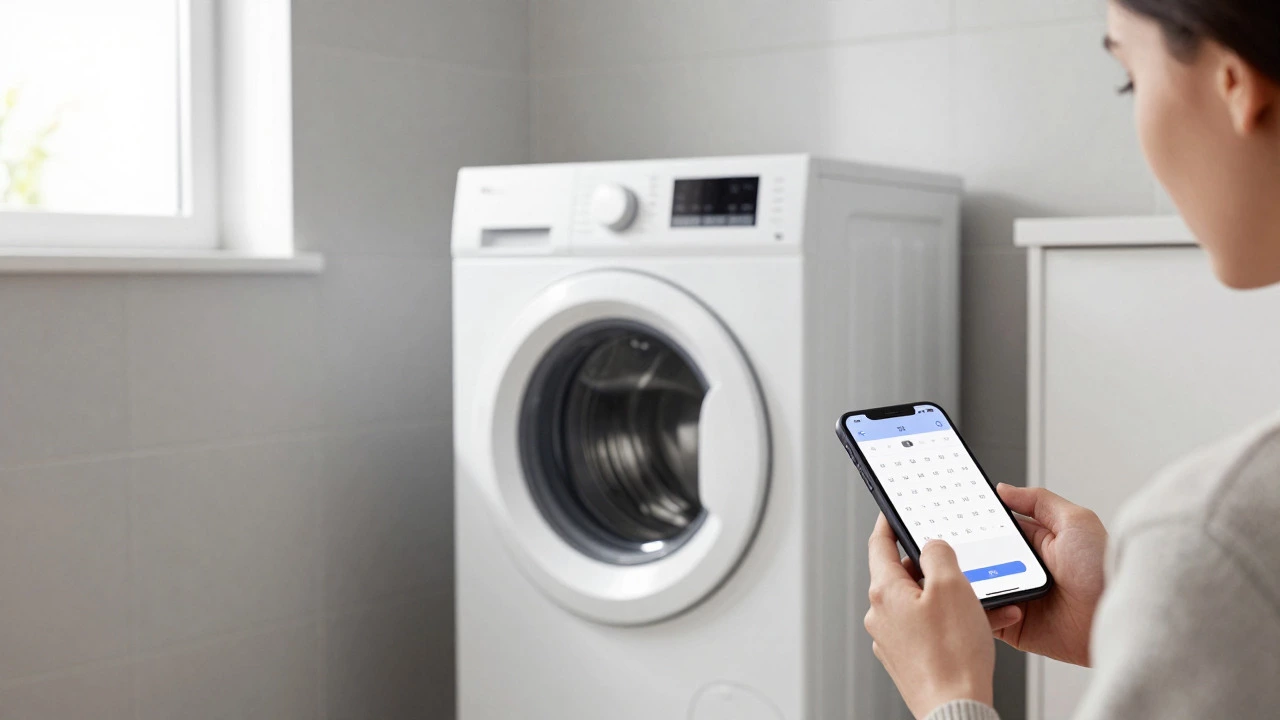
Repair vs. Replace Calculator
Enter the details below to see if you should fix your current machine or invest in a new one.
Waiting for data...
Enter costs above to get an instant recommendation based on the 50% rule.
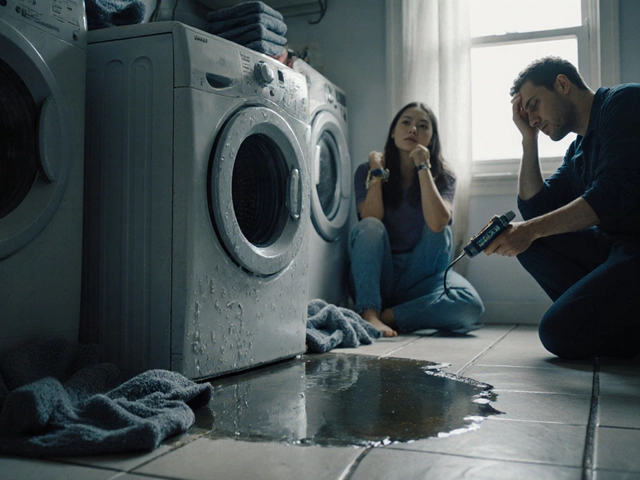
You stand in front of your washing machine. It’s making a noise you’ve never heard before-a rhythmic thumping that sounds like it’s trying to escape the laundry room. You check the calendar. It’s been eight years since you bought this thing. Is it time to buy a new one, or can you squeeze out a few more years with a simple fix?
This is the million-dollar question for every homeowner. The short answer? A standard washing machine should last between 10 and 14 years. But that number swings wildly depending on whether you have a top-loader or a front-loader, how hard you work the machine, and whether you live in a city with hard water like parts of Auckland.
Knowing exactly when to repair and when to replace saves you hundreds of dollars. Let’s break down what determines that lifespan, how to spot the early warning signs, and why ignoring a small leak today could mean buying a whole new machine tomorrow.
The Average Lifespan: What the Data Actually Says
If you look at consumer reports and appliance manufacturer data, the average lifespan of a washing machine hovers around 11 years. However, "average" is a tricky word. It doesn’t tell you much about your specific situation.
| Type | Average Lifespan | Key Factor |
|---|---|---|
| Top-Loading (Agitator) | 11-13 Years | Simpler mechanics, fewer seals |
| Top-Loading (Impeller/High-Efficiency) | 9-11 Years | Complex electronics, sensitive sensors |
| Front-Loading | 10-14 Years | Durable drum, but rubber seal prone to mold |
Front-loaders often outlast top-loaders because their design is mechanically simpler regarding the suspension system-they don’t need heavy counterweights to balance the spin. However, they are more sensitive to user error. If you overload a front-loader, you’re beating up the bearings faster than if you did the same to a top-loader.
In New Zealand, where we tend to run larger loads due to space constraints in many homes, proper loading is critical. Overloading is the number one killer of washing machine drums. It puts excessive strain on the motor and the suspension springs, leading to premature failure well before that 10-year mark.
Signs Your Washing Machine Is Dying
Machines rarely die suddenly without warning. They usually give you clues. Ignoring these signs is like ignoring a check-engine light in your car. Here is what to look for:
- Excessive Vibrations: If your machine walks across the floor during the spin cycle, the shock absorbers or dampers are failing. This isn’t just annoying; it damages the outer tub over time.
- Strange Noises: A grinding sound usually means the bearings are shot. A squealing belt indicates wear. Humming without spinning suggests a broken drive belt or a faulty lid switch.
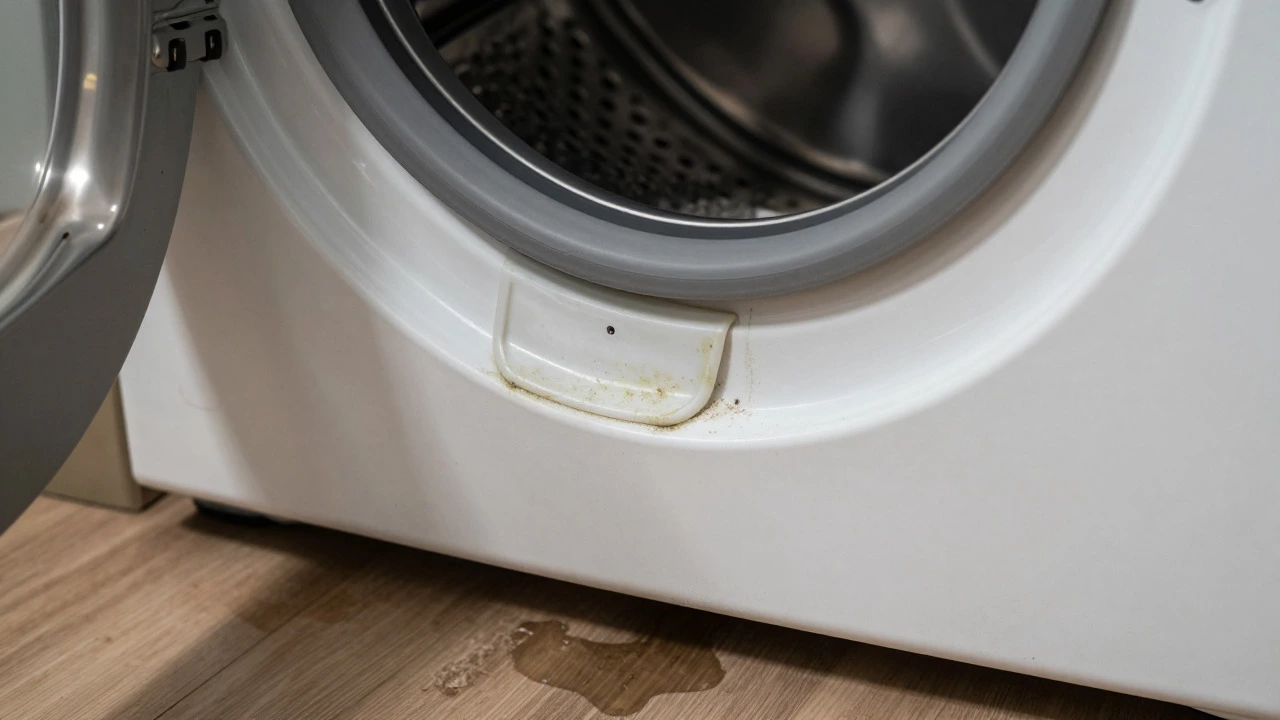
- Water Leaks: Small leaks under the machine might be a loose hose. Puddles inside the drum or around the door seal indicate a failed gasket or cracked pump housing. Water damage to your floor costs far more than a repair.
- Poor Cleaning Performance: If clothes come out smelling musty or still dirty after multiple cycles, the issue might be clogged filters, a worn agitator, or a failing heating element.
- Error Codes: Modern machines talk to you. Error codes like F05 (drain issue) or E10 (water supply issue) are diagnostic tools. If the same code appears repeatedly despite troubleshooting, the component is likely dead.
If you notice two or more of these symptoms, especially in a machine older than seven years, start budgeting for a replacement. Repairs become less cost-effective as the machine ages because other components are likely close to failing too.
Repair vs. Replace: The 50% Rule
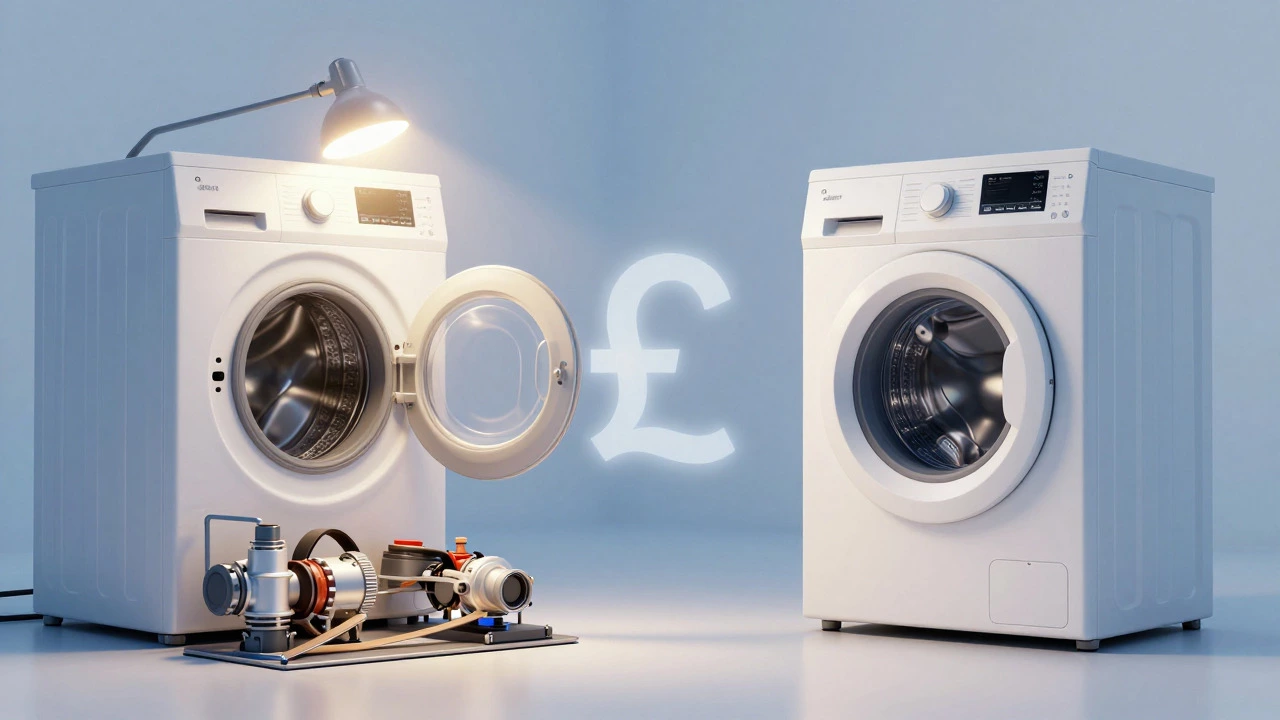
So, your machine breaks down. Do you call a technician or head to the store? Use the 50% rule. If the cost of the repair is more than 50% of the price of a new, comparable machine, replace it.
Let’s say a new mid-range washing machine costs $800 NZD. If the repair quote is $450, it’s time to replace. Why? Because you’re investing nearly half the value of a new machine into an old one that has limited remaining life. You’ll likely face another repair within 12 months.
However, there are exceptions. If the repair is minor-like replacing a drain pump ($150-$200) or a door latch ($50)-and the machine is only four or five years old, repair it. These are normal wear-and-tear items. But if the main control board or the motor fails on a 12-year-old unit, walk away.
Also consider energy efficiency. Machines made before 2015 are significantly less efficient than modern models. Replacing an old unit can save you money on electricity and water bills, offsetting the initial purchase price over time.
How to Extend Your Washing Machine’s Life
You can easily add three to five years to your machine’s life with simple maintenance habits. Most failures are preventable.
- Clean the Filter Regularly: Every month, clean the lint filter (usually behind a small door at the bottom front). Clogged filters cause drainage issues, which strain the pump and lead to overflow errors.
- Leave the Door Open: After every wash, leave the door and detergent drawer slightly ajar. This allows moisture to evaporate, preventing mold and mildew buildup that rots rubber seals and causes bad odors.
- Use the Right Amount of Detergent: High-efficiency (HE) detergents are low-sudsing. Using regular detergent creates excess foam, which triggers error codes and stresses the motor. Overusing HE detergent leaves residue that clogs internal pipes.
- Run a Maintenance Cycle: Once a month, run an empty hot water cycle with a cup of white vinegar or a specialized drum cleaner. This removes soap scum and mineral deposits from the drum and hoses.
- Check Hoses Annually: Inspect inlet and drain hoses for cracks, bulges, or leaks. Replace them every five years, even if they look fine. Rubber degrades over time, and a burst hose can flood your home while you’re at work.
In areas with hard water, like some parts of the North Island, install a water softener or use a descaling agent regularly. Mineral buildup corrodes heating elements and reduces water flow, forcing the machine to work harder.
When Professional Help Is Worth It
Not every problem requires a professional, but some do. If you’re comfortable with basic tools, you can replace belts, pumps, and filters yourself using online guides. But if the issue involves the main control board, the motor, or the transmission, hire a pro.
These components require precise calibration and testing. A misaligned motor mount can cause catastrophic failure during the spin cycle. Plus, professionals have access to genuine parts and diagnostic software that reads error codes accurately.
Look for technicians who specialize in your brand. A generic appliance repair person might fix the symptom, but a brand specialist understands the common failure points of that specific model. In Auckland, many local repair services offer warranties on their work, giving you peace of mind.
Always ask for a written estimate before any work begins. Reputable technicians will explain the problem, the solution, and the cost upfront. If they refuse, find someone else.
Buying a Replacement: What to Look For
If you’ve decided to replace your machine, focus on reliability over features. Smart Wi-Fi capabilities and steam cycles are nice, but they add complexity and potential points of failure. Stick to proven technology.
Consider the following:
- Capacity: Match the capacity to your household size. A 7kg machine suits singles or couples. Families of four or more need 9kg or larger to avoid overloading.
- Spin Speed: Higher spin speeds (1200-1400 RPM) extract more water, reducing dryer time and energy usage. But ensure your floor can handle the vibration.
- Energy Rating: Look for high energy and water efficiency ratings. In New Zealand, the Energy Rating Label helps compare models. A higher rating means lower running costs.
- Warranty: Standard warranties cover one year. Extended warranties can be worth it for expensive models, but read the fine print. Many exclude labor costs after the first year.
Finally, don’t forget installation. Proper leveling is crucial. An unlevel machine vibrates excessively, damaging itself and your floor. If you’re not confident in your DIY skills, pay for professional installation.
Is it worth repairing a 15-year-old washing machine?
Generally, no. At 15 years old, most components are near the end of their useful life. Even if you fix one part, another will likely fail soon. The cost of repeated repairs will exceed the price of a new, energy-efficient machine. Consider replacing it unless the repair is extremely minor, like a door hinge.
Why does my washing machine make a loud banging noise?
Loud banging usually indicates an unbalanced load or worn shock absorbers. If the noise persists even with small loads, the suspension system or drum bearings may be damaged. Check if the machine is level and redistribute the laundry evenly. If the noise continues, call a technician.
How often should I replace washing machine hoses?
Replace inlet and drain hoses every 5 years, regardless of visible wear. Rubber degrades internally over time, increasing the risk of bursting. Look for braided stainless steel hoses for added durability and safety against leaks.
Can hard water shorten the life of my washing machine?
Yes. Hard water causes mineral buildup on heating elements, pumps, and internal pipes. This reduces efficiency and forces components to work harder, leading to premature failure. Use a water softener or run monthly descaling cycles to mitigate this.
What is the most common reason washing machines fail early?
Overloading is the leading cause of premature failure. Putting too many clothes in strains the motor, suspension, and drum bearings. Always follow the manufacturer’s weight guidelines and leave space for clothes to move freely during the wash cycle.