Water Heater Efficiency & Savings Calculator
Estimate how much money you are losing annually due to sediment buildup and poor heat transfer.
Efficiency Loss Breakdown
Select options above
- Savings Opportunity: $0/year
- Service Cost: ~$150 one-time
- Return on Investment: Instant
Recommendation
The Rumbling Sound You Ignore
Have you ever heard a popping or rumbling noise coming from your water heater? Most people mistake it for normal operation, but that sound is actually boiling sediment burning inside the tank. If you have never flushed your unit, you are likely hearing the early warning signs of a failing system. In Auckland, where water hardness varies by suburb, mineral buildup happens faster than most homeowners expect.
This noise isn't just annoying; it signals that heat isn't transferring into the water anymore. Instead of warming your water efficiently, the burner or electric element is superheating a layer of rock-hard minerals at the bottom of the tank. This creates uneven heating pockets. Over time, this physical stress cracks the internal glass lining of steel tanks or warps copper coils in heat pump systems. Once that lining cracks, rust sets in, and there is no patch for a rust-through tank other than full replacement.
Sediment Accumulation and Chemistry
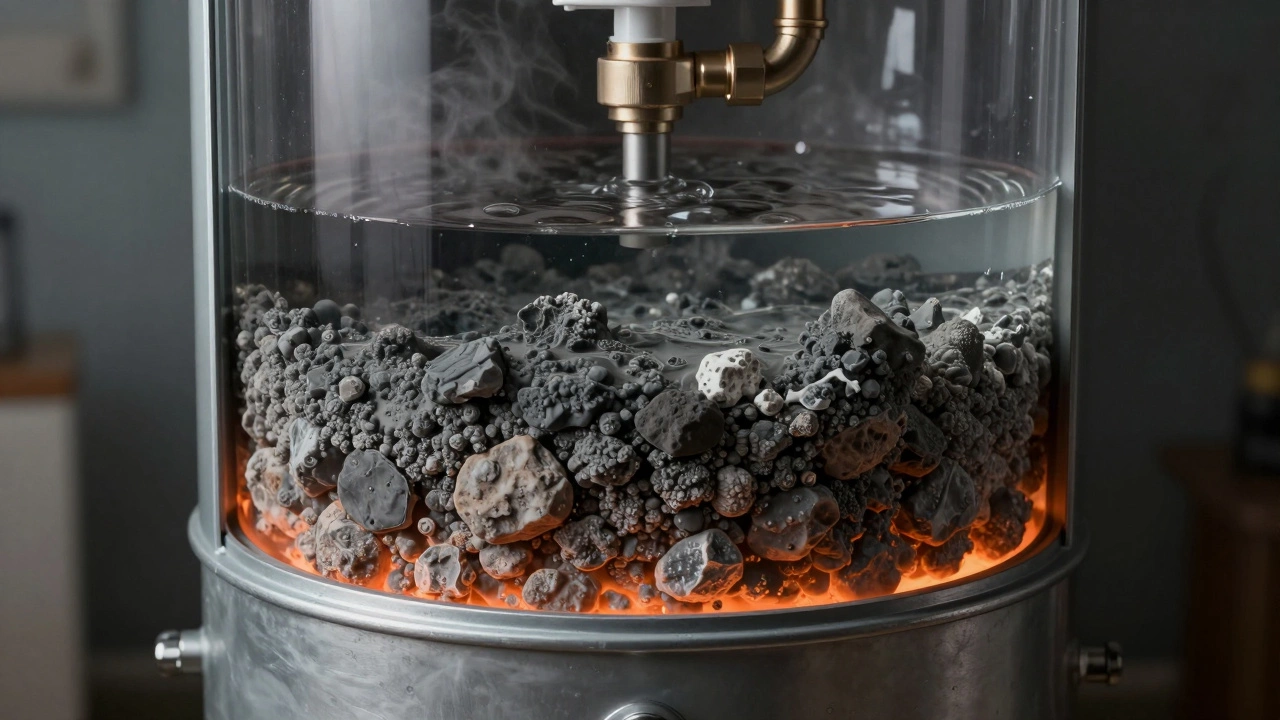
To understand why flushing matters, we need to look at what sinks to the bottom. Every drop of water contains dissolved minerals like calcium and magnesium. When water is heated, these minerals precipitate out of the liquid phase and form solid deposits. This process creates limescale. Over five years of neglect, a standard 50-gallon tank can hold up to three inches of sludge at the bottom.
Sediment Buildup acts as insulation, preventing heat from reaching the bulk water. It consists primarily of calcium carbonate and magnesium salts found in tap water.In areas with harder water sources, this process accelerates significantly. You might notice your shower runs cool even though the dial is on high. This isn't necessarily a thermostat issue; the thermostat reads the temperature of the water near it, but the sediment is blocking the hot water from mixing with the cold water being drawn. Effectively, the heat gets trapped under the sludge. Eventually, the metal surrounding the burner degrades due to excessive temperatures, leading to pinhole leaks.
Impact on Energy Efficiency and Costs
You pay for every degree of heat lost to the ground beneath your floor. When sediment insulates the burner from the water, the gas valve stays open longer or the electric element cycles more frequently to reach the set temperature. This increases the runtime of the appliance. According to energy data, heavy sediment layers can reduce system efficiency by nearly 30%.
Imagine your current weekly power bill increasing just because the heater works double time. For a gas cylinder home in New Zealand, this means higher LPG bills or greater reliance on grid electricity if using a hybrid system. An efficient heater transfers energy directly to the water volume. A blocked heater burns fuel heating the tank itself, which then radiates heat outwardly instead of upward into the supply pipes.

The Role of the Anode Rod
A critical component often overlooked is the sacrificial anode rod. This metal rod hangs inside the tank and attracts corrosive elements before they reach the steel tank walls. It is designed to corrode first, protecting the vessel. However, unflushed sediment buries the anode rod.
Anode Rod serves as a barrier against galvanic corrosion within the storage vessel. Typically made of magnesium, aluminum, or zinc alloys to react with water impurities.If the rod is completely encased in scale, it cannot do its job effectively. Furthermore, a heavily degraded anode rod loses its protective potential prematurely. Without protection, the bare steel of the water tank begins to rust. Rust weakens the structural integrity of the seams. When the tank finally bursts, it releases hundreds of liters of scalding water, causing significant property damage to floors and subfloor timbers.
Pressure and Temperature Risks
Safety valves exist to prevent explosions. The Temperature and Pressure Relief (TPR) valve is mounted on top of the tank. Its job is to release steam or hot water if pressure gets too high. Unflushed heaters raise the operating temperature beyond design limits.
When the bottom of the tank becomes hotter than the water above, thermal expansion occurs unevenly. Metal expands with heat. If the bottom expands differently than the top, stress fractures appear. Additionally, trapped air pockets caused by sediment disrupt water circulation. These pockets get compressed when pressure rises. A stuck TPR valve combined with excessive pressure is a fire hazard in older installations. Regular flushing ensures the valve sees actual water flow during testing and maintains sensitivity.
Signs Your System Needs Attention Immediately
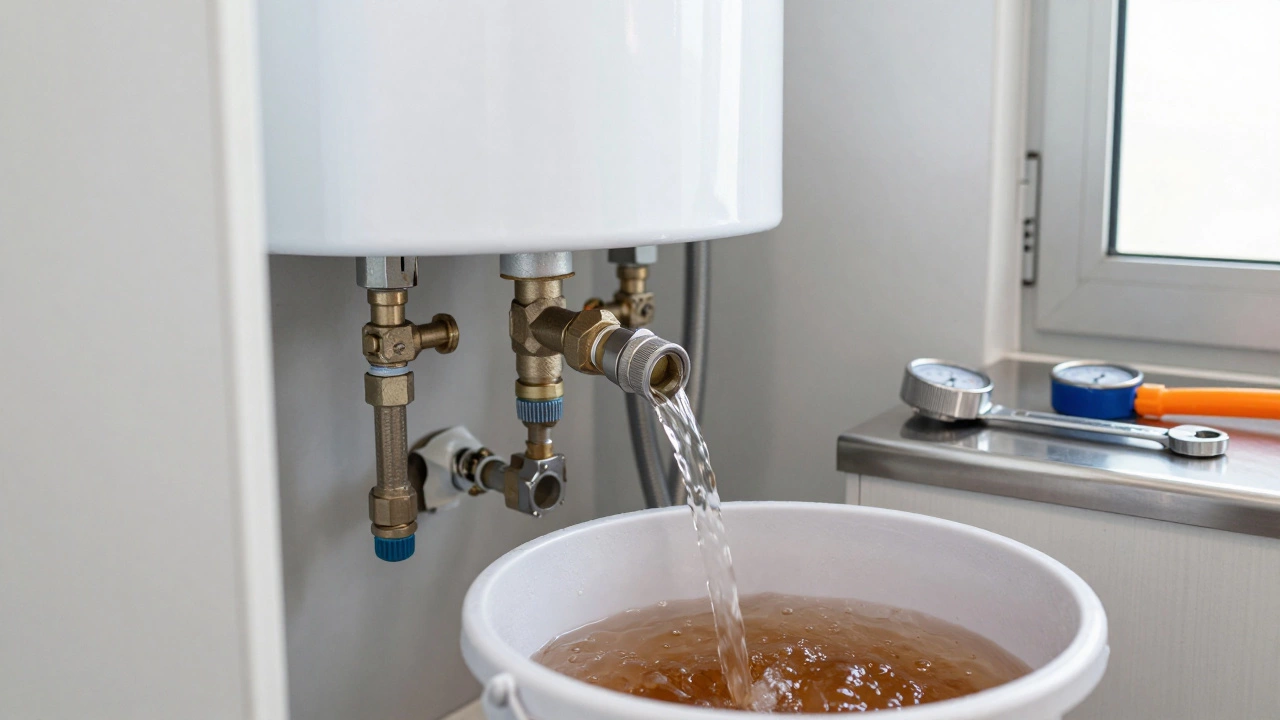
There are clear indicators that your water heater requires immediate service rather than waiting for the annual cycle. First, check the discharge quality. If you try to drain a little water and it comes out brown or rusty, the corrosion is already active. Second, listen for the knocking sounds mentioned earlier. Third, monitor your water pressure. Clogged inlet screens caused by debris moving from the tank reduce overall house pressure.
- Loud rumbling or cracking noises during heating cycles.
- Reduced water temperature despite setting controls higher.
- Discoloured water coming from hot taps only.
- Visible moisture or condensation around the base of the unit.
- Hot water running out faster than usual.
If you spot any of these symptoms, delaying maintenance usually shortens the device life by another year at best. In many cases, professional inspection reveals the anode rod is fully consumed, suggesting a new installation is inevitable soon anyway.
The Flushing Process Explained
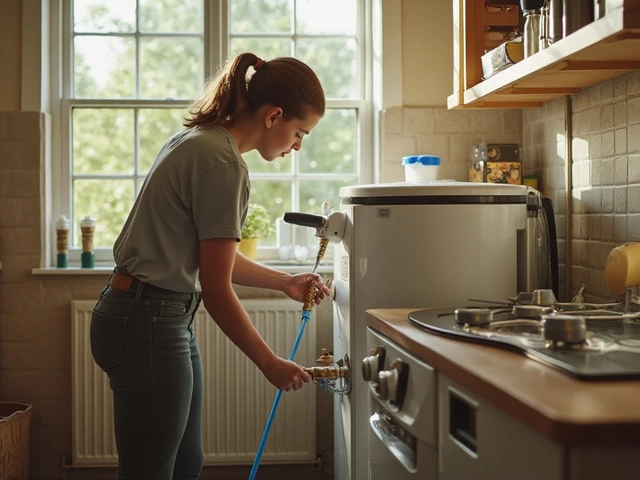
Maintenance involves draining the sediment from the bottom of the vessel. This connects to the drain valve located at the lowest point of the tank. You need a hose to route the dirty water outside or into a floor drain. The process forces fresh water through the sediment, pushing loose particles out.
| Step | Action | Goal |
|---|---|---|
| 1 | Turn off power/gas | Safety shutdown |
| 2 | Close cold water inlet | Prevent refill during drain |
| 3 | Open TPR valve | Break vacuum |
| 4 | Attach hose to drain valve | Direct waste safely |
| 5 | Flush until clear water appears | Remove sediment |
For those unsure about plumbing codes or dealing with older galvanized fittings, hiring a specialist is smarter. Incorrect connections can damage valves or leak internally. Professionals also inspect the TPR valve function while they have access to the lines. They ensure the drain valve closes tightly after use, preventing post-service drips.
DIY vs Professional Maintenance
Homeowners with basic plumbing skills can handle annual flushing. However, if the heater has not been serviced in over ten years, forcing sediment out may dislodge large chunks that clog the dip tube. This restricts cold water entering the top of the tank. In this scenario, opening the tank professionally is necessary to clean out the dip tube assembly without replacing the entire unit.
Specialists bring equipment to bypass sediment blockages gently. They also test for carbon monoxide leaks in gas units where combustion gases might interact with the ventilation system. Since Auckland has specific requirements for gas fitting licenses, relying on licensed professionals ensures compliance with local building codes regarding exhaust venting.