
Extractor Fan Diagnostic & Maintenance Tool
Select the symptoms you are experiencing with your extractor fan.
Select symptoms on the left and click "Analyze Problem" to see recommendations.
Diagnosis:
Recommended Action:
Maintenance Tip:
You cook dinner, the smell of burnt garlic lingers for hours, and your bathroom mirror is foggy again. You reach for the switch on your extractor fan, but instead of a gentle hum, you hear a rattling sound or nothing at all. It’s frustrating. Most people treat these appliances like set-and-forget fixtures until they break completely. But should they actually be serviced?
The short answer is yes. However, "servicing" doesn’t always mean calling a technician with a toolbelt. For most homeowners in Auckland, servicing means doing a deep clean yourself every few months and knowing when it’s time to call a pro for repairs. Ignoring this small appliance can lead to poor indoor air quality, higher energy bills, and even fire hazards in extreme cases.
Why Your Extractor Fan Needs Attention
We often overlook the humble range hood or bathroom vent because it works quietly in the background. But its job is critical. It removes moisture, grease, cooking odors, and airborne particles from your home. When it gets clogged with grime, it stops doing its job effectively.
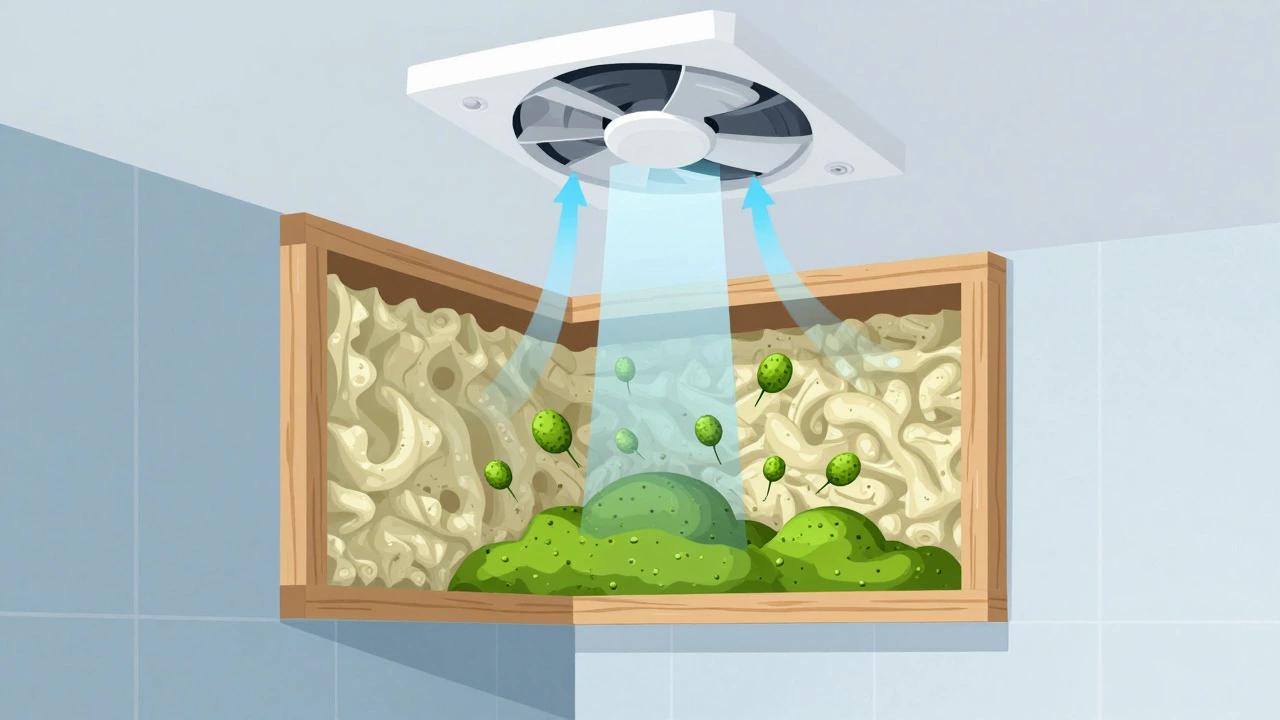
In New Zealand’s humid climate, especially here in Auckland, moisture buildup is a constant battle. If your bathroom extractor fan isn’t pulling air out efficiently, that dampness stays trapped. This creates the perfect environment for mold spores to grow behind tiles and inside wall cavities. Mold isn’t just ugly; it triggers allergies and respiratory issues. A well-serviced fan is your first line of defense against structural damage and health problems.
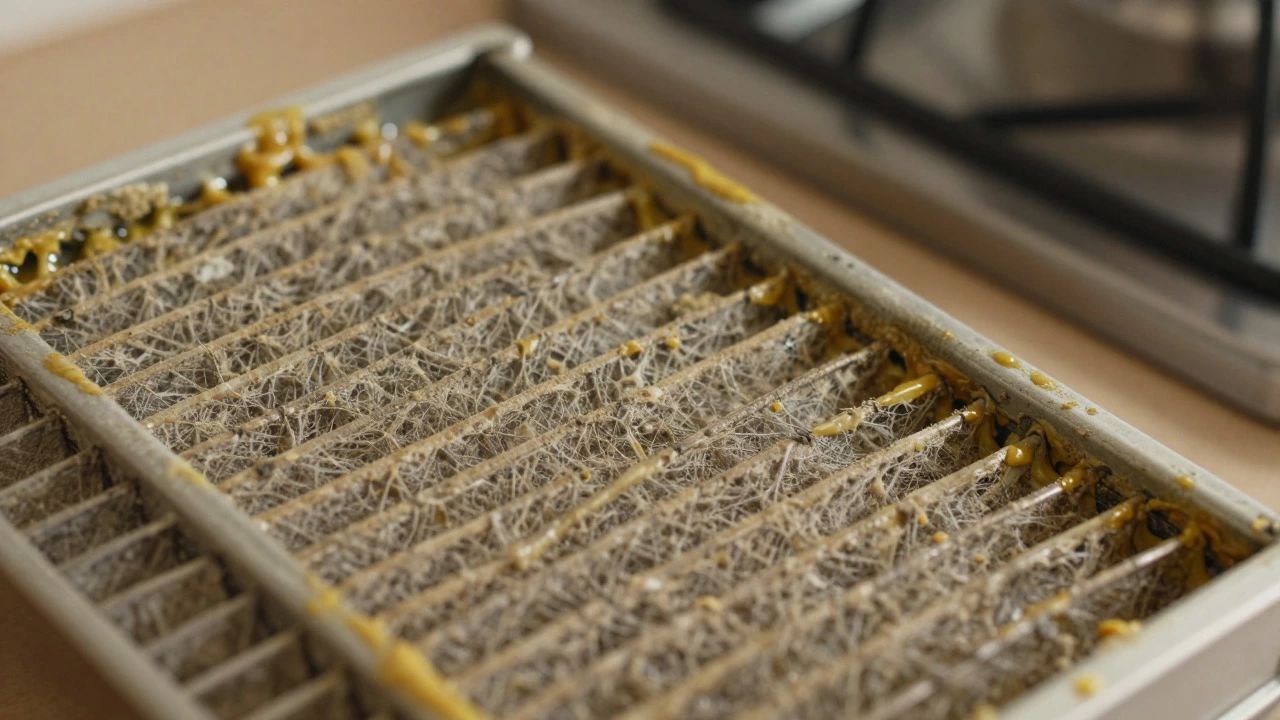
Kitchen hoods face a different enemy: grease. Every time you fry, bake, or grill, microscopic oil particles fly into the air. Without a functioning filter system, this grease coats the fan blades, the motor housing, and the ductwork. Grease is flammable. While rare, a thick layer of grease near a hot motor or light bulb increases fire risk. More commonly, it just makes your kitchen smell stale and causes the fan to work harder, burning more electricity.
DIY Maintenance: What You Can Do Yourself
Before you spend money on a professional service call, check if a simple cleaning solves the problem. Most extractor fan issues are caused by blockages, not mechanical failure. Here is how to handle the basics.
Cleaning the Filters
The mesh filters in kitchen hoods trap grease. Over time, they become saturated. If you haven’t cleaned them in six months, they’re likely blocked. Pull them out and soak them in warm water with dish soap. For tough grease, add some baking soda or use an oven cleaner spray (check the label first). Let them soak overnight, scrub gently with a soft brush, rinse, and let them dry completely before putting them back. Charcoal filters in ductless models cannot be washed; they need replacing every three to twelve months depending on usage.
Checking the Blades and Housing
If your fan is noisy, look at the impeller blades. Dust and lint accumulate on the edges, causing imbalance. Use a vacuum cleaner with a brush attachment to suck up loose dust. For stuck-on grime, use a microfiber cloth dipped in vinegar or mild detergent. Be careful not to bend the blades, as this will cause vibration and noise.
Inspecting the Ductwork
If your fan vents outside, check the outlet cap. Birds’ nests, leaves, or cobwebs can block the exit. In Auckland, we see plenty of wasp nests forming in summer. Clear any obstructions from the exterior vent. If you have flexible ducting inside the ceiling, it might be kinked or sagging, restricting airflow. Straighten it if possible.
When to Call a Professional Technician
Sometimes, wiping down the blades isn’t enough. There are specific signs that indicate internal wear and tear requiring expert intervention. Recognizing these early can save you from buying a brand-new unit.
- Persistent Noise: If cleaning doesn’t stop the grinding, screeching, or loud humming, the bearings might be worn out. Bearings are sealed components that usually require motor replacement rather than repair.
- Weak Airflow: If the fan runs but barely moves air, the motor could be losing power, or there could be a significant blockage deep in the ducting that you can’t reach.
- Burning Smell: A faint smell of overheating plastic or wire insulation means the motor is struggling. Turn it off immediately. This is a safety hazard.
- Intermittent Operation: If the fan starts and stops randomly, or only works on certain speeds, the capacitor or switch mechanism might be failing.
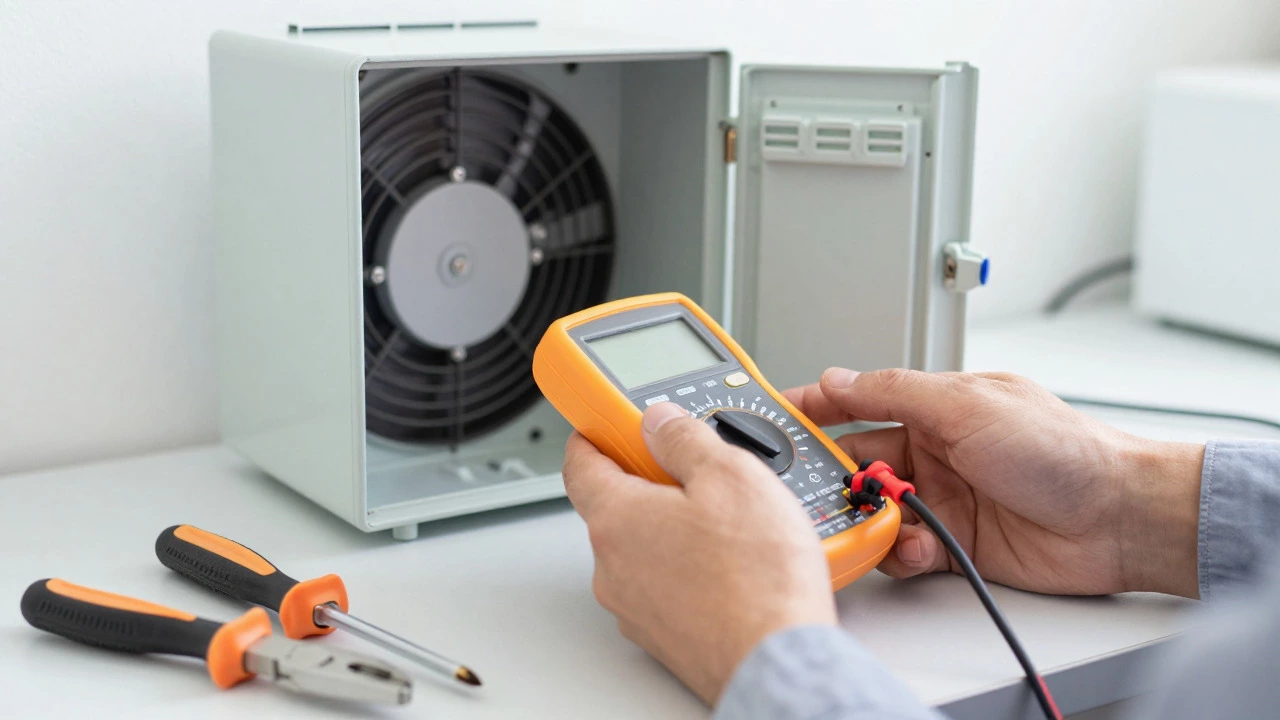
A professional technician has the tools to disassemble the unit safely, test electrical components with a multimeter, and replace parts like motors or capacitors. They can also check the integrity of your wiring, which is crucial for older homes where electrical standards may not meet current codes.
Common Problems and Their Fixes
Understanding what goes wrong helps you decide whether to fix it yourself or hire help. Here are the most frequent issues we see in extractor fan repairs.
| Problem | Likely Cause | Solution |
|---|---|---|
| Fan won't turn on | Tripped breaker, faulty switch, or dead motor | Check fuse box. Test switch with a multimeter. Replace motor if needed. |
| Loud grinding noise | Worn bearings or debris in impeller | Clean impeller. If noise persists, replace motor assembly. |
| Vibration/Shaking | Bent blade or loose mounting screws | Tighten screws. Straighten or replace bent blades. |
| Moisture leaking indoors | Blocked condensate drain or poor sealing | Clear drain pipe. Re-seal duct connections with silicone. |
| Constant running | Stuck timer or faulty humidity sensor | Reset timer. Replace sensor module or switch. |
How Often Should You Service an Extractor Fan?
There is no single rule, but frequency depends on usage. For a family that cooks daily, clean the kitchen filters every month and do a deep clean every three months. Bathroom fans should be checked quarterly, especially during winter when humidity is high.
Professional servicing is recommended annually for commercial kitchens due to strict health and safety regulations. For residential homes, a professional check-up every two to three years is sufficient unless you notice performance drops sooner. Think of it like changing your car’s oil. You don’t wait for the engine to seize; you maintain it to prevent catastrophic failure.
Signs It’s Time to Replace, Not Repair
Repair costs can add up. If your extractor fan is over ten years old, consider replacement. Modern fans are quieter, more energy-efficient, and often come with better filtration technology. Older models lack variable speed controls and smart sensors that adjust airflow based on heat or steam levels.
If the cost of a new motor exceeds half the price of a new unit, buy new. Also, if the housing is rusted or cracked, repair isn’t worth it. Rust compromises structural integrity and can contaminate the air you breathe. Upgrading to a newer model can also improve your home’s ventilation rating, which is increasingly important for building compliance and resale value in New Zealand.
Choosing the Right Replacement Parts
If you opt for repair, ensure you get genuine or compatible parts. Cheap universal motors might fit but often run louder and burn out faster. Check the model number on the backplate of your fan. Search online for the specific part diagram. Many manufacturers provide exploded views showing exactly which component fails and what replacement number to order.
For electrical components, always match the voltage and wattage ratings. Using a higher-wattage motor can overload the existing wiring. If you’re unsure, consult an electrician. Safety first. Electricity and moisture are a dangerous mix, so never attempt electrical repairs while the power is on.
Preventive Tips for Longevity
Extend the life of your extractor fan with these simple habits:
- Use the right settings: Don’t blast the highest speed for light cooking. Use low or medium settings to reduce wear on the motor.
- Keep it clean: Wipe down the exterior and filters regularly to prevent grease buildup.
- Ensure proper installation: Make sure the ducting is straight and short. Long, winding ducts restrict airflow and strain the motor.
- Listen to it: Pay attention to changes in sound. Early detection of bearing wear saves money later.
- Turn it off after use: Leave the fan running for 10-15 minutes after cooking to clear residual steam, then turn it off. Running it unnecessarily wastes energy.
Environmental Impact of Proper Maintenance
A poorly maintained extractor fan uses more electricity to move the same amount of air. By keeping it clean and efficient, you reduce your carbon footprint. Additionally, extending the lifespan of your appliance through regular servicing reduces electronic waste. Fewer units ending up in landfills means less environmental harm. In Auckland, where sustainability is a growing priority, maintaining your home appliances is a small but meaningful contribution to green living.
Final Thoughts on Extractor Fan Care
Should extractor fans be serviced? Absolutely. But don’t overcomplicate it. Start with DIY cleaning. Monitor performance. Call a pro when things go beyond a simple wipe-down. Regular attention keeps your air fresh, your home dry, and your wallet happy. Don’t wait for the smoke alarm to go off-take care of your ventilation today.
How much does it cost to service an extractor fan?
DIY cleaning costs almost nothing-just soap and water. Professional servicing typically ranges from $80 to $150 NZD for a basic inspection and clean. Repairs involving motor replacement can cost between $200 and $400 depending on the model and part availability.
Can I clean my extractor fan without removing it?
Yes, for surface cleaning. You can wipe the exterior and accessible blades with a damp cloth. However, for a thorough clean, removing the filters and possibly the front panel is necessary to reach grease buildup inside the housing. Always turn off the power before attempting any removal.
Why is my extractor fan making a buzzing noise?
A buzzing noise often indicates a loose component, such as a mounting screw or a detached baffle filter. It can also signal electrical issues like a failing capacitor. Tighten all visible screws first. If the buzz persists, unplug the unit and contact a technician to check the motor and wiring.
Do bathroom extractor fans need filters?
Most standard bathroom extractor fans do not have washable filters like kitchen hoods. They rely on a simple grille to keep large debris out. However, some high-end models include anti-mold or carbon filters that need periodic replacement. Check your user manual to confirm if your model has removable filters.
Is it safe to use a wet/dry vacuum to clean an extractor fan?
It can be risky. If the fan is unplugged and you are careful, a vacuum with a brush attachment can remove loose dust. Avoid using liquids directly on the motor housing. Never use a wet vacuum on live electrical components. For deep cleaning, hand washing with soapy water is safer and more effective for grease.