
Appliance Service Cost Estimator
Estimate Your Maintenance Costs
Select the appliances you own to calculate recommended annual service frequency and estimated costs.
Service Summary
| Appliance | Avg. Service Cost | Frequency |
|---|
Estimated Total Annual Service Cost
*Estimates based on Auckland averages ($80-$150 per visit). Actual costs vary by provider and complexity.
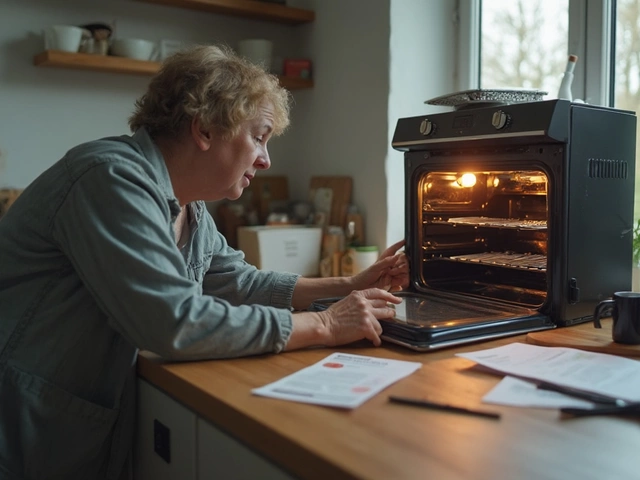
Your washing machine starts making a sound like a jackhammer. Your fridge stops keeping food cold. In moments like these, you’ve likely heard the term appliance service. But what does it actually mean? Is it just another word for fixing things? Or is there more to it?
Many people use "repair" and "service" interchangeably, but they are not the same thing. Understanding the difference can save you money, extend the life of your gadgets, and prevent small issues from becoming expensive disasters. Let’s break down exactly what appliance service means, why it matters, and how to get the most out of it.
The Core Definition: More Than Just Fixing
At its simplest, appliance service is the professional care, maintenance, and repair of household machines to ensure they function safely and efficiently. Think of it like going to the doctor. A repair is treating an infection when you’re already sick. Service is the annual check-up that keeps you healthy in the first place.
When you book an appliance service, a technician doesn’t just swap out a broken part. They inspect the entire system. They look for wear and tear on belts, clean out clogged filters, check electrical connections, and test safety sensors. This holistic approach ensures that the appliance runs at peak performance, not just that it turns on.
In New Zealand, where energy costs can be high, efficient appliances matter. A serviced heat pump or dryer uses less power than a neglected one. So, service isn’t just about avoiding breakdowns; it’s about saving on your electricity bill every month.
Service vs. Repair: Knowing the Difference
Confusion between these two terms is common. Here is the practical distinction:
- Repair is reactive. Something has broken. The goal is to restore basic function. Example: Replacing a broken door hinge on a dishwasher.
- Service is proactive or comprehensive. The goal is optimization and longevity. Example: Cleaning the condenser coils on a fridge, checking the compressor health, and ensuring the seals are tight.
You might call for a repair when your oven won’t light. You might schedule a service annually for your boiler to ensure it burns gas safely. Often, a service visit includes minor repairs, but a repair job rarely includes full servicing.
If you only ever do repairs, you’re playing catch-up. You’re waiting for the worst-case scenario. If you incorporate regular service, you’re managing the asset. For expensive items like heat pumps or built-in cookers, this mindset shift pays off quickly.
Key Components of a Professional Service Visit
What actually happens when a technician arrives? It varies by appliance, but most thorough services include these steps:
- Visual Inspection: Checking for rust, leaks, loose wires, or damaged cords.
- Cleaning: Removing lint from dryer vents, descaling kettles and dishwashers, or cleaning filter meshes in washing machines.
- Performance Testing: Running cycles to check temperature accuracy, spin speeds, or heating efficiency.
- Safety Checks: Ensuring gas lines are sealed (for hobs and boilers) and electrical grounds are secure.
- Lubrication: Oiling motors or bearings if required by the manufacturer.
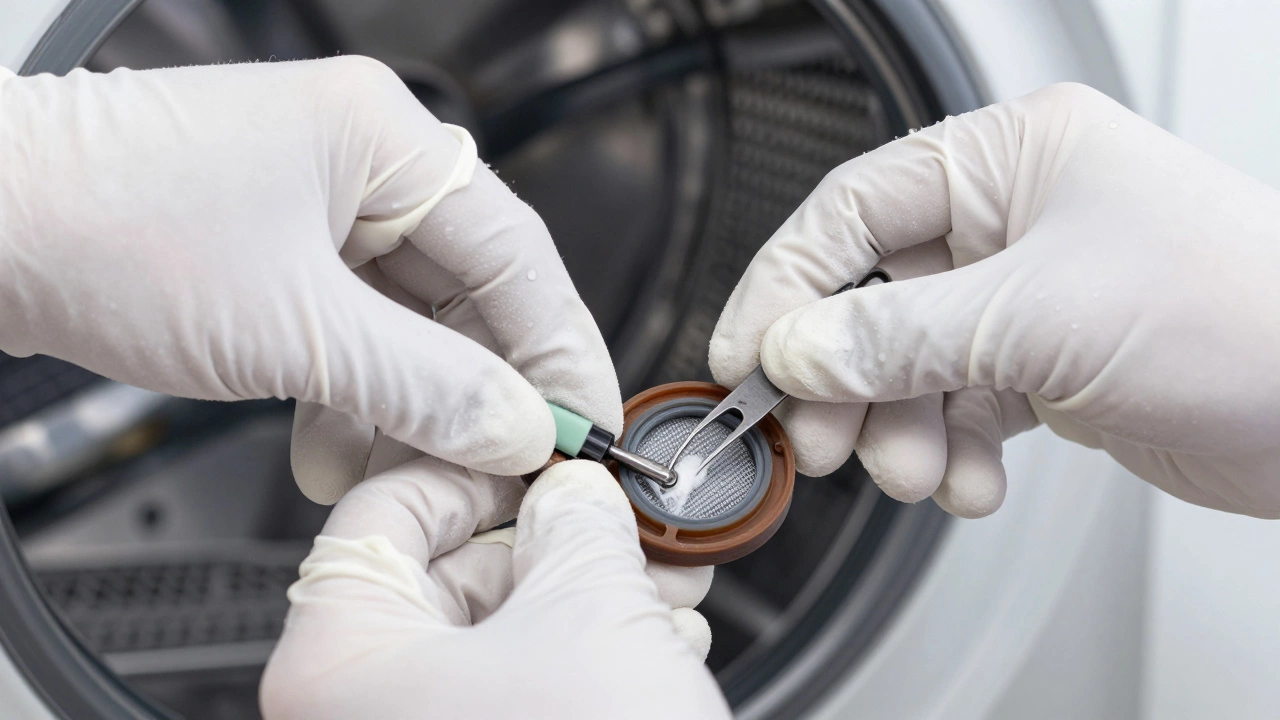
For example, a proper washing machine service involves removing the drum seal to clean out mold and debris. Most DIYers skip this step. Over time, that buildup causes bad smells and motor strain. A technician handles it properly, extending the machine's life by years.
Which Appliances Need Regular Service?
Not every gadget needs a yearly tune-up. Your toaster probably doesn’t. But complex mechanical systems do. Here are the top candidates for regular service in a typical Auckland home:
| Appliance | Recommended Frequency | Why It Needs Service |
|---|---|---|
| Heat Pump | Every 6-12 months | Dust reduces cooling/heating efficiency by up to 30%. Filters need deep cleaning. |
| Boiler | Annually | Safety critical. Carbon monoxide risks must be checked. Sediment builds up in tanks. |
| Washing Machine | Every 12-18 months | Drum seals trap moisture and mold. Bearings wear out slowly. |
| Extractor Fan | Every 12 months | Grease buildup blocks airflow, causing kitchen fires and odors. |
| Water Heater | Every 2 years | Anode rods degrade. Sediment causes overheating and noise. |
Notice that gas appliances like boilers and hobs require certified technicians. In New Zealand, working on gas appliances without a license is illegal and dangerous. Electrical appliances can often be serviced by general electricians or specialized appliance techs.
The Cost-Benefit Analysis: Is It Worth It?
Let’s talk money. A standard appliance service call in Auckland might cost between $80 and $150 depending on the complexity. A full repair can range from $200 to $500+. Buying a new mid-range washing machine costs around $800-$1200.
If you skip service, you risk:
- Higher Energy Bills: A dirty heat pump works harder, costing you more per degree of heating.
- Premature Failure: Small vibrations from unbalanced drums destroy bearings over time.
- Voided Warranties: Many manufacturers require proof of annual servicing to honor warranties.
Conversely, regular service extends lifespan. A well-maintained Bosch dishwasher can last 15 years. A neglected one might fail in seven. The math usually favors prevention. You pay a small fee now to avoid a large replacement cost later.
DIY Maintenance vs. Professional Service
You can do some maintenance yourself. Cleaning the lint trap in your dryer is easy. Descaling your kettle takes five minutes. These tasks keep things running smoothly between professional visits.
However, DIY has limits. Opening the back panel of a microwave exposes high-voltage capacitors that can shock you even when unplugged. Adjusting gas pressure on a hob requires calibrated tools and legal certification. Trying to fix a complex error code on a smart fridge often requires proprietary diagnostic software.
Use this rule of thumb: If it involves gas, high voltage, or sealed refrigerant systems, call a pro. If it involves filters, surfaces, and simple parts, you can handle it.
How to Choose a Reliable Technician
Not all service providers are equal. Some are authorized dealers with genuine parts. Others are independent handymen. Both have pros and cons.
Authorized centers charge more but use original components. Independent techs may offer better prices and faster response times. Always check for:
- Insurance: Ensure they carry public liability insurance in case they damage your home.
- Reviews: Look for recent feedback on platforms like Google or TradeMe Services.
- Specialization: A specialist in oven repair will know your brand better than a generalist who fixes everything from laptops to fridges.
In Auckland, look for technicians familiar with local water conditions. Hard water affects washing machines and dishwashers differently than soft water. A good tech will adjust their advice based on your specific environment.
Signs You Need Immediate Service
Don’t wait for the annual calendar reminder. Watch for these red flags:
- Unusual Noises: Grinding, screeching, or banging sounds indicate mechanical stress.
- Burning Smells: Could signal electrical shorts or overheating motors.
- Leaking Water: Even small drips can cause mold and structural damage.
- Increased Runtime: If your dryer takes twice as long to dry clothes, the vent is likely blocked.
- Error Codes: Modern appliances display codes. While you can look them up online, persistent errors need professional diagnosis.
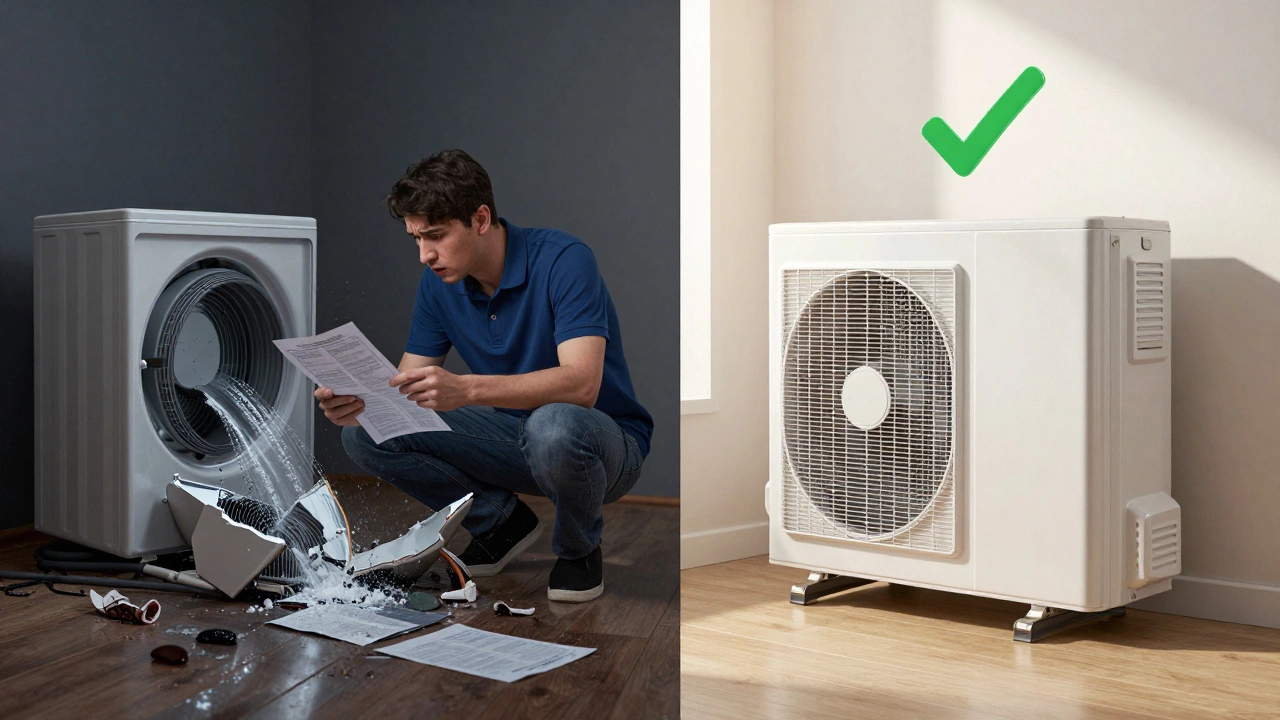
Ignoring these signs turns a $100 service into a $1000 replacement. Listen to your appliances. They tell you when they’re struggling.
The Future of Appliance Care
Technology is changing how we service homes. Smart appliances now send alerts directly to your phone when something goes wrong. Some models even order their own replacement parts. Remote diagnostics allow technicians to identify issues before arriving, bringing the right tools and parts on the first visit.
This shift makes service faster and more accurate. Instead of guessing what’s wrong, the tech knows. For consumers, this means less downtime and fewer surprise costs. As more homes in New Zealand adopt connected devices, expect service models to become more predictive rather than reactive.
How much does an appliance service cost in Auckland?
Costs vary by appliance type and provider. Generally, expect to pay between $80 and $150 for a standard service visit. Complex systems like heat pumps or gas boilers may cost slightly more due to safety checks and certification requirements. Always ask for a quote upfront.
Can I service my own washing machine?
You can perform basic maintenance like cleaning filters and wiping down seals. However, deep servicing involving drum removal, bearing checks, or electronic board diagnostics should be left to professionals. Incorrect reassembly can void warranties and cause further damage.
Is appliance service covered by warranty?
Usually, no. Warranties cover defects in materials or workmanship, not routine maintenance. In fact, many warranties require proof of annual servicing to remain valid. Check your specific manufacturer’s terms, as some premium brands offer extended service plans.
How often should I service my heat pump?
Every 6 to 12 months is recommended. Heat pumps collect dust and pollen quickly, which reduces efficiency. In coastal areas like Auckland, salt air can corrode components faster, so more frequent checks may be beneficial during winter usage peaks.
What is the difference between authorized and independent service?
Authorized service centers use genuine OEM parts and follow strict manufacturer protocols, which is crucial for warranty claims. Independent technicians may offer lower rates and faster availability but might use aftermarket parts. Choose based on your appliance’s age and warranty status.