
Dishwasher Fault Diagnostic Tool
Check all that apply:
Select Symptoms & Click Diagnose
The tool will analyze your inputs and provide a customized diagnosis with repair guidance.
There is nothing quite as frustrating as opening your dishwasher at the end of a cycle only to find a pool of grey water sitting at the bottom. Or worse, discovering that your plates are still covered in food residue despite running for two hours. If you have ever faced this scenario, you are not alone. Dishwashers are complex machines that combine electricity, plumbing, and chemistry, which means there are many points where things can go wrong.
But if you are looking for a single answer to the question what is the most common dishwasher fault, it usually comes down to one thing: a blockage. Whether it is a clogged filter, a blocked spray arm, or a restricted drain hose, poor water flow is the root cause of the majority of service calls. However, understanding *why* the blockage happened and how to fix it requires looking at the specific components involved.
The #1 Culprit: The Clogged Filter and Spray Arms
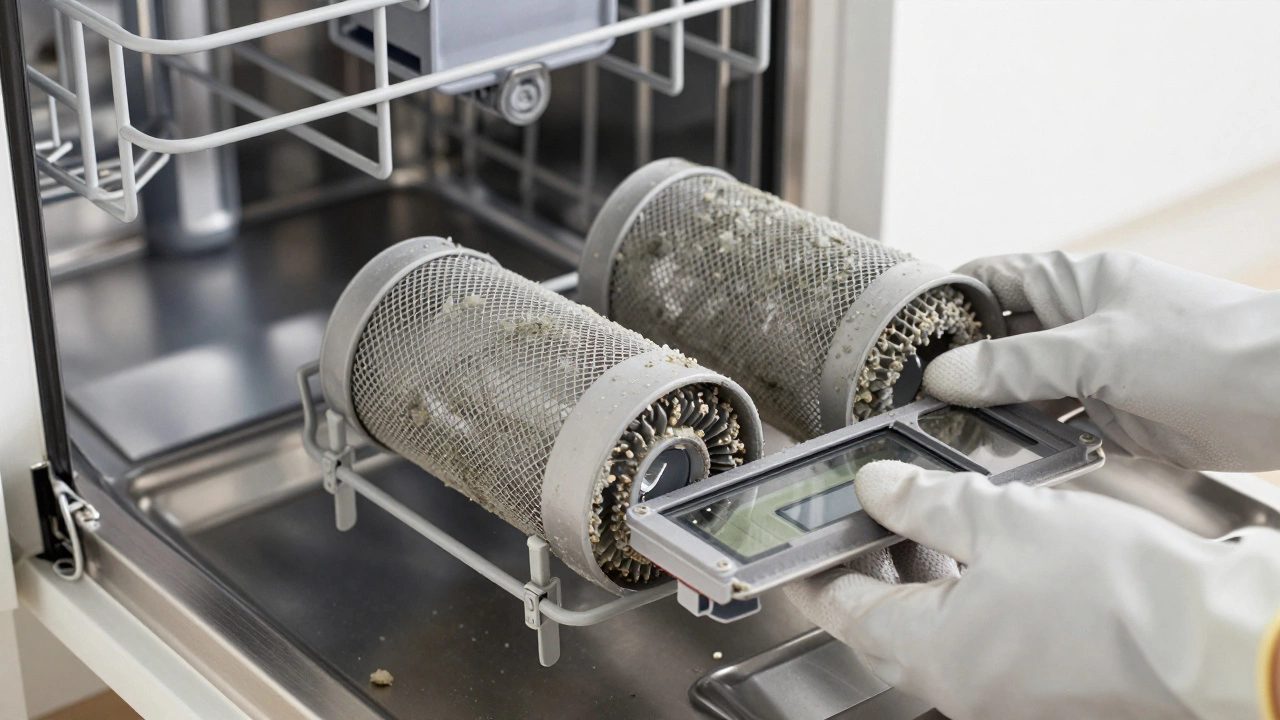
In modern dishwashers, especially those popular in New Zealand and Europe, self-cleaning pumps are rare. Instead, manufacturers rely on manual filters to protect the expensive circulation pump. When these filters get packed with grease and food matter, water cannot circulate properly. This leads to dirty dishes and, eventually, drainage issues because the pump struggles to push water through the sludge.
Here is what you need to check:
- The Mesh Filter: This is the cylindrical part that twists out. Rinse it under hot water with a brush. If it looks black or slimy, it needs immediate cleaning.
- The Flat Screen Filter: Often located underneath the mesh filter, this catches larger debris. Lift it out and rinse it.
- The Spray Arms: These rotating arms distribute water. Look at the small holes on the top and bottom arms. Are they clogged with rice grains, coffee grounds, or seed shells? Use a toothpick or a pin to clear them. Blocked holes mean uneven washing.
If your dishes are coming out dirty but the machine drains fine, start here. It takes five minutes and solves about 40% of "broken" dishwasher complaints.
Drainage Problems: Why Water Stays Inside
If your dishwasher finishes its cycle but leaves standing water at the bottom, the issue is likely downstream from the filter. The water has nowhere to go. This is the second most common fault category.
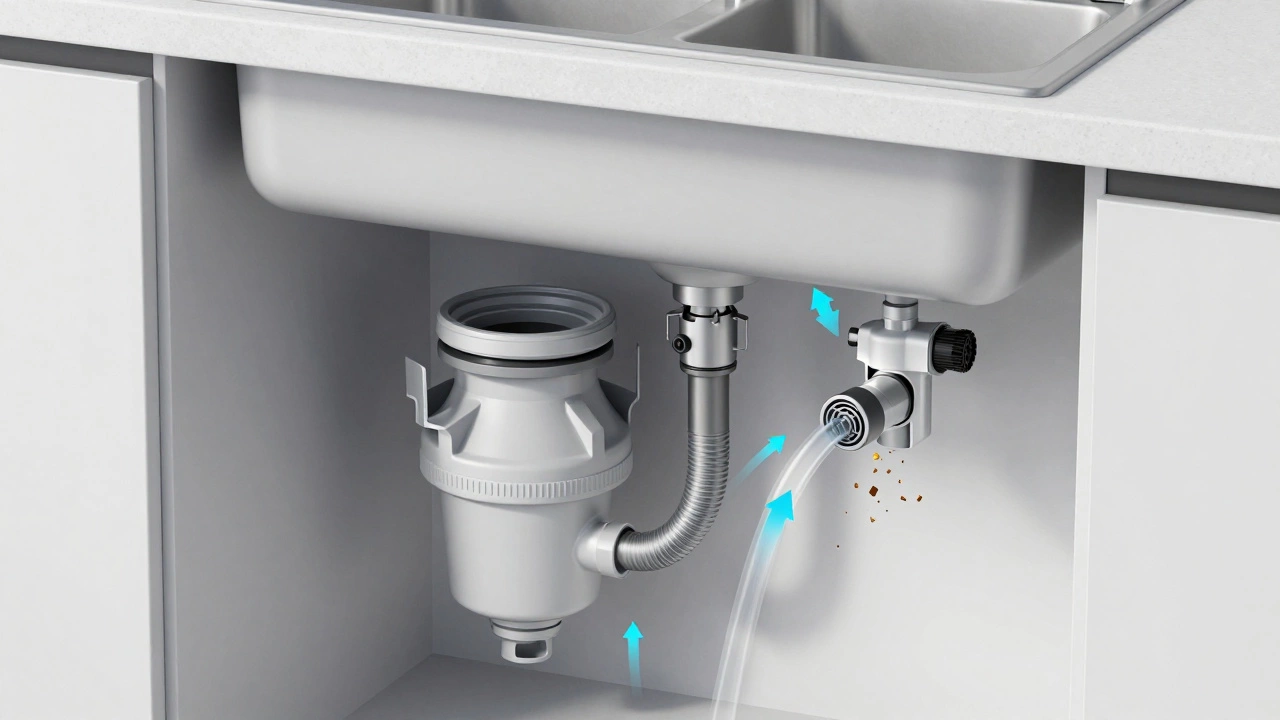
Water exits the dishwasher through a drain pump. Before it reaches the pump, it passes through a drain hose. In many homes, this hose connects to the garbage disposal unit or directly to the sink’s P-trap. If the garbage disposal is clogged, the dishwasher backs up. You might notice gurgling sounds when the disposal runs, or even smell sewage coming from the kitchen sink.
Another frequent offender is the air gap. In some installations, an air gap device is mounted on the countertop near the faucet. This prevents dirty water from flowing back into the clean water supply. If this air gap gets clogged with debris, the dishwasher cannot drain. Unscrew the cap on the air gap and flush it with water to clear any blockages.
If the hose and air gap are clear, the problem might be the drain pump itself. Food particles like olive pits or bone fragments can jam the impeller inside the pump. You will often hear a humming noise that stops abruptly, indicating the motor is trying to spin but is stuck. In this case, you may need to access the pump housing (usually behind a kickplate) to remove the obstruction. If the impeller spins freely by hand but the pump still doesn’t work, the motor itself may have failed.
Leaking Water: Finding the Source
A puddle around the base of your dishwasher is alarming, but it doesn’t always mean a catastrophic failure. Leaks generally come from three places: the door seal, the inlet valve, or internal hoses.
The Door Gasket: Inspect the rubber seal around the door. Is it cracked, torn, or pushed out of place? Even a small tear can let water escape during the high-pressure wash cycles. Wipe the seal clean; sometimes soap scum prevents a tight closure, causing leaks.
The Inlet Valve: Located at the bottom front of the machine, this valve controls water entry. If the screen inside the valve gets clogged with sediment from your home’s water supply, it can cause erratic filling or overflow. Additionally, if the valve diaphragm fails, it might leak internally or externally.
Tub Cracks: Less common but possible, especially in older units. Check the plastic tub for hairline cracks, particularly around the corners or where the racks slide. A crack here will leak continuously, regardless of the cycle stage.
Electrical and Control Issues
Sometimes the mechanical parts are fine, but the brain of the operation is confused. If your dishwasher won’t start, makes no noise, or displays error codes, the issue is electrical.
The Door Latch Switch: Dishwashers have a safety switch that prevents operation if the door isn’t fully closed. If this switch breaks or gets misaligned, the machine thinks the door is open. You might see the control lights flash, or the machine simply won’t power on. Try closing the door firmly and listening for a click. If the latch feels loose, it may need replacement.
The Control Board: Modern dishwashers use electronic control boards. Moisture intrusion, power surges, or age can cause these boards to fail. Symptoms include unresponsive buttons, random error codes, or the machine stopping mid-cycle. While control boards can be replaced, they are often expensive relative to the value of an older dishwasher. In such cases, replacing the entire unit might be more cost-effective.
Error Codes: Many brands use specific light patterns or alphanumeric codes to diagnose faults. For example, a flashing "E:" code might indicate a water temperature issue, while "F:" could signal a drain problem. Consult your user manual to decode these messages. They save time by pointing directly to the faulty component.
Why Dishes Aren't Getting Clean
Cleanliness is the primary job of a dishwasher. If it fails here, the frustration is immediate. Beyond clogged filters and spray arms, several other factors contribute to poor cleaning performance.
Water Temperature: Dishwashers rely on hot water to dissolve detergent and sanitize dishes. The ideal inlet water temperature should be between 50°C and 60°C (120°F - 140°F). If your water heater is set too low, the dishwasher’s internal heating element has to work overtime, and it might not reach the necessary temperature before the cycle ends. Run your hot water tap until it’s steaming hot before starting the dishwasher to ensure it starts with warm water.
Detergent Type and Quality: Not all detergents are created equal. Pods, powders, and gels perform differently based on water hardness. In areas with hard water (common in parts of Auckland), minerals like calcium and magnesium can interfere with detergent effectiveness, leaving spots or film on glasses. Using a rinse aid can help water sheet off dishes, preventing spots. Also, ensure you are using dishwasher-specific detergent. Regular dish soap creates excessive suds that can overflow and damage the machine.
Loading Technique: How you load the dishwasher matters immensely. Items should face the center so the spray arms can hit them. Avoid nesting bowls together, as this shields surfaces from water. Large pots should not block the spray arm rotation. Proper loading ensures maximum exposure to water and detergent.
When to Call a Professional vs. DIY Fixes
Not every dishwasher fault requires a technician. Simple maintenance tasks like cleaning filters, checking spray arms, and inspecting door seals are easy DIY jobs. Replacing a door latch or inlet valve is also manageable for someone with basic handyman skills, provided you turn off the power and water supply first.
However, call a professional if:
- You suspect a major leak from the tub or internal hoses that you cannot easily access.
- The control board is malfunctioning, and you are uncomfortable working with electronics.
- The drain pump motor has burned out, requiring disassembly of the base pan.
- The dishwasher is under warranty, as DIY repairs might void the coverage.
In Auckland, licensed appliance repair technicians can diagnose these issues quickly. They have access to genuine parts and diagnostic tools that can read detailed error logs from the control board. This saves you from guessing and potentially buying the wrong replacement part.
Preventive Maintenance Checklist
Regular maintenance can extend the life of your dishwasher and prevent most common faults. Follow this simple routine:
- Monthly: Remove and clean the filter assembly. Inspect spray arm holes for clogs.
- Quarterly: Run an empty cycle with a dishwasher cleaner or a cup of white vinegar placed on the top rack to descale and deodorize the interior.
- Annually: Inspect the door gasket for wear and tear. Check the inlet valve screen for sediment buildup.
- Ongoing: Scrape large food scraps off dishes before loading. You don’t need to pre-wash, but removing chunks prevents filter clogging.
By staying proactive, you avoid the stress of emergency breakdowns and keep your dishes sparkling clean. Remember, the most common dishwasher fault is often just neglect. A little attention goes a long way.
What is the most common reason a dishwasher leaks?
The most common reasons for leaks are a damaged or dirty door gasket, a clogged drain pump causing overflow, or a loose/hose connection at the inlet valve. Always check the door seal first, as it is the easiest to inspect and replace.
How do I know if my dishwasher drain pump is broken?
Signs of a bad drain pump include standing water in the bottom of the tub after a cycle, a humming noise that stops abruptly, or error codes related to drainage. If the pump housing is accessible, try spinning the impeller by hand; if it’s stuck or wobbles excessively, the pump likely needs replacement.
Can a clogged filter cause a dishwasher to not start?
Generally, no. A clogged filter affects water circulation and cleaning performance, but it rarely prevents the machine from starting. If your dishwasher won’t start, check the door latch, power supply, and control board instead.
Why does my dishwasher make a loud grinding noise?
A grinding noise usually indicates a foreign object, such as a glass shard or bone fragment, is stuck in the drain pump or circulation pump. Turn off the machine immediately, disconnect power, and inspect the pump area for obstructions.
Is it worth repairing an old dishwasher?
If the repair cost exceeds 50% of the price of a new unit, or if the dishwasher is over 10 years old, replacement is often more economical. Newer models are also more energy-efficient, which can save money on electricity and water bills in the long run.