Washing Machine Symptom Checker
Select the primary symptom you are experiencing to identify the likely faulty component.
What is happening?
Part Name
DifficultyLikely Cause
Description of cause...
Function
What it does...
Select a symptom to begin diagnosis
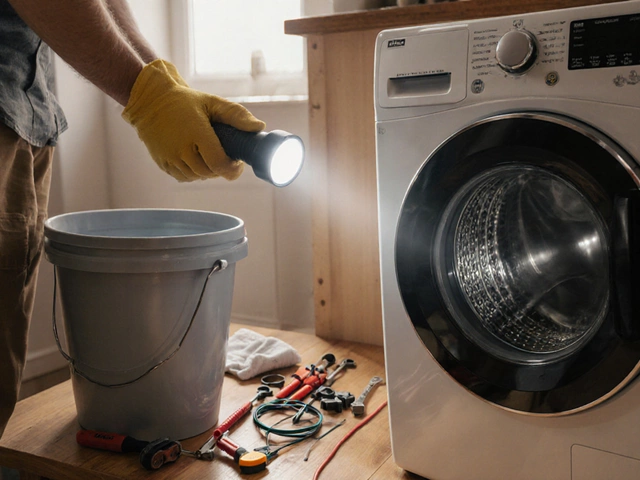
There is nothing quite as frustrating as opening your laundry room to find a pool of water on the floor or hearing a sound that resembles a jet engine taking off. You just wanted clean clothes, not a plumbing emergency or a noise complaint from the neighbors. When a washing machine stops working properly, it usually isn't a catastrophic failure of the entire unit. Instead, specific components wear out over time due to friction, heat, and constant exposure to water and detergents.
Understanding which parts fail most often can save you hundreds of dollars in unnecessary service calls. In many cases, the fix is simple: clearing a clog, replacing a worn belt, or swapping out a cheap sensor. This guide breaks down the most common points of failure in modern washing machines, helping you diagnose the issue before you call a technician.
The Door Seal and Drain Pump: The Usual Suspects for Leaks
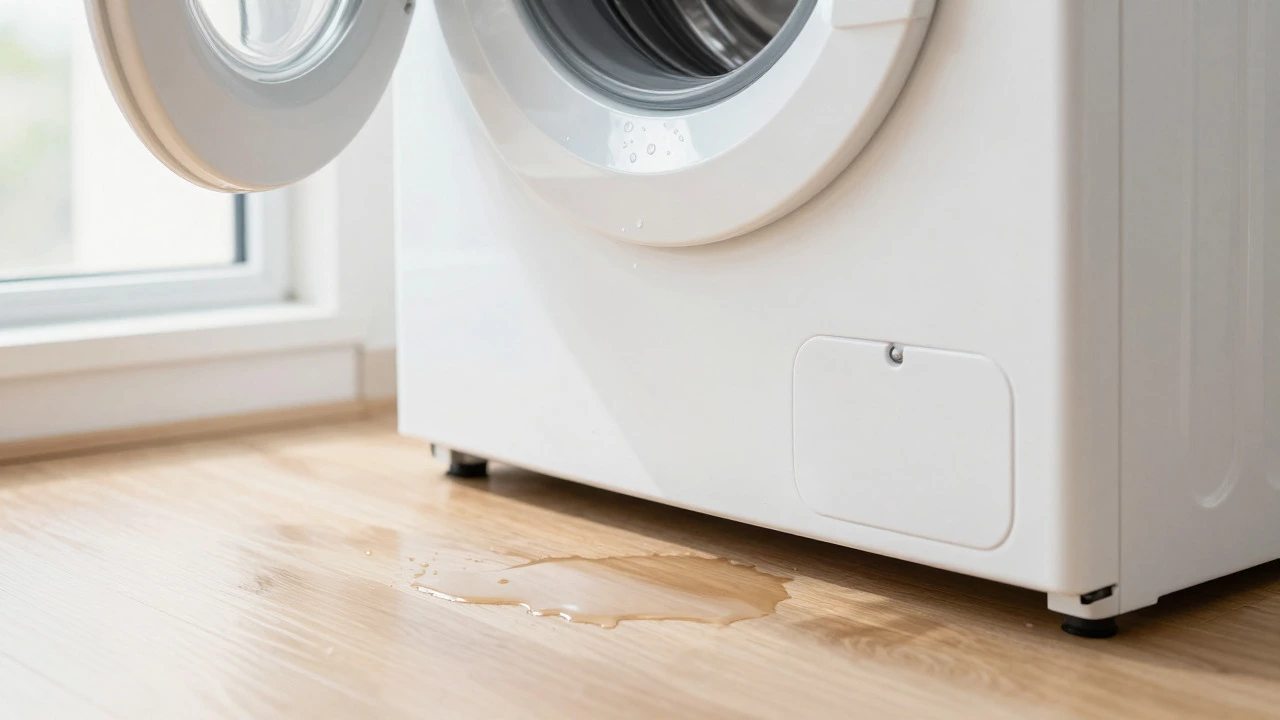
If you are dealing with water on the floor, the first place to look is the front of the machine. The door boot seal, also known as the gasket, is a rubber ring that creates a watertight barrier between the outer tub and the inner drum. Over time, this rubber degrades. It becomes brittle, cracks, or develops small holes. More commonly, debris like lint, hair, and small coins gets trapped behind the seal. This moisture-retaining debris breeds mold and eventually causes the rubber to rot from the inside out, leading to leaks during the wash cycle.
Another frequent culprit for leaks is the drain pump. This component pushes water out of the machine through the drain hose. If the pump housing cracks or the impeller shaft seal fails, water will leak onto the floor, typically pooling under the front bottom panel. You might also notice that the machine drains slowly or not at all. Before assuming the pump motor has burned out, check the pump filter. In Auckland homes, where we often have older plumbing systems, sediment and foreign objects frequently clog these filters, causing the pump to struggle and potentially fail if left unchecked.
Bearings and Bushings: The Source of Loud Noises
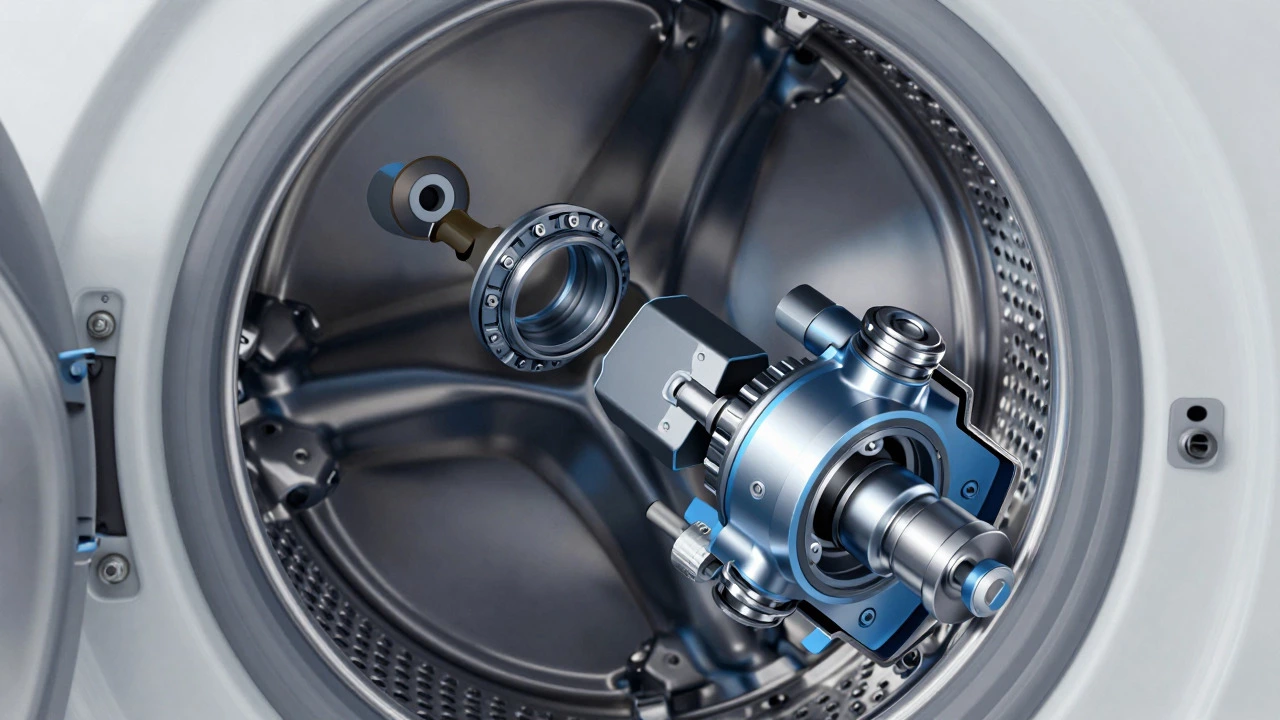
If your washing machine sounds like it’s trying to escape the laundry room, especially during the spin cycle, the problem likely lies in the suspension system or the bearings. The drum bearings support the weight of the wet laundry and allow the inner drum to rotate smoothly at high speeds. These bearings are sealed units filled with grease. Eventually, water penetrates the seals, washing away the lubricant. Once the grease is gone, metal grinds against metal. This creates a roaring or grinding noise that gets louder as the drum spins faster.
Replacing bearings is one of the more labor-intensive repairs because it often requires removing the entire drum assembly from the cabinet. However, ignoring the noise won’t make it go away; it will only lead to further damage to the spider arm (the metal structure holding the drum) or the outer tub. If you hear a rhythmic thumping rather than a roar, the issue might be the shock absorbers or suspension springs. These components dampen the movement of the drum. If they break or lose tension, the drum bounces excessively, banging against the sides of the cabinet.
Belts and Drive Systems: Loss of Power
In many traditional top-load and some front-load models, a rubber belt connects the motor to the transmission or the direct drive pulley. Rubber belts stretch and wear down over years of use. If the belt snaps, the drum will stop turning entirely. You might still hear the motor humming, but the agitator or drum won’t move. Replacing a belt is generally a straightforward task that doesn’t require specialized tools, making it an excellent DIY project for those comfortable with basic mechanics.
Newer high-efficiency models often use a direct drive motor, eliminating the need for a belt. While this reduces moving parts, it shifts the potential point of failure to the motor coupler or the motor itself. If the motor coupler-a plastic piece that connects the motor to the transmission-shears off, the machine will hum but not agitate. This is a safety feature designed to protect the expensive transmission from jamming, but it means you’ll need to replace the coupler to get the machine running again.
Sensors and Control Boards: Electronic Glitches
Modern washing machines are essentially computers with water pumps. They rely on various sensors to monitor temperature, water level, and vibration. The pressure switch (or water level sensor) tells the computer how much water is in the tub. If the air tube connecting the tub to the switch gets clogged with silt, the sensor sends incorrect signals. This can result in the machine filling with too much water, overflowing, or failing to start the spin cycle because it thinks the tub is still full.
Another critical electronic component is the main control board. This is the brain of the appliance. If the board receives a surge of electricity or simply wears out, it may fail to send power to the motor, heater, or valves. Symptoms include error codes displayed on the screen, buttons that don’t respond, or the machine randomly shutting off mid-cycle. While control boards can be replaced, it’s always worth checking the wiring harnesses first. Loose connections or corroded terminals are far cheaper to fix than a new motherboard.
Inlet Valves and Heaters: Water Flow and Temperature Issues
If your clothes come out cold when you selected hot, or if the machine takes forever to fill, the issue is likely with the water inlet valve. This solenoid-controlled valve opens to let water into the machine. Inside the valve, there are screens that can become clogged with rust or sediment from your home’s water supply. In New Zealand, hard water areas can accelerate this buildup. Cleaning the screens often resolves the issue, but if the solenoid coil burns out, the entire valve needs replacement.
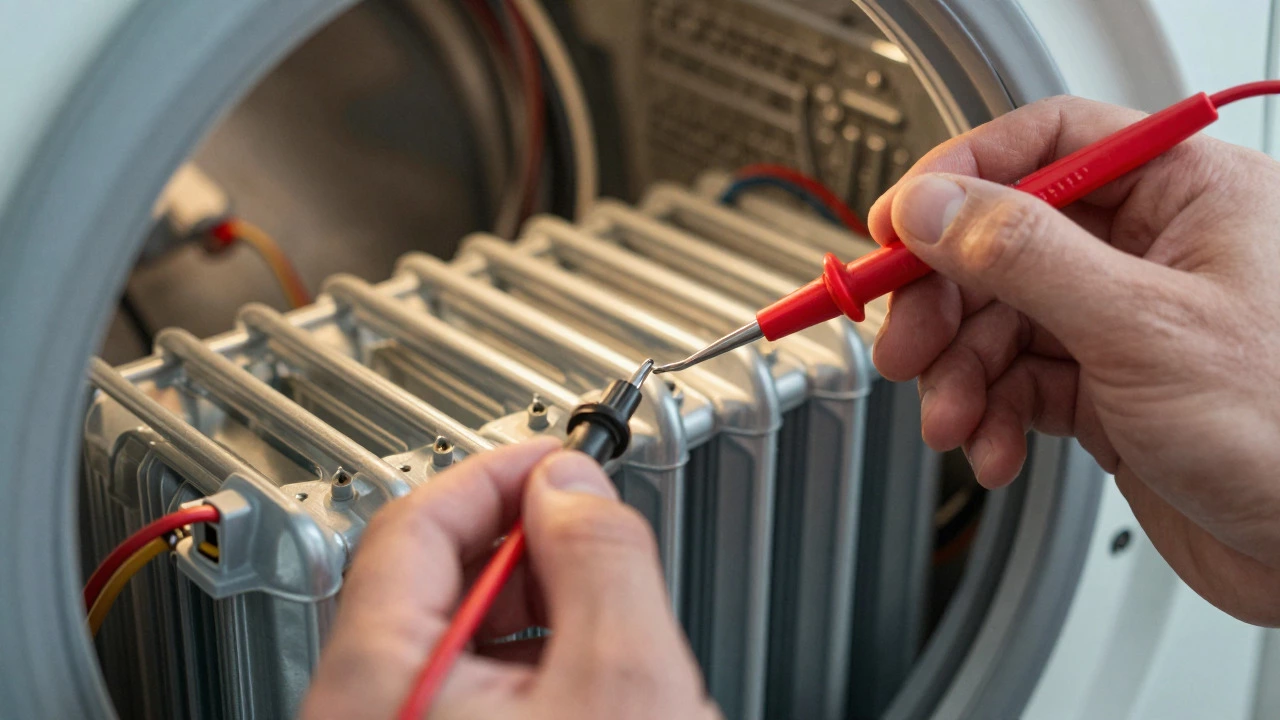
For electric heating elements, the heater element itself can fail. If the element develops a crack or a hole, it will leak water and trip the thermal fuse. Even if it doesn’t leak, a broken heating element means no hot water, regardless of what setting you choose. Testing the element with a multimeter for continuity is the best way to confirm if it needs replacing.
Comparison of Common Washing Machine Failures
| Part Name | Primary Function | Symptoms of Failure | Difficulty Level |
|---|---|---|---|
| Door Boot Seal | Prevents water leakage | Water leaking from front, moldy smell | Moderate |
| Drain Pump | Removes water from tub | Leaking under machine, poor drainage, error codes | Easy to Moderate |
| Drum Bearings | Supports drum rotation | Loud roaring/grinding noise during spin | Hard |
| Drive Belt | Connects motor to drum | Drum doesn’t turn, motor hums | Easy |
| Pressure Switch | Monitors water level | Overfilling, won’t spin, wrong water levels | Moderate |
| Heater Element | Heats wash water | Cold wash only, tripped breaker, leaking | Moderate |
When to Call a Professional vs. DIY
Not every repair requires a technician. Tasks like cleaning the pump filter, replacing a drive belt, or swapping a door seal are manageable for most homeowners with basic tools and a willingness to watch tutorial videos. However, electrical work involving the main control board or complex mechanical disassembly for bearing replacement often warrants professional help. If you are unsure about disconnecting power safely or if the repair involves lifting heavy components like the drum assembly, hiring a certified appliance repair specialist is a wise investment. It ensures the job is done correctly and prevents further damage to the appliance.
How do I know if my washing machine bearings are bad?
The primary sign of failing bearings is a loud roaring or grinding noise that increases in volume during the spin cycle. You may also notice excessive vibration or wobble of the drum when you try to rotate it by hand while the machine is off.
Why is my washing machine leaking from the bottom?
Leaks from the bottom are often caused by a cracked drain pump, a loose drain hose connection, or a damaged sump hose. Check the pump filter area for standing water and inspect the hoses for tightness and integrity.
Can a clogged filter cause a washing machine to stop spinning?
Yes. If the drain pump filter is blocked with lint, coins, or debris, water cannot exit the tub efficiently. Many machines will not start the spin cycle until the water level drops below a certain threshold, preventing damage from unbalanced loads.
Is it worth repairing an old washing machine?
If the repair cost is less than 50% of the price of a new machine and the appliance is less than 10 years old, it is usually worth repairing. For major issues like bearing replacement on very old units, buying new might be more cost-effective in the long run.
What causes a burning smell from a washing machine?
A burning smell often indicates an overheating motor, a slipping drive belt, or melted wiring insulation. Turn off the machine immediately and check for visible signs of smoke or burnt components before attempting further use.