Boiler Replacement Toilet Readiness Checker
What type of water system does your home use?
Look for clues like tanks in your roof space or airing cupboard
Your Toilet Readiness Assessment
💡 Pro Tip
Always ask your plumber specifically about water cutoff duration and which appliances will be impacted before they start work.
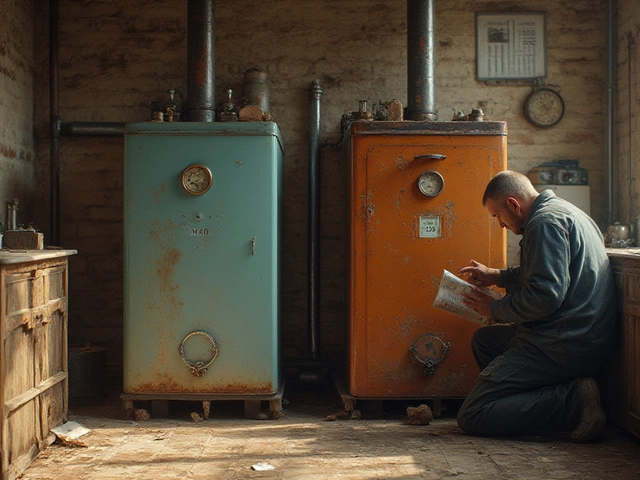
Picture this: you’ve scheduled your boiler replacement for a Tuesday morning. The technician arrives at 8 AM, shuts off the main valve, and suddenly you realize you haven’t thought about basic hygiene. Can you still use the toilet when the boiler is being replaced? It’s a question that keeps many homeowners up at night, especially in places like Auckland, where older homes often have complex plumbing layouts.
The short answer is: it depends entirely on how your home’s water system is wired. In most modern setups, yes, you can usually flush the toilet even while the heating system is offline. But if your house relies on an old gravity-fed system or shares a single isolation point, you might be looking at some uncomfortable planning ahead of time.
How Your Home’s Water System Works
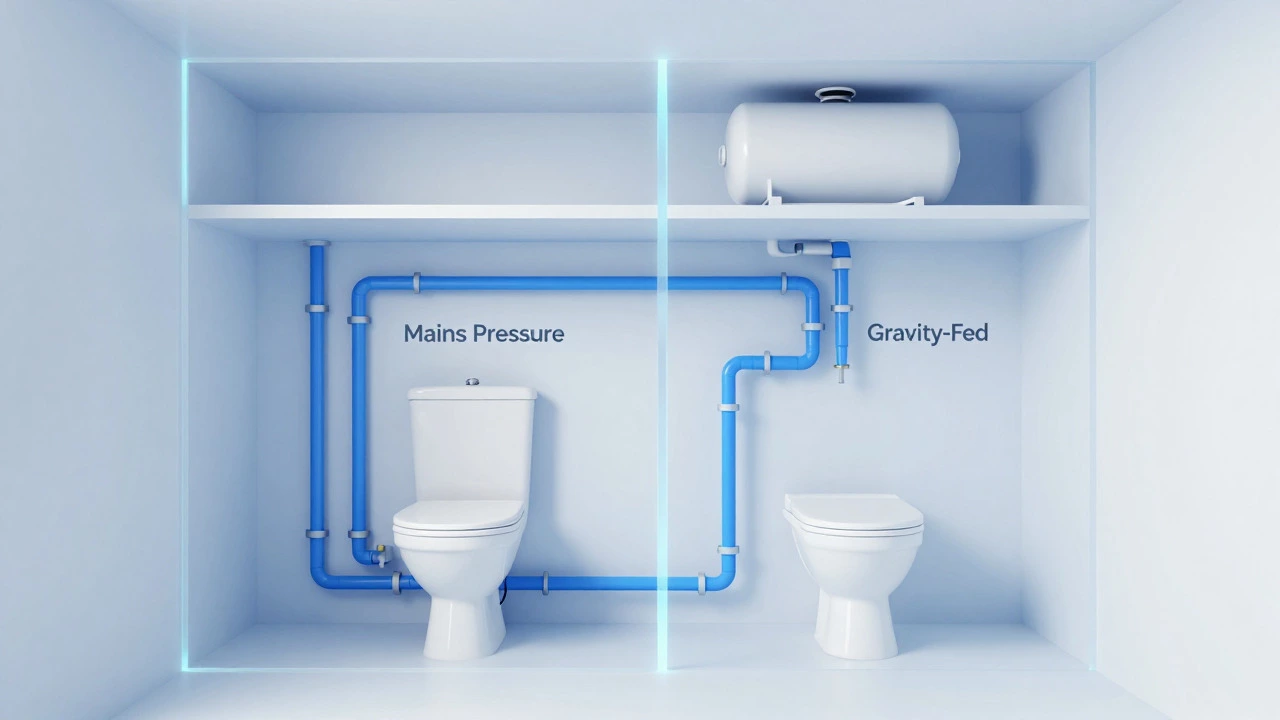
To understand whether the toilet will work, you first need to know what feeds it. There are two main types of domestic water systems in New Zealand homes: mains pressure systems and gravity-fed systems.
In a mains pressure system, cold water comes directly from the municipal supply through pipes that run under your floorboards or walls. This water goes straight to your taps, shower, washing machine, and toilets. The boiler only heats this water for radiators or hot taps-it doesn’t control the flow itself. If this describes your setup, turning off the boiler won’t stop the cold water from reaching the cistern.
Gravity-fed systems are different. These rely on a cold water storage tank, usually located in the roof space or loft. Water fills the tank slowly via a ball valve, then drips down into the hot water cylinder (often heated by the boiler) and other outlets. In these cases, the toilet may still get water from the same tank-but if the plumber needs to isolate that entire section for safety or access, everything connected to it stops working temporarily.
When Can You Still Flush?
If your toilet connects to the direct mains line-and not through any shared isolation valves with the boiler-you’re likely safe. Most standard installations keep toilet supplies separate because they don’t require heated water. That means you can go about your business normally while the engineer swaps out the unit.
However, there are exceptions:
- Your home uses a combined isolation valve near the boiler feed point.
- The plumber has turned off the main stopcock to prevent leaks during pipe modifications.
- You live in an older property where all cold water routes converge before splitting to individual fixtures.
In those scenarios, expect zero water until the job wraps up-which could take anywhere from four hours to two full days depending on complexity.
What Happens During the Replacement Process?
A typical boiler replacement service involves several stages:
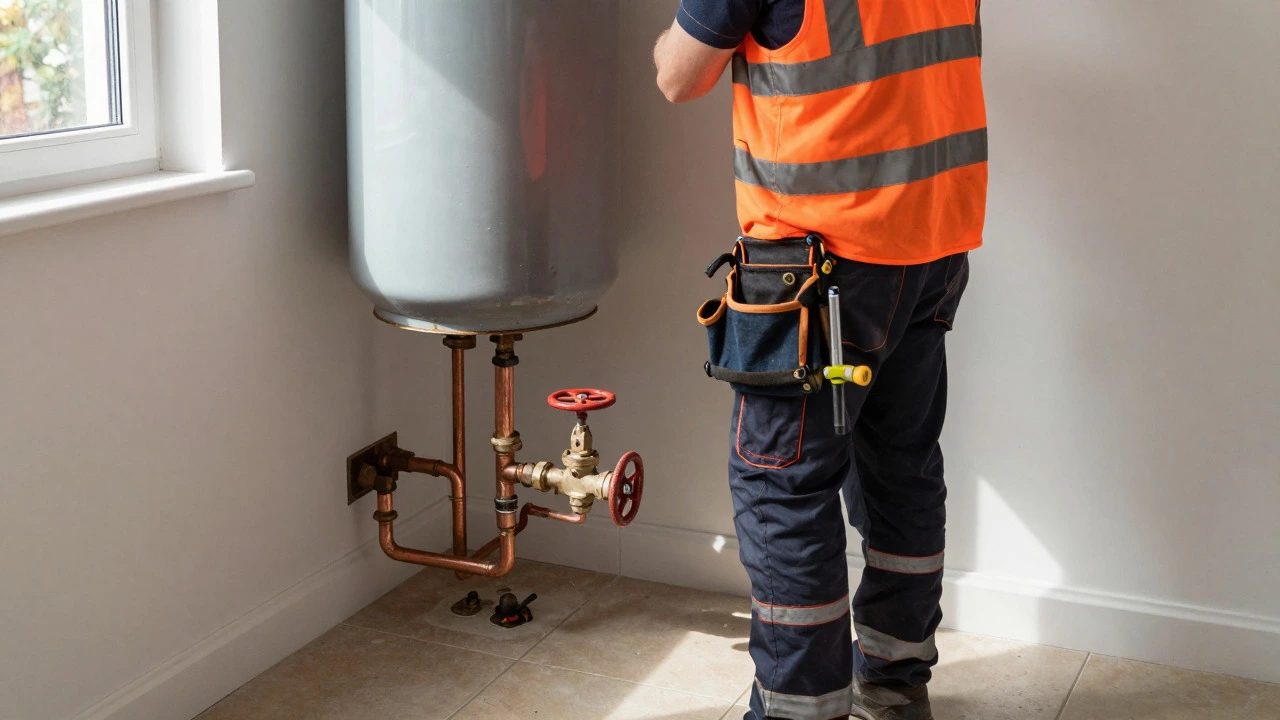
- Isolation: Shutting off gas and water supplies to ensure safe disconnection.
- Draining: Removing residual water from the old system using drain cocks or hoses.
- Removal & Installation: Taking out the faulty unit and mounting the new one.
- Piping Adjustments: Modifying connections if the new model requires different inlet/outlet positions.
- Testing: Refilling the system, checking for leaks, and verifying operation.
During steps one and five, water availability becomes critical. Even if your toilet isn't affected initially, unexpected issues-like corroded joints needing extra attention-can extend downtime beyond expectations.
Planning Ahead: Tips for Minimal Disruption
Don’t wait until the day of the installation to figure things out. Here’s how to prepare:
- Talk to your plumber beforehand: Ask specifically about water cutoff duration and which appliances will be impacted.
- Check your stopcock location: Know where it is so you can manually restore partial flow if needed.
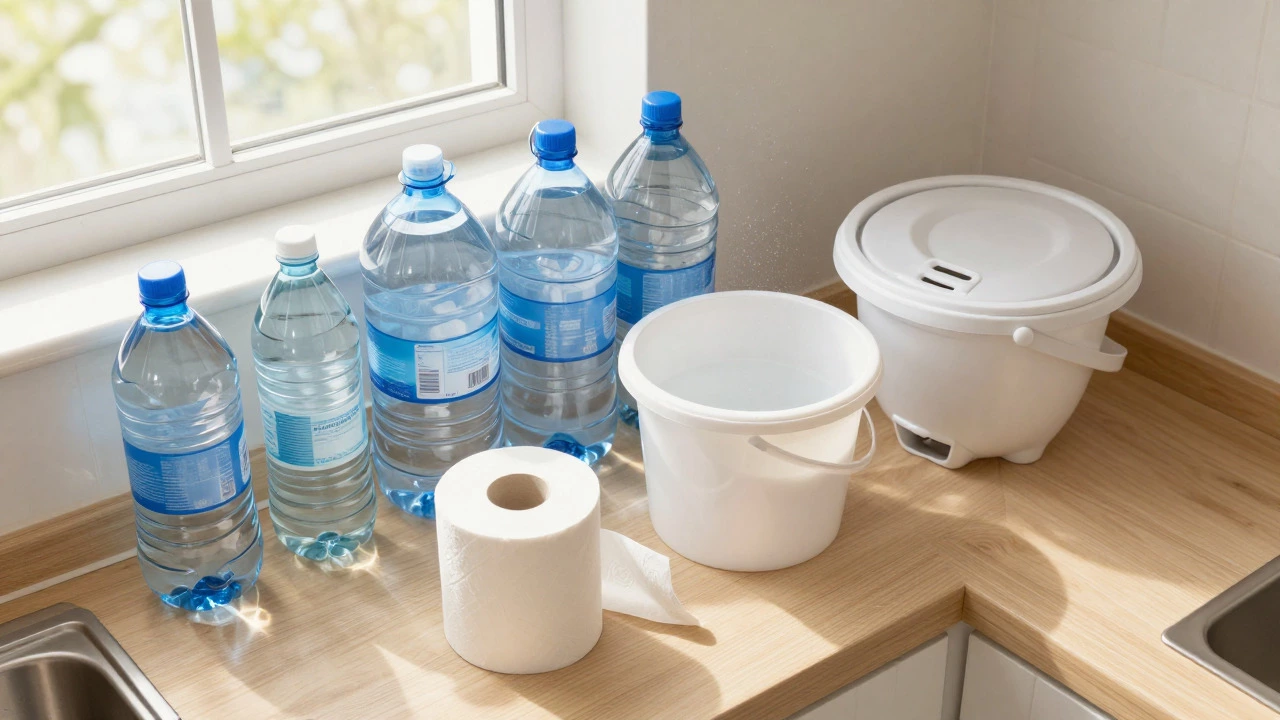
- Keep bottled water handy: For drinking, brushing teeth, and emergency flushing.
- Consider portable solutions: Some people rent small chemical toilets or use bucket-and-bag methods for extended outages.
- Schedule wisely: Avoid weekends or holidays when backup help might be harder to find.
One homeowner in Ponsonby learned this lesson the hard way when their three-day renovation left them without running water just before hosting guests. They ended up buying ten gallons of tap water from a local store-a costly mistake easily avoided with proper prep.
Special Cases: Combis vs. Conventional Systems
Your type of boiler matters too. Combi boilers provide instant hot water directly from the mains, meaning fewer stored reserves and potentially less disruption during replacement. On the flip side, conventional systems with separate cylinders involve more pipework and higher chances of cross-contamination between zones.
| Boiler Type | Water Source | Toilet Affected? | Downtime Risk |
|---|---|---|---|
| Combi Boiler | Direct Mains | Rarely | Low |
| Conventional System | Cold Storage Tank + Cylinder | Possibly | Moderate |
| System Boiler | Integrated Expansion Vessel | Unlikely | Low-Moderate |
If you're unsure which system you have, look for signs like a visible expansion vessel attached to the boiler (system), a large cylindrical tank in the airing cupboard (conventional), or no visible tanks at all (combi).
Emergency Scenarios and What To Do
Sometimes plans fall apart. Maybe the plumber discovers rusted pipes behind the wall. Or perhaps the council warns of a nearby main break affecting neighborhood pressure. In such moments, having a plan helps reduce stress.
Here’s what to do if water cuts off unexpectedly:
- Use stored water conservatively-prioritize drinking and sanitation over cleaning.
- Flush sparingly; each use consumes around six liters.
- Add sand or cat litter to the bowl after each flush to mask odors.
- Contact alternative providers quickly-some mobile plumbers offer temporary bypass setups.
In extreme cases, neighbors may share resources informally. Community spirit shines brightest during crises, though relying on goodwill alone isn’t ideal.
Frequently Asked Questions
Will my toilet stop working completely during boiler replacement?
Not necessarily. If your toilet draws water directly from the mains supply rather than through a shared isolation valve with the boiler, it should continue functioning normally. However, in gravity-fed systems or homes with centralized shut-offs, temporary loss of water is possible.
How long does a boiler replacement usually take?
Most straightforward replacements finish within one day. Complex jobs involving extensive piping changes or structural adjustments can stretch to two or three days. Always confirm estimated timelines with your technician upfront.
Should I turn off the water myself before the plumber arrives?
No-let the professional handle isolation unless instructed otherwise. Incorrectly shutting off the wrong valve could complicate diagnostics or create unnecessary delays. Just make sure you know where the main stopcock is located for emergencies.
Can I still wash dishes or brush my teeth during the process?
That depends on your plumbing configuration. If your kitchen sink and bathroom basin connect independently from the boiler circuit, you’ll retain limited functionality. Otherwise, assume minimal water access until completion.
What should I do if the plumber says water will be off for multiple days?
Prepare immediately by stocking bottled water, arranging alternate accommodation if feasible, and exploring rental options for portable sanitation units. Communicate clearly with household members to manage expectations and minimize inconvenience.
Does living in an apartment change anything?
Yes. Apartment dwellers often share central risers controlled by building management. Notify your landlord or strata committee early to coordinate access and determine whether communal systems affect individual units differently.
Are there eco-friendly alternatives to traditional boilers?
Absolutely. Heat pumps, solar thermal systems, and biomass boilers offer sustainable heating options. While initial costs are higher, long-term savings and reduced carbon footprints make them attractive investments for environmentally conscious homeowners.