Oven Repair vs. Replace Calculator
Enter Your Details
Enter costs above to see if you should fix or replace your oven.
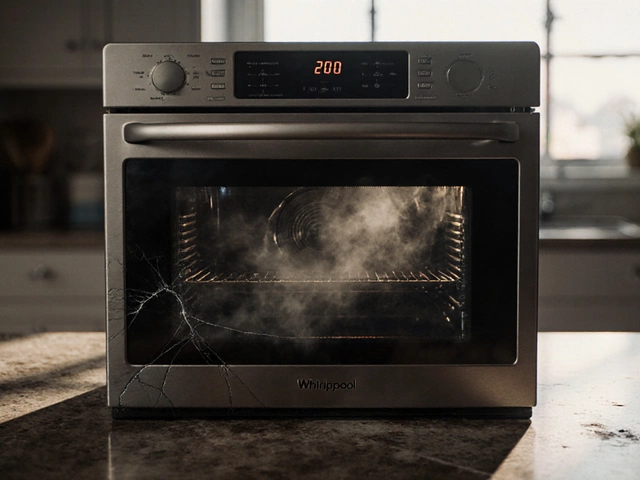
You open the door, and the heat doesn’t come on. Or maybe it does, but the temperature swings wildly between 'lukewarm' and 'incinerator.' Your oven is ten years old. That’s right at the age where most appliances start asking the big question: fix it or toss it?
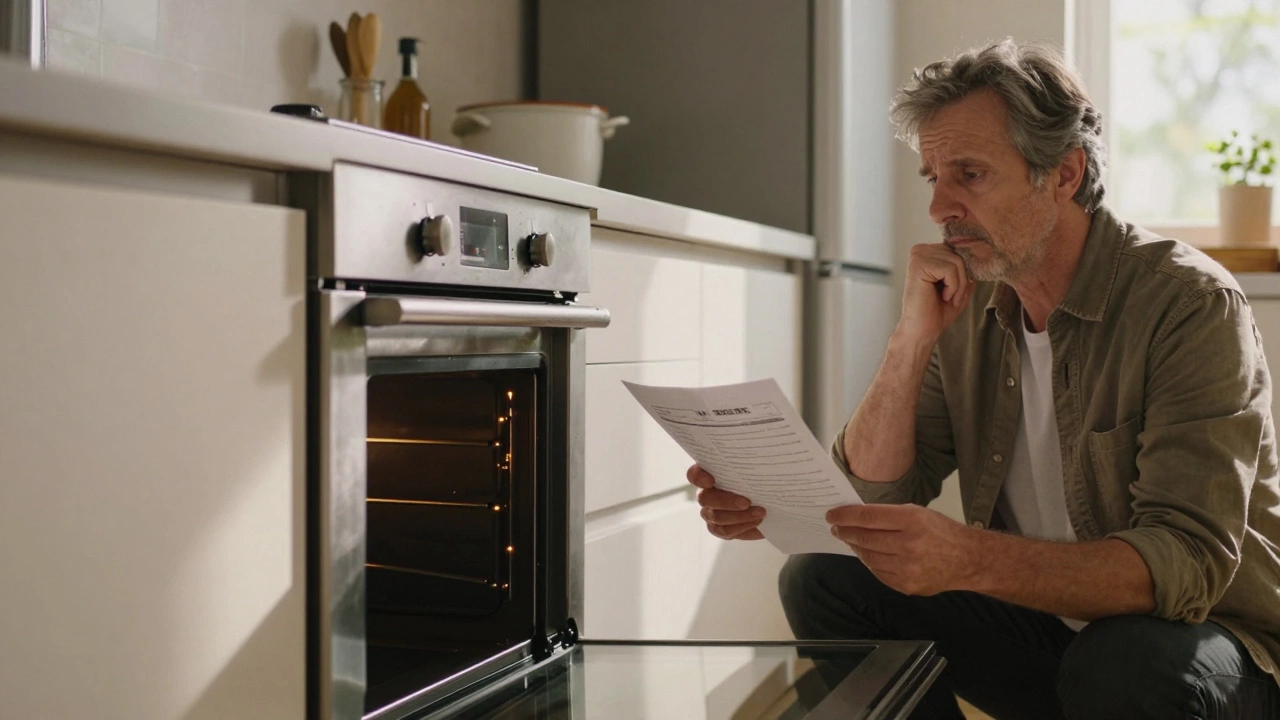
It’s not just about frustration; it’s about your wallet. A service call alone can run you $80 to $150 before any parts are touched. If the repair costs $400, does that make sense for a machine that has already given you a decade of service? The answer isn't always obvious. It depends on what broke, how much the new one costs, and whether you’re trying to save money or upgrade your kitchen.
The General Rule of Thumb: The 50% Guideline
When deciding whether to repair an appliance, technicians often use a simple math trick called the 50% rule. If the cost of the repair is more than half the price of a brand-new replacement unit, you should generally replace it.
Let’s break this down with real numbers. A standard mid-range electric range typically costs between $600 and $900. Half of that is $300 to $450. If your repair quote is $500, you’re better off buying a new oven. You get a fresh warranty, modern energy efficiency, and no immediate risk of another breakdown.
However, if the repair is a quick fix-like replacing a faulty door switch or a broken heating element-for under $200, repairing makes financial sense. You extend the life of your current appliance without spending a fortune.
| Scenario | Estimated Repair Cost | New Oven Cost (Mid-Range) | Verdict |
|---|---|---|---|
| Baking Element Replacement | $150 - $250 | $700 | Repair |
| Control Board Failure | $400 - $600 | $700 | Replace |
| Thermostat Calibration | $100 - $150 | $700 | Repair |
| Gas Igniter Replacement | $200 - $300 | $800 | Repair |
Common Failures in 10-Year-Old Ovens
Knowing what likely went wrong helps you predict the cost. At the ten-year mark, wear and tear hits specific components harder than others. Here are the usual suspects:
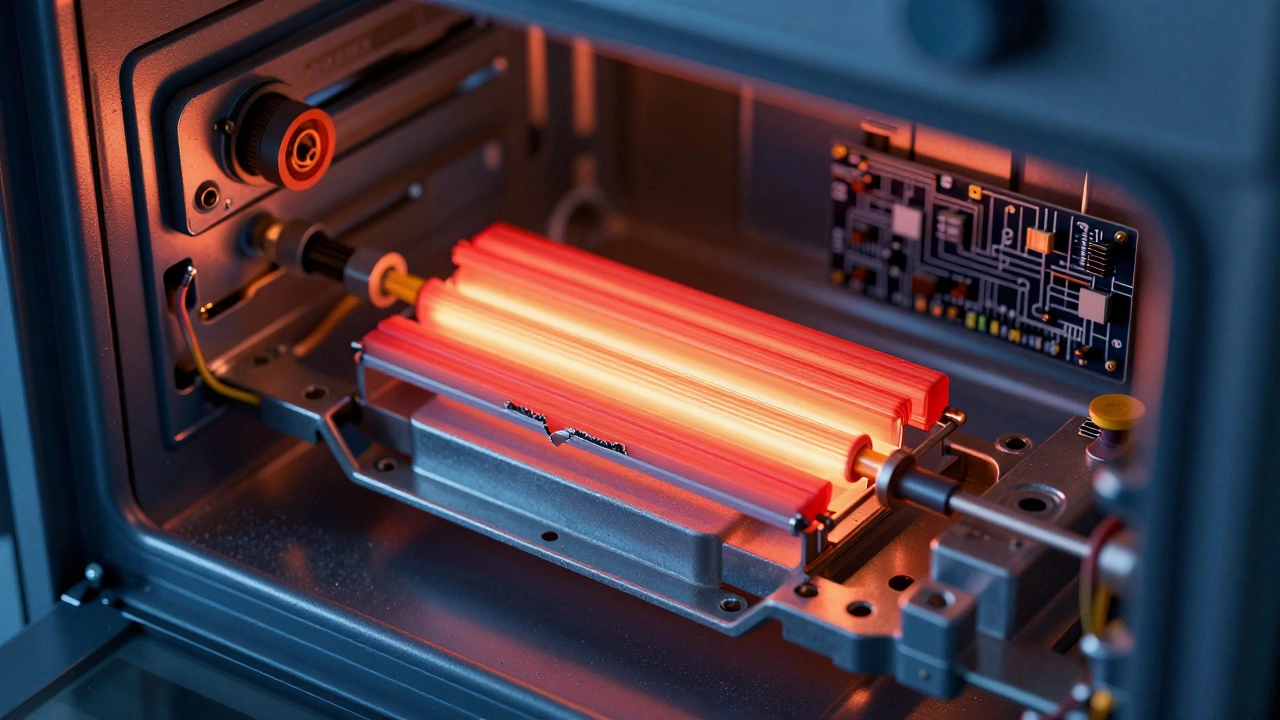
- Heating Elements: Both electric bake elements and broil elements have a finite lifespan. They glow hot thousands of times, causing the metal to fatigue and crack. Replacing these is straightforward and relatively cheap.
- Temperature Sensors: These small probes tell the control board when the oven has reached the set temperature. When they drift out of calibration, your cookies burn while the center remains raw. This is often a $50 part plus labor.
- Door Seals (Gaskets): Over a decade, the rubber seal around the door hardens, cracks, or shrinks. Heat escapes, forcing the oven to work overtime. This is a low-cost repair that improves efficiency significantly.
- Control Boards: This is the brain of the oven. Moisture, power surges, and age can fry the electronics. Control boards are expensive ($200-$400 for the part) and require skilled labor to install. This is often the tipping point for replacement.
- Igniters (Gas Ovens): In gas ranges, the igniter glows to open the gas valve. If it’s weak, the oven won’t light, or it will take forever to preheat. These are affordable parts but require professional handling due to gas lines.
Energy Efficiency: The Hidden Cost of Old Appliances
A ten-year-old oven uses more electricity or gas than a modern model. Energy standards have tightened significantly over the last decade. New ovens are designed to heat up faster, maintain temperature more precisely, and cool down quicker.
Consider this: an older electric oven might use 2,000 watts continuously to maintain heat because of poor insulation or failing thermostats. A new ENERGY STAR-certified model might achieve the same result with 1,500 watts by using better insulation and smarter controls. Over a year, those savings add up. If you bake frequently, the utility bill difference could offset the higher upfront cost of a new appliance within two to three years.
For gas ovens, the efficiency gap is smaller but still present. Modern gas valves and igniters ensure complete combustion, reducing wasted fuel and potential carbon monoxide leaks-a safety concern that shouldn’t be ignored.
Safety Risks in Aging Appliances
Safety is non-negotiable. An oven that is ten years old may pose risks that aren’t immediately visible. Worn wiring inside the back panel can become brittle and spark. Gas lines can develop micro-leaks over time. Even if the oven works today, its internal infrastructure may be nearing failure.
If you smell burning plastic, see sparks, or notice the oven cycling on and off erratically, do not attempt a DIY fix. Call a professional immediately. In cases involving gas smells or electrical arcing, evacuation and emergency services are warranted. A technician can assess whether the issue is isolated or systemic. Systemic issues mean the whole unit is compromised.
When Replacement Makes Sense Beyond Cost
Sometimes, the decision isn’t purely financial. Consider these factors:
- Kitchen Renovation: If you’re updating cabinets or countertops, matching your new aesthetic with a modern oven adds value to your home. A mismatched, dated appliance can lower perceived property value.
- Feature Upgrades: New ovens offer convection fans for even baking, self-cleaning cycles that actually work, and smart features like Wi-Fi connectivity. If you love cooking, these upgrades improve daily usability.
- Warranty Peace of Mind: A new oven comes with a manufacturer’s warranty, usually one year on parts and labor, sometimes longer on sealed systems. An old oven has no safety net. Another breakdown means another out-of-pocket expense.
- Availability of Parts: As models age, manufacturers stop producing replacement parts. If your oven is from a discontinued line, finding a compatible thermostat or control board might be impossible. Technicians may quote high prices for scavenged parts.
DIY vs. Professional Repair
Some repairs are safe for homeowners to tackle. Replacing a baking element or a door latch often requires only a screwdriver and a multimeter. YouTube tutorials and manufacturer manuals provide step-by-step guidance. However, always disconnect power before working on any appliance.
Other jobs demand professionals. Anything involving gas lines, high-voltage capacitors, or complex circuit boards should be left to certified technicians. Incorrect installation can void warranties, cause fires, or lead to gas leaks. When in doubt, pay for the expertise. The peace of mind is worth the service fee.
How to Get an Accurate Quote
Before making a decision, get a detailed diagnosis. Many repair companies charge a diagnostic fee, which is often waived if you proceed with the repair. Ask for:
- A clear description of the faulty part.
- The cost of the part itself.
- The labor rate per hour.
- An estimate of total hours required.
Compare this total against the price of a new oven from local retailers. Don’t forget to factor in delivery and installation fees for the new unit, which can add $100-$200 to the purchase price.
Making the Final Decision
If your oven is ten years old, it’s at the end of its expected lifespan. The average oven lasts 10 to 15 years. If the repair is minor and cheap, go ahead and fix it. But if the problem is major, costly, or involves critical safety components, replace it. You’ll gain efficiency, reliability, and modern features. Don’t let sentimentality drive a financial mistake. Your kitchen deserves an appliance that works as hard as you do.
How long should an oven last?
Most ovens last between 10 and 15 years with regular use. Electric ovens tend to last slightly longer than gas models due to fewer moving parts. Proper maintenance, like cleaning spills promptly and avoiding abrasive cleaners, can extend their life.
Is it safe to use a 10-year-old oven?
Yes, if it’s functioning correctly and has been maintained. However, check for worn seals, frayed wires, or unusual smells. If you notice any signs of electrical or gas issues, stop using it and consult a professional immediately.
What is the most common reason ovens fail?
The most common failures are heating elements (in electric ovens) and igniters (in gas ovens). Temperature sensors and control boards also fail frequently due to heat exposure and electronic degradation over time.
Can I replace an oven heating element myself?
Yes, replacing a heating element is one of the easiest DIY oven repairs. Turn off the power, remove the old element, and slide in the new one. Ensure you buy the exact model number match for compatibility.
Are newer ovens really more energy efficient?
Yes. Modern ovens use better insulation, improved door seals, and smarter thermostats to reduce energy waste. ENERGY STAR certified models can save significant amounts on electricity or gas bills compared to units from ten years ago.