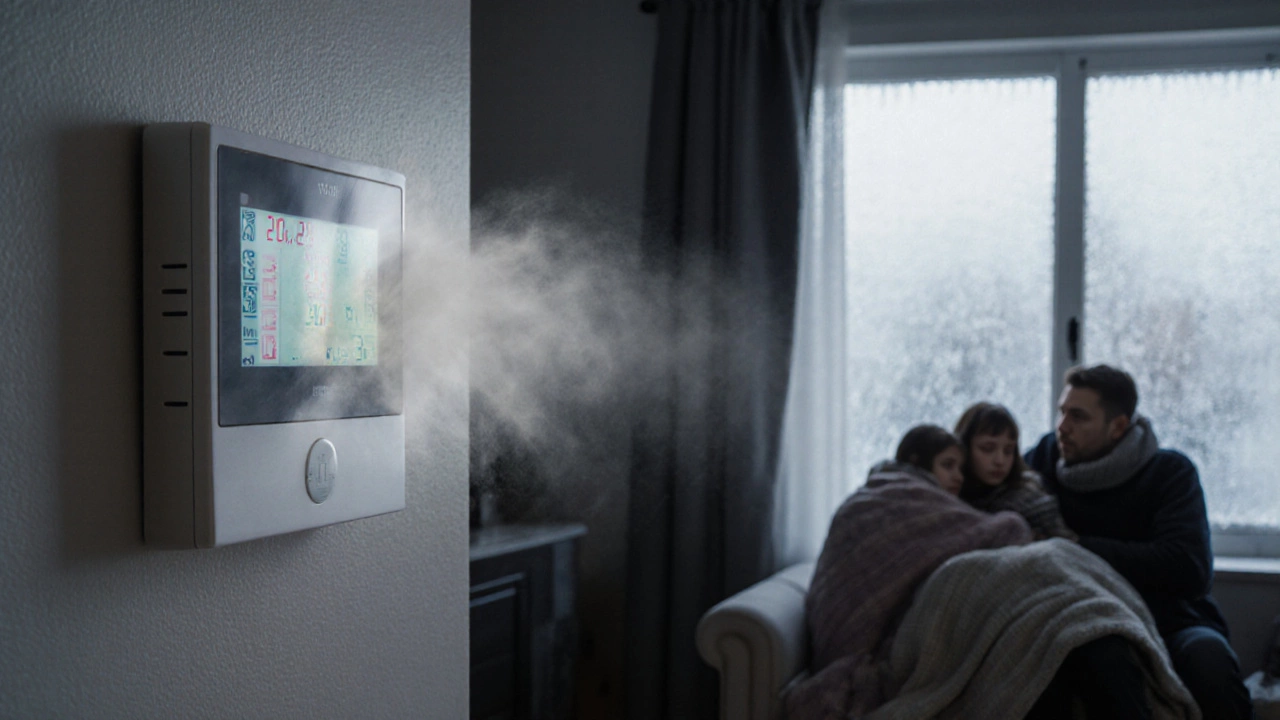
When your heat pump, a device that moves heat from one place to another to warm or cool your home. Also known as air source heat pump, it’s one of the most efficient ways to manage home temperature year-round. stops working, it’s not just an inconvenience—it’s a cold (or hot) reality. Unlike a standard furnace or air conditioner, a heat pump does both heating and cooling using the same system. That means when it fails, you lose both functions at once. And because it runs constantly in winter, even a small problem can snowball fast.
Common reasons a heat pump stops working include a dirty air filter, frozen coils, a broken reversing valve, or a faulty thermostat. Many people assume it’s a power issue, but more often, it’s something simpler. For example, if your heat pump won’t turn on, check the circuit breaker first. If it’s running but not heating, the outdoor unit might be iced over. A quick defrost cycle can fix that—but if it keeps happening, the defrost control board may be failing. And if you hear strange noises like grinding or banging, it’s usually the compressor or fan motor. These aren’t DIY fixes. Heat pumps use refrigerant under pressure, and improper handling can be dangerous or illegal.
Some issues are easy to spot. If your home feels drafty even when the heat pump is running, your ducts might be leaking. If the unit turns on and off too often, the thermostat might be misplaced near a window or vent. And if you’ve noticed your energy bills creeping up without any change in usage, the system could be losing efficiency due to refrigerant leaks or worn components. These are all signs that point to a deeper problem needing professional attention. In Northampton, many homes rely on heat pumps for year-round comfort, so knowing what to look for saves time, money, and stress.
What you’ll find below are real fixes from actual repairs—no fluff, no guesswork. We’ve pulled together guides on diagnosing common heat pump failures, how to tell if it’s time to replace it, and what parts most often break. You’ll also see how these problems connect to related systems like thermostats, air filters, and ductwork. Whether you’re trying to fix it yourself or just want to know what the technician will check, these posts give you the clear, practical info you need.
Learn the 7 clear signs your heat pump is malfunctioning-from strange noises to ice buildup and high bills. Know when to call a pro and how to prevent costly repairs.